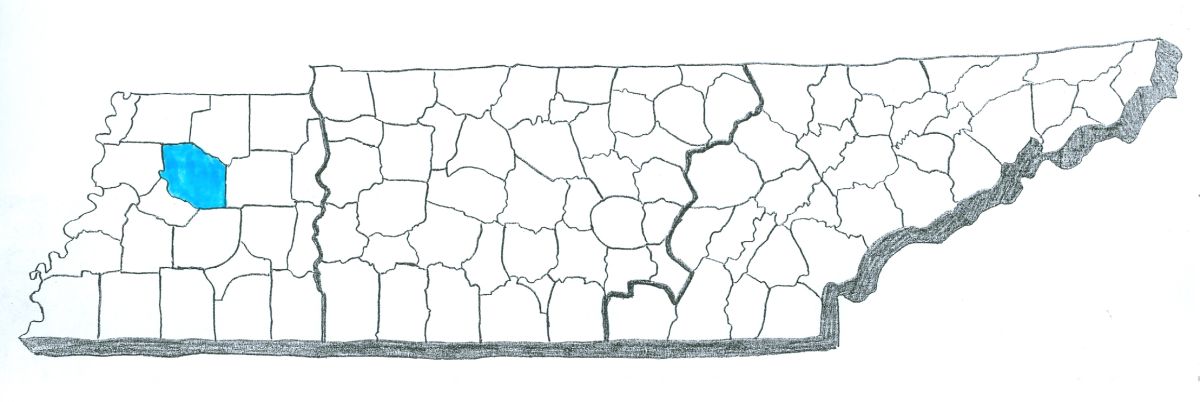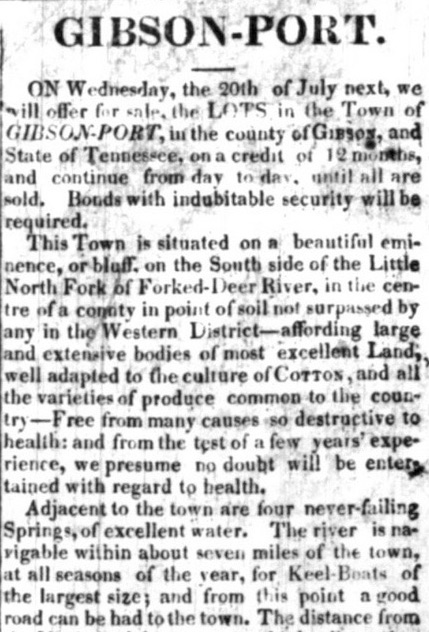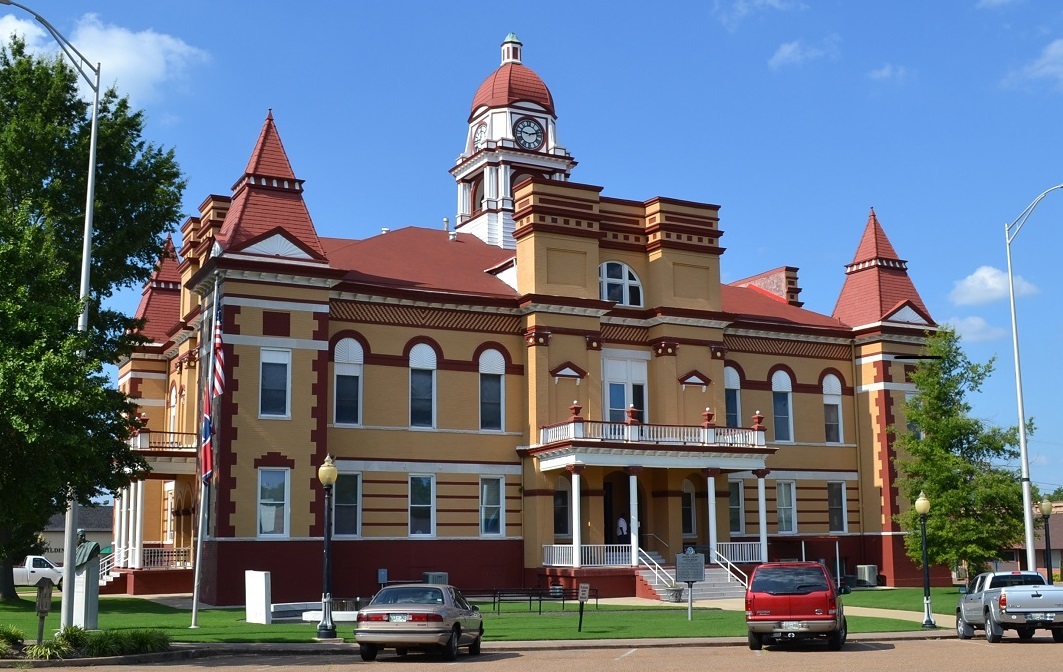
The Gibson County Courthouse
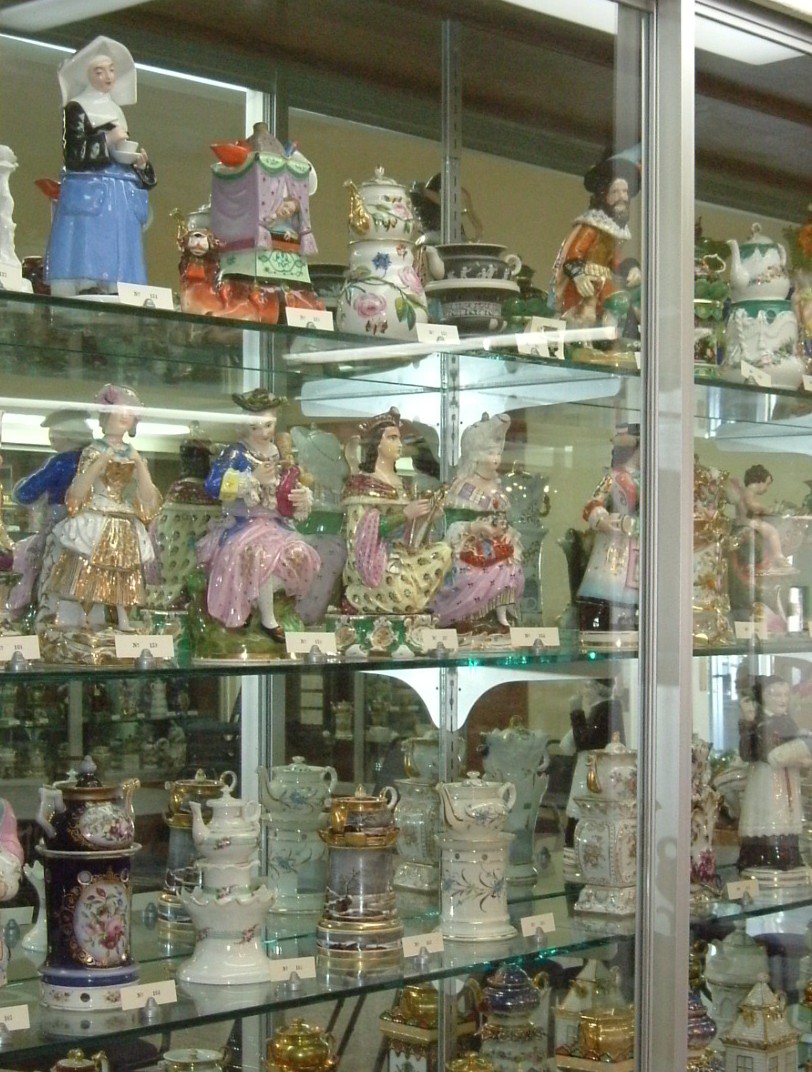
Teapots line the walls of the Trenton city hall.
When you think of Trenton, Tennessee, you should think of teapots.
A native of Trenton named Dr. Frederick Freed liked collecting fancy teapots (to be specific, he liked collecting porcelain veilleuses, teapots made between 1750 and 1860). Dr. Freed practiced medicine in New York, but occasionally visited his brother in Trenton. One day his brother convinced him to donate his teapots to the town of Trenton rather than to a large museum in the Northeast.
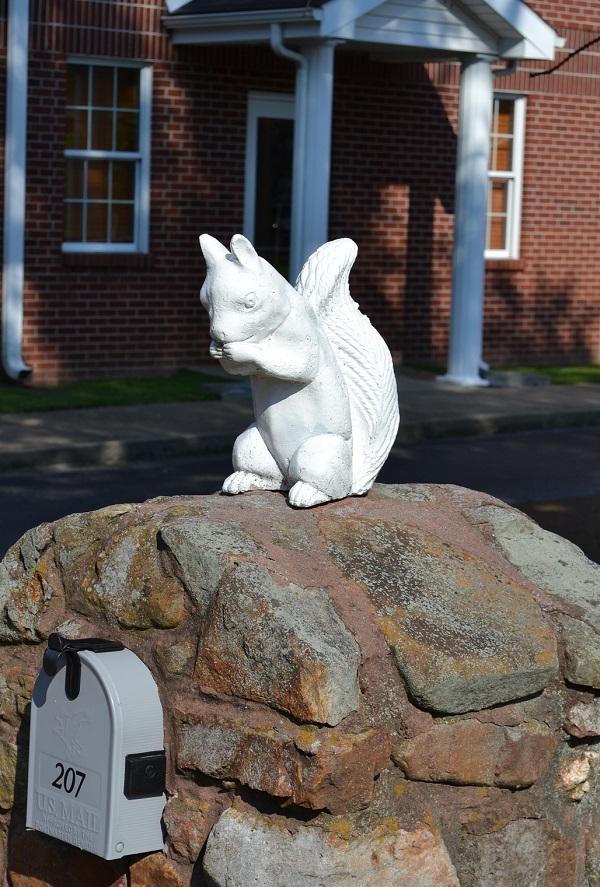
A mailbox in Kenton
Dr. Freed did so, and today his collection of more than 650 teapots is the pride of his hometown. Every April, Trenton even has a teapot festival to celebrate its wonderful collection.
If you leave Trenton heading north, you’ll pass through the town of Kenton (which is in both Gibson and Obion counties). But don’t pass through too fast, or you might accidentally hit one of Kenton’s famous albino squirrels.
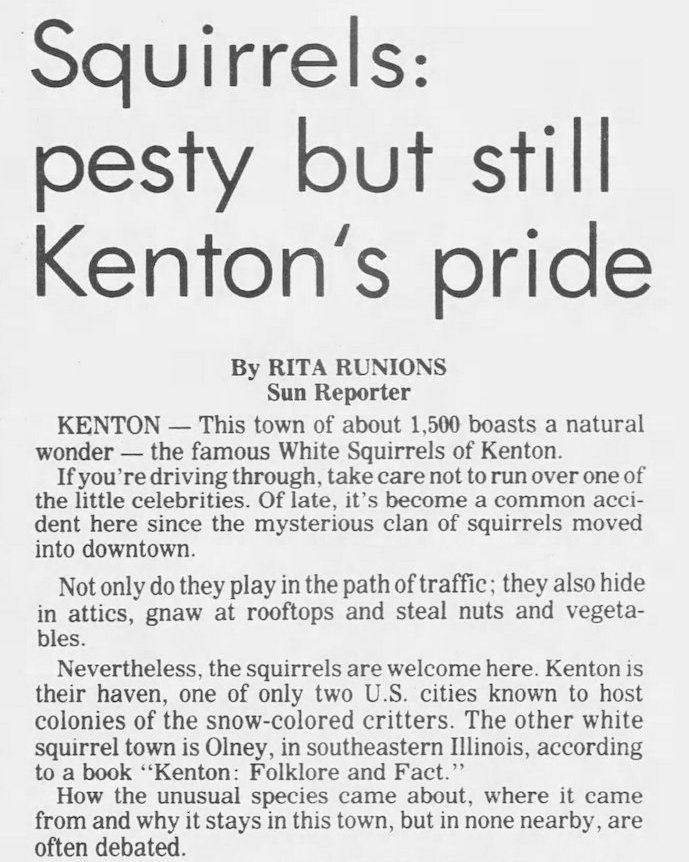 No one really knows how it is that Kenton ended up with a large albino squirrel population (see article on the right.) Locals say there are about 250 white squirrels in Kenton.
On our trip through Kenton we didn’t find any albino squirrels. We did see lots of small statues of them, however!
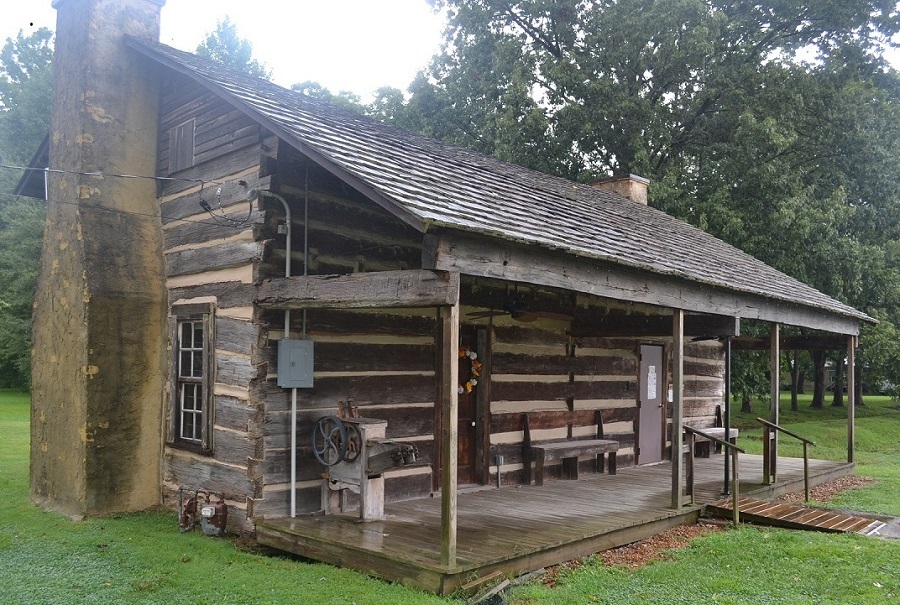
The replica of Crockett’s home in Rutherford
Gibson County is the last place David Crockett called home. While he lived near present-day Rutherford, Tennessee, Crockett served three terms in the U.S. House of Representatives and tried to make his living harvesting trees.
However, like so many business ventures in Crockett’s life, this one didn’t turn out well.