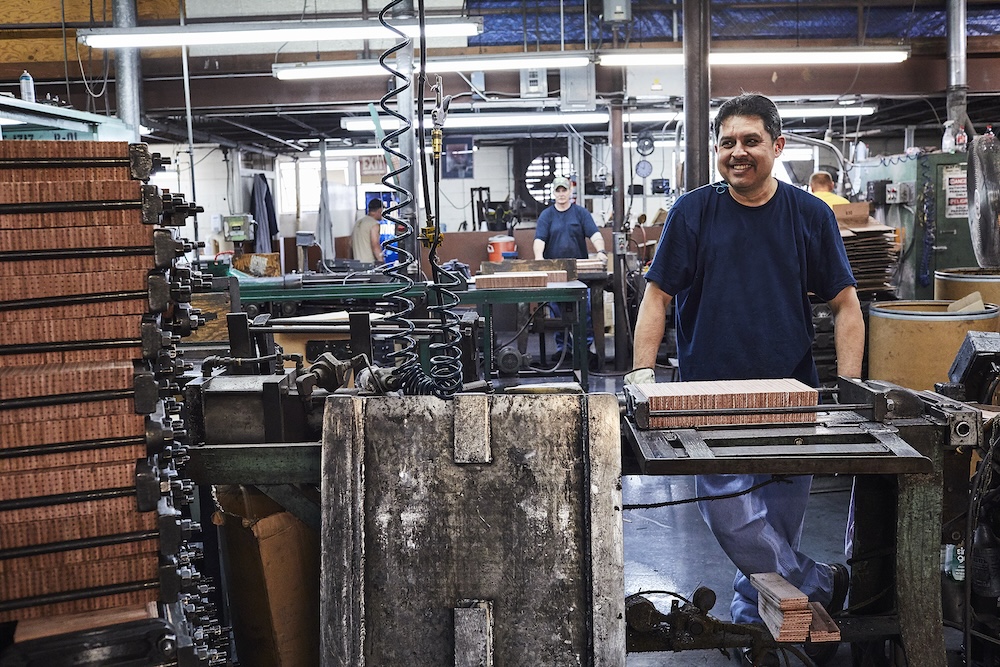
A worker at Shelbyville’s Musgrave Pencil Company
Most of the places we tour at Tennessee History for Kids are historic, like museums and battlefields. But this tour is different. We’re taking you to a real-live factory, where people turn raw materials into something sold to the public. We’re taking you to Shelbyville’s Musgrave Pencil Company.
Why Musgrave? Because a pencil is simple product that is easy to explain. Also, the story of Musgrave Pencil involves Tennessee’s native trees, railroads, World War I, barbed wire and international trade.
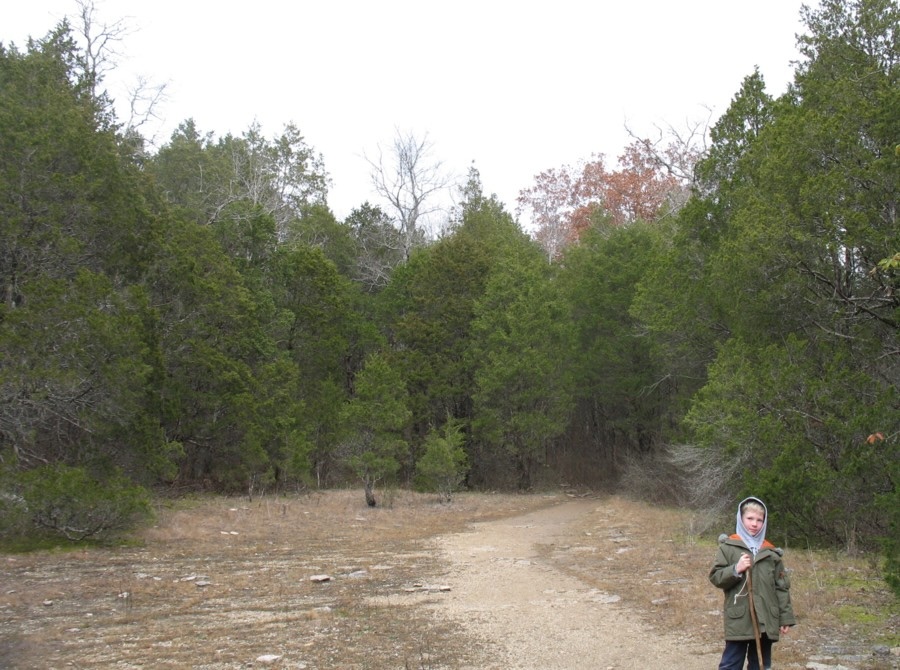
Cedar trees are plentiful in Middle Tennessee
Pencil City, U.S.A.
There are a lot of eastern red cedar trees in Middle Tennessee. Eastern red cedars grow wild all over the place; even in the median between interstate lanes. Cedar trees have wood that is harder than most other trees. They are also a perfect wood with which to make pencils.
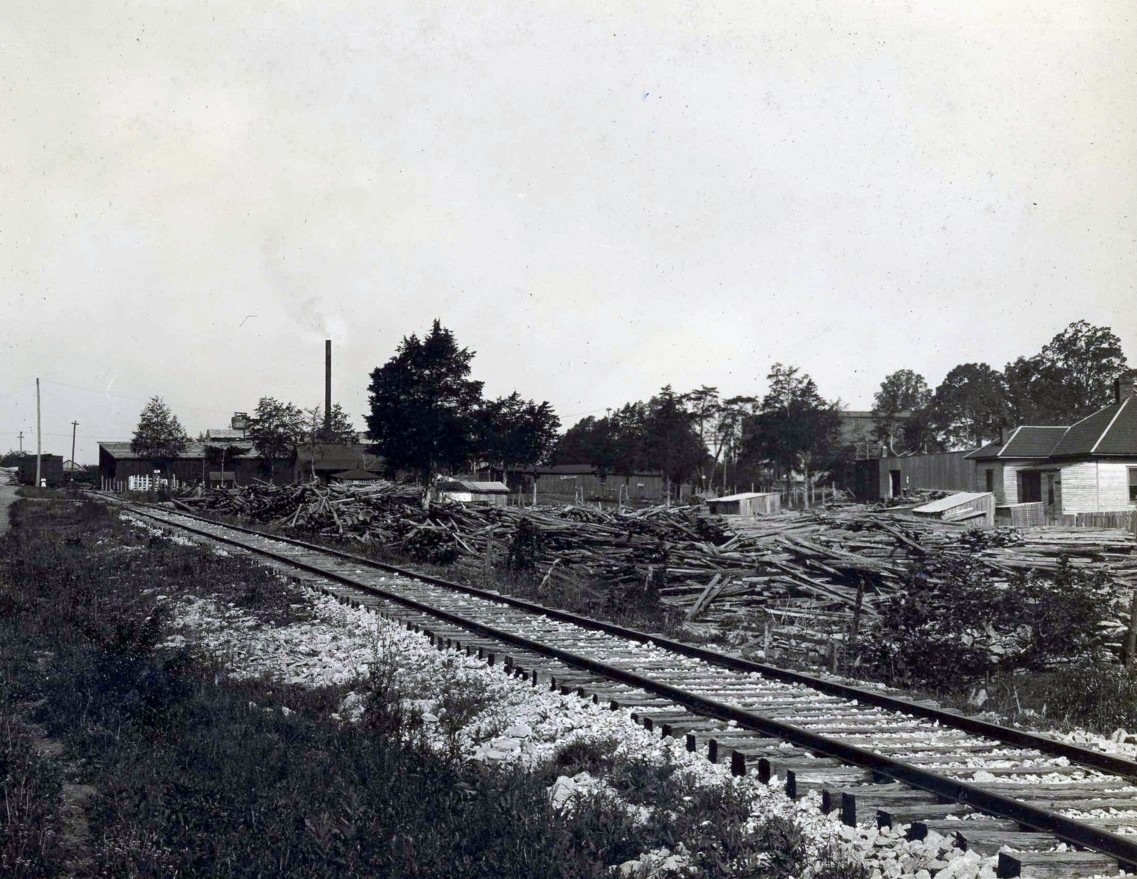
Piles of cedar logs beside the Musgrave Pencil Factory in the 1930s (Musgrave Pencil photo)
In the early 1900s, Shelbyville was an important stop on the Louisville & Nashville Railroad. That being the case, it was a better place to have a factory than other towns in south central Tennessee.
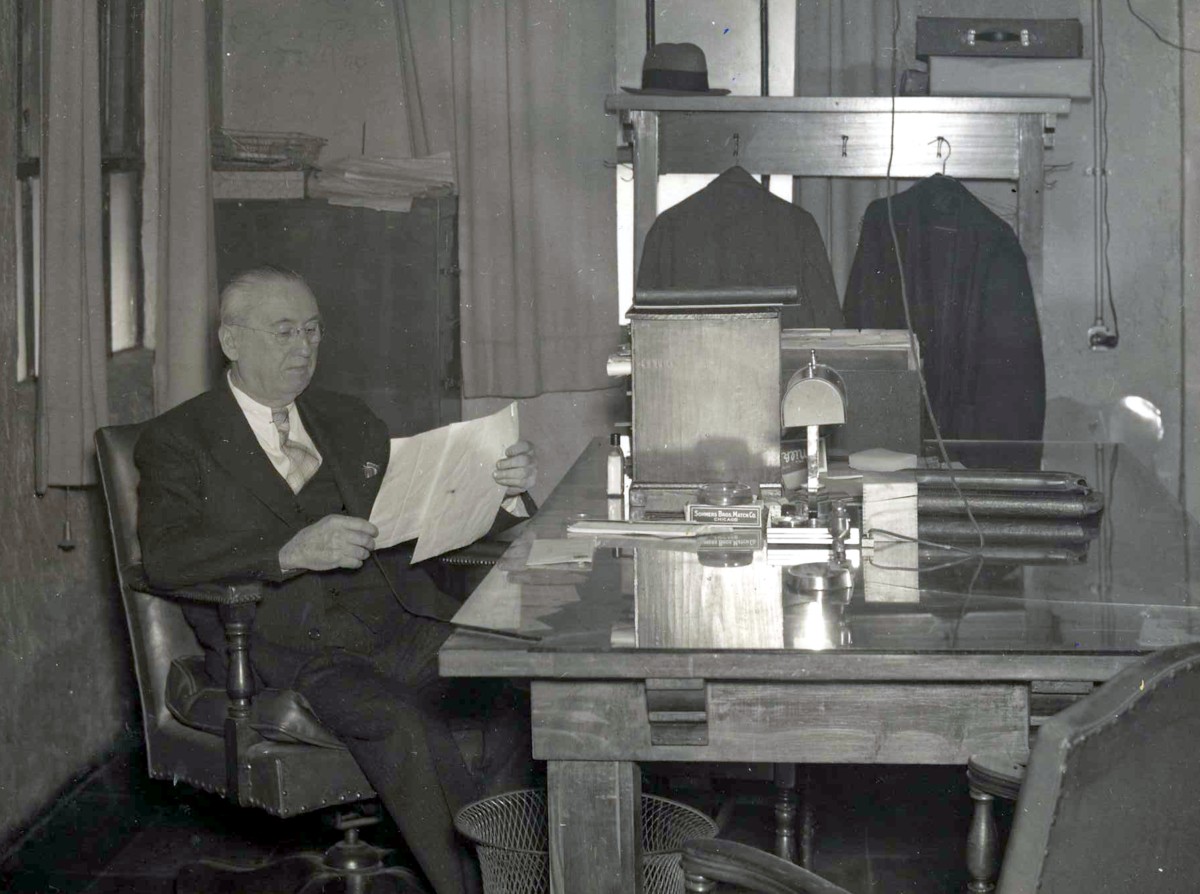
James Musgrave (Musgrave Pencil photo)
When originally started by James Musgrave in the early 1900s, Musgrave was a sawmill. Its main business was sending cedar trees, cut into small slats of wood, to German pencil manufacturers.
But during World War I, it was no longer possible for a Tennessee company to send raw materials to Germany. At that point Musgrave began manufacturing pencils. The success of his venture led to the creation of other Shelbyville pencil companies.

An old ad for the Musgrave Pencil Company (Musgrave Pencil image)
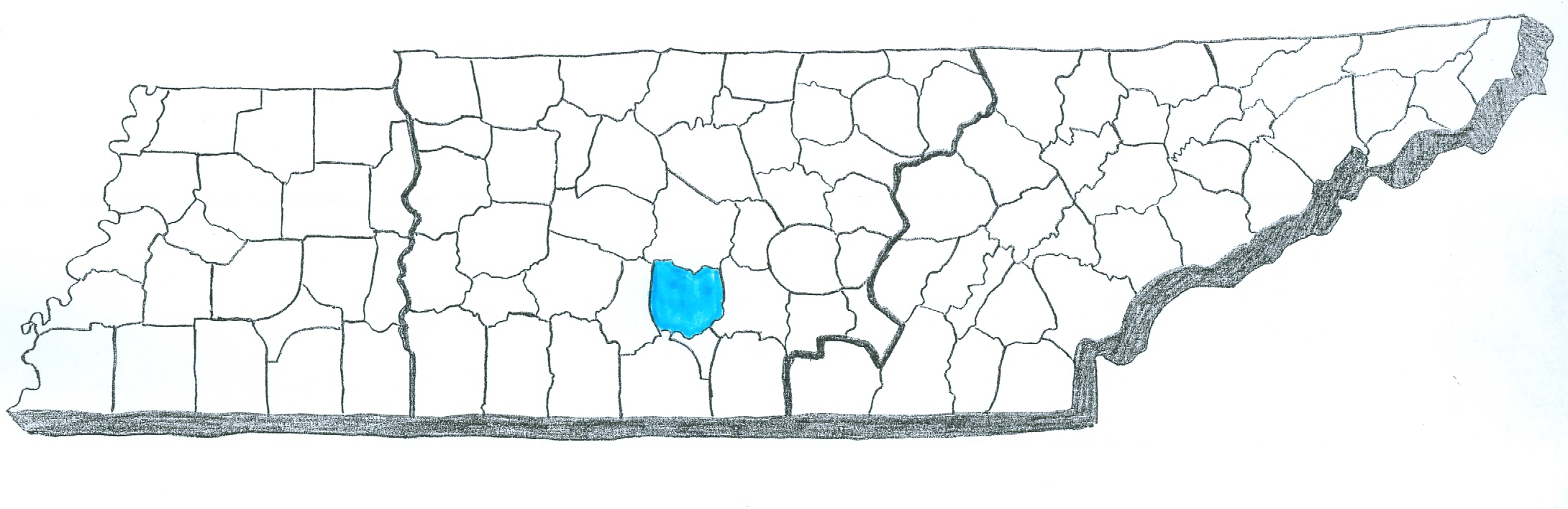
By the 1950s, when Tennessee Governor Buford Ellington declared Shelbyville “Pencil City, U.S.A.,” there were half a dozen pencil factories in Bedford County.
As the years went by, the business became more complicated. Pencils went from being yellow to being many colors. Companies began to special order pencils and use them as advertising. Pencils began being sold in back-to-school kits.
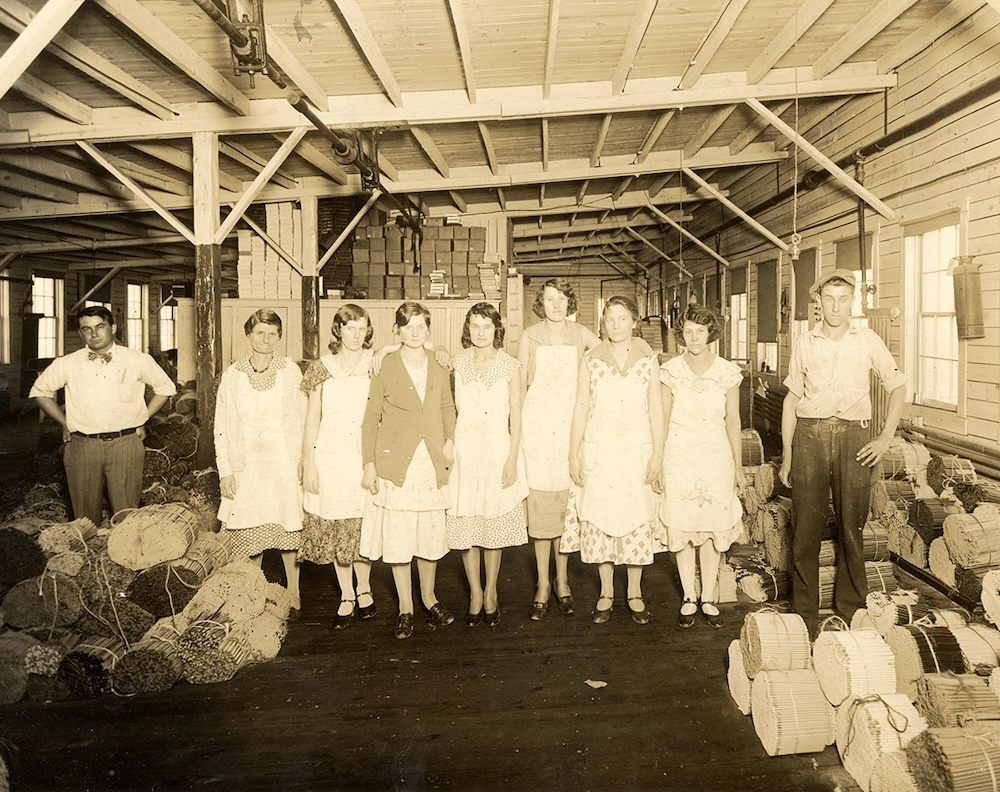
Workers at Musgrave Pencil in the 1930s (Musgrave Pencil photo)
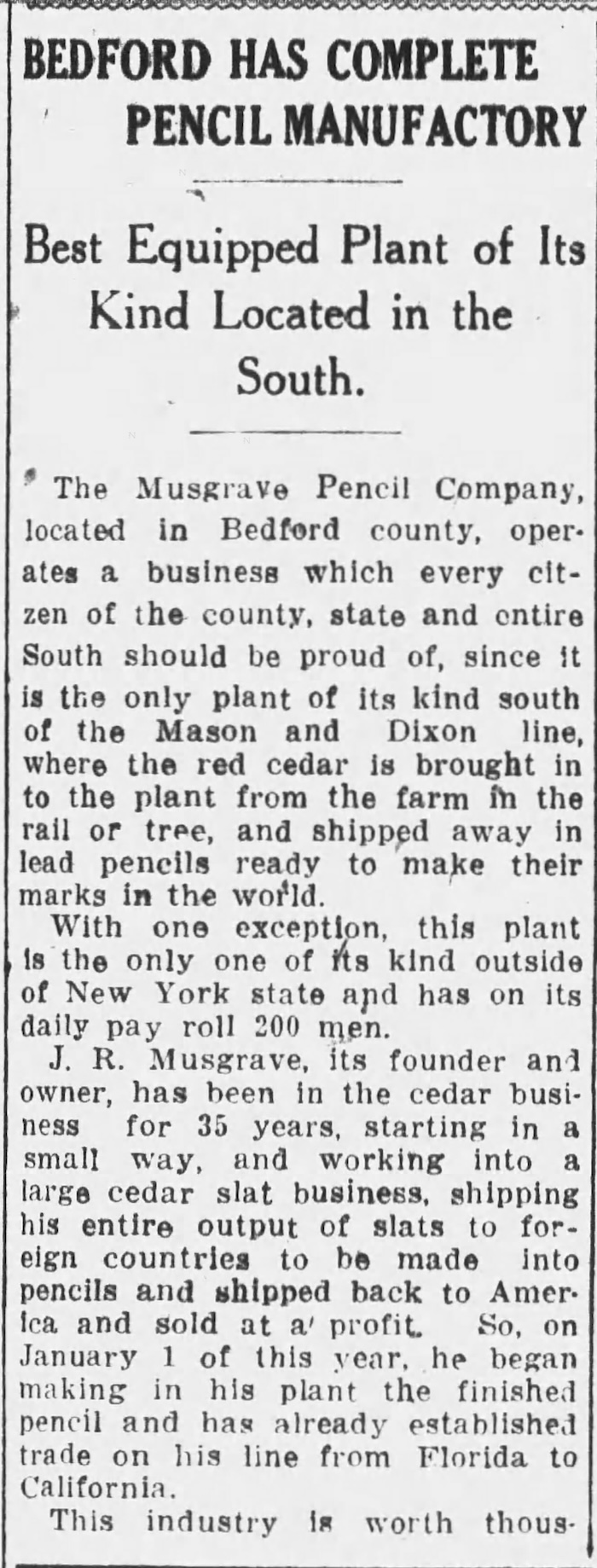
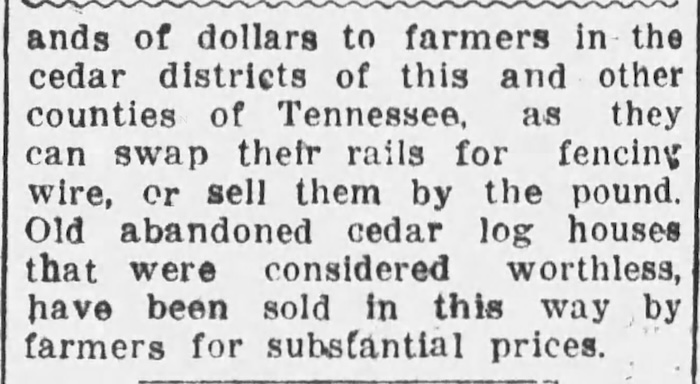
Meanwhile, the supply of cedar trees in Bedford County was being depleted. For several years Musgrave made pencils out of recycled cedar fence posts, which at that time were common because farmers were replacing cedar fences with barbed wire. (See newspaper article on the right column.)
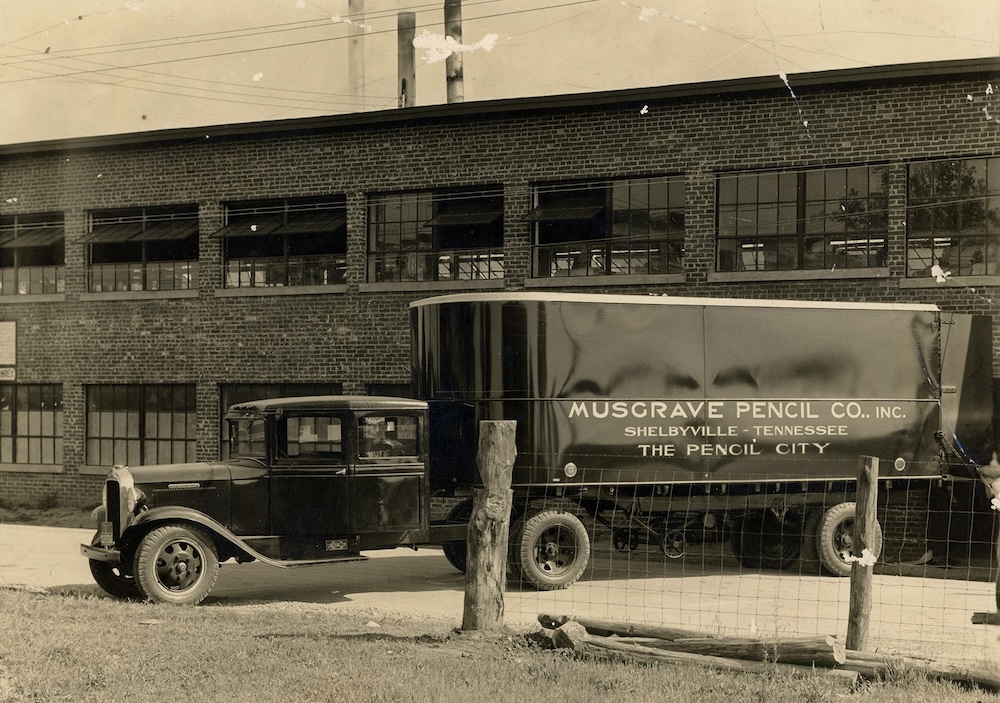
A Musgrave Pencil truck in the 1940s (Musgrave Pencil photo)
Starting in the 1930s, factories such as Musgrave began using wood from other parts of the United States. Eventually the production of pencils began moving to other countries.
Today Musgrave is the only factory in Bedford County that still makes pencils.
How pencils are made
You may have stared at a pencil and wondered “how did they get the black part in the middle?” (We wondered that too.)
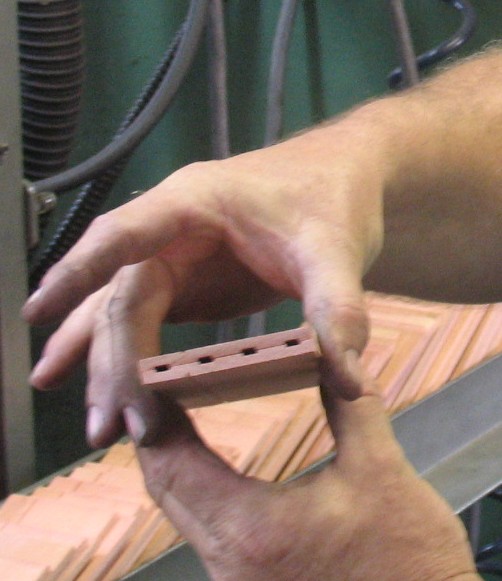 You start with a little piece of wood. You run the piece of wood through a milling machine that cuts a groove down it. Once you’ve done this to two pieces of wood, if you hold them side by side like a sandwich, it creates a little “tunnel.”

Here are hundreds of pieces of wood, pressed together with graphite between them, with glue drying as part of the pencil-making process.
In this picture on the right, which shows wood being made into a carpenter’s pencil, you can see the “tunnel” made by the two grooves.
The black stuff in the middle of the pencil is a mixture of graphite (an element that is mined) and clay. Like the wood used to make pencils, the graphite and clay mixture comes from another factory. It comes in long strips, ready to be used in the pencil-making process.
After the wood is cut, the long piece of graphite and clay gets placed in the groove, and another piece of wood is glued on top. The glue that holds the pieces of wood together is pressed together and dries overnight.
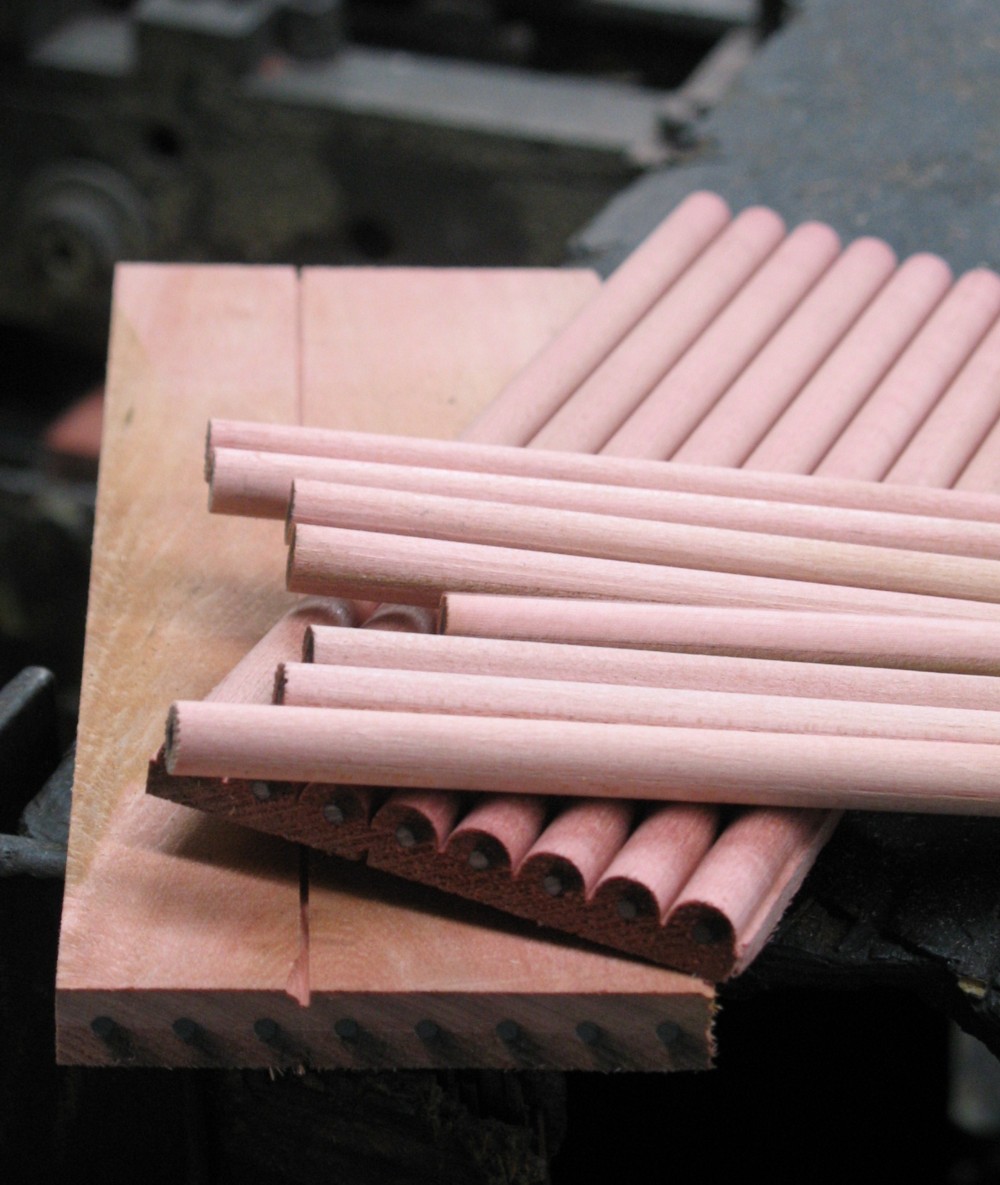
Now the two pieces of wood, glued together, are run through a series of milling machines that eventually turn the little pieces of wood into pencils.
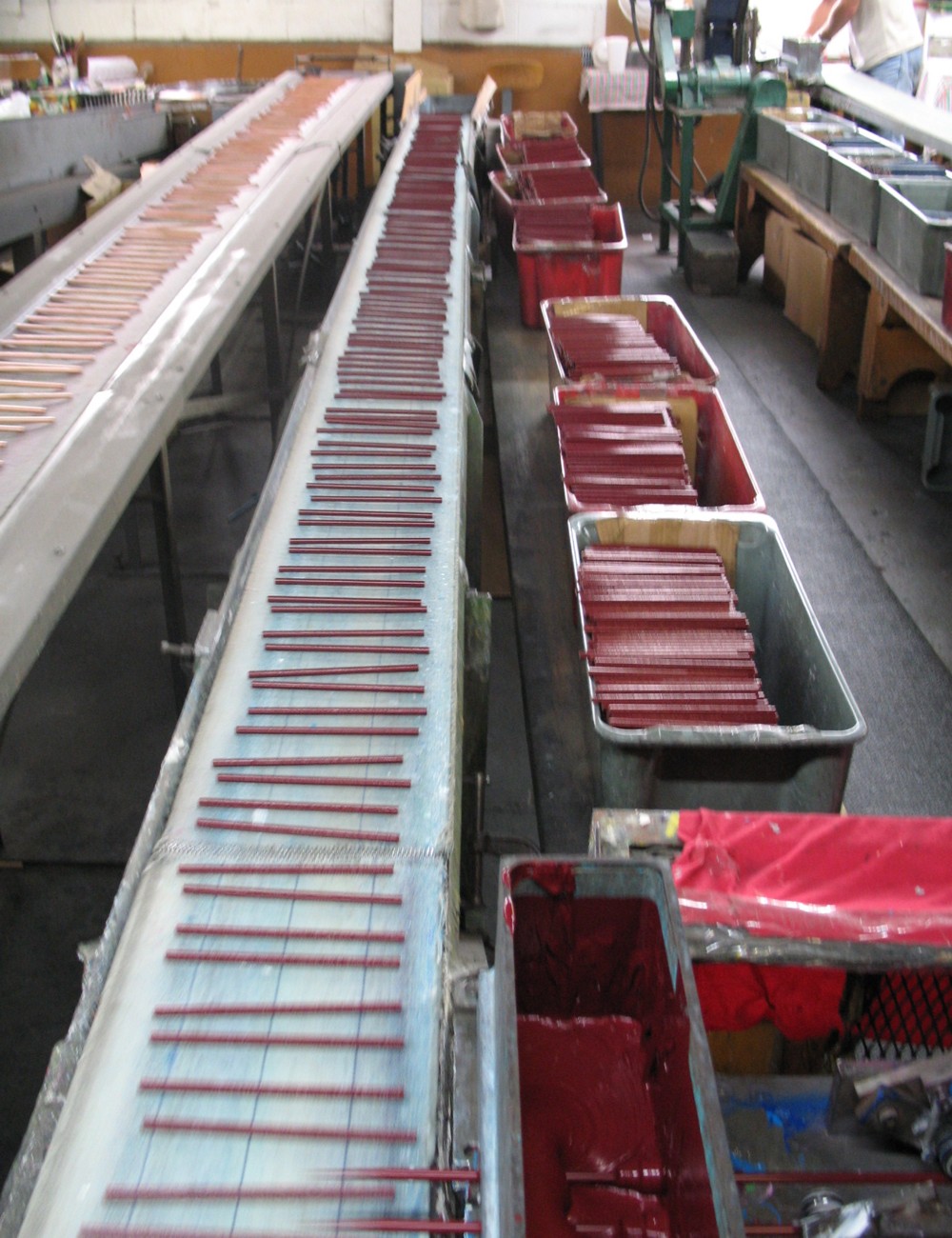
Pencils that have just been painted
Next the pencils are run through a machine that covers them with a thin layer of paint. The day we were there, we saw pencils being painted blue, orange, yellow and green.
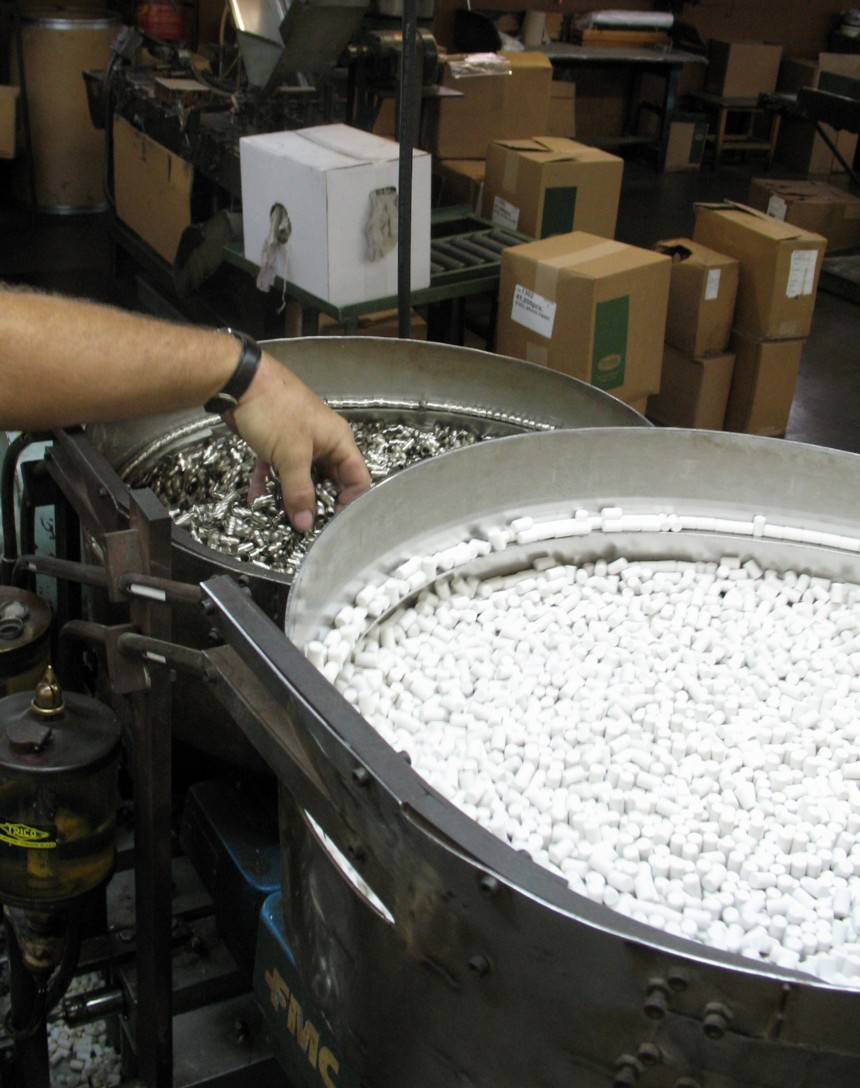
Lots of ferrules; lots of erasers
Then the pencils are fed through another machine that sticks a metal ferrule and an eraser on them (the ferrule is the metal ring holding the eraser).
There are a lot of erasers being put on pencils at the Musgrave Pencil Company. In fact, the Musgrave Pencil Company makes up to two million pencils PER WEEK!
Many of them are then fed into a machine that stamps something on the side of the pencil. Ones we saw had the words “I’m a drug free kid” stamped on the side of them.
The pencils are then boxed and they are ready to be shipped out!
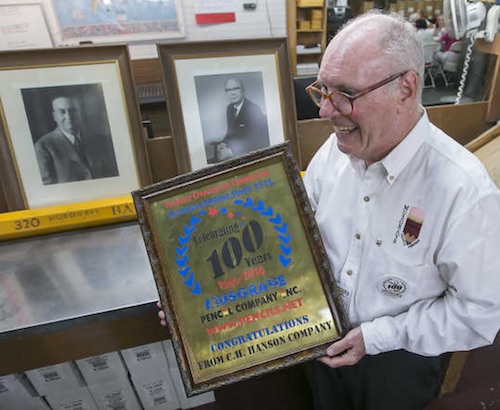
Henry Hulan, who used to be president of Musgrave Pencil, is the great grandson of James Musgrave (Musgrave Pencil photo)
Now you know how pencils are made; why many of them are were (and still are) made in Shelbyville; and how World War I led to Tennessee’s pencil industry.
If you would like to learn more about Musgrave and order some pencils made in Tennessee, click here.