Teacher’s Guide to Your Land, My Land (2027 edition)
Welcome to the teacher’s guide to the Tennessee History for Kids booklet Your Land, My Land [2027 edition].
Please do NOT copy the booklets. That is a violation of our copyright and makes it difficult for us to continue to exist. The reason we sell them for only $3.00 and use paper students can write on with a pencil is so teachers will not be tempted to copy the booklets.
If you have any comments about the booklet or would like the answers to the quiz questions in the booklet, please email Bill Carey at bill@tnhistoryforkids.org.

Mountains in the distance; plains up close (James Dignan photo)
Chapter One: Plains and Plateaus
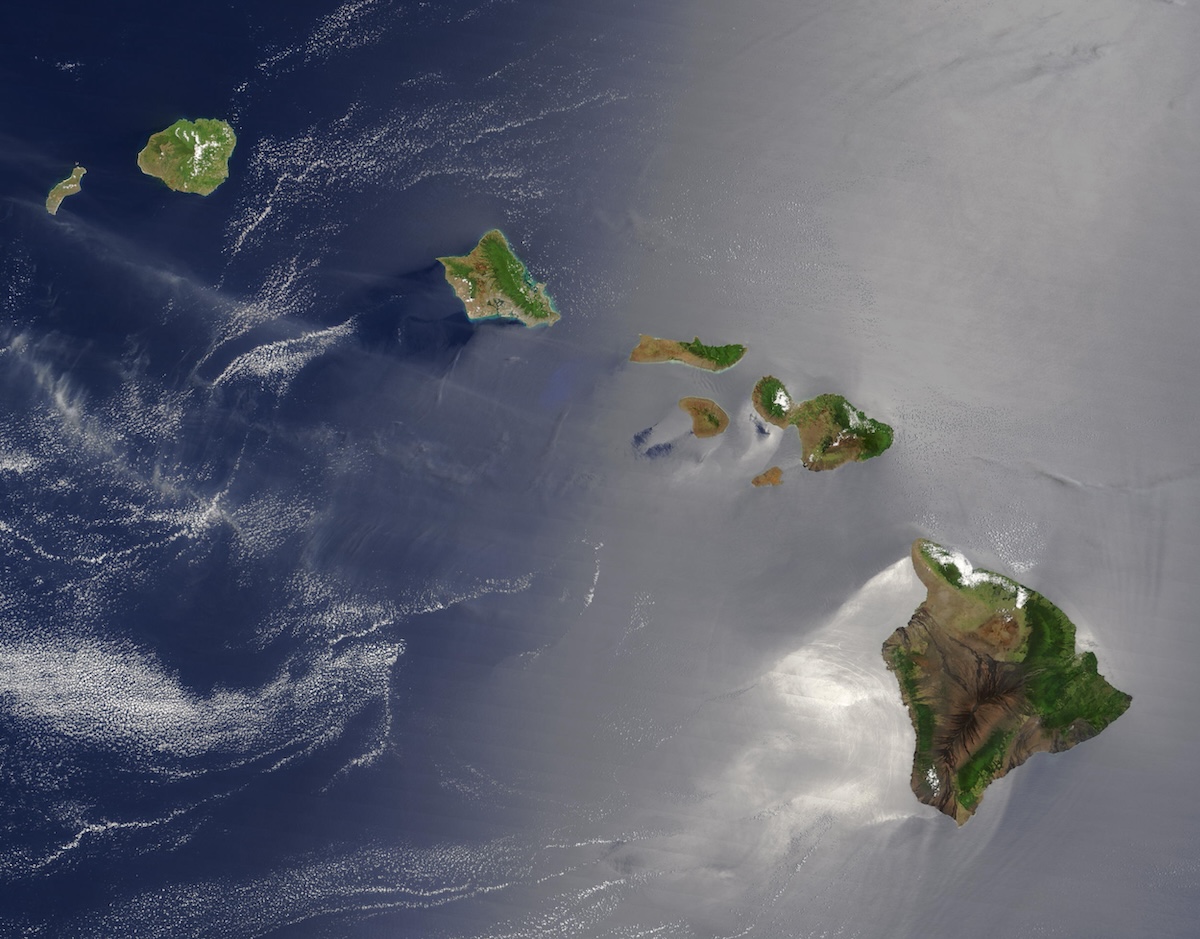
The island of Hawaii, seen from space (NASA image)
Standard 2.14: Compare physical features of the earth, including continent, island, peninsula, plain, plateau and valley.
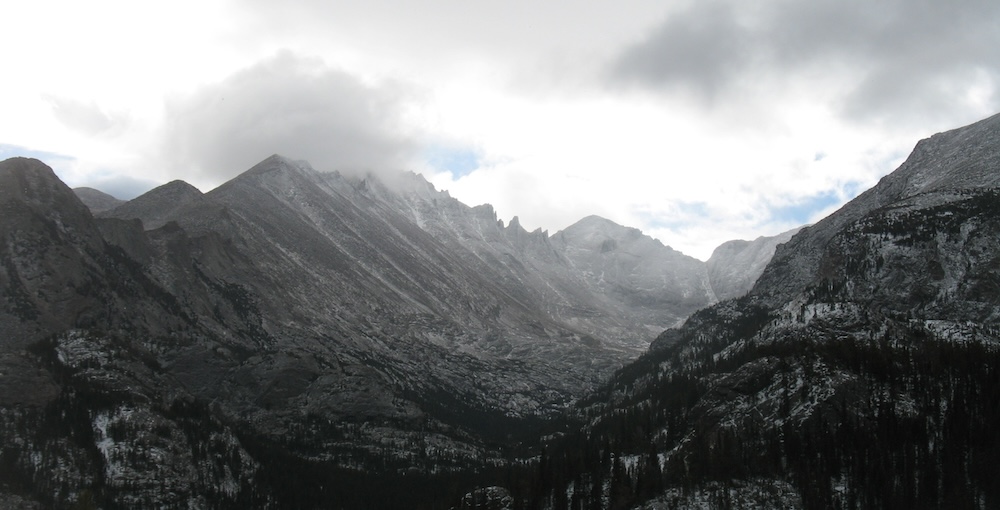
Mountains in Colorado as seen from a valley in Colorado
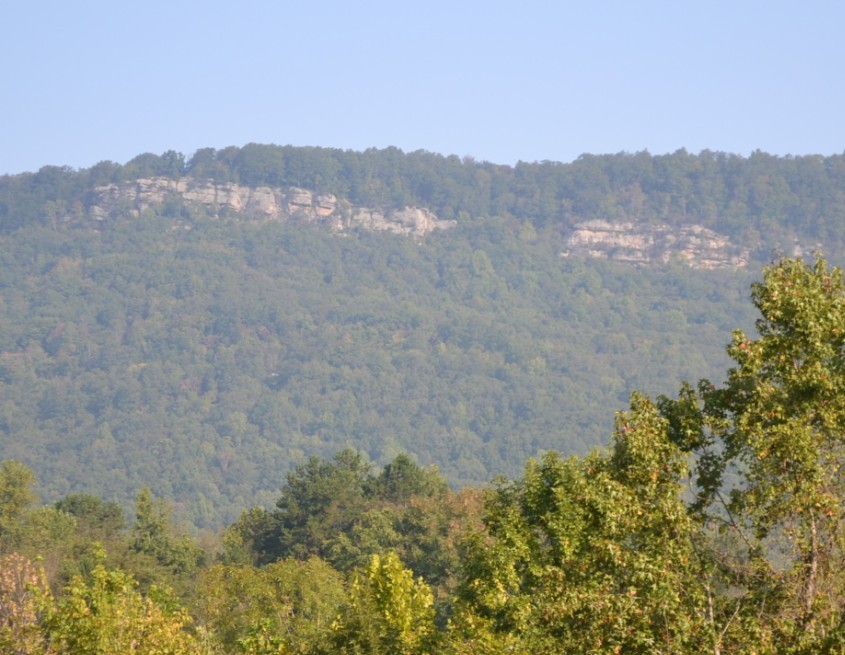
The Cumberland Plateau as seen from Roane County
Click on the left and right to see more photos the landforms listed in this chapter.
Chapter Two: Maps
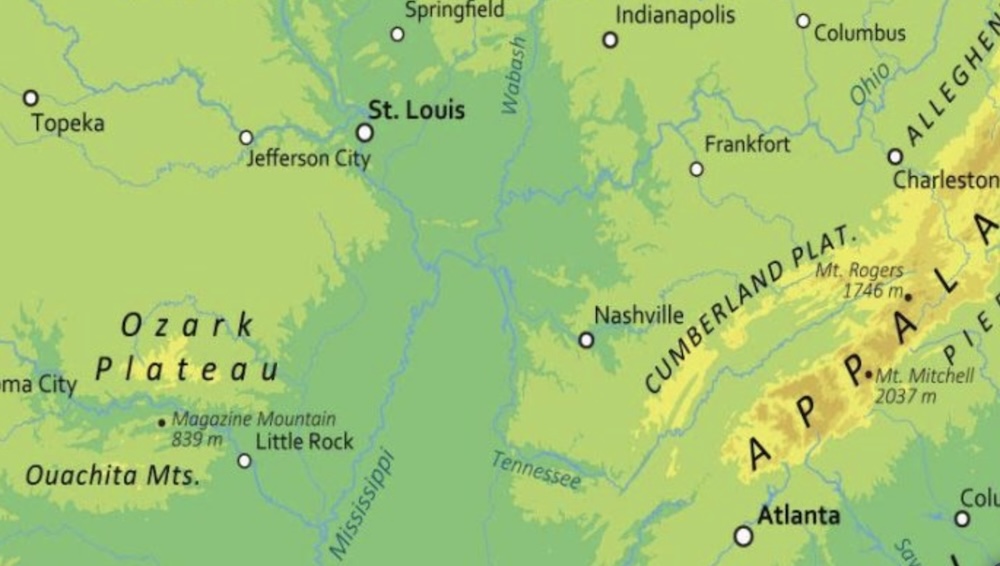
A physical map (GIS Geography image)
Standard 2.11: Recognize the difference between physical and political maps
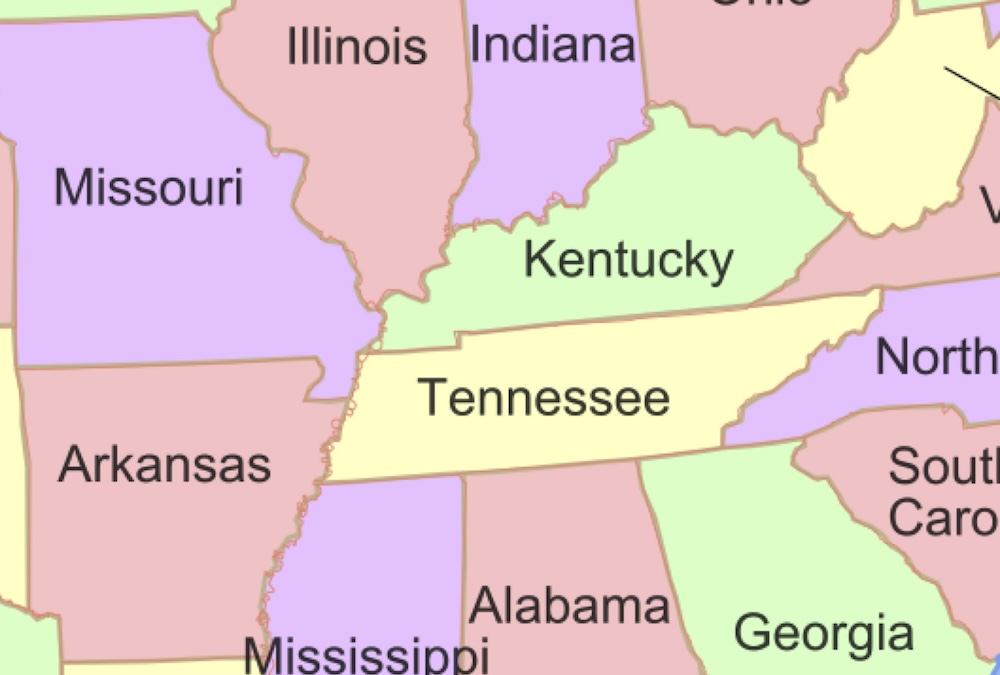
A political map (Wikipedia)
Standard 2.12: Use legends, the compass rose, and cardinal and intermediate directions to determine locations on physical and political maps.
Click on the right and left for two more examples of physical and political maps. This map shows the same part of the United States. The first one doesn’t show any state borders; and the second one doesn’t show any landforms or rivers.
Also, if you scroll down to Chapter 7 on this teacher’s guide, you will see a physical map of North America.
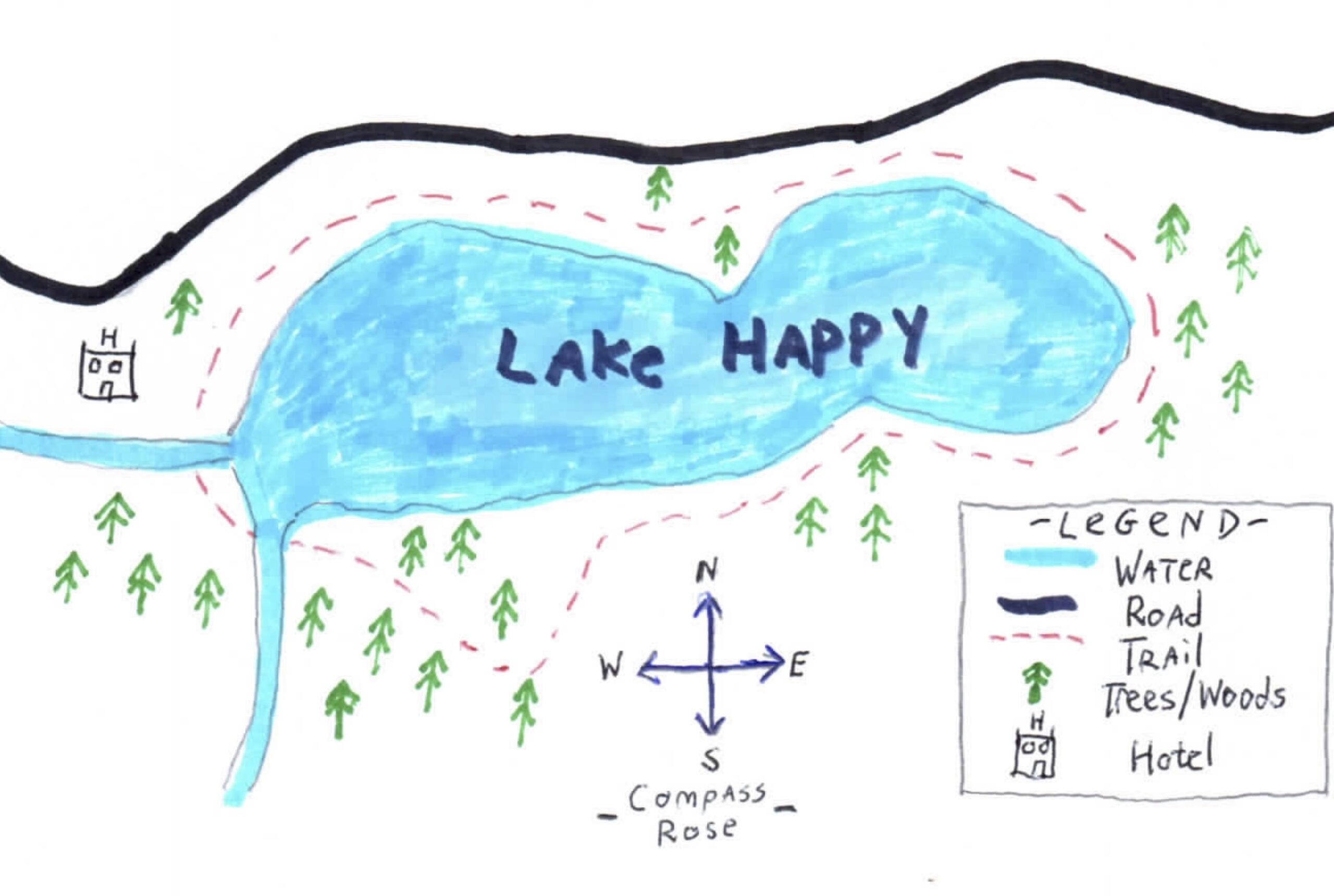
I spent more time that I’d care to admit creating this hand-drawn map of (fictional) Lake Happy.
I’m obviously not an artist or a cartographer!
Click on the image on the right to blow it up larger.
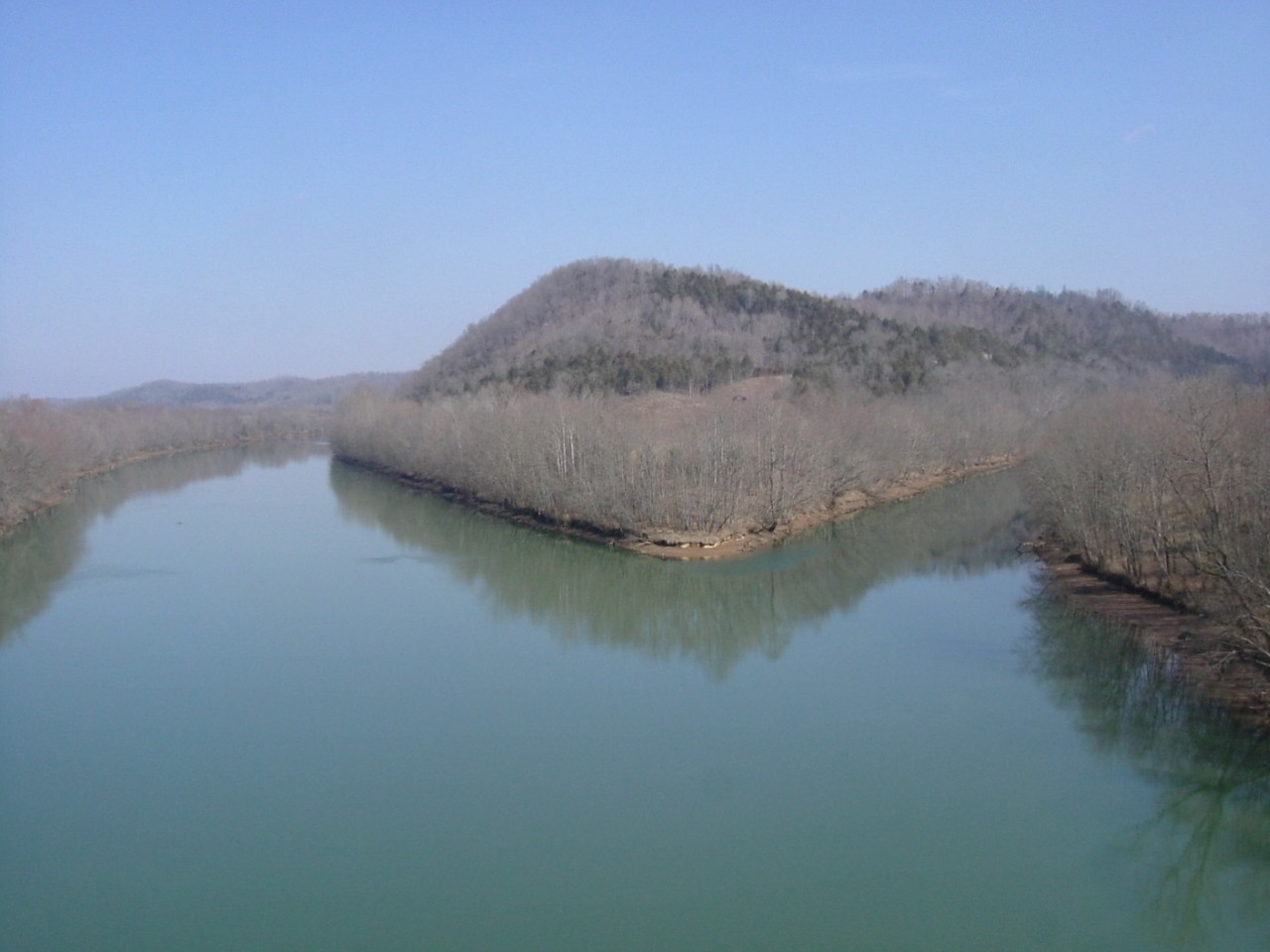
The Cumberland River in Clay County
Chapter Three: Rivers
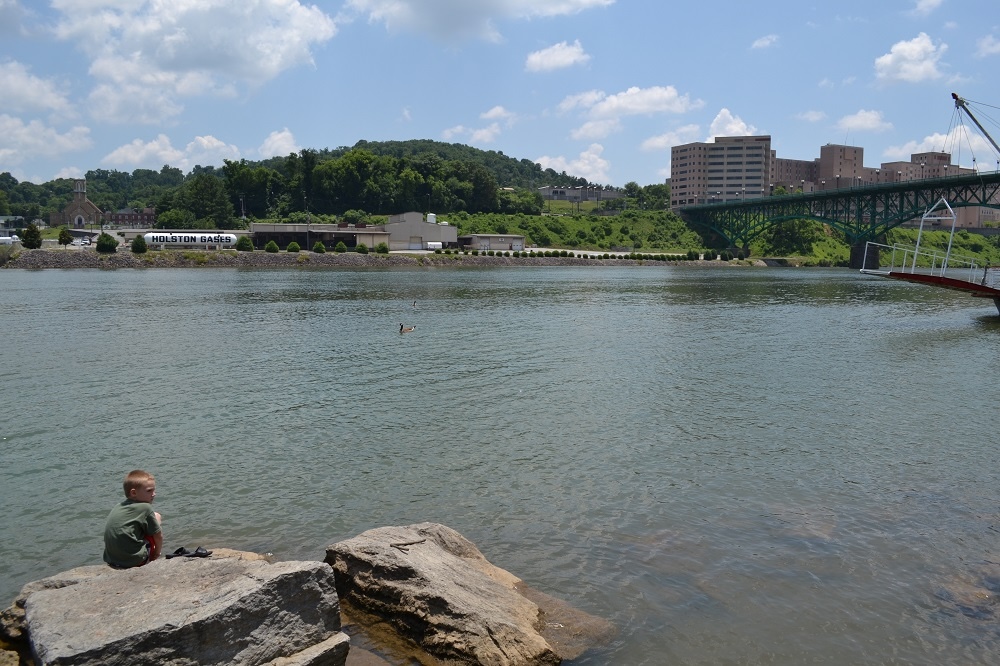
The Tennessee River as seen from Knoxville
Standard 2.16: Locate on a map the following physical features in Tennessee: Cumberland, Tennessee and Mississippi Rivers
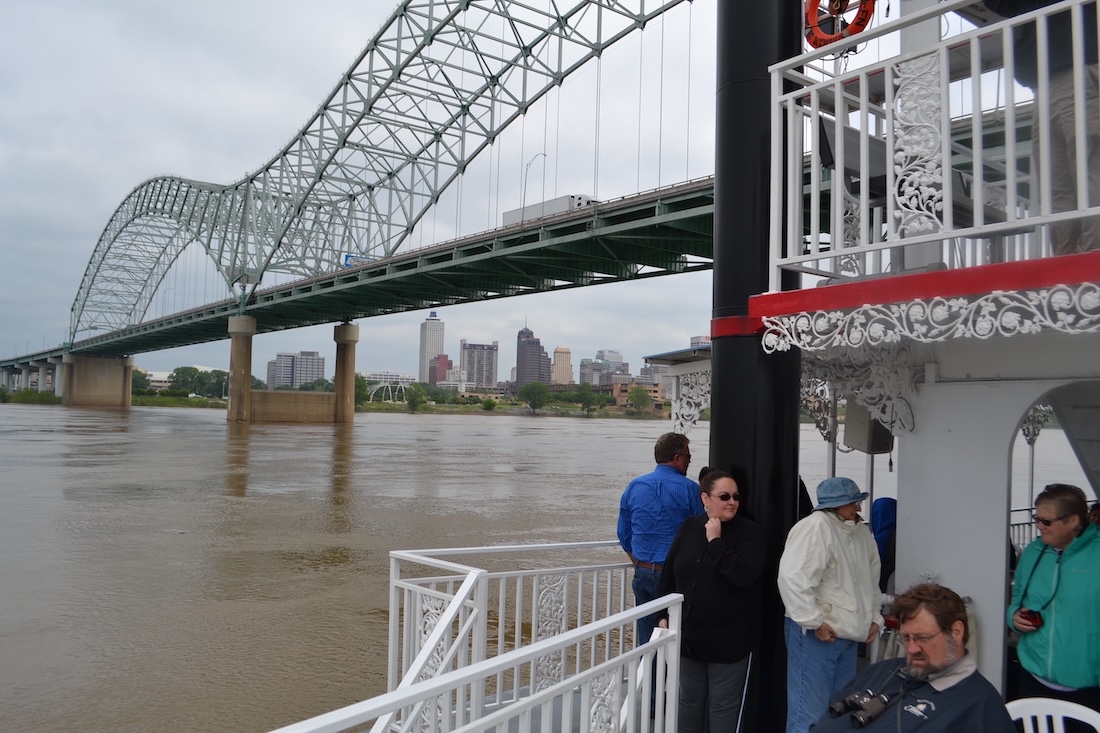
The Mississippi River in Memphis, as seen from the deck of a riverboat
Here, on the left and the right, are more photos of the Cumberland, Tennessee and Mississippi Rivers.
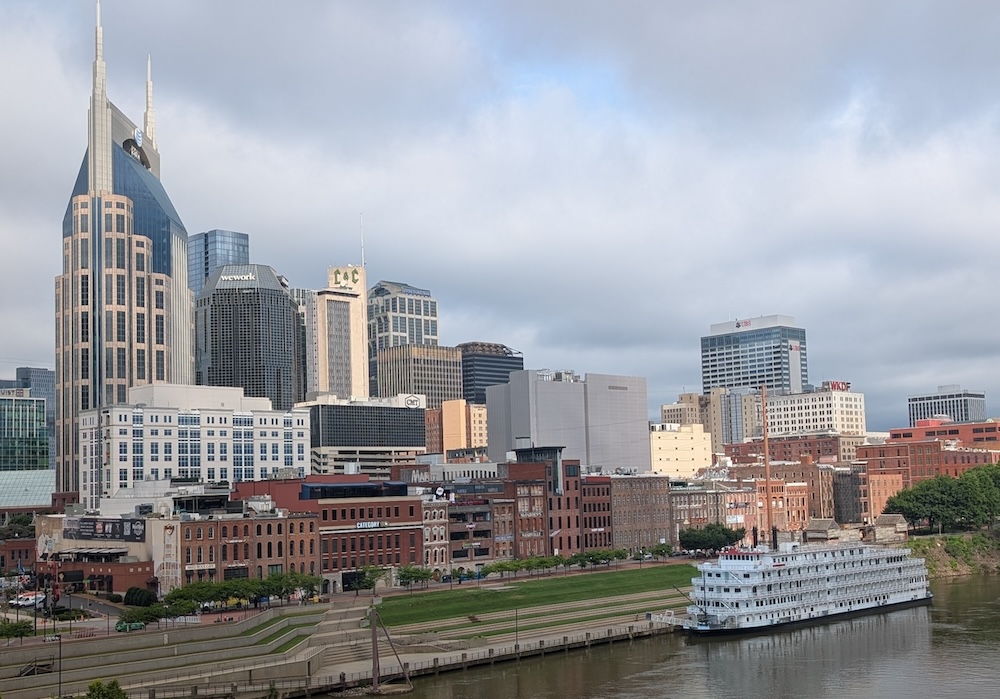
Nashville, on the Cumberland River
Chapter Four: Cities

A football game at the University of Tennessee (Mark Finchum photo)
Standard2.16: Locate on a map the following cities in Tennessee: Chattanooga, Knoxville, Memphis, Nashville
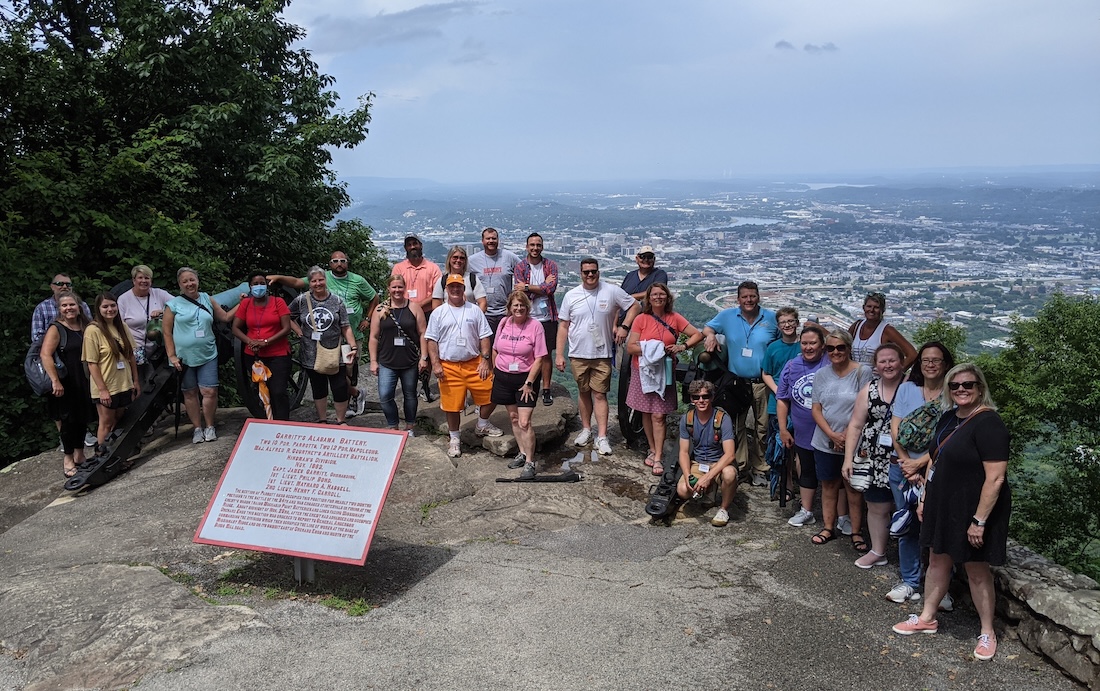
Here, on the left and the right, are photos from this chapter. Click on them to make them much larger.
SIDEBAR: Tennessee Map
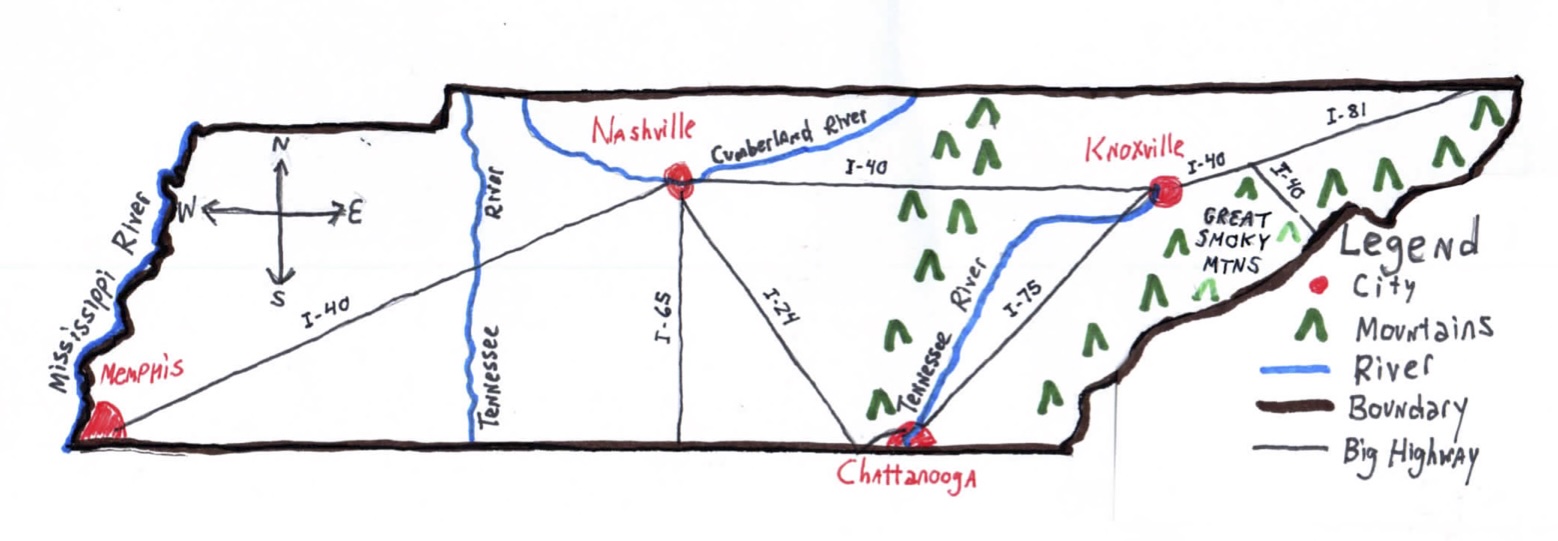
Standard 2.12: Use legends, the compass rose, and cardinal and intermediate directions to determine locations on physical and political maps.
Standard 2.16: Locate on a map the following cities and physical features in Tennessee: Cities (Chattanooga, Knoxville, Memphis, Nashville); Rivers (Cumberland, Mississippi, Tennessee; Mountain Range (Appalachian Mountains, including the Great Smoky Mountains)
Chapter Five: Neighbors
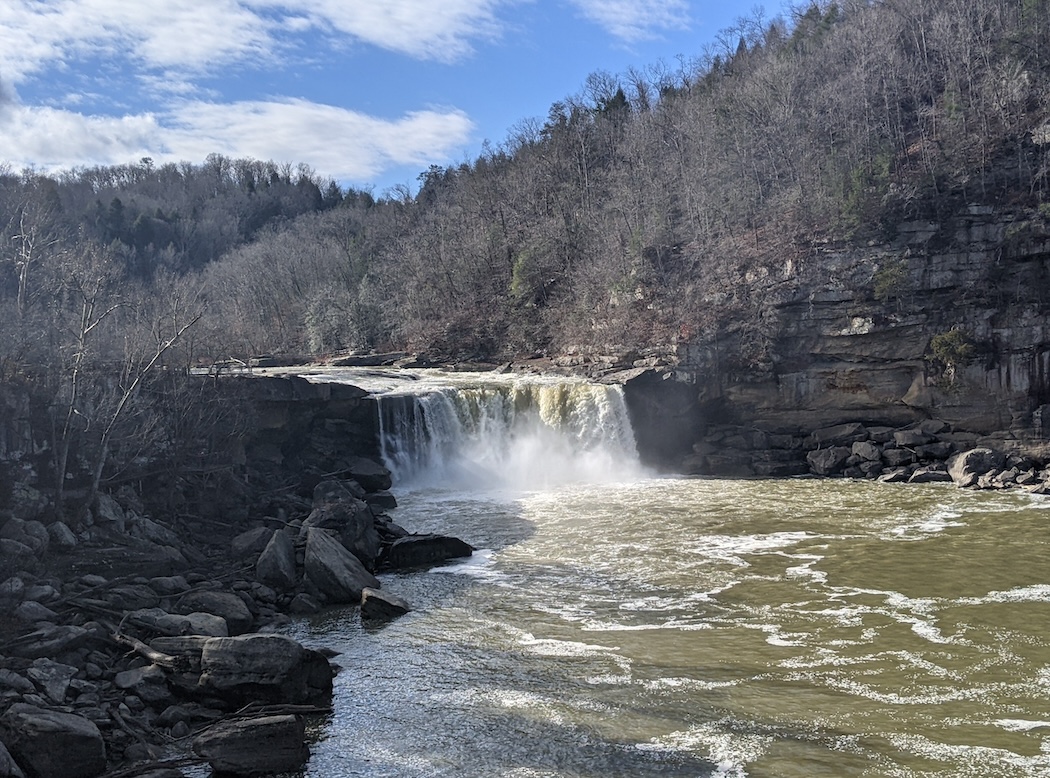
Cumberland Falls, in Kentucky

The Space and Rocket Center in Huntsville, Alabama
Standard 2.17: Locate on a map the eight[s] states the border Tennessee (Kentucky, Virginia, North Carolina, Georgia, Alabama, Mississippi, Arkansas, Missouri).
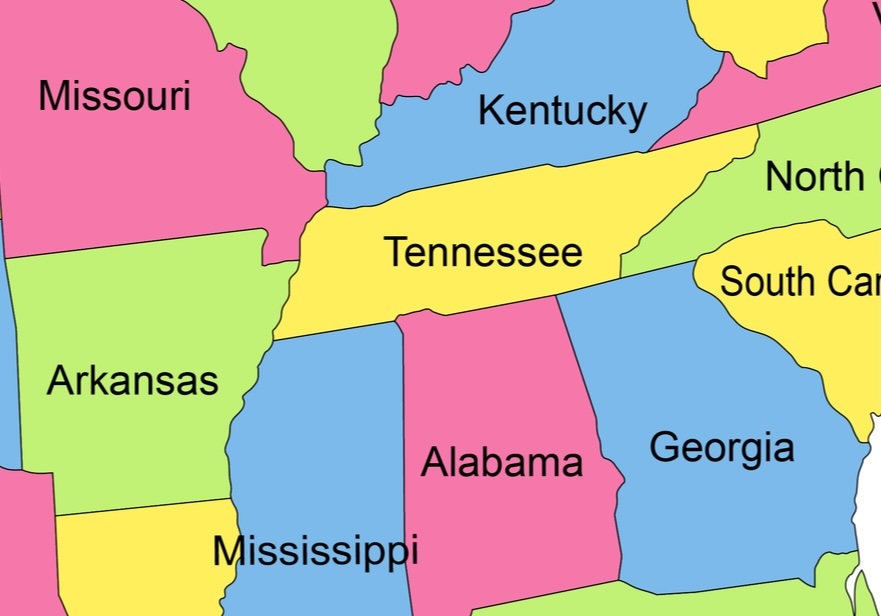
Click on the images on the right and left to see them much larger.
Chapter Six: The Globe
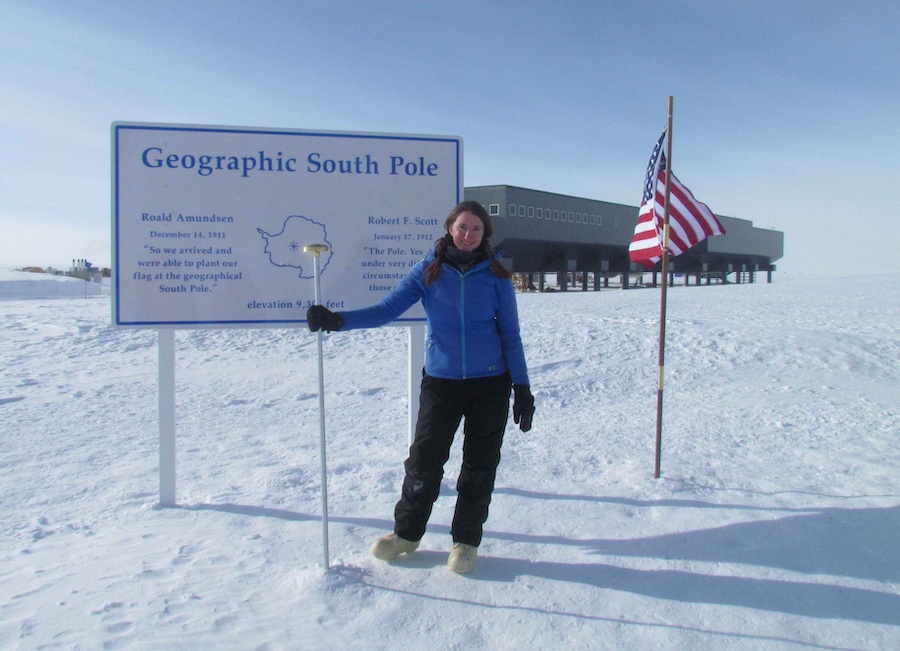
Antarctic Search for Meteorites Program/Katherine Joy photo
Standard 2.10: Compare how maps and globes depict geographical information in different ways
Standard 2.13: Recognize the differences between physical and political maps
I STRONGLY recommend that elementary school teachers all purchase at least one blow-up globe of Earth. They are inexpensive, educational and fun!
Click here to learn what its like to spend the night in a tent in Antartica with one of the scientists such as Katherine Joy, pictured on the right.

Here you can see North and South America on a globe (Martin 23230 image)
Chapter Seven: Home Continent

A physical map of North America (Tom Patterson/Wikipedia)
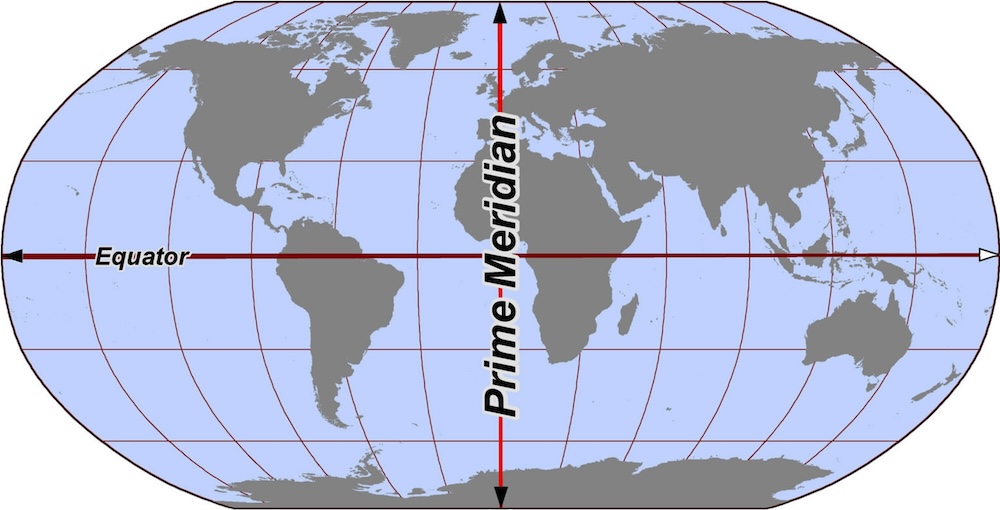
Standard 2.13: Identify and locate on a map the four hemispheres, as defined by the boundaries created by the equator and prime meridian, including the locations of North and South American in the western hemisphere.
Chapter Eight: Constitutions and Branches
Standard 2.18: Recognize that the United States has a constitution, which is the basis of our nation’s laws.
Standard 2.19: Recognize that Tennessee has a constitution, which is the basis of our state’s laws.
Standard 2.20: identify the three branches of U.S. government (i.e. legislature, executive and judicial) and their popular names (i.e., Congress, the president and the Supreme Court.)
Click here for an online section on Tennessee state government which you might find useful.
 Chapter Nine: A Free Country
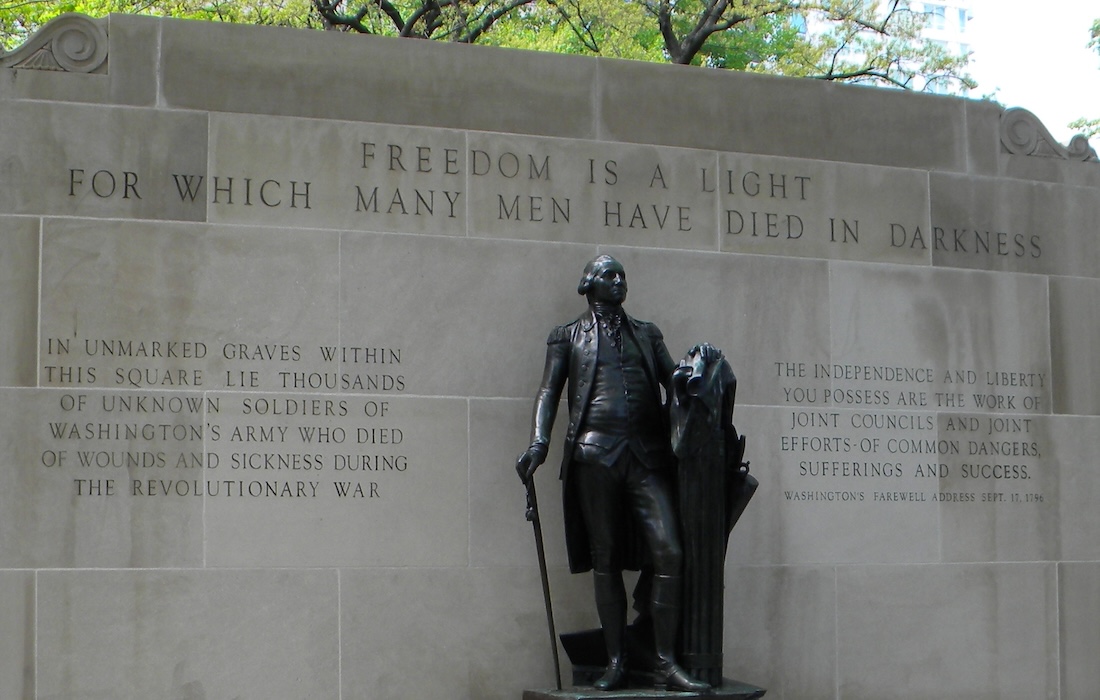
Standard:
2.21: Recognize that our nation makes laws and there are consequences for breaking them.
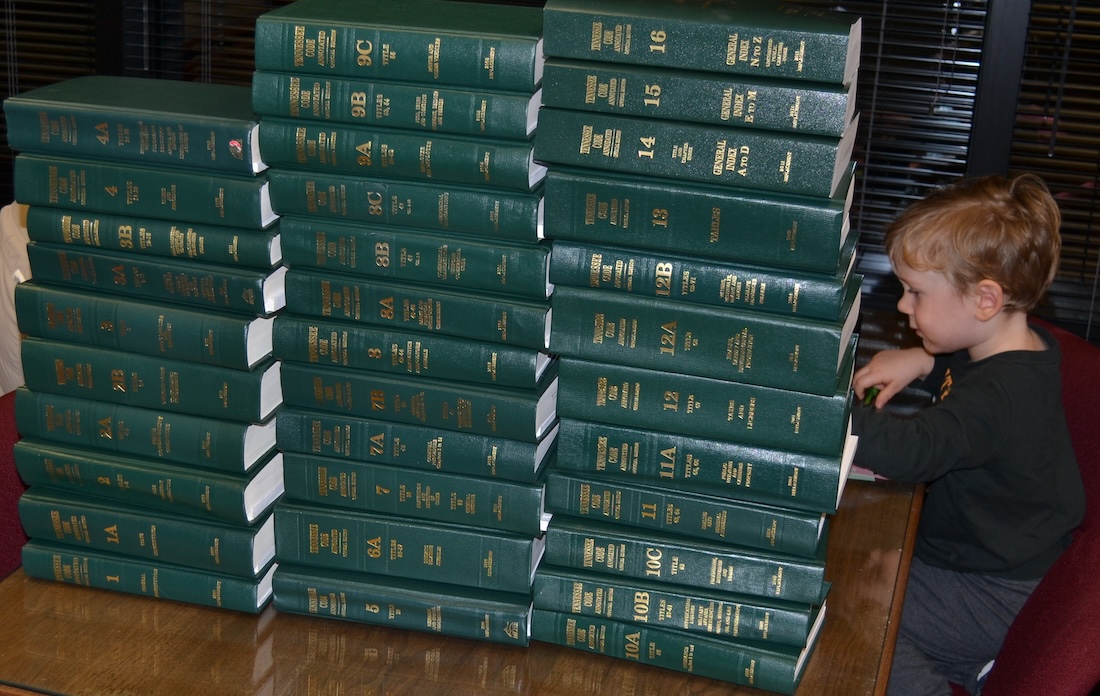
It took us a long time to take all the Tennessee law books off the shelf at the law firm and stack them up in this manner!
If you didn’t go to law school or haven’t been part of a law-making body, you may not have had much exposure to just how complicated laws can be.
Here is an interesting exercise you might do with your students: See if, working together, your classroom can come up with the wording of the law that would require students to attend school in Tennessee.
Now click here to see what the law actually says.
Chapter 10: Rights and Responsibilities
Standard 2.22: Identify the rights and responsibilities of U.S. citizens (e.g., voting, paying taxes, following laws)
Standard 2.24: Identify principals of the American constitutional republic, including equality, fair treatment for all, the right to vote, and respect for the property of others.
Here are other photos of people doing volunteer work in Tennessee:
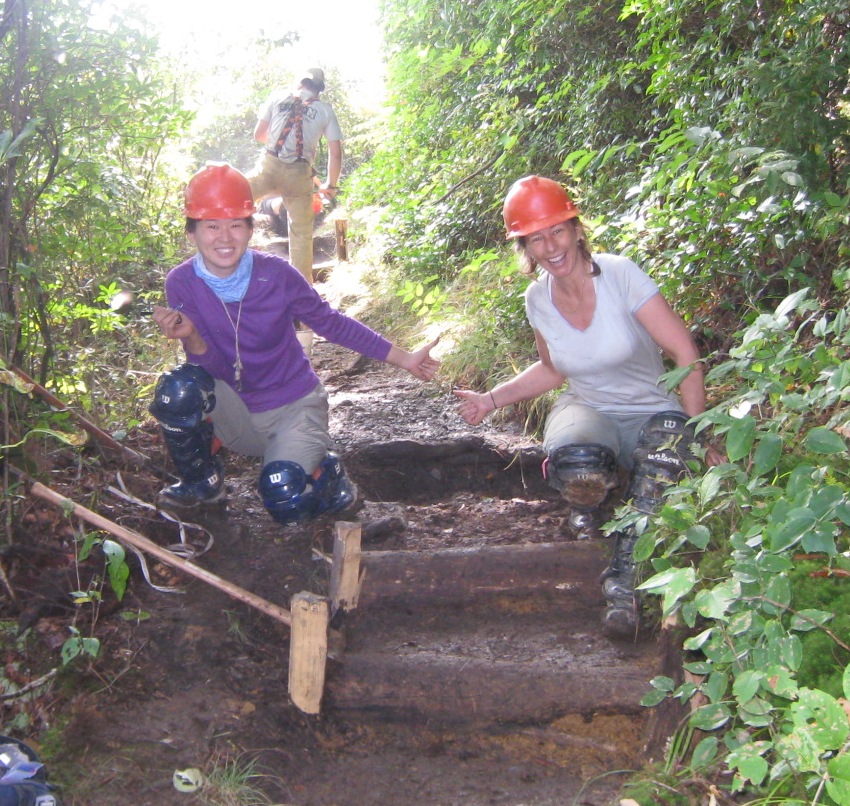
Photo: App. Trail Conservancy
On the left are volunteers working on the Appalachian Trail, somewhere in East Tennessee
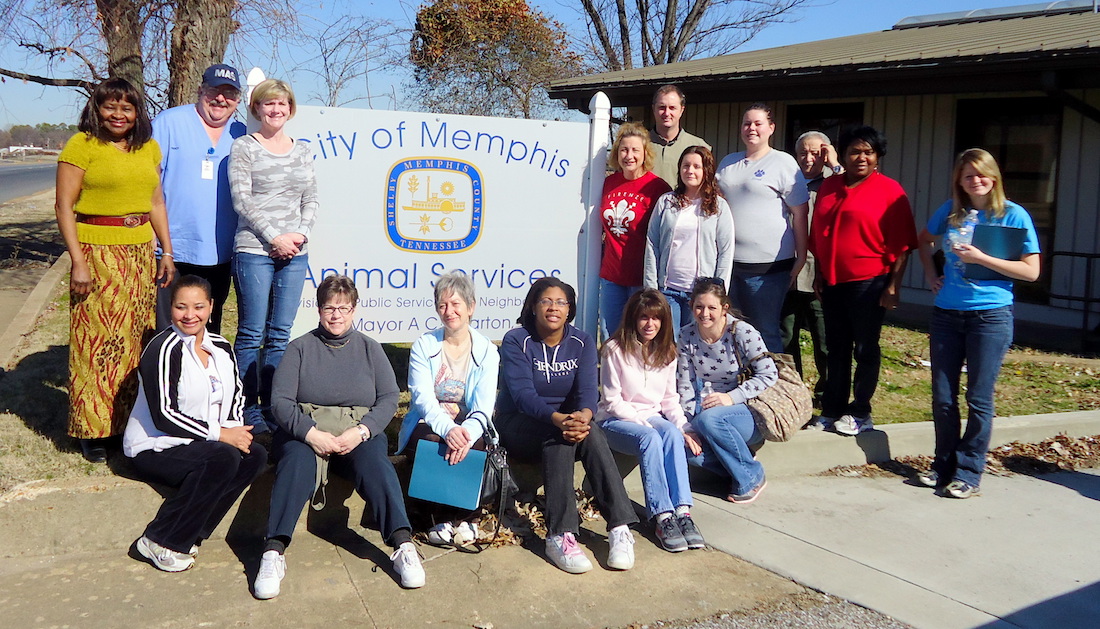
Memphis Animal Shelter photo
On the right are volunteers who have done work at the Memphis animal shelter

Second Harvest Food Bank photo
To the left are people who have just done volunteer work at the Second Harvest Food Bank in Nashville
Just remind your students of this: “Volunteer” is not just a nickname, and it is not just the mascot of sports teams from the University of Tennessee. It is a reflection of the culture of Tennessee. If people don’t volunteer, they aren’t passing on this culture, and we might as well be another state.
Chapter 11: Common Ground
Standard 2.01: Compare and contrast beliefs, customs, ceremonies and traditions of various cultures represented in the United States
Standard 2.02: Distinguish how people from various cultures in the students’ community and nation share principles and common goals
In this chapter, I mention several examples of Tennessee culture which are unique and celebrated. There are many others.
Here are a few other examples of cultures which are uniquely celebrated in Tennessee:

A fainting goat at the festival in Lewisburg
The Fainting Goat Festival in Marshall County (now called Goats, Music and More).
Mule Day, in Columbia
The National Storytelling Festival in Jonesborough
The Southern Festival of Books in Nashville
The Scots-Irish Festival in Jefferson County
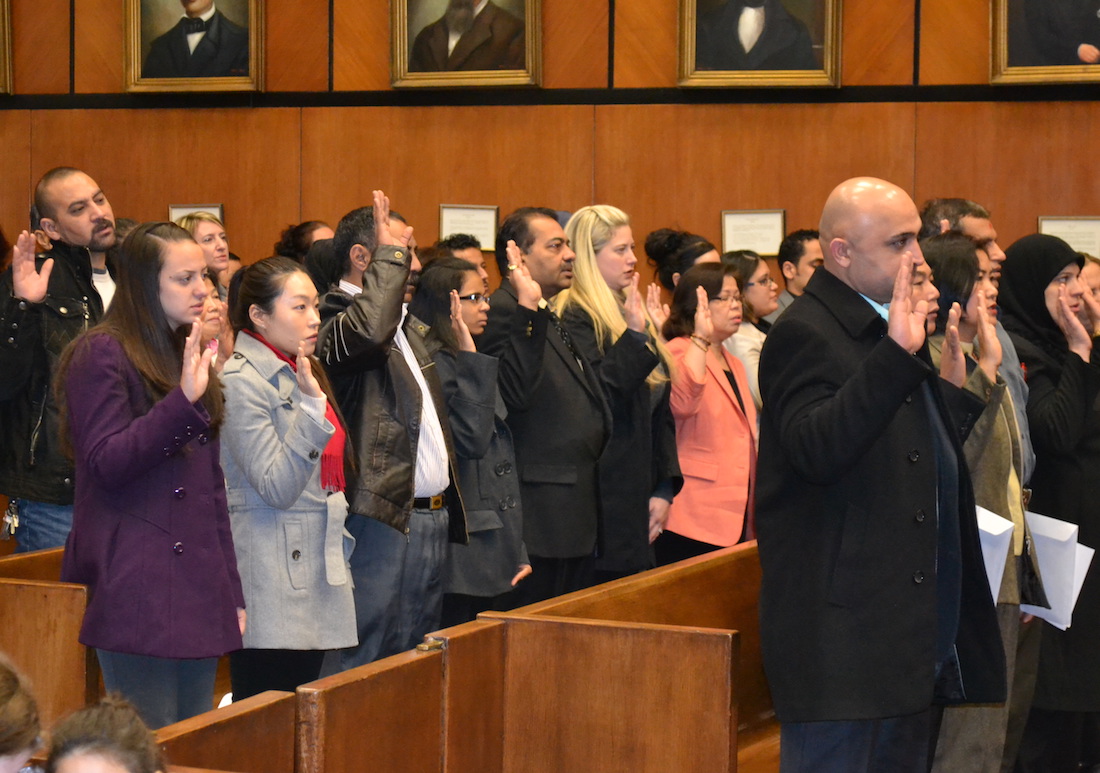
THFK photo
Sidebar: New Citizens
Standard 2.23: Identify the ways one becomes a U.S. citizen (e.g., by birth or naturalization).
Here are some more photos from a naturalization ceremony.
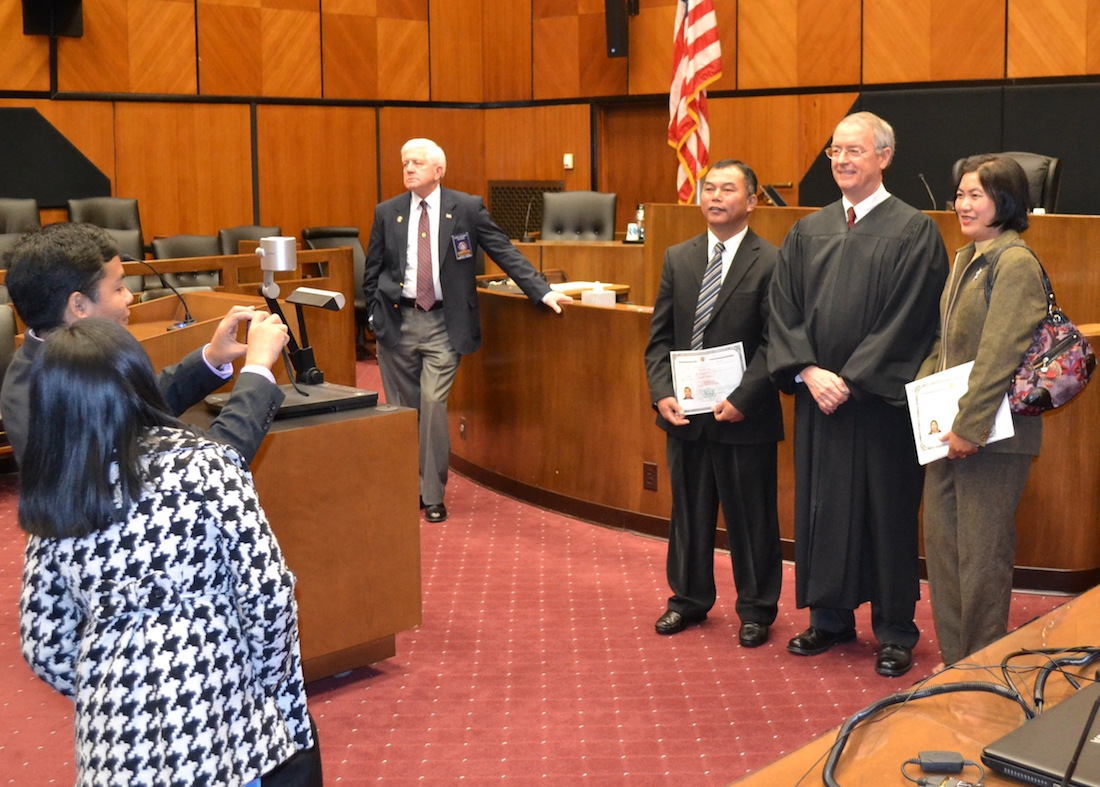
THFK photo
This ceremony took place at the federal building on Broadway in Nashville, and all photos were taken by Tennessee History for Kids.
I think public school students should, at some point, attend a naturalization ceremony.
It’s also worth pointing out that there is now a law in Tennessee that requires students to take, and pass, a citizenship test equivalent to the one that naturalized citizens take.
Most school systems require their 12th grade government teachers to give some version of this test.
Chapter 12: Budgeting

Standard 2.09: Explain that budgets can be used to ensure needs are met and financial goals are achieved.
The toy store photographed on page 62 is Phillips Toy Mart in Nashville–one of the last locally owned toy stores in Tennessee.

If you take a child into Phillips Toy Mart, it’s hard to walk out with the same amount of money you walked in with!
If you’d like to tease your students, feel free to click on the images to right and left.
Chapter 13: We Consume, We Demand
Standard 2.03: Examine different types of producers and consumers in the United States
Standard 2.06: Define the concepts of supply and demand.
The woman photographed on page 65 worked for the Musgrave Pencil Company in Shelbyville. Click here to take a virtual tour of this factory.
SIDEBAR: Getting the Word Out
Standard 2.05: Explain why and how industries and/or businesses in the United States advertise to sell a product or service
Chapter 14: Industries and Exports
Standard 2.04: Recognize major U.S. industries and their products, including agriculture, manufacturing, tourism and transportation.
Standard 2.07: Differentiate between imports and exports.
Standard 2.08: Describe how imports and exports help to meet the needs of people in the United States
Here’s a way to help your students learn to draw some conclusions about working conditions, industry and past and present, all at the same time:
Here are ten photos–all of which show people working in industry. Most of them were taken in Tennessee.
Some of them WERE color photos, but we have taken the color out.
Some of these photos were taken during the last 40 years. Some of them were taken more than 100 years ago.
See if your students can figure out which photographs fall into which category.

Little River Lumber Co. museum photo
On the right, the Little River Lumber Company removing lumber from Great Smoky Mountains in Blount County, early 1920s
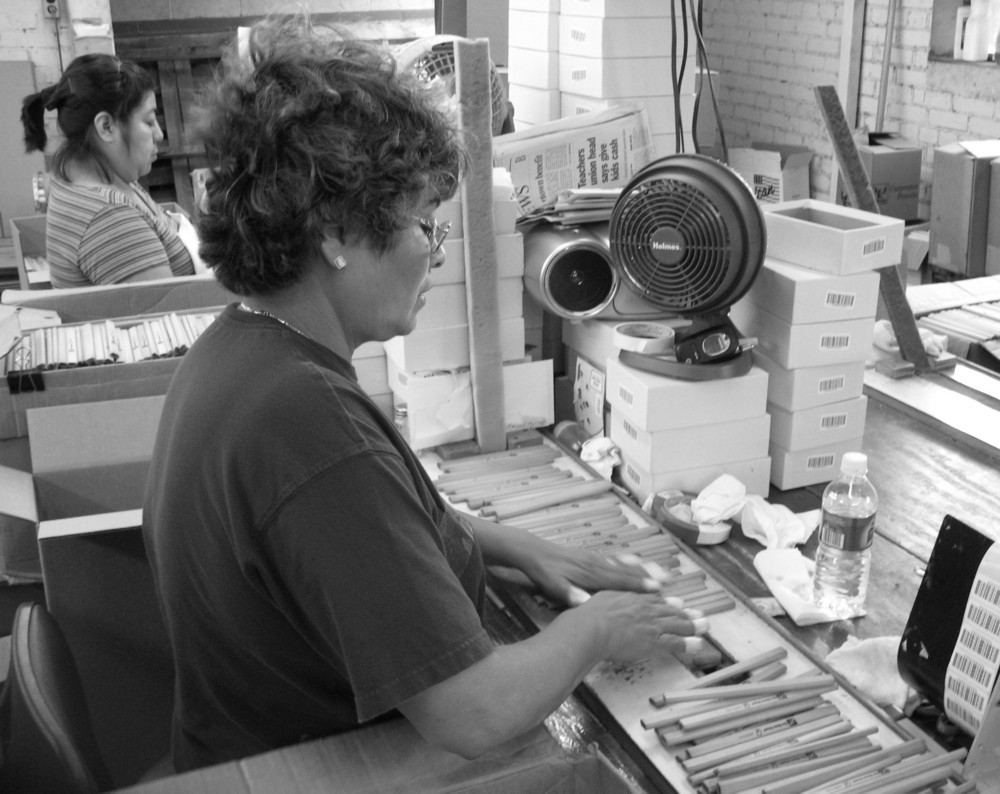
On the left, workers at the Musgrave Pencil Company in Bedford County, 2006
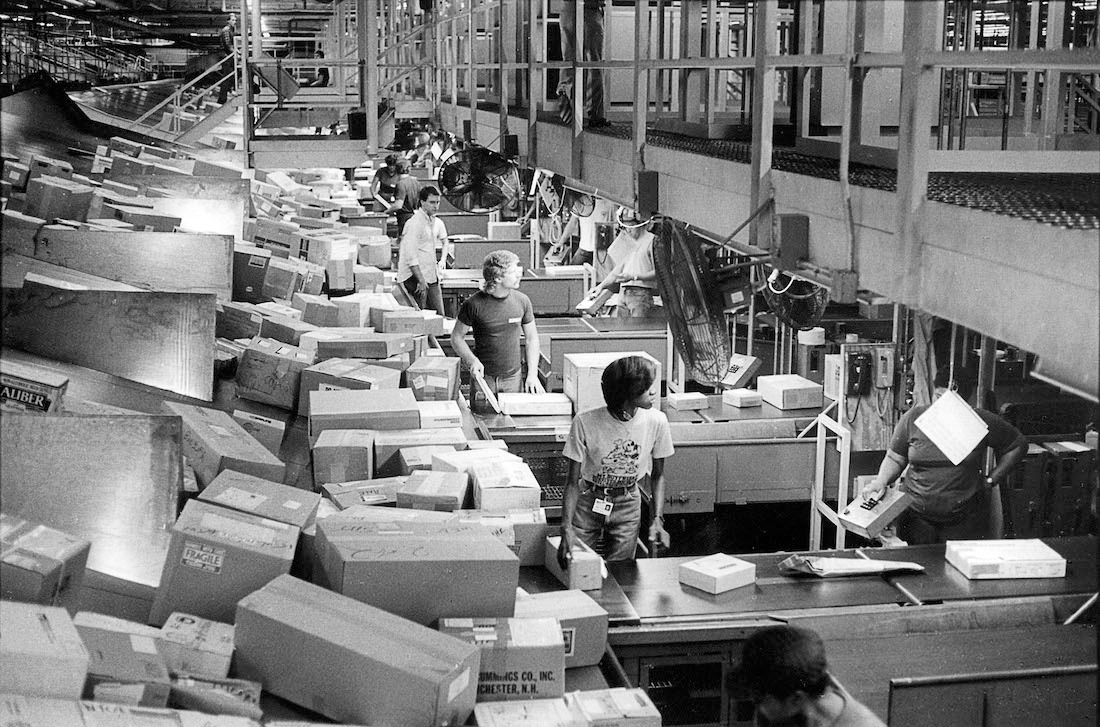
Federal Express photo
On the right, Federal Express workers in Memphis, 1970s

Volkswagen photo
On the left, a man working at the Volkswagen Assembly Plant in Chattanooga, around 2015
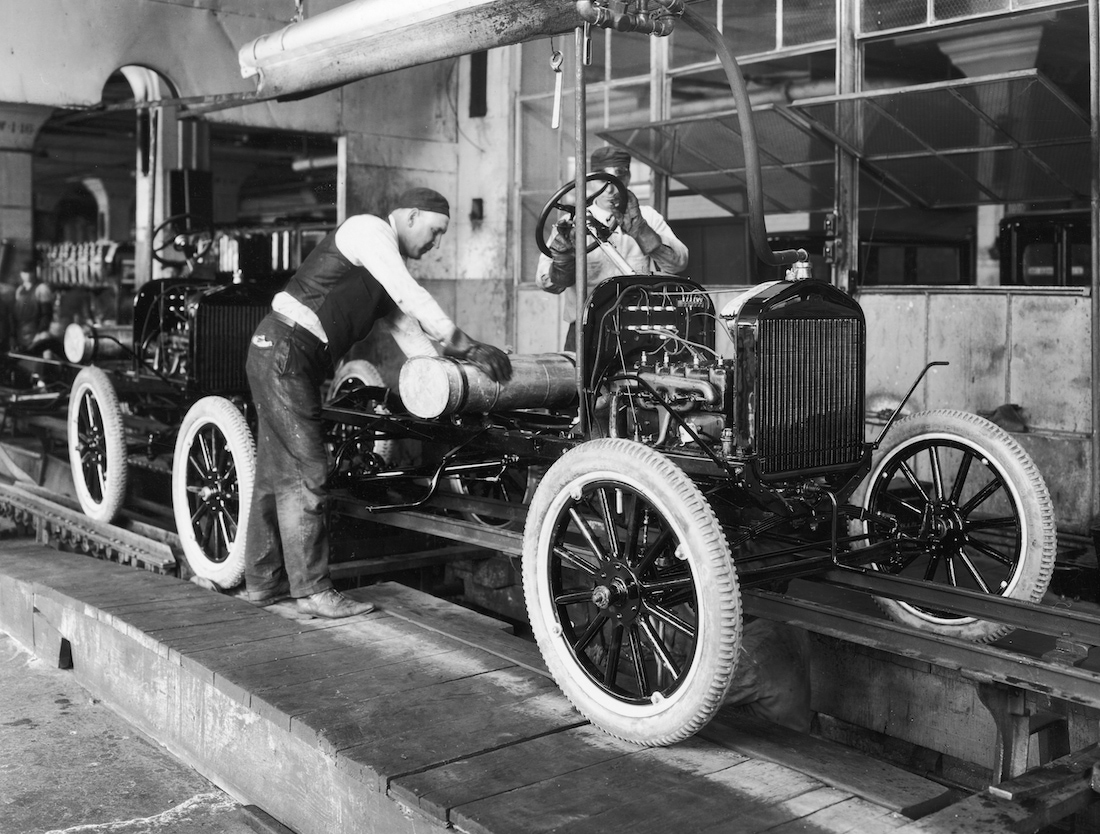
Library of Congress photo
On the right, Ford Motor Co. Assembly Line in Detroit, Michigan, around 1910
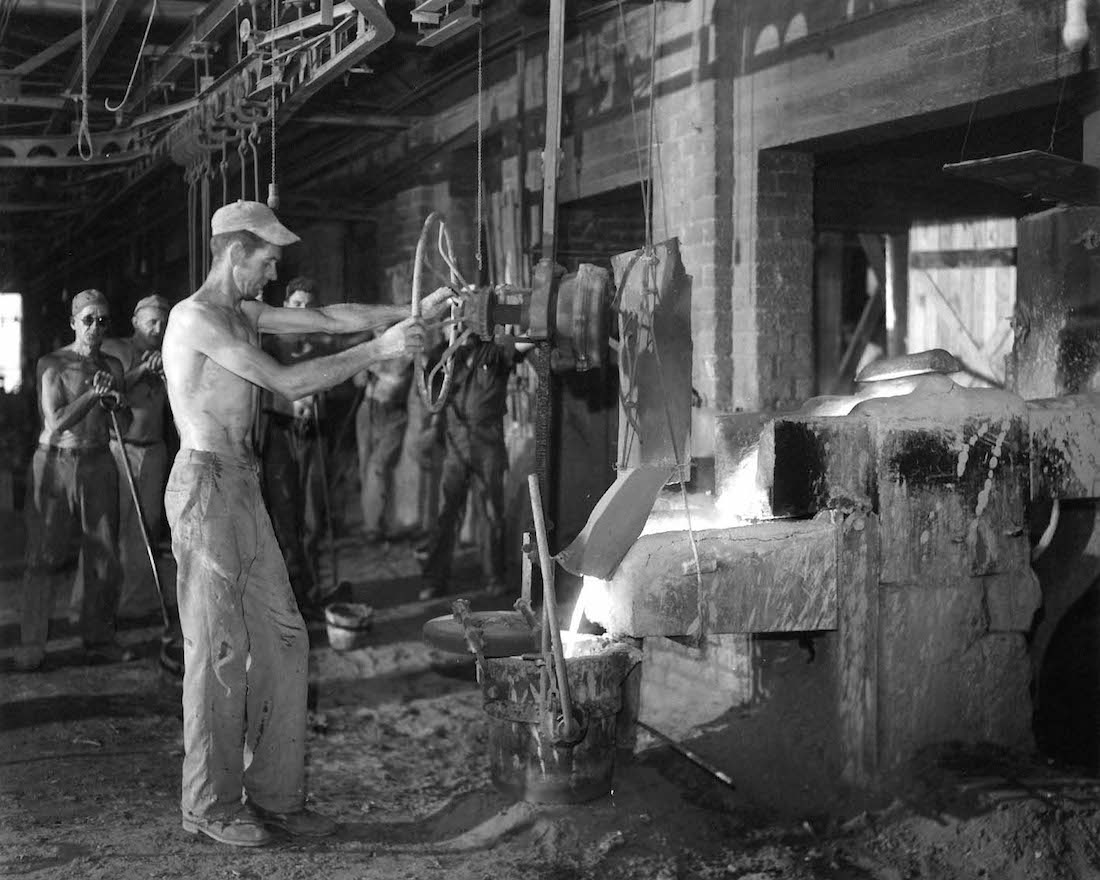
TN State Library and Archives photo
On the left, workers at the Athens (Tennessee) Stove Works, 1952
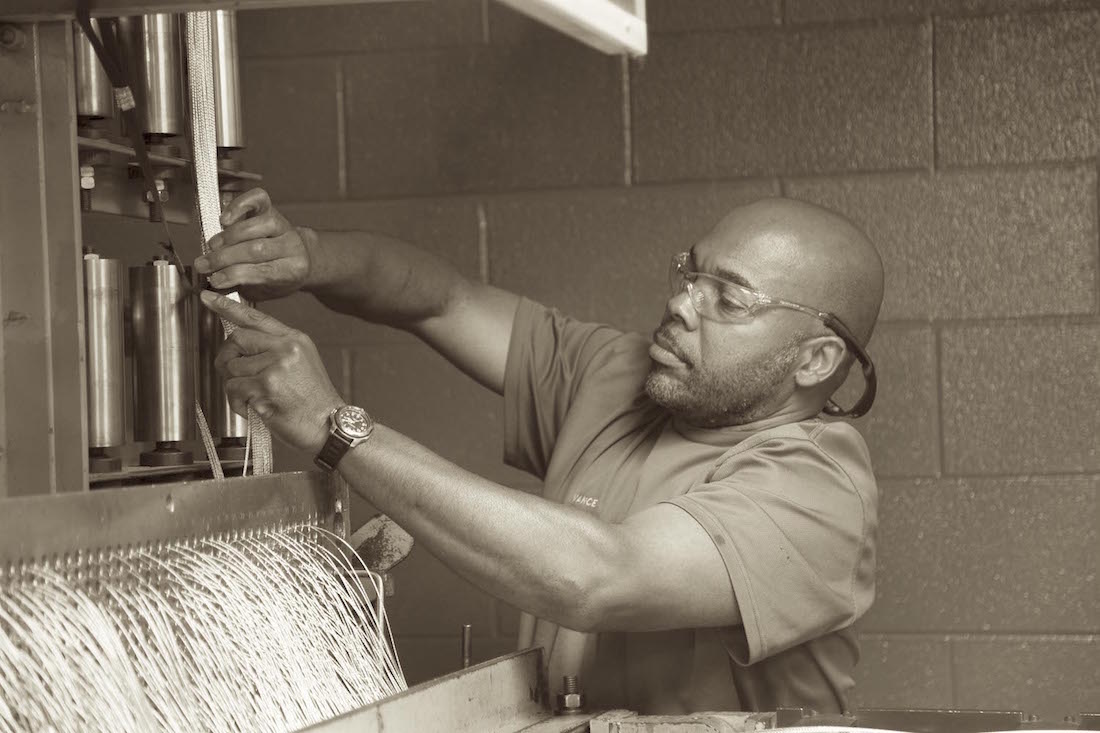
Bridgestone photo
On the right, Bridgestone worker at the Warren County tire plant, around 2015

Lewis Wickes Hines photo/LOC
On the left, the Elkton Cotton Mills in Fayetteville, around 1912
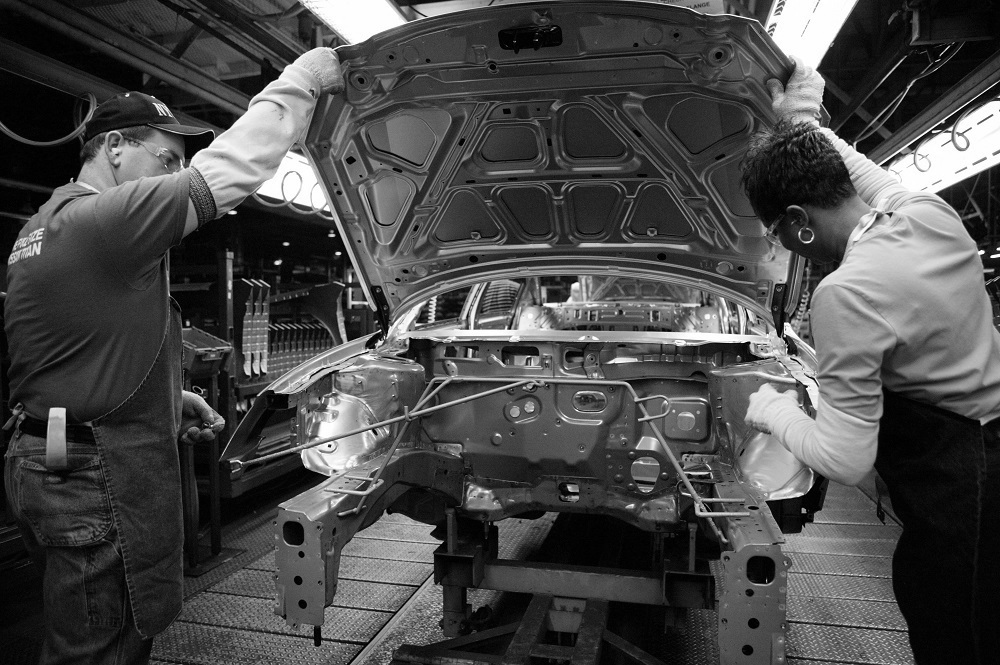
Nissan photo
On the right, workers at Nissan in Rutherford County, 2010
It’ll be very interesting to see what things the students notice. For instance, many present-day workers wear safety goggles and have electrical appliances and equipment at their disposal. The Elk Cotton Mills photo shows children working at the factory.
Chapters 15: Decades, Centuries
Standard 2.28 Analyze and interpret events placed chronologically on a timeline using years, decade and centuries.

TN State Library and Archives photo
The photo on page 78 is one of the most interesting I’ve ever seen that depicts was life was like in rural West Tennessee in the late 1800s. It came from the TN State Library and Archives, and, according to the archives, depicts the family of L. Lee Marshall in the community known as Gift near Covington in 1895.
If your students look carefully at this photo, they will notice things that reflect how times have changed — including how people are dressed, the home-made stroller, the horse and buggy and the lack of grass in the yard. They may also notice that although the way people LOOK has changed in the last 130 years, dogs look the same!
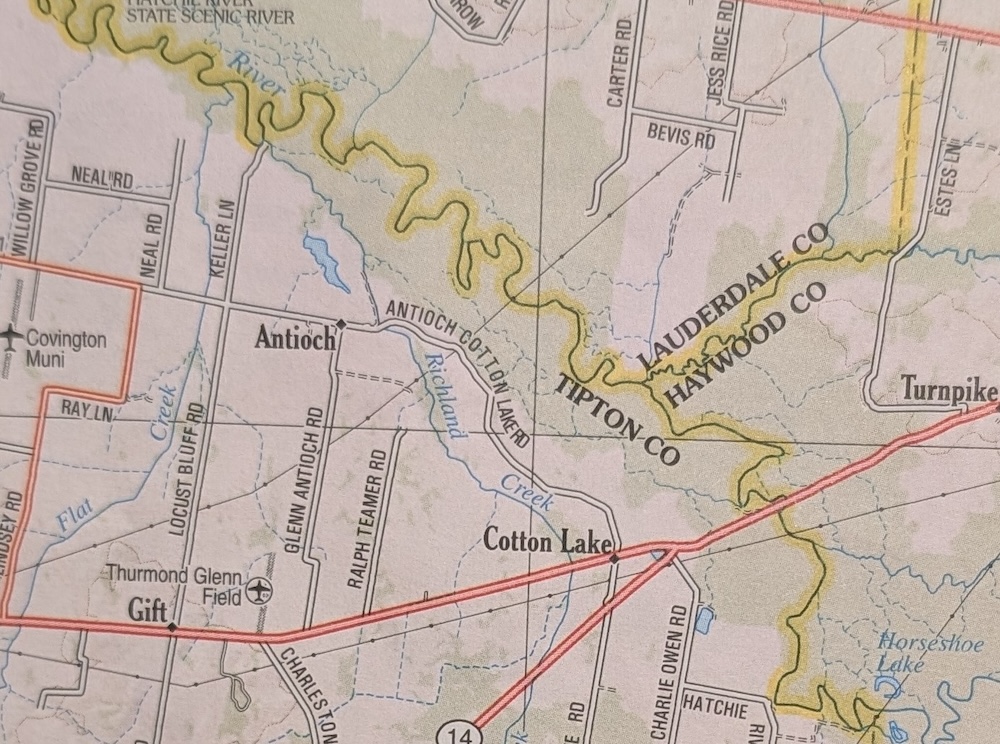
And in case you are wondering, I looked up Gift, Tennessee, on my big map book called Tennessee: Detailed Topographical Maps, published by Garmin. I found the unincorporated community of Gift just west of the intersection of Tipton, Lauderdale and Haywood Counties, in West Tennessee (click on the map on the left see it).
Chapters 16: Famous Firsts
Standard 2.27: Examine the significant contribution of historic figures.
Since the second grade social studies standards no longer lists the names of historic figures, I came up with the 7 listed in this chapter, and also referred to in chapters 17 and 18.
Since 3 of the 7 are Tennesseans, we have more about them on this website.
Click here to read more about Sequoyah and here to learn more about Alvin York.
Chapter 17: Lines of Time
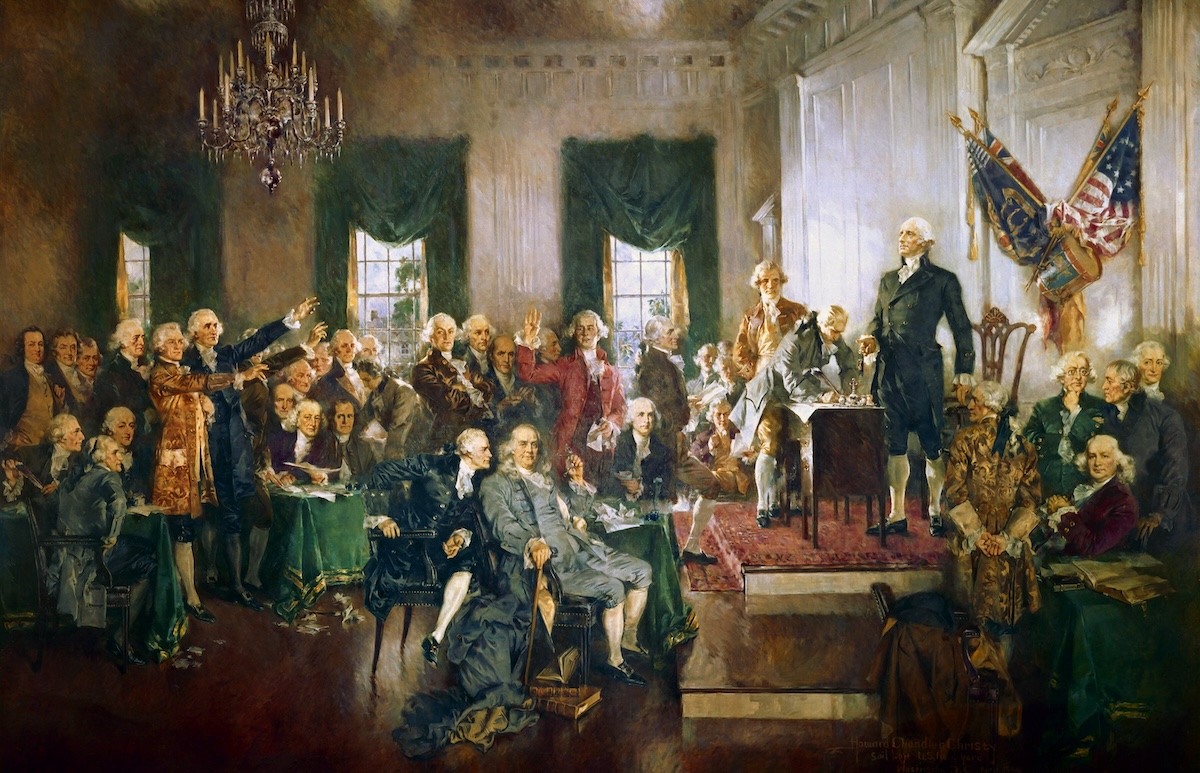
Howard Chandler Christy artist
Standard 2.28: Analyze and interpret events placed chronologically on a timeline using years, decade and centuries.
Chapter 18: Sources
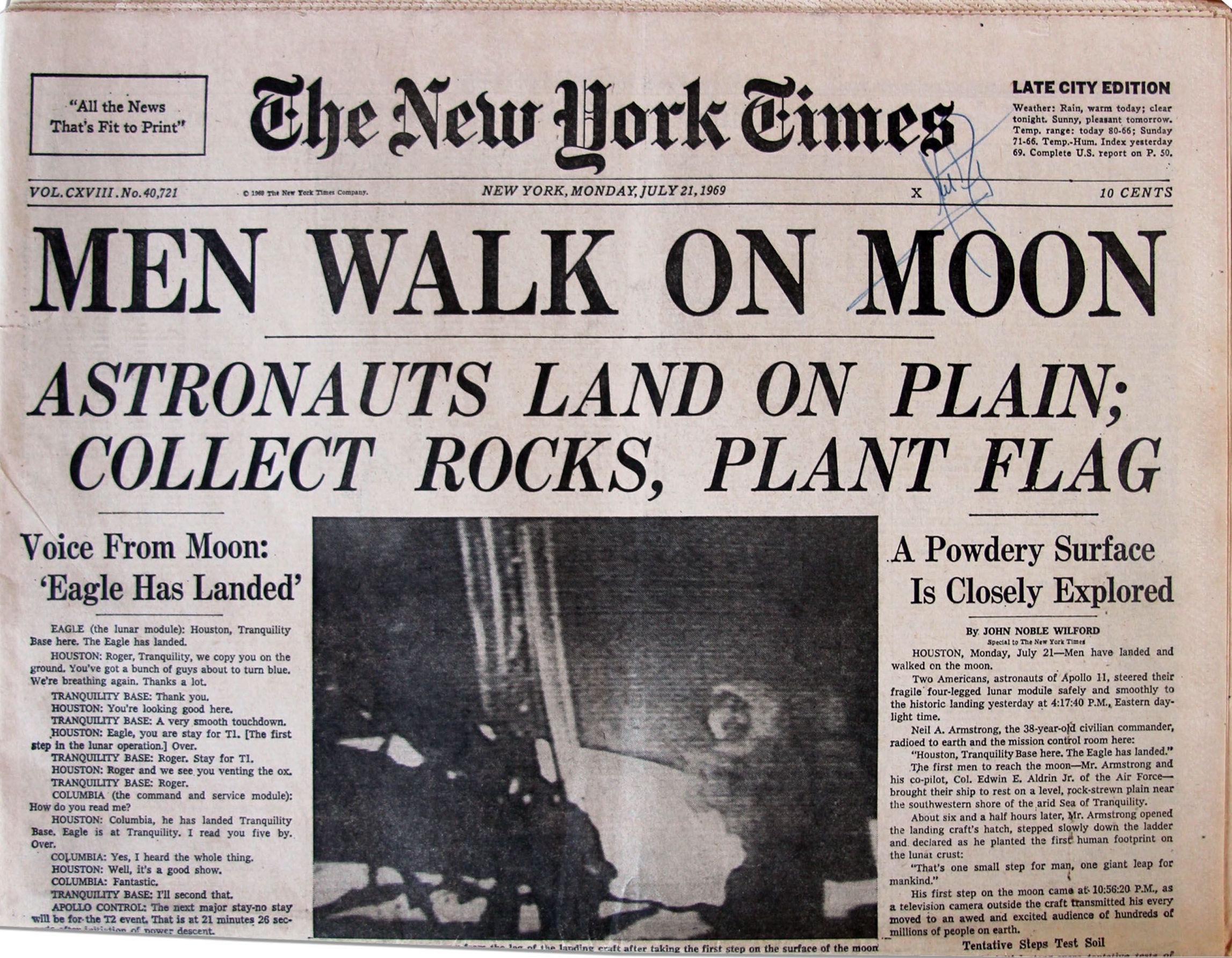
New York Times; July 21, 1969
Standard 2.26: Define and identify primary and secondary sources
If you would like the answers to the questions that appear in this booklets, email us at orders@tnhistoryforkids.org using your school email address.
