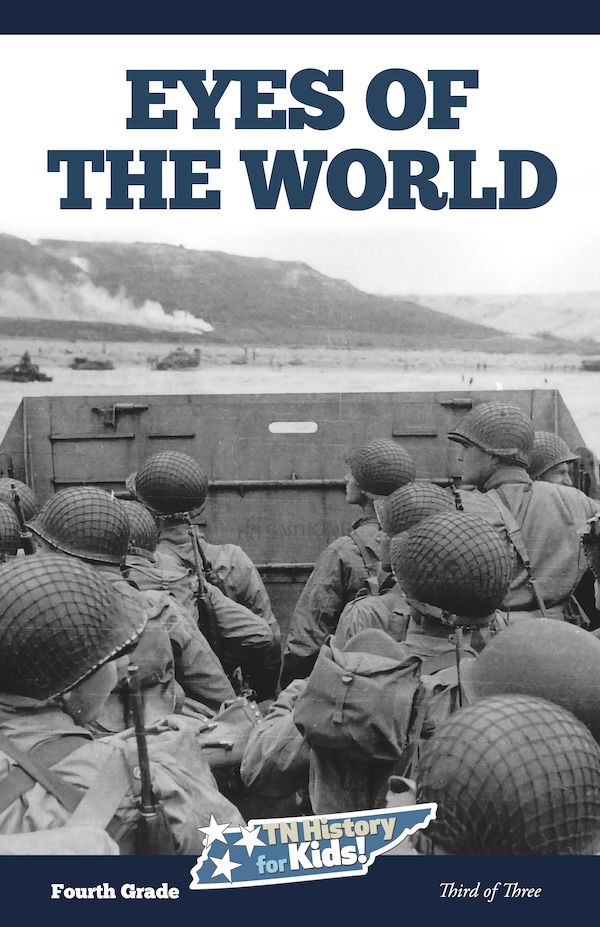
Teacher’s Guide to Eyes of the World (2027 edition)
Welcome to the teacher’s guide to the Tennessee History for Kids workbook called Eyes of the World (2027 edition).
Rather than buying a single classroom set, please consider buying one for every student. We sell these booklets for $3.00 and print them on non-glossy paper because we want students to write in their booklets and keep them.
Please do NOT copy the booklets. That is a violation of our copyright and makes it difficult for our organization to exist.
If you would like the answers to the questions which appear in this workbook, email Bill Carey at bill@tnhistoryforkids.org.
Chapter One: Trench Warfare
Standard 4.28: Summarize the events leading to U.S. entry into World War I, including the attack on the RMS Lusitania and the Zimmerman Telegram.
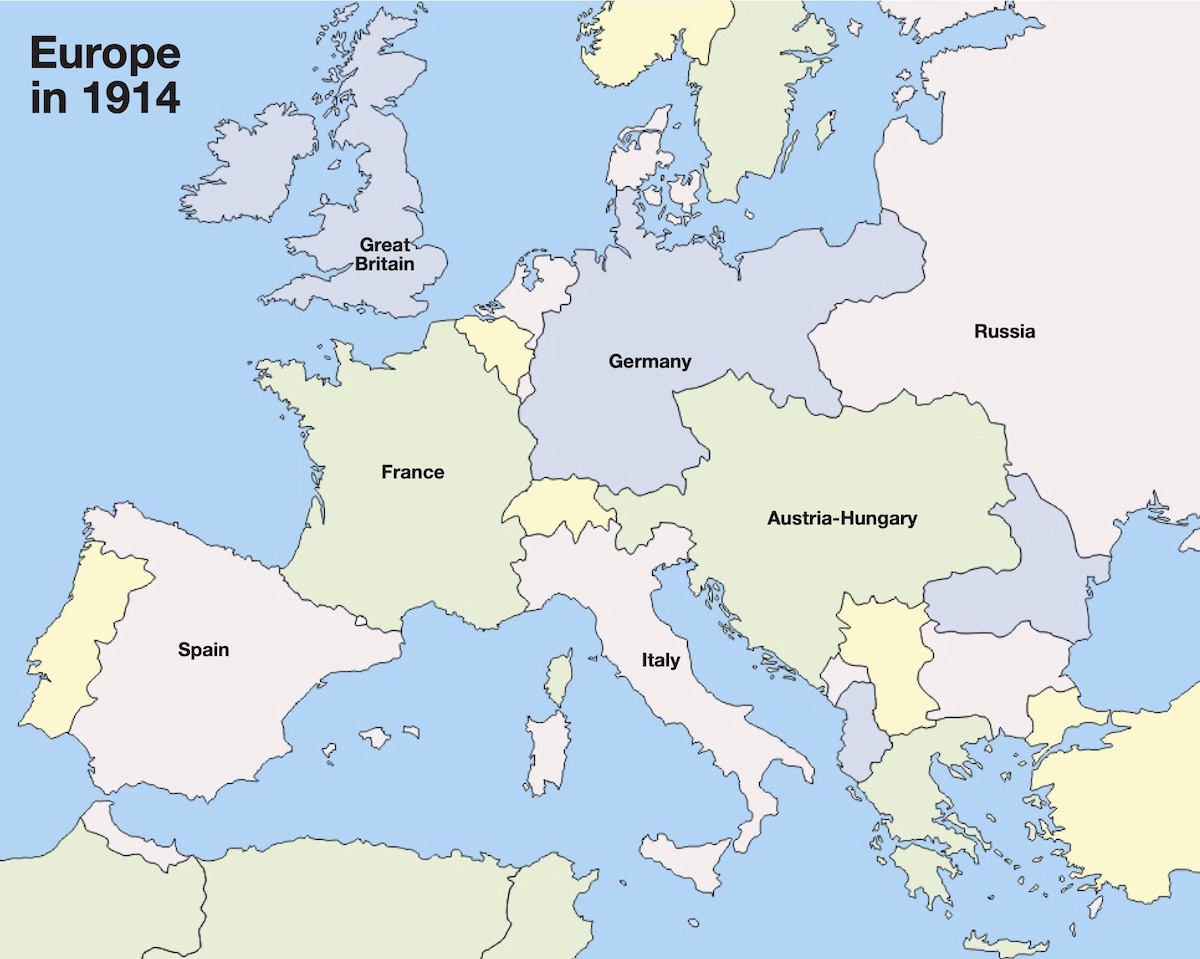
Standard 4.29: Identify and locate on a map the major countries of the Central and Allied Powers during World War I, including Austria-Hungary, France, Germany, Great Britain, and Russia.
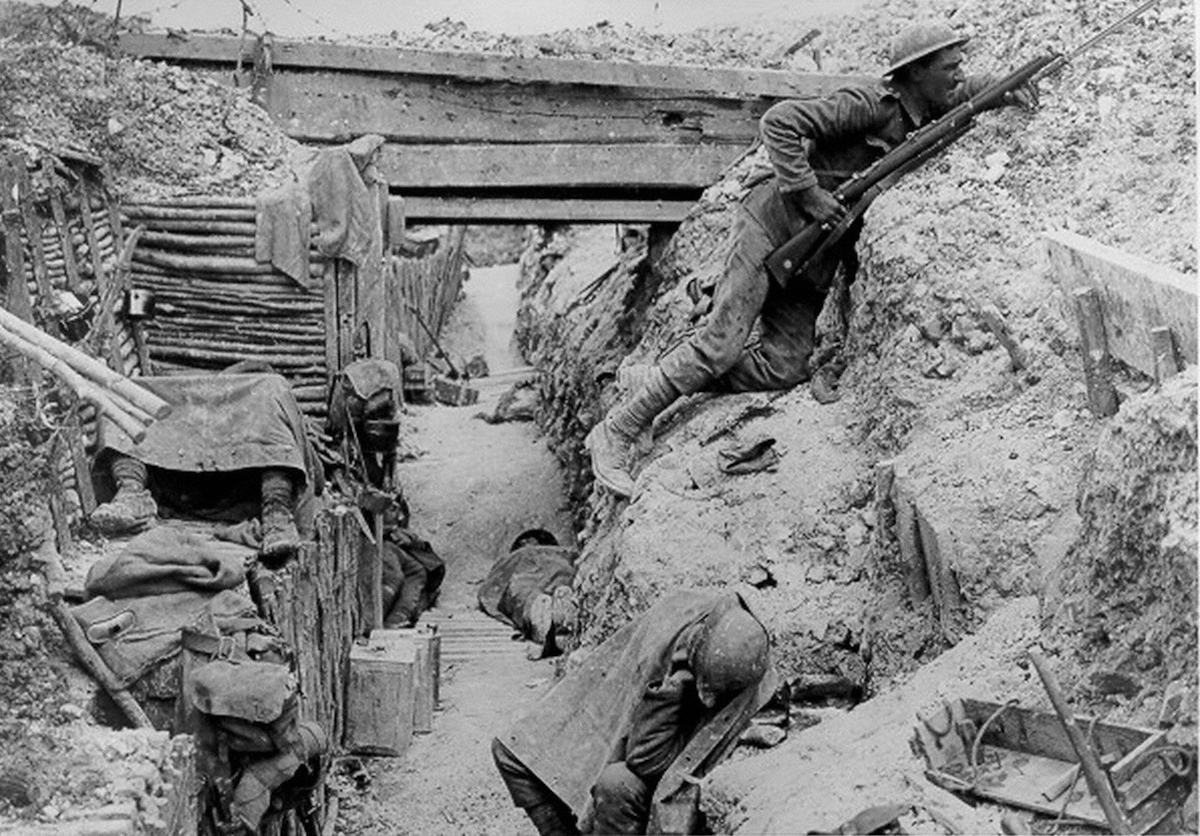
Imperial War Museum photo
There are some amazing photos in this workbook. The reason it’s great that we have an ONLINE teacher’s guide is so teachers can click on the images here and show them to their students on the screen (my experience is that all teachers have in-class projectors).
If you look closely at the photo on page 2 (click on the image on the right to make it larger), you will see that there are five men in the photo. See if your students can find them.
Having found these five men, you might ask your students to draw conclusions about what life would have been like in a trench during World War I.
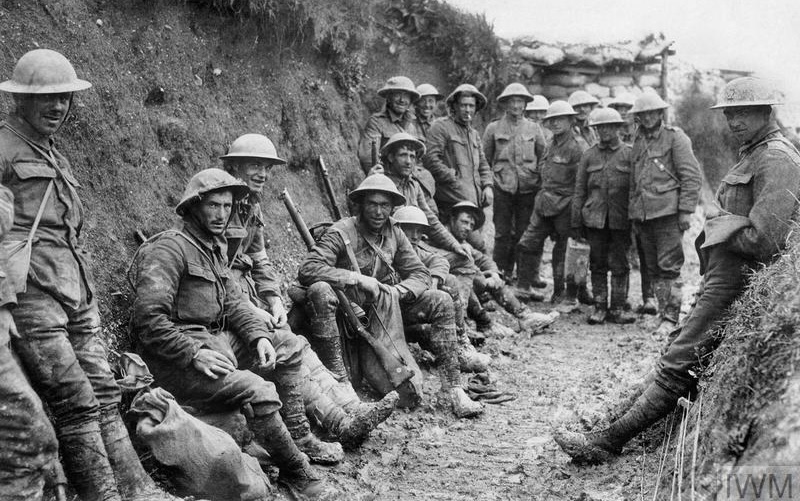
Imperial War Museum photo
Click on the left to see the photo of Irish troops at the Battle of the Somme.
We don’t know how many of these men survived the battle.
Chapter Two: 1918
Standard 4.30: Describe the impact of U.S. involvement as an Allied Power in World War I.
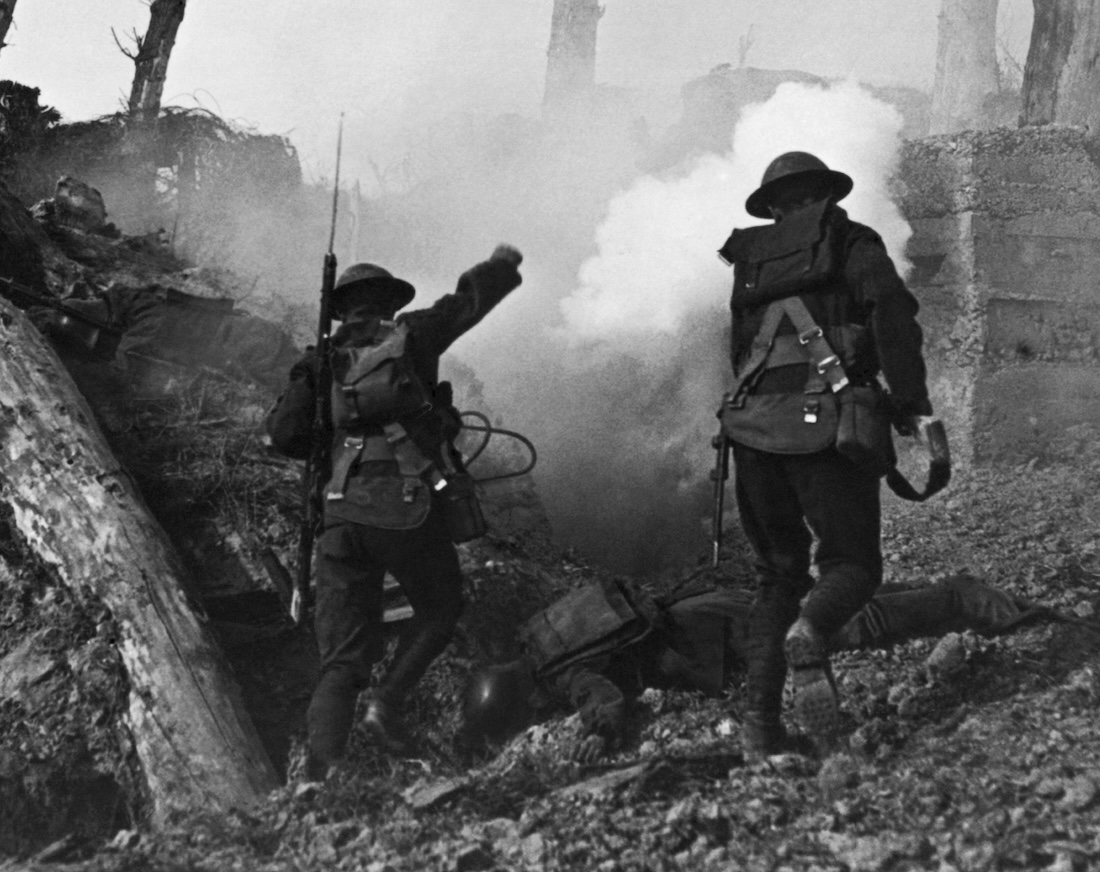
Library of Congress photo
Standard 4.31: Explain the aims of world leaders in the Treaty of Versailles, and the U.S. Senate rejected President Woodrow Wilson’s League of Nations.
Click on the right to see the photo on page 8, which the photographer would have risked his life to take.
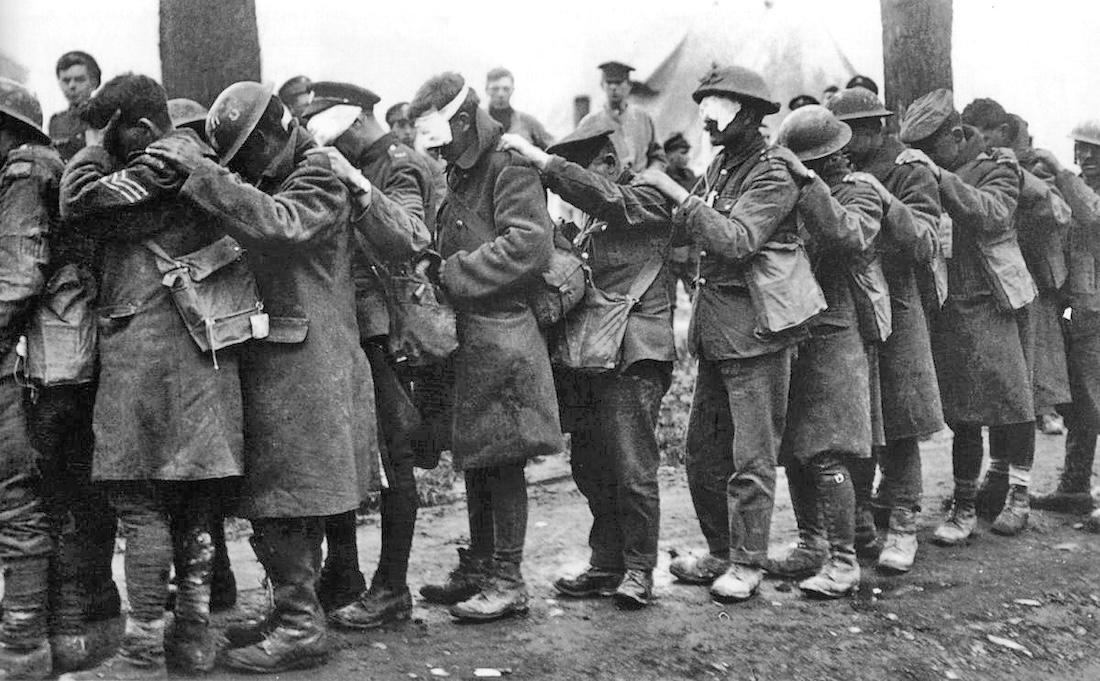
Imperial War Museum photo
Click on the image on the left to see the sad photo on page 9, of the British soldiers blinded by tear gas, all lined up.
Students were learn more about Tennessee’s contribution to the World War I effort in the fall of fifth grade. If you want a preview, read this column.
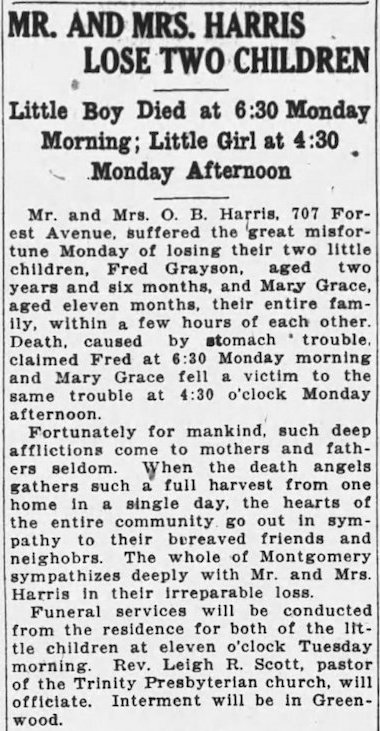
Montgomery Advertiser, July 15, 1919
I’m aware that the influenza pandemic of 1918 is not in the social standards. But I added content about it for 4 good reasons:
1) It killed more than twice as many people as World War I.
2) Failure to teach about pandemics indirectly led to people believing conspiracy theories in 2020.
3) The influenza pandemic of 1918 resulted in the closure of many bad medical schools in Tennessee and also in the creation of the Vanderbilt Medical Center;
4) My great aunt, then known as Mr. O.B. Harris (who I knew when I was a child) lost two children ON THE SAME day to Spanish flu (see article on the right).
SIDEBAR: Harlem Renaissance AND
Chapter 3: Roaring Twenties
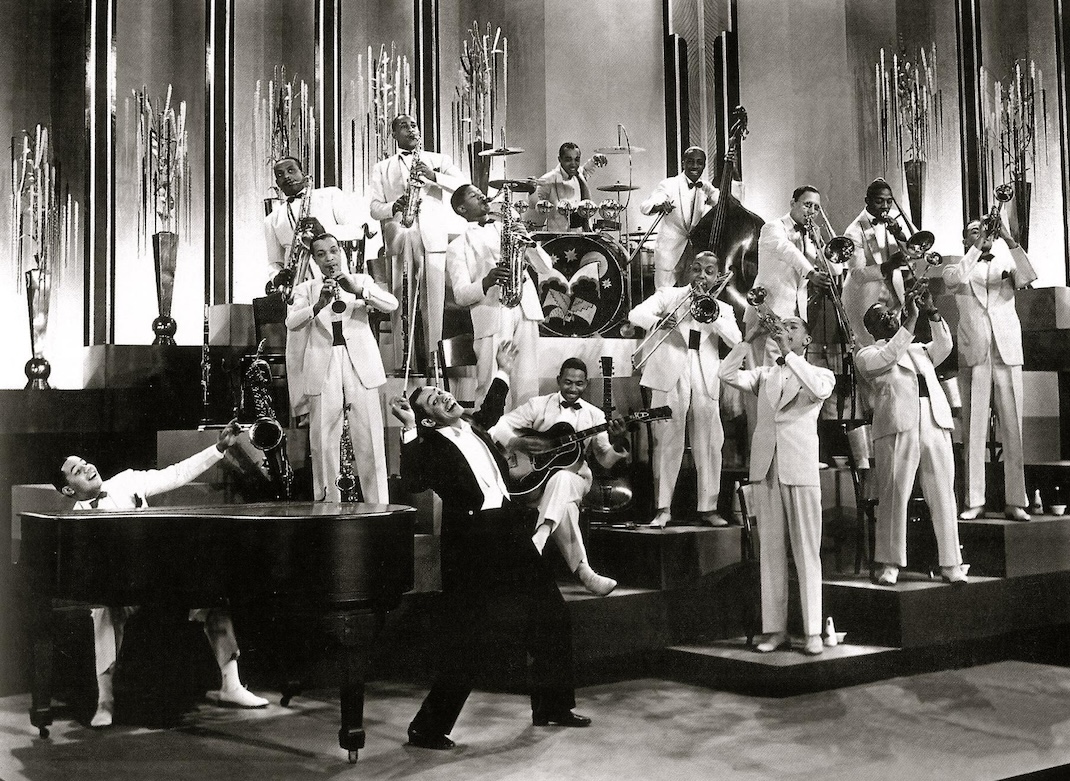
Public Domain photo
Standard 4.32: Examine the growth of popular culture during the “Roaring Twenties with respect to the following: Music, clothing and entertainment; Autombiles and appliances; and Harlem Renaissance.
Click on the right to see the wonderful image of Cab Calloway and his Orchestra that appears on page 11.
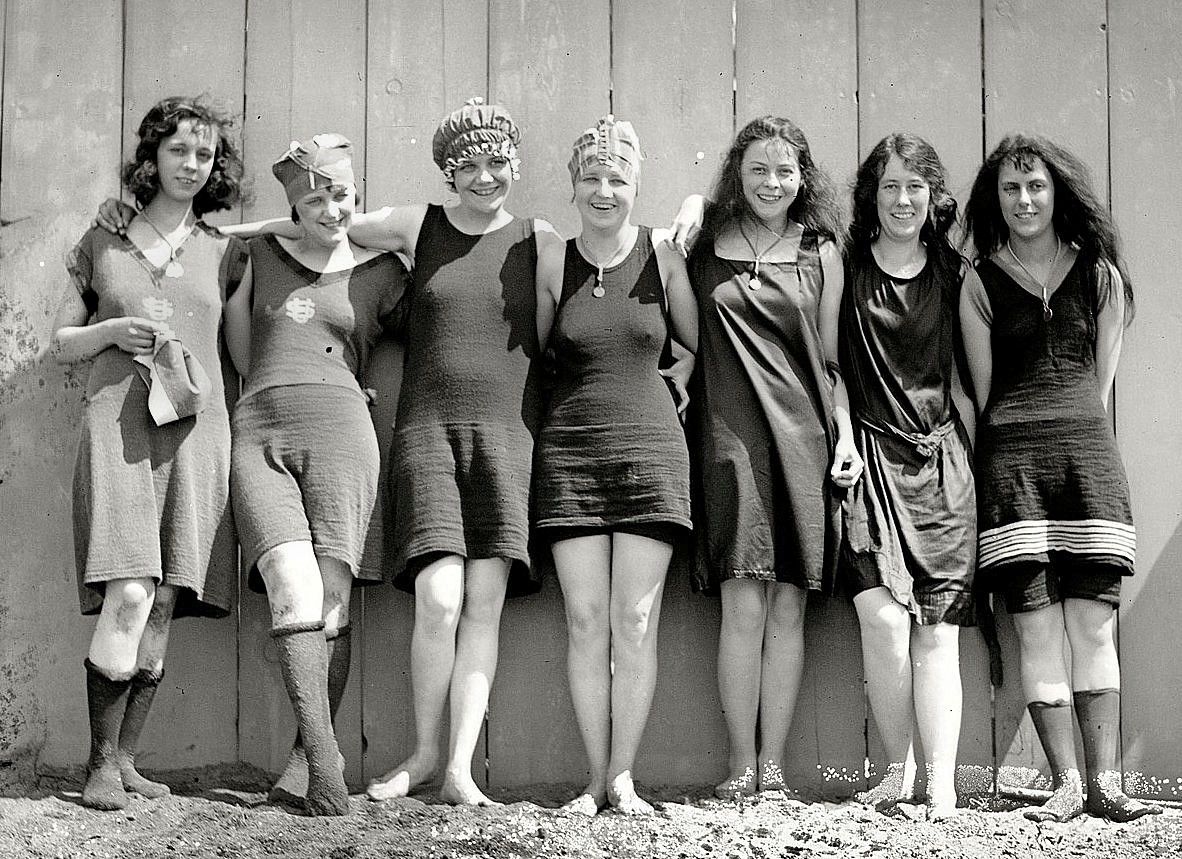
Library of Congress photo
Click on the left to see the photograph of women of my grandmother’s generation wearing bathing suits (which appears on page 15).
I don’t know of any way to explain the Great Depression without having to first explain the stock market crash of 1929, and I don’t know how to explain the stock market crash of 1929 without first explaining what a public company is. I did my best, drawing on what I learned when I was a business reporter for a newspaper many years ago. If you have any suggestions about a way to do it better, feel free to email me at bill@tnhistoryforkids.org.
The photo on page 17 was taken at Phillips Toy Mart in Nashville, which is one of the best toy stores in Tennessee.
Chapter 4: Hard Times AND
SIDEBAR: Soup Kitchens and Pawn Shops
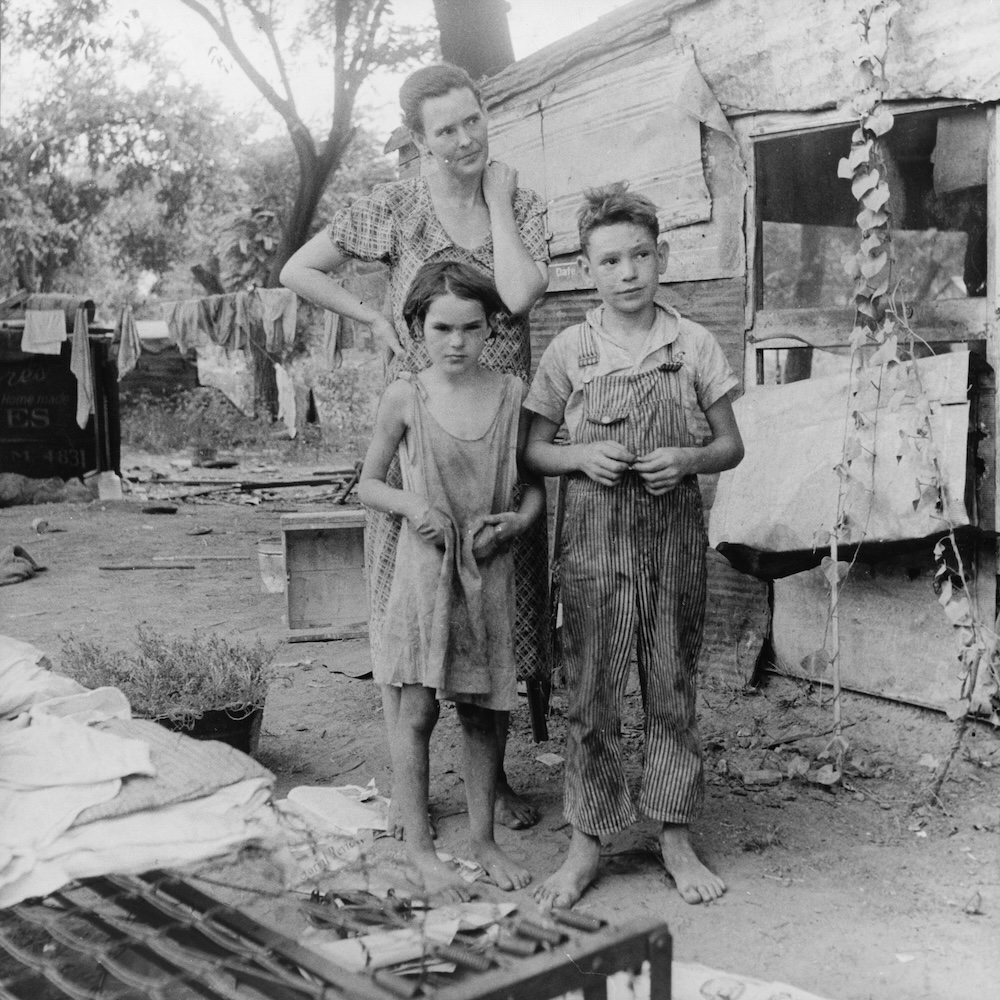
Dorothea Lange photo/Library of Congress
Standard: 4.34: Identify the causes of the Great Depression, President Herbert Hoover’s role, and its impact on the nation, including consumer credit and debt; Hoovervilles; mass unemployment; overproduction and soup kitchens.

University of Washington photo
Standard: 4.35: Describe how the New Deal policies of President Franklin D. Roosevelt impacted American society with government-funded programs, including Social Security, protection of banks, expansion and development of the national parks, and creation of jobs.
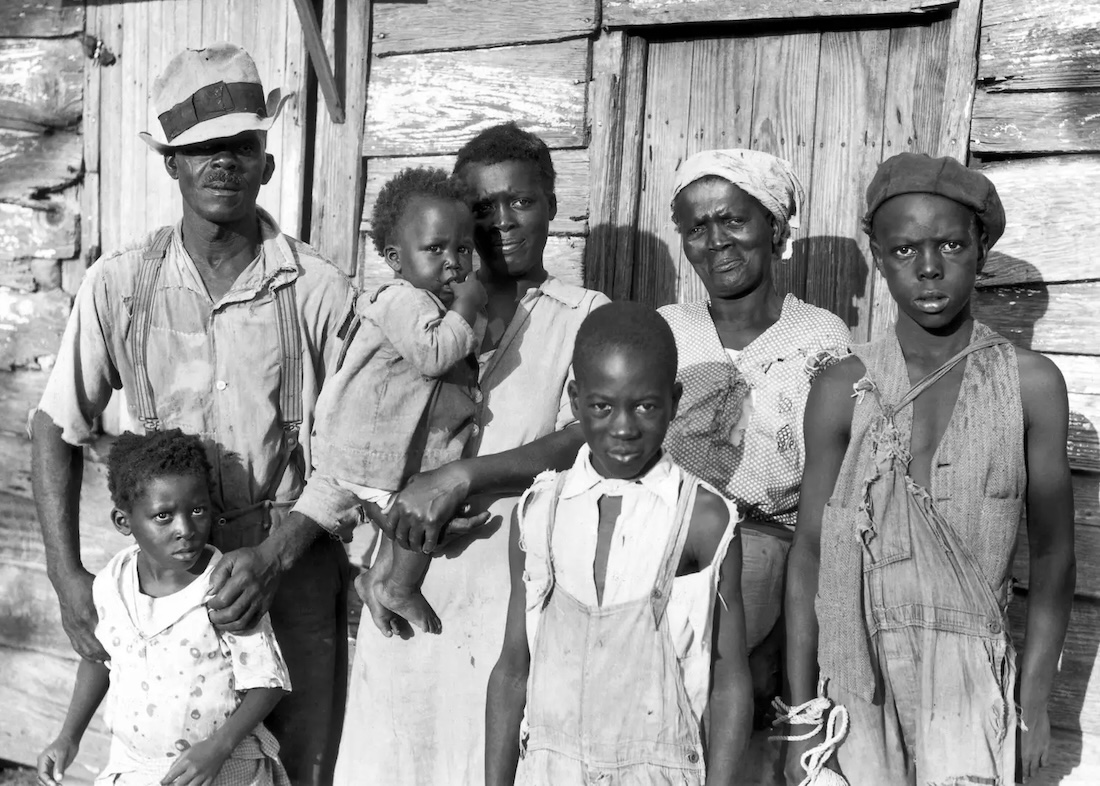
Carl Mydans photo/Library of Congress
Click on the images on the right and left, from pages 19, 20 and 24.
Click here to hear the NPR story that is quoted on pages 21 and 22.
Click here to learn about photographer Dorothea Lange, who took the photo on page 19.
Click here to read the story behind Seattle’s Hooverville (pictured on page 20), told by a resident many years later.
Click here to read about photographer Carl Mydans, who took the photo on page 24.
If you’d like to see the actual newspaper articles quote in the “Soup Kitchens and Pawn Shops” sidebar, click here, request them, and I will email them to you.
Chapter 5: War Clouds
Standard 4.36: Explain the structures and goals of the governments in Germany and Japan during the 1930s, and how they contributed to the outbreak of World War II.
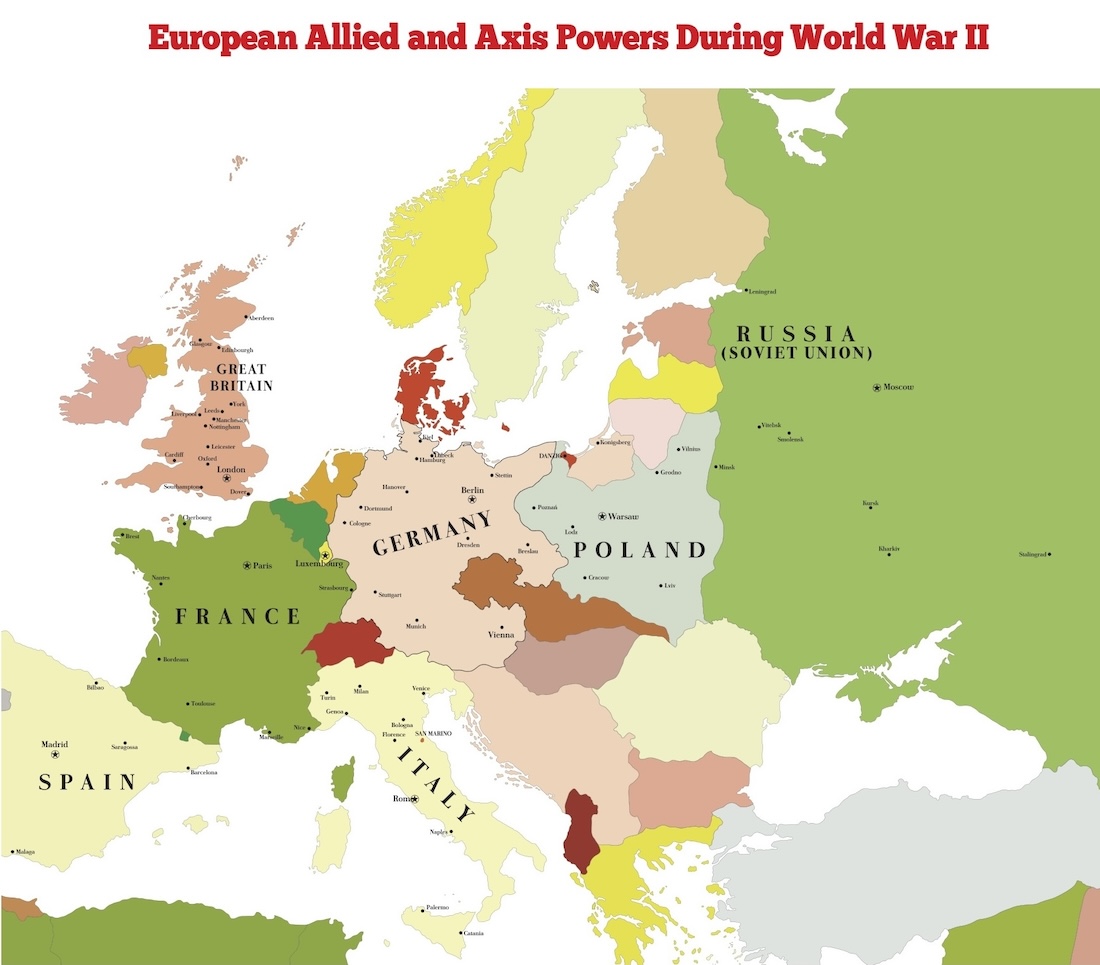
Standard 4.37: Identify and locate on a map the Axis and Allied Powers associated with World War II, including Germany, Italy, Japan, France, Great Britain, and the Soviet Union.
There’s a lot of complicated content in this chapter. I’ve done my best to word it and present in as simple a manner as I possibly can. Email me at this address if you have any constructive criticism, which I’m always happy to hear..

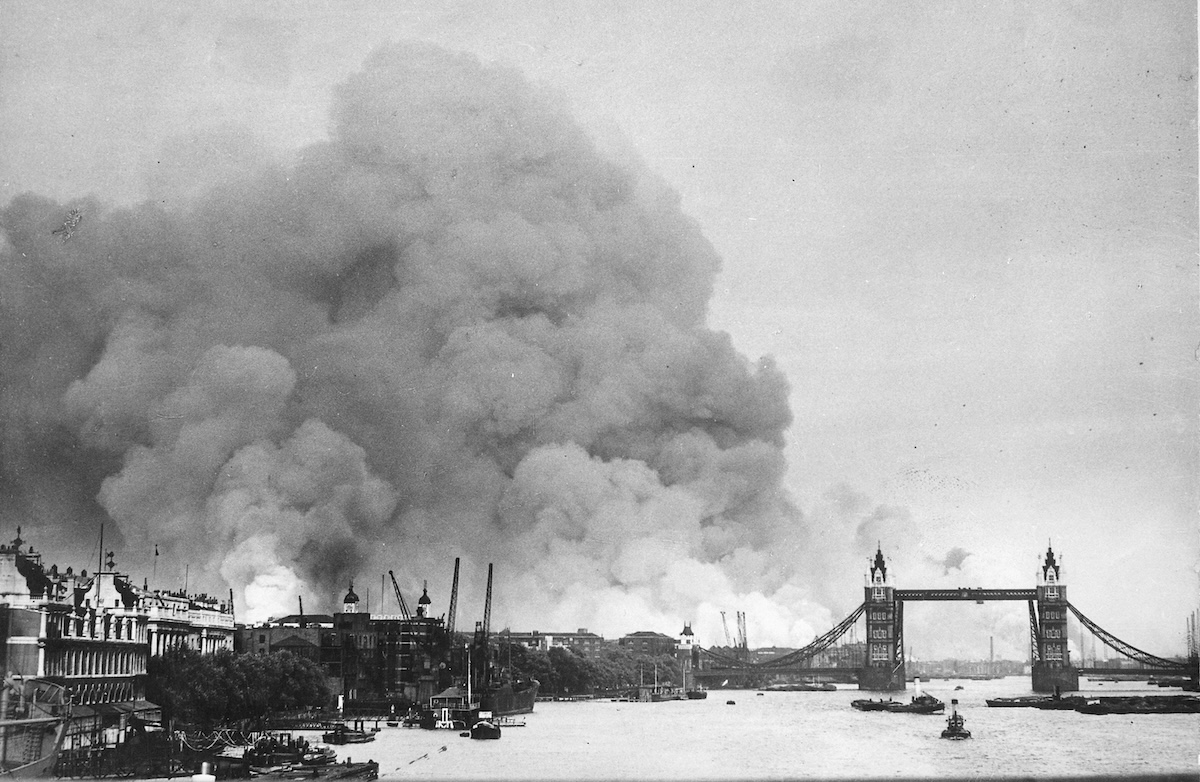
London children waiting outside the wreckage of what was their home. September 1940. (Public domain photo)
Chapter 6: Blitzkrieg
Standard 4.37: Identify and locate on a map the Axis and Allied Powers associated with World War II, including Germany, Italy, Japan, France, Great Britain, and the Soviet Union.
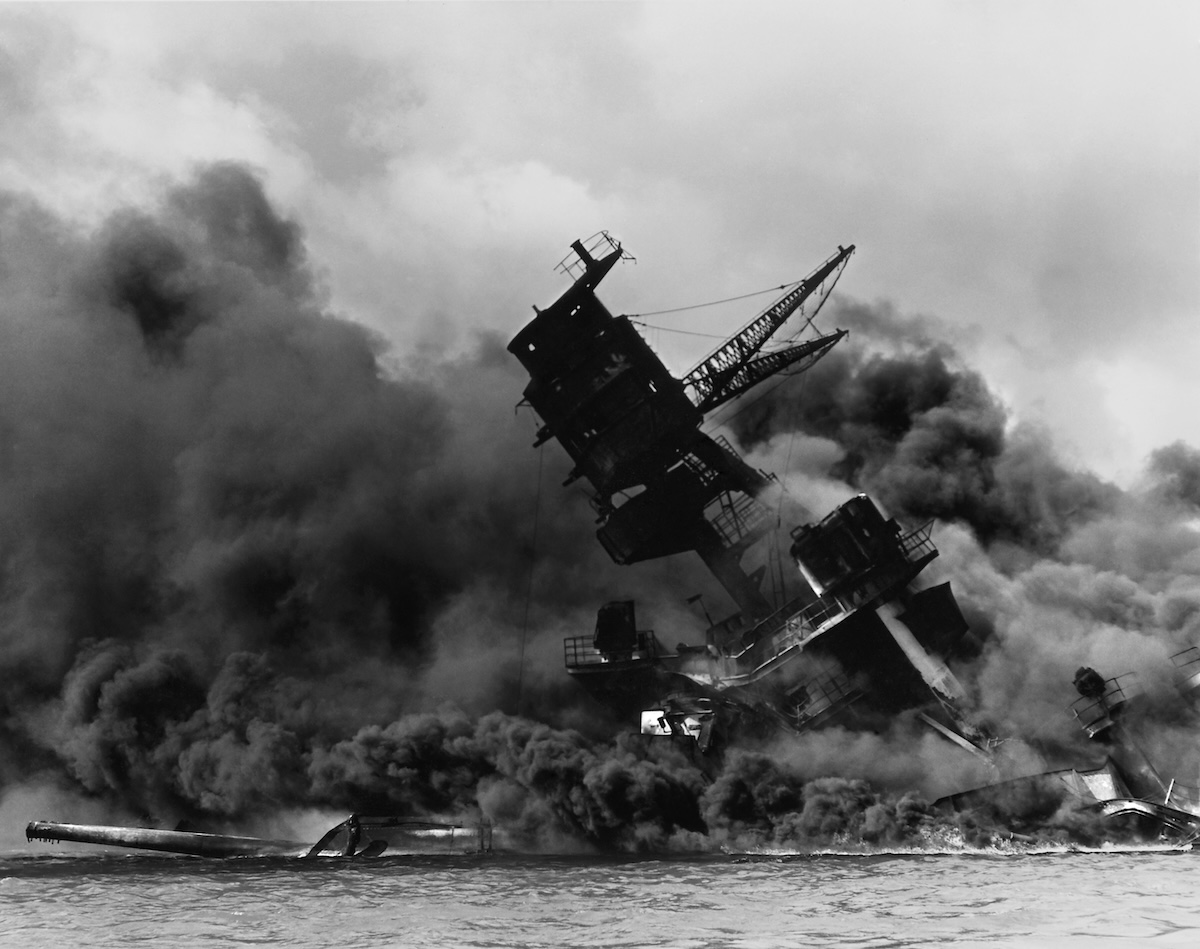
Standard 4.38: Determine the significance of the bombing of Pearl Harbor and its impact on the United States.
Library of Congress photo
Click on the images on the right and left to show larger versions to your student of the photos on page 32 and 34 to your students.
Chapter 7: Total War
Standard 4.37: Identify and locate on a map the Axis and Allied Powers associated with World War II, including Germany, Italy, Japan, France, Great Britain, and the Soviet Union.
Standard 4.38: Determine the significance of the bombing of Pearl Harbor and its impact on the United States.
Joe Rosenthal photo, Library of Congress
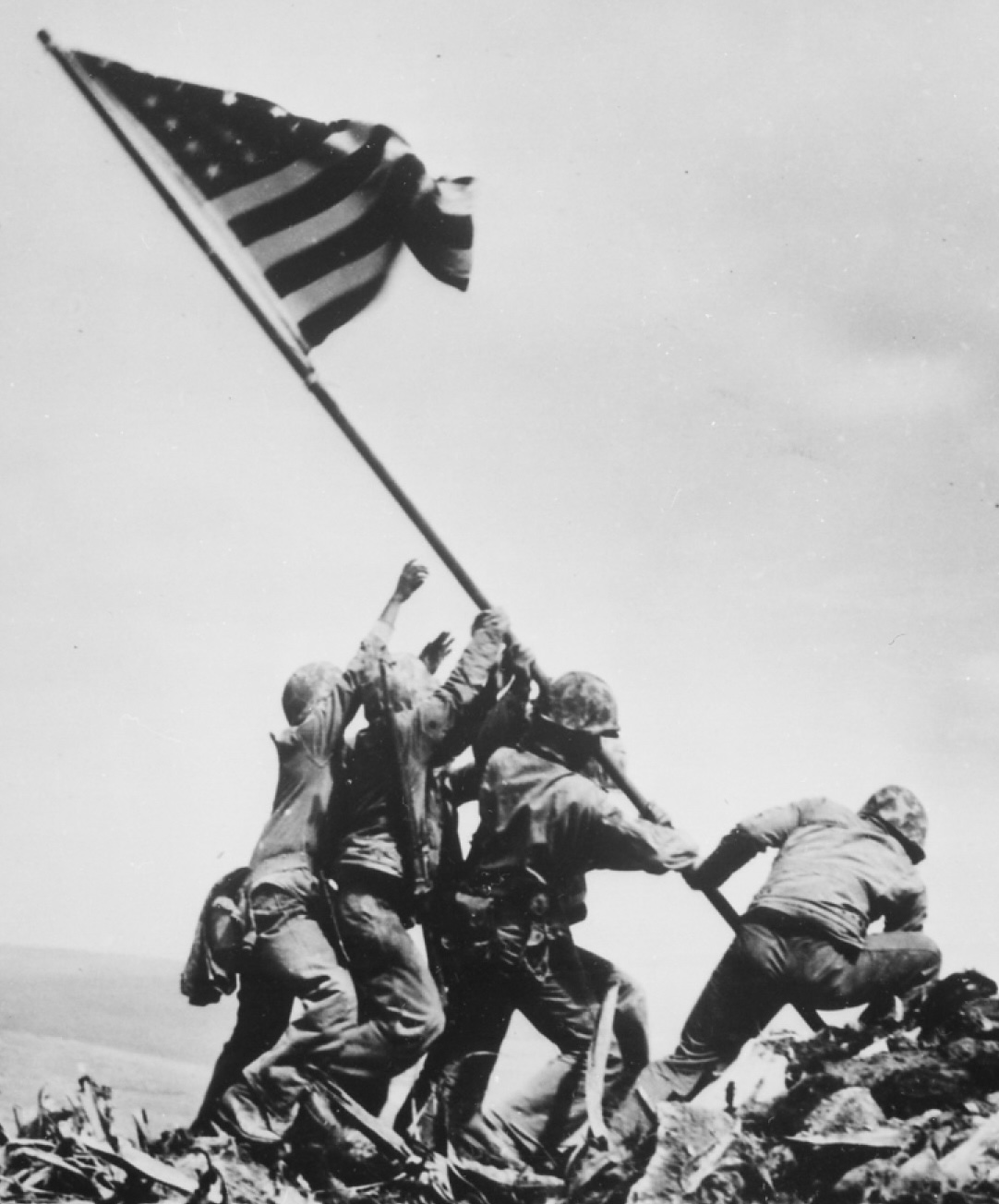
Some of the most famous war photographs ever taken are featured in this chapter. I would like to draw your attention to the one on the left–the one taken of the second flag raising at Iwo Jima, taken on February 23, 1945.
Days after this photo was taken, President Franklin Roosevelt ordered the U.S. Marine Corps to find out the identity of the men shown in it. The Marine Corps did so, and concluded that three of the men shown in the photo had been killed in the fighting that took place during the days that followed. The other three men were taken away from their units and sent on a national tour to help raise money for the war effort. They became national celebrities (albeit reluctant ones), and their names (Rene Gagnon, Ira Hayes and John Bradley) became well known.
About 70 years later, thanks to the persistent investigation of two history buffs, the U.S. Marine Corps admitted that John Bradley was misidentified in the photo. The person who was thought to have been Bradley was, in fact, Corporal Harold Schultz.
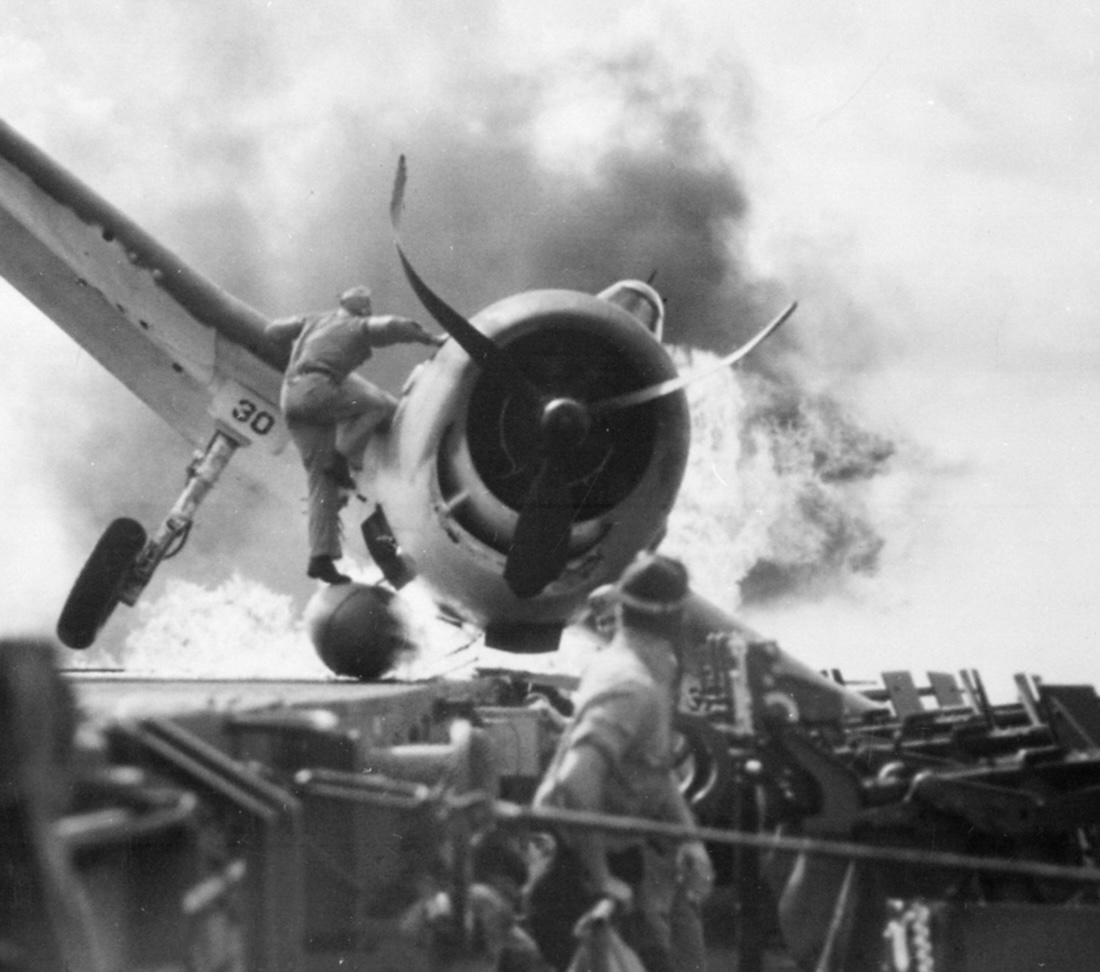
A plane crashes on the USS Enterprise, and LT Walter Chewning climbs on board the burning aircraft to save the pilot. (U.S. Navy photo)
Incredibly, Schultz kept this a secret his entire life. He had died in 1995, long before the U.S. Marine Corps made the announcement.
We also know more about the photo on page 37, on the right. Click here to learn more about the Navy F6F-3 airplane that is crashing and the lieutenant named Walter Chewning who is climbing on the burning plane to rescue the pilot.
As for the photo on page 38 (shown on the left) . . .
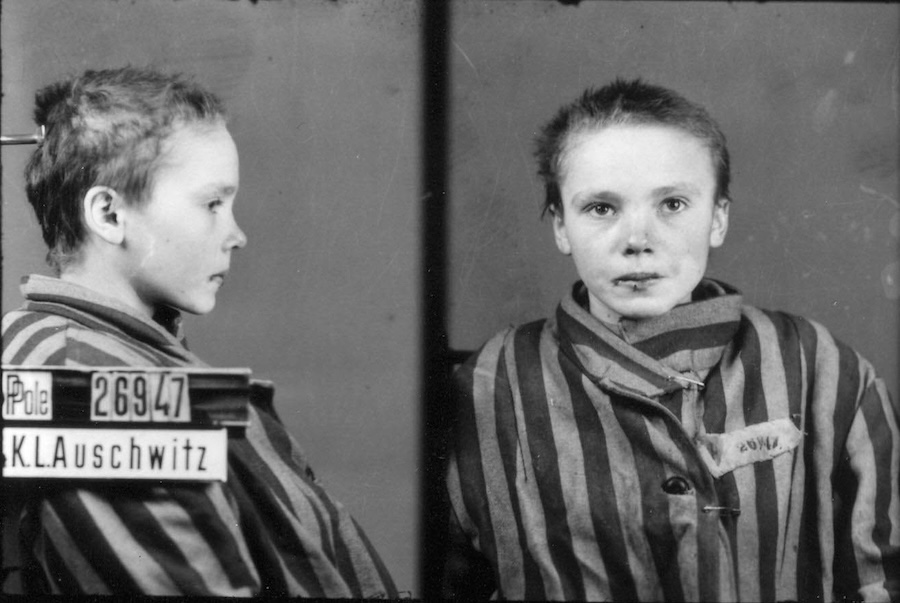
Auschwitz-Birkenau Memorial and MuseumAs for the photo on the left…..
There is always a lot of discussion and debate about whether to expose elementary school students to the Holocaust. The problem is, if we are going to explain the horrors of World War II, we HAVE to explain the Holocaust.
I used the photo the bottom of page 38 for two main reasons: 1) You can see this this is a child and you can see that she very unhappy and that she may even be aware the she may be executed (which she was), and 2) It is not a photo of emaciated corpses which may give a fourth-grader nightmares. Like General Patton in 1945, I do believe Americans should see what the Holocaust was, but do think fourth graders are not ready to see the most horrible photos… yet.
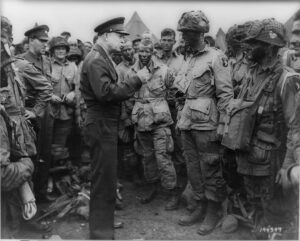 SIDEBAR: Eyes of the World

Standard 4.37: Identify and locate on a map the Axis and Allied Powers associated with World War II, including Germany, Italy, Japan, France, Great Britain, and the Soviet Union.
Click here for the inside story about the photo on the right and on page 40 in the workbook, told from one of the junior officers in the photo.
 Chapter 8: Rationing and Victory Gardens
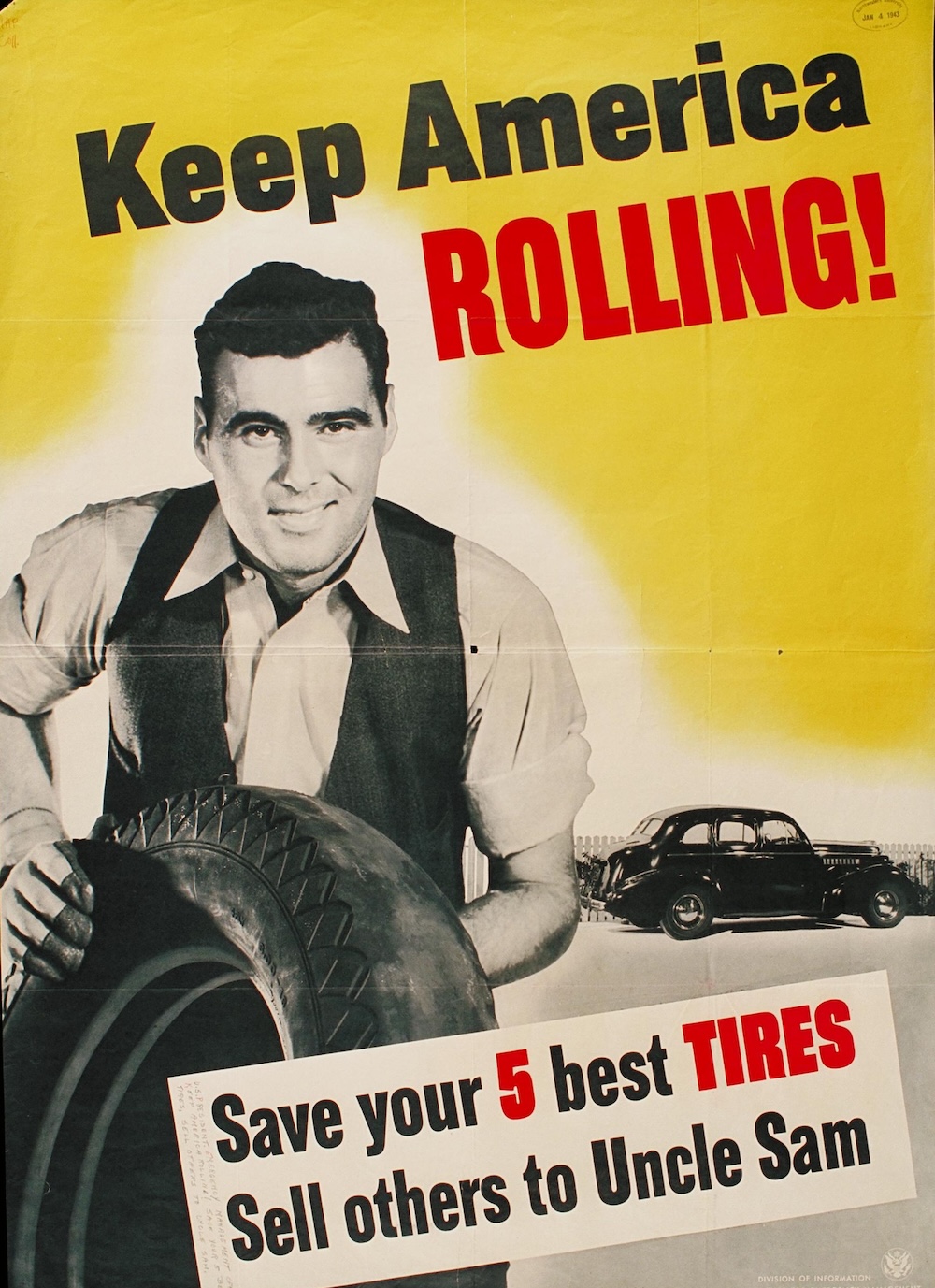
Standard 4.39: Examine the reasons for the use of propaganda, rationing and victory gardens during World War II.
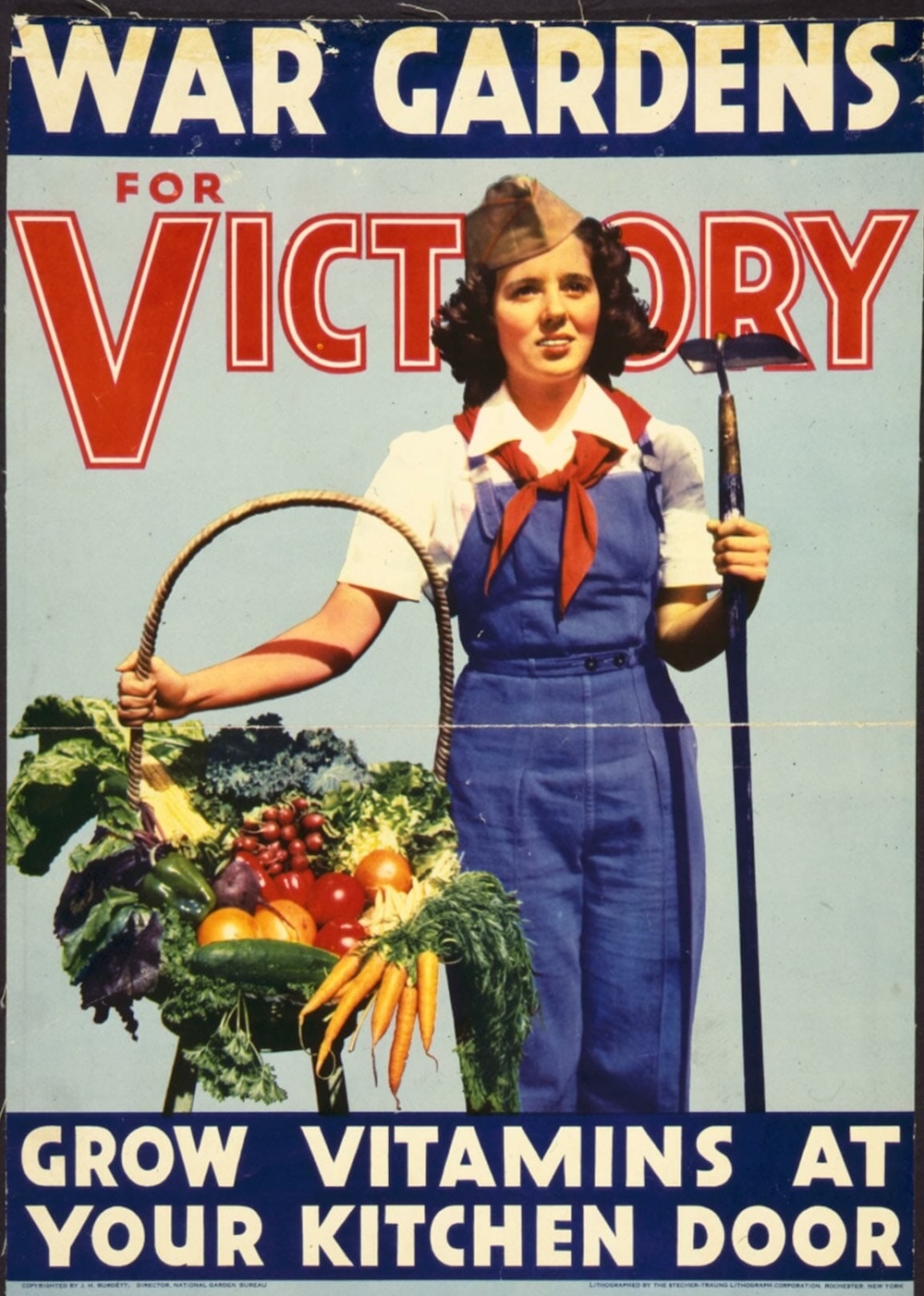
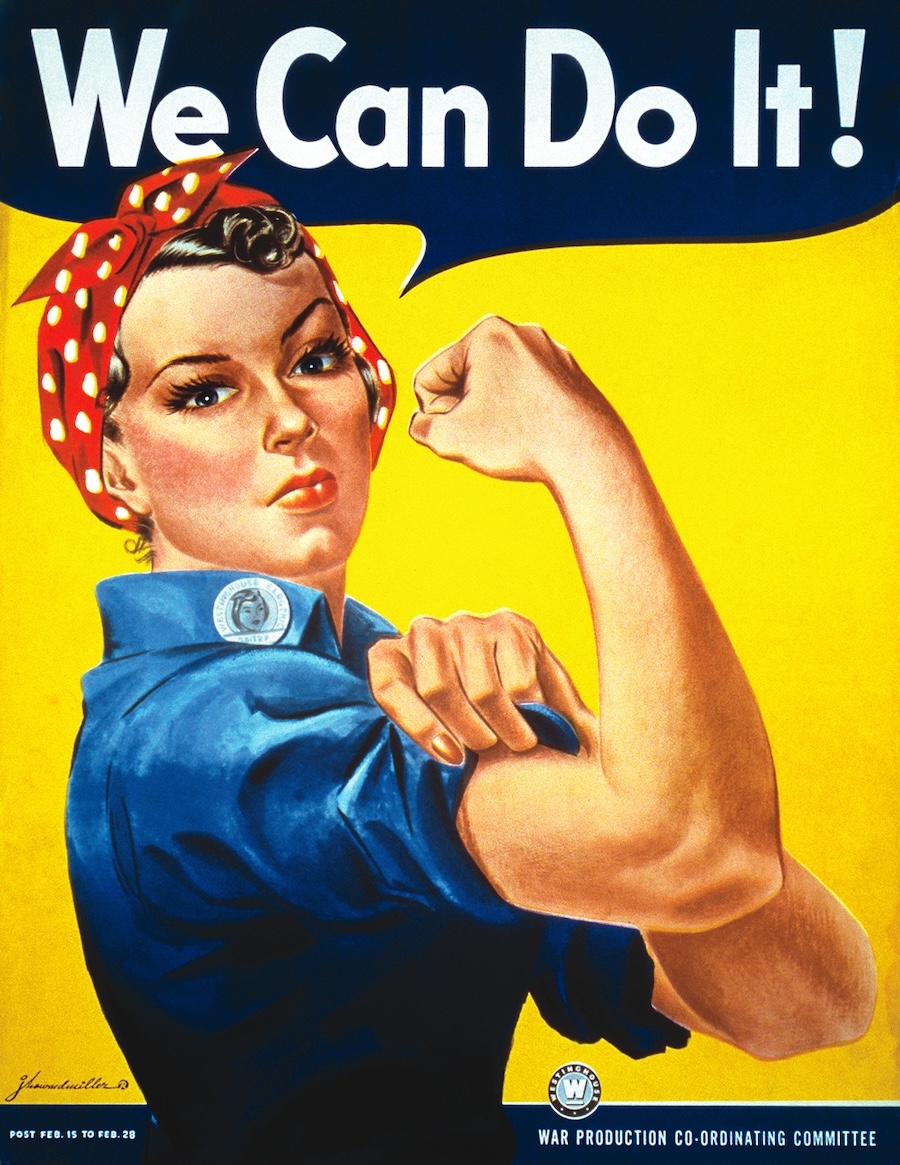
On the left and right you can see propaganda poster that were produced by the U.S. government during World War II.

Click on them to show your students.

As you do this, ask your students what each poster means, and whether it is connected to rationing or victory gardens or to some other purpose.
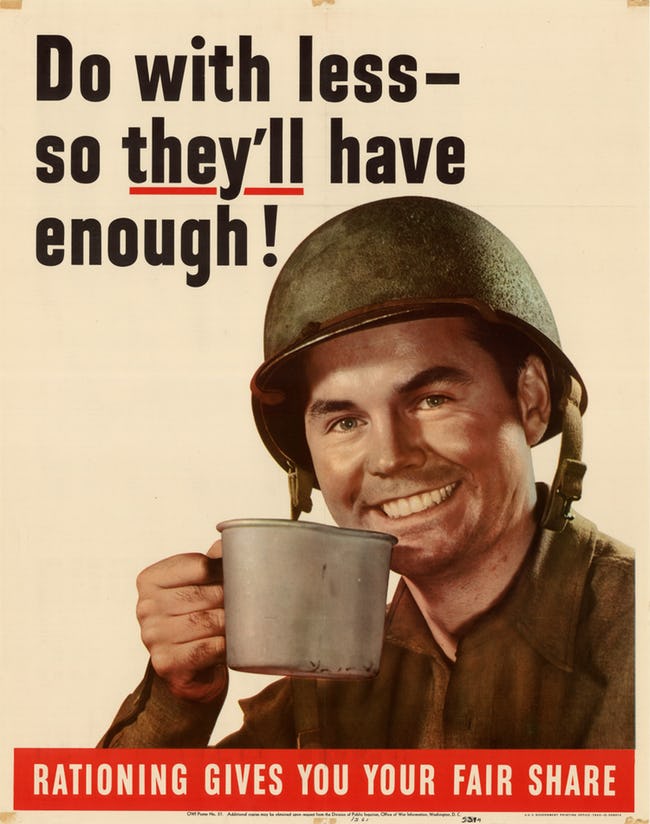
For each poster, what action is encouraged? What action is discouraged?
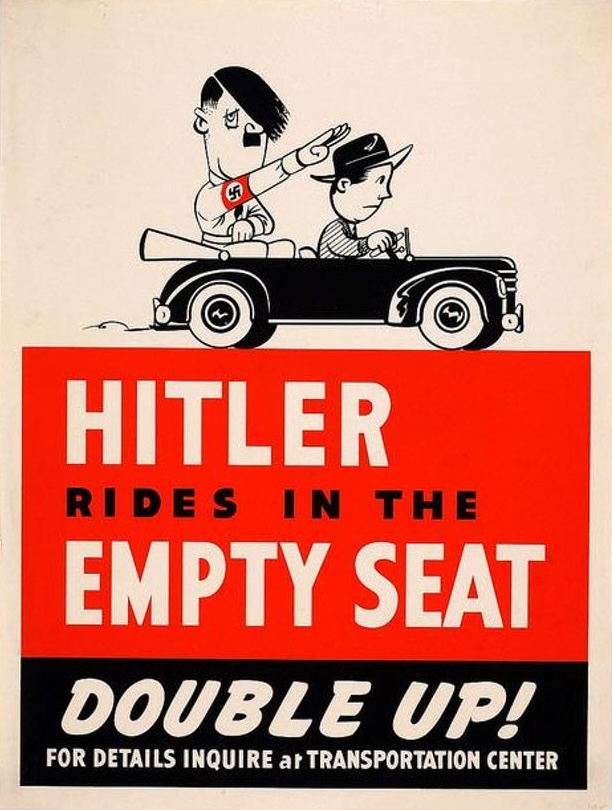
You might also ask your students which poster is their favorite in this collection of eight propaganda posters.
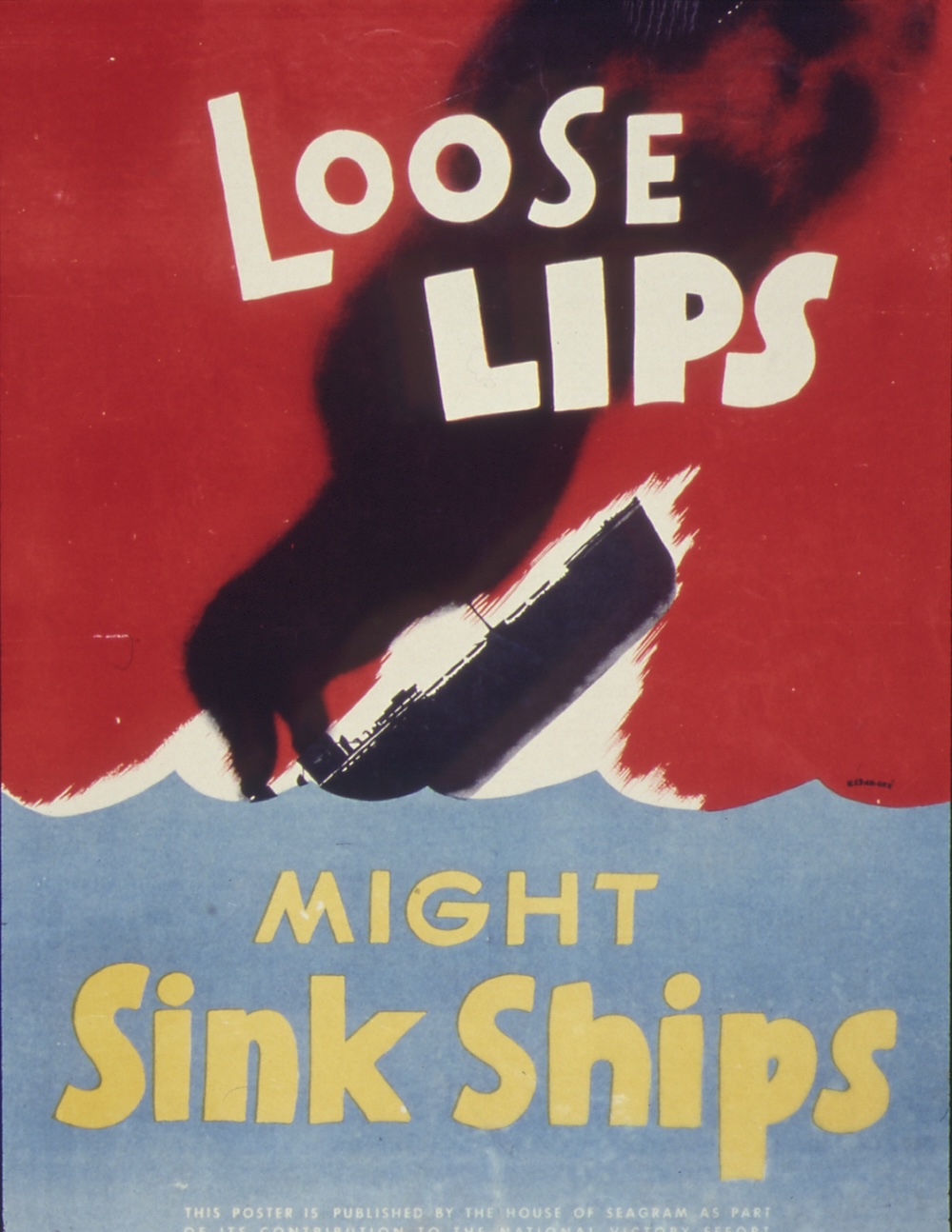 And if you want to make a special assignment out of this, you might ask students to create a World War II propaganda poster of their own.
Also:
Every year, TN History for Kids does an after-school inservice on Zoom about World War II which includes far more information about World War II rationing. Subscribe to our email here to learn when this event will occur.

Library of Congress photo
SIDEBAR: We are all Jews Here
There is a detailed podcast about the photo on the right, which also appears on page 47. It is a detailed account of what is happening in the photo and what later happened to Samuel Stenzler, Frank Spears, and James Gallagher — the men shown in this photo. Click here to read it.
Click here to read a Time magazine story about Roddy Edmonds.

National Archives photo
Chapter 9: Cold War AND
SIDEBAR: Space Race
I’m aware that neither the Cold War, the Korean War, the Vietnam War, or the Space Race is mentioned in the fourth grade social studies standards, but I felt strongly that these events should be mentioned. (After all, my grandfather fought in Korea; my father was a NASA engineer; and I was in the Navy during the Cold War, stationed near the coast of the Soviet Union.)
National Archives photo
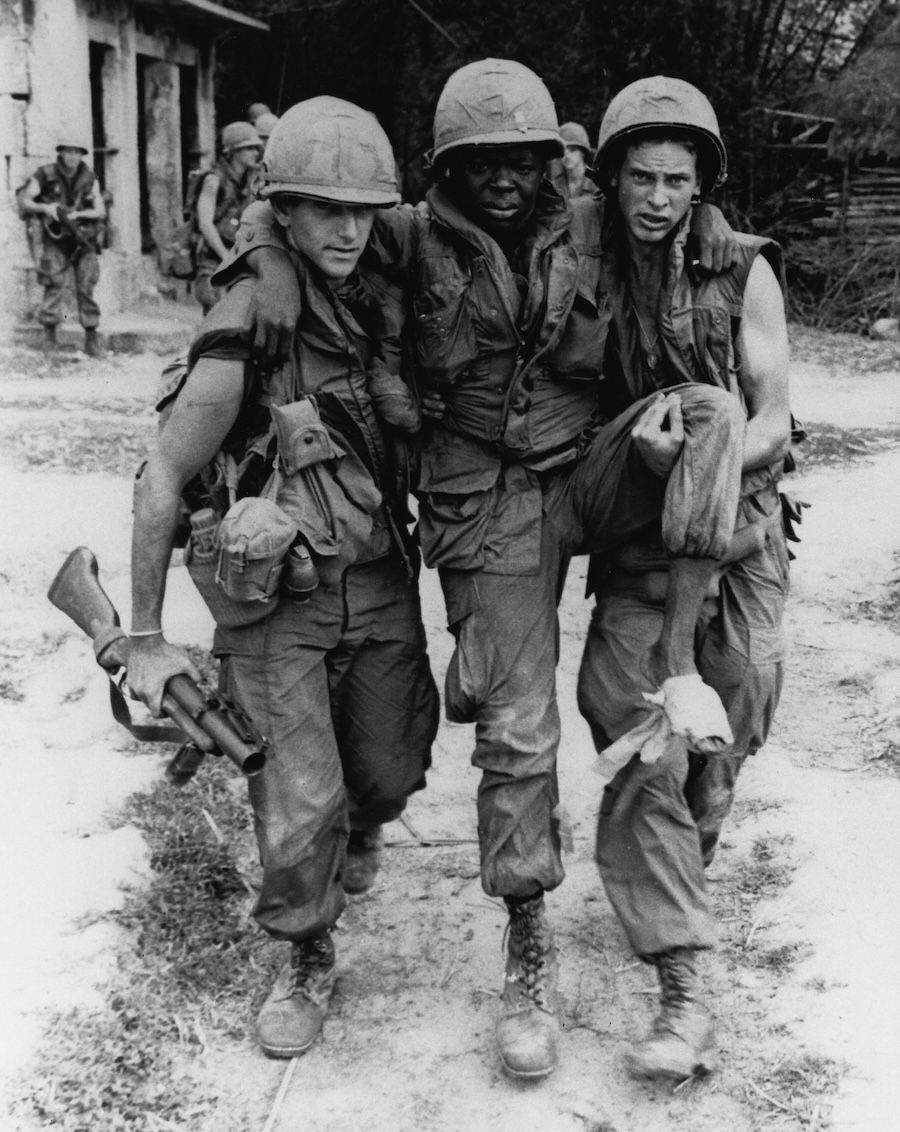
On the right and left are Vietnam War photos, one from page 54 and the other which didn’t make the workbook.
If you are looking for a class project, click here to see how one public high school in Tennessee has honored all of their former students who were killed in military service.
Cordell Hull was a Tennesssee native. Click here to see a virtual tour of his birthplace.
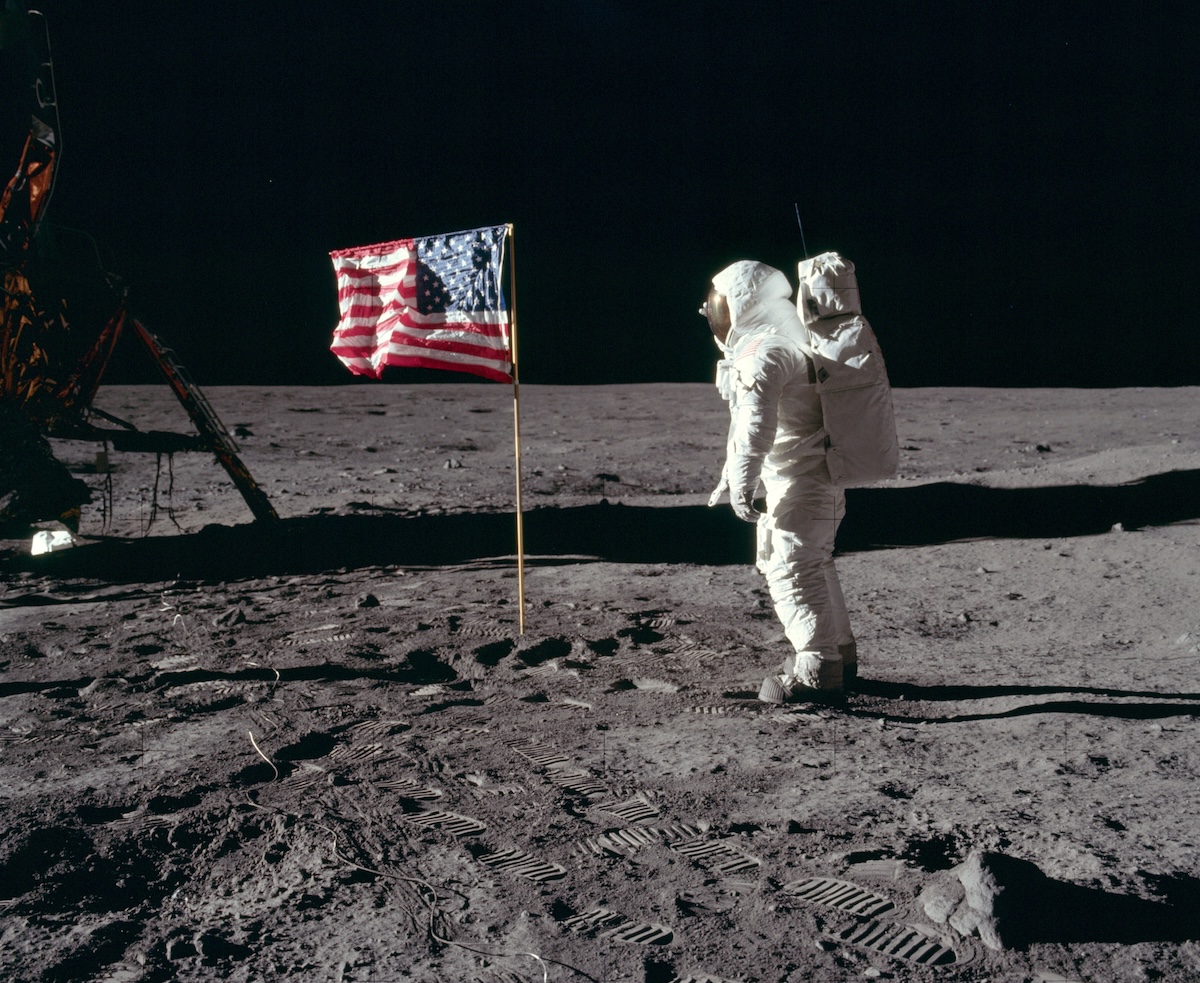
Buzz Aldrin salutes the U.S. flag on the moon. (NASA photo)
Finally, click on the right for the iconic photo of Buzz Aldrin on page 56.
Click here for a USA Today article about this photo.
Chapter 10: Suburbs and Interstates
Standards 4.41: Examine the growth of the United States as a consumer and entertainment society after World War II, including growth of the suburbs; increased access to automobiles; interstate highway system; and television, radio and movie theaters.
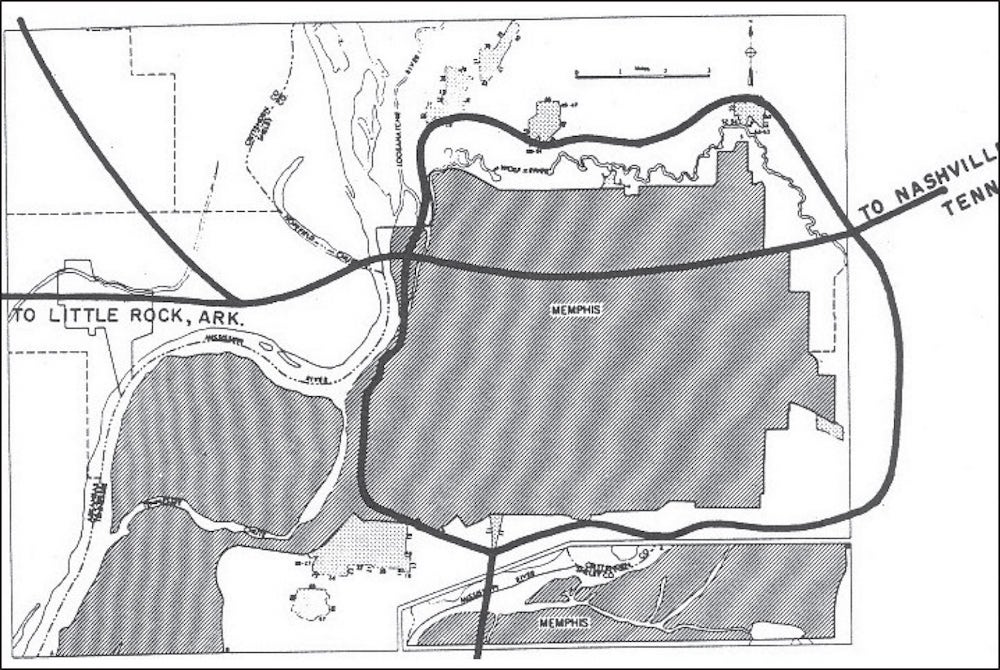
The original plan for interstates through Memphis
Memphis is one of the few cities in which the federal government’s original interstate plan was altered. Because of opposition to Interstate 40 going through Overton Park, a long legal battle ensued. In the end, the interstate went around Overton Park instead of through it. Here is a column I wrote about this.
Regarding Elvis Presley, click here to read a column about Sun Records, and the inside story on how Elvis was “discovered” there.
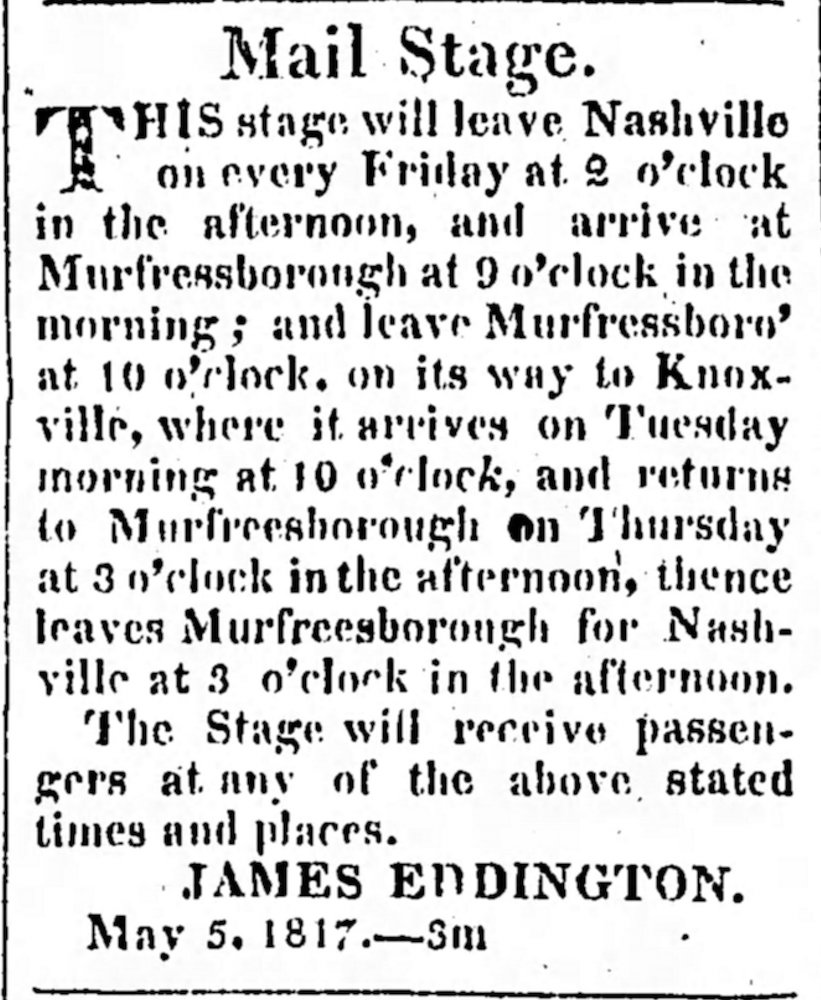
Nashville Whig; May 5, 1817
SIDEBAR: Four Days from Nashville to Knoxville
Standards 4.41: Examine the growth of the United States as a consumer and entertainment society after World War II, including growth of the suburbs; increased access to automobiles; interstate highway system; and television, radio and movie theaters.
Click on the right to see the stagecoach ad referred to on page 63.
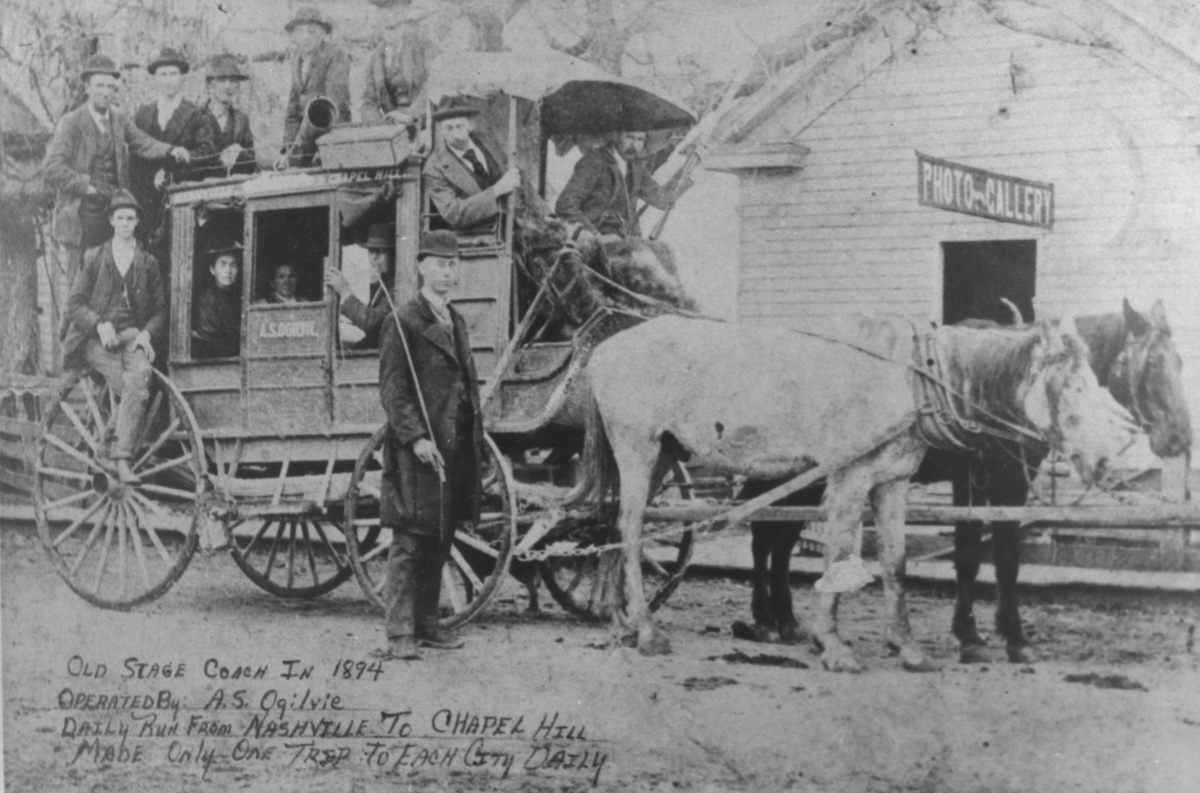
TN State Library and Archives photo
Click on the left to see the photo on page 63.
When cars were first becoming the rage between 1910 and 1930, Tennessee became famous for having really bad roads. Click here to read a column about the Volunteer State’s long saga to create its pars of the Dixie Highway after World War I.

TN State Library and Archives photo
Chapter 11: Separate Worlds
Standard 4.42: Analyze the key people and events of the Civil Rights Movement, including Martin Luther King Jr. and non-violent protests; Rosa Parks and the Montgomery Bus Boycott; Brown v. Board of Education and Thurgood Marshall; and Freedom Riders and Diane Nash.
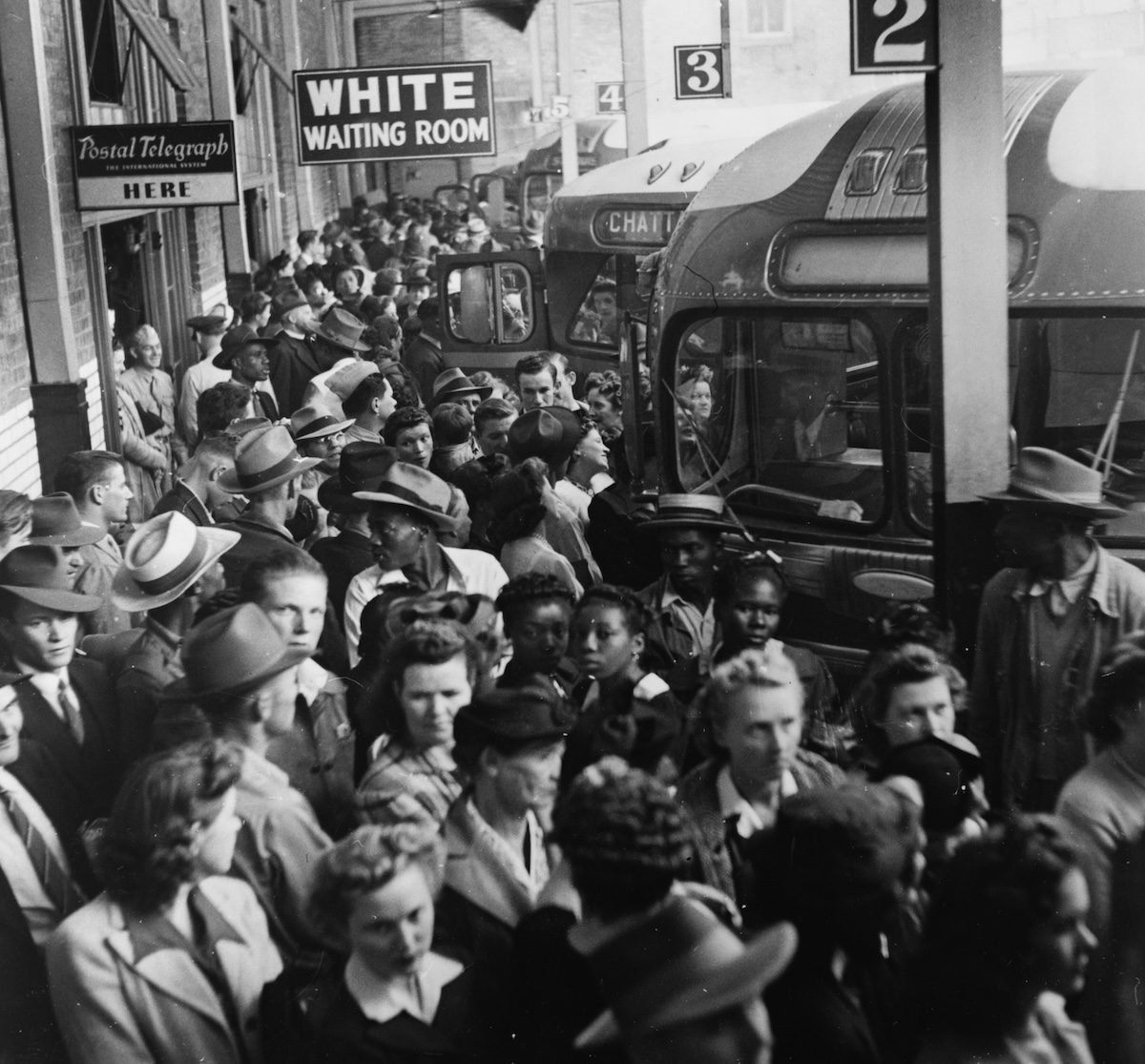
TN State Library and Archives photo
Standard 4.43: Explain the effects of the Civil Rights Movement, including the Civil Rights Act and the Voting Rights Act.
Click on the images on right and left to see much larger version of the photos on pages 68 and 69.

David Franklin Brock collection, TN State Library and Archives
Chapter 12: Civil Rights
Standard 4.42: Analyze the key people and events of the Civil Rights Movement, including Martin Luther King Jr. and non-violent protests; Rosa Parks and the Montgomery Bus Boycott; Brown v. Board of Education and Thurgood Marshall; and Freedom Riders and Diane Nash.
Standard 4.43: Explain the effects of the Civil Rights Movement, including the Civil Rights Act and the Voting Rights Act.
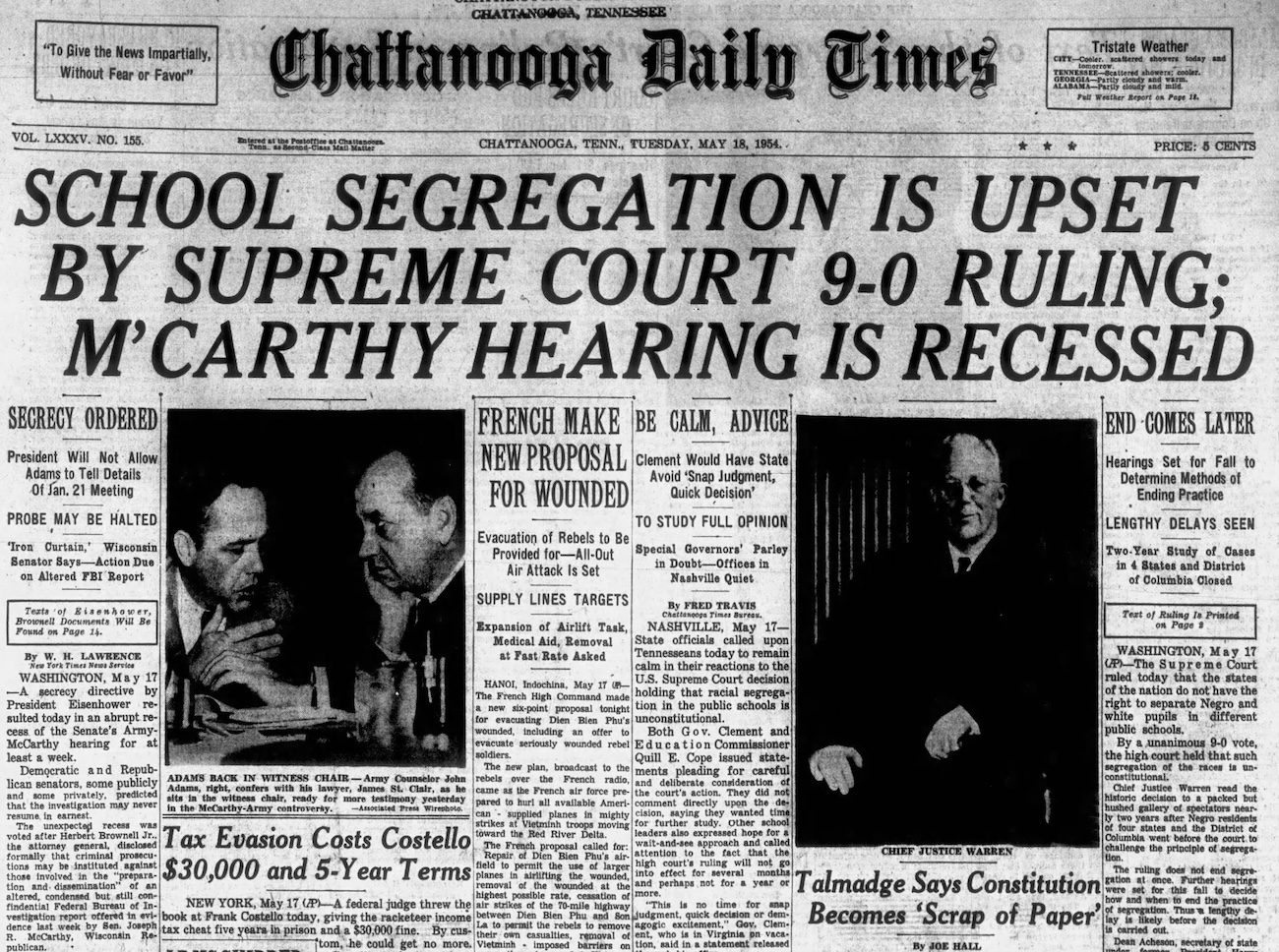
Front page of the Chattanooga Times, May 18, 1954
TEACHERS: Be aware that fifth graders will learn a LOT MORE about the events that occurred in Tennessee as part of the Civil Rights Movement in the stand-alone semester of Tennessee History, in the fall of fifth grade.
SIDEBAR: Mountaintop
Click here to learn the remarkable story behind the letter Martin Luther King was referring to in this speech.