Teacher’s Guide to American Machine (2027 edition)
Welcome to the teacher’s guide to the Tennessee History for Kids booklet called American Machine.
Rather than buying a single classroom set, please consider buying one for every student. We sell these booklets for $3.00 and print them on non-glossy paper because we want students to write in their booklets and keep them.
Please do NOT copy the booklets. That is a violation of our copyright and makes it difficult for our organization to exist.
If you would like the answers to the questions that appear in this booklets, email Bill Carey at bill@tnhistoryforkids.org.
Chapter One: Unbroken Line
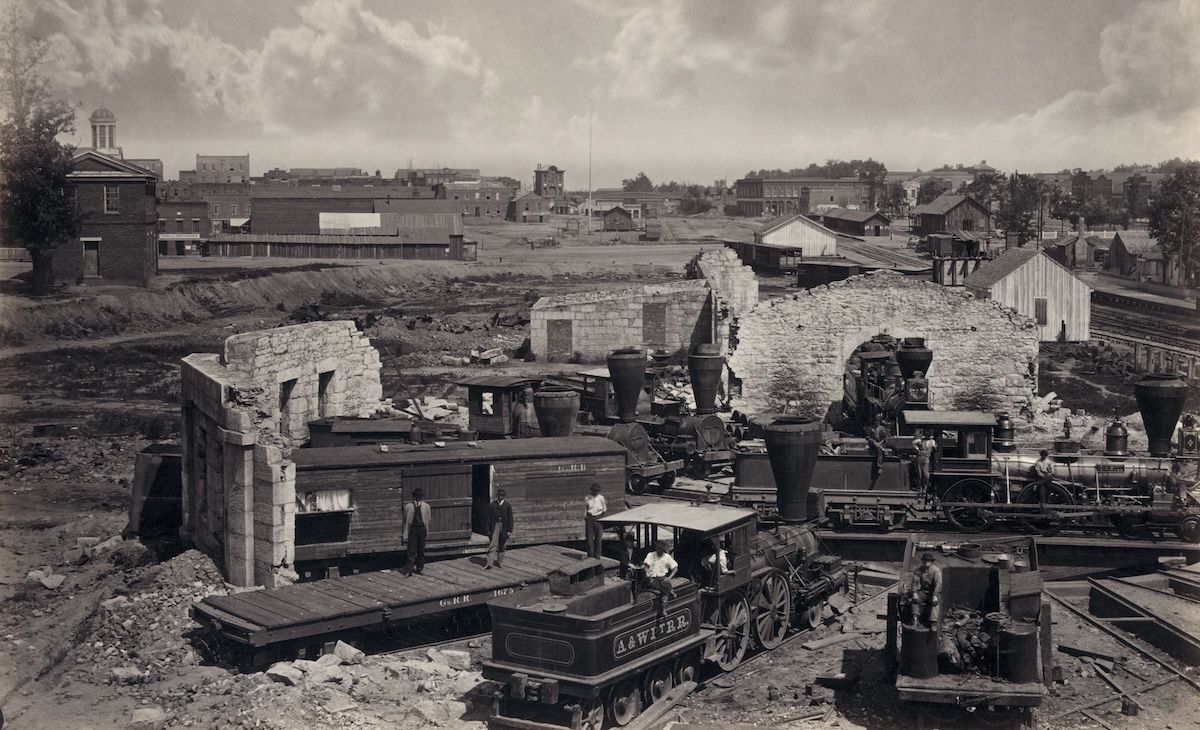
Library of Congress photo
Standard 4.17: Compare and contrast the goals of the Reconstruction plans of President Abraham Lincoln, President Andrew Johnson and Congress.
Standard 4.18: Identify the impacts of the outcome of the Election of 1876, including the Compromise of 1877, disenfranchisement, end of military reconstruction, lack of African American elected officials, Jim Crow laws and the rise of vigilante actions.
Click on the image on the right to see the photo on pages 2 and 3.
Chapter Two: Homesteads and Railroads

Nebraska State Historical Society; Solomon Butcher photo
Standard 4.19: Examine the appeal and challenges of settling the Great Plains from various cultural perspectives, including settlers, immigrants, Buffalo soldiers and American Indians.
Standard 4.20: Examine factors that encouraged development of the Great Plains, including the building of the Transcontinental Railroad, innovations (barbed wire, steel plow and windmills) and the Homestead Acts.
The photo of female homesteaders on page 7 is really something. Click on the image of the right to see it larger.
When you create a booklet, maps often can’t be blown up as large as you like. Click here to see a much much larger version of the Transcontinental Railroad map on pages 8 and 9.
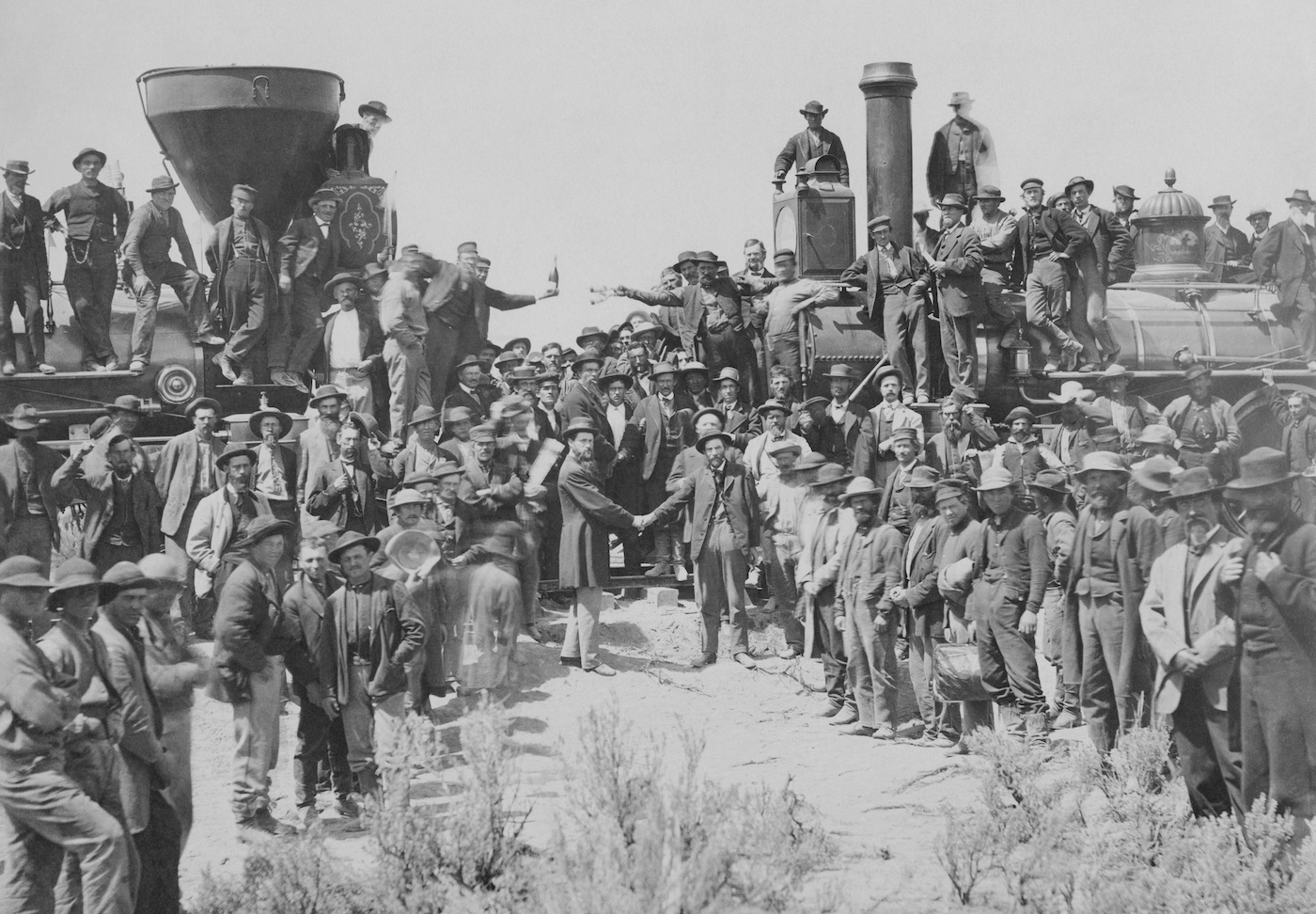
National Archives photo
The wonderful folks at Golden Spike National Historic Site in Utah have had after-school inservices with TN History for Kids in the past. Subscribe to our email newsletters to learn whether we’ll be having one this year.
Click here to check out the park’s website.
SIDEBAR: Plow, Windmill, Devil’s Rope
 Standard 4.19: Examine the appeal and challenges of settling the Great Plains from various cultural perspectives, including settlers, immigrants, Buffalo soldiers and American Indians.
Standard 4.20: Examine factors that encouraged development of the Great Plains, including the building of the Transcontinental Railroad, innovations (barbed wire, steel plow and windmills) and the Homestead Acts.
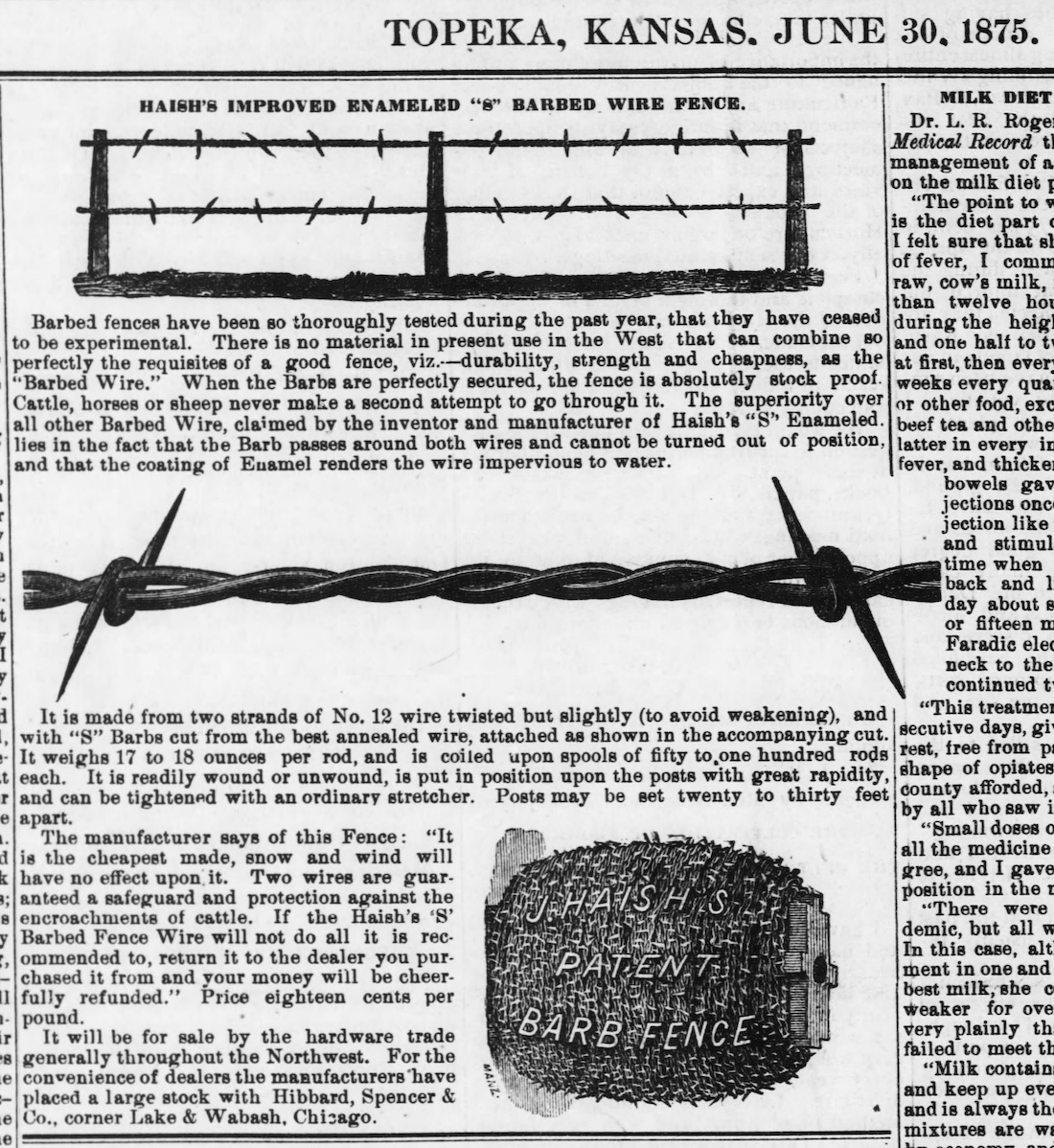
Click on the right to see a huge advertisement for barbed-wire fencing in the June 30, 1875, Kansas Farmer newspaper.
Chapter Three: Disappearing Bison

Four Apache Indian warriors (Library of Congress photo)
Standard 4.19: Examine the appeal and challenges of settling the Great Plains from various cultural perspectives, including settlers, immigrants, Buffalo soldiers and American Indians.
A lot of people refer to bison as buffalo, which, it turns out, is inaccurate. As the Encyclopedia Britanica states: “Contrary to the song “Home on the Range,” buffalo do not roam in the American West. Instead, they are indigenous to South Asia (water buffalo) and Africa (Cape buffalo), while bison are found in North America and parts of Europe. Despite being a misnomer—one often attributed to confused explorers—buffalo remains commonly used when referring to American bison, thus adding to the confusion.”
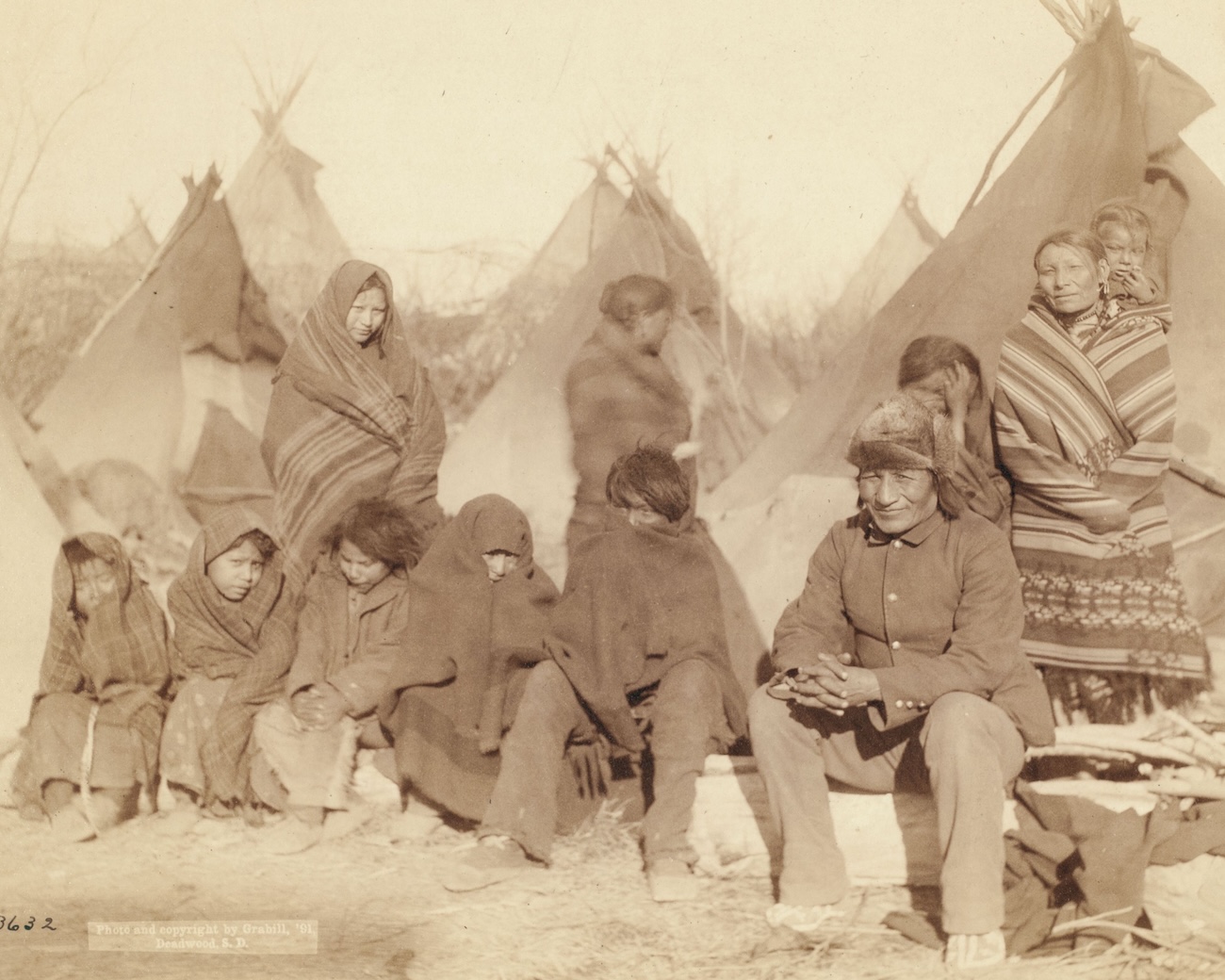
Some of the survivors of the Wounded Knee Massacre (National Archives photo)
Click on the left to see the haunting photo on page 18.
Also, the battle referred to as “Custer’s Last Stand” on page 18 is now formerly known as the Battle of Little Bighorn. Click here to visit the Little Bighorn Battlefield National Monument.
SIDEBAR: Buffalo Soldiers

Library of Congress photo
Standard 4.19: Examine the appeal and challenges of settling the Great Plains from various cultural perspectives, including settlers, immigrants, Buffalo soldiers and American Indians.
Click here to read an article in American Heritage Magazine about how General Colin Powell started the ball rolling to create the Buffalo Soldier monument at Fort Leavenworth, Kansas.

Men who mined coal at the Dunlap coal mines in the 1920s. (Dunlap Coke Ovens Park photo)
Chapter Four: New South
Quite a bit of supplemental information for this chapter can be found on the Tennessee History for Kids website.
Click here for a virtual tour of the Dunlap Coke Ovens and here for a ride through the history of the Tennessee Central Railway.
Here for the White County history site and here for the Grundy County history site.
And here for a column about how a railroad line known as the “Mountain Goat” shaped the history of Franklin and Grundy counties.
Chapter Five: Tennessee to Kansas
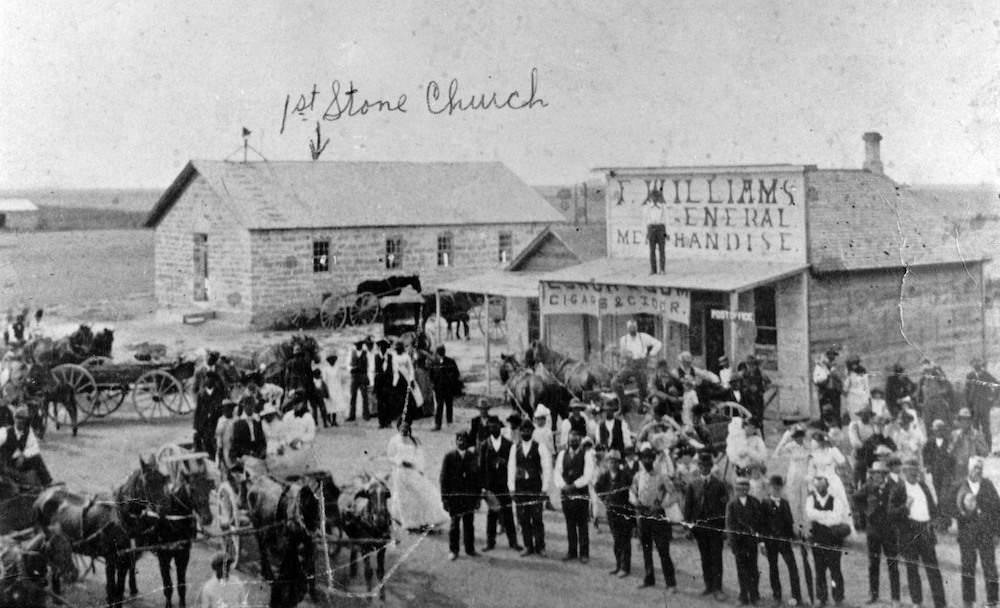
Nicodemus National Historic Site photo
Standard 4.19: Examine the appeal and challenges of settling the Great Plains from various cultural perspectives, including settlers, immigrants, Buffalo soldiers and American Indians.
On the TN History for Kids website is a virtual tour “in search of” the Exodusters. Click here to see it.
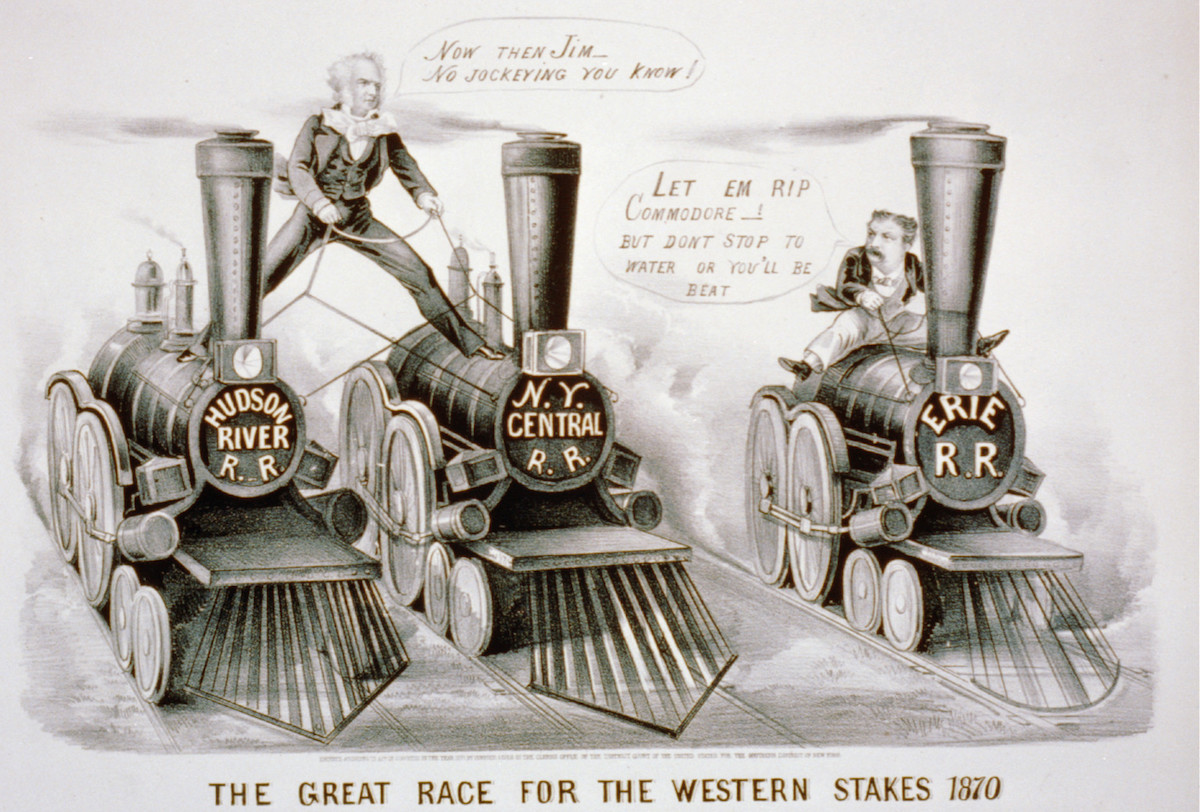
Currier and Ives image
Chapter Six: Gilded Age
AND
Sidebar: Giving Back
Standard 4.23: Examine the impact of important enterpreneurs on American society during the Gilded Age (for example Andrew Carnegie, John D. Rockefeller, Cornelius Vanderbilt and Madam C.J. Walker).
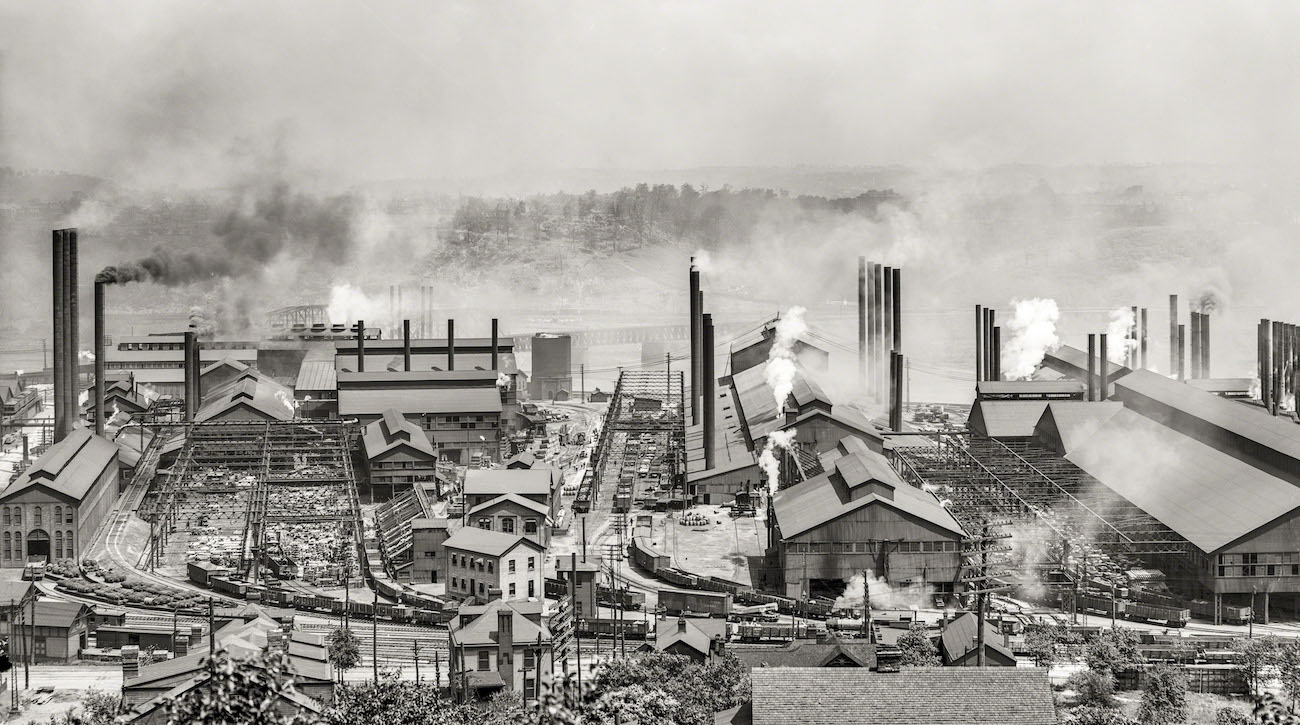
Library of Congress photo
Two images in this chapter deserve a closer look. Click on them on the right, and the left, to make them larger.
Meanwhile… on the bottom of page 34, it is stated that the original definition of “skyscraper” was a building 10 stories or taller. Click here to read a Tennessee Magazine column about how the changing definition of the word “skyscraper” has meant that all four Tennessee cities have had several generations of their “first” skyscraper.
Chapter Seven: Age of Inventors
Standard 4.24: Examine the contributions and impact of inventors (for example, Alexander Graham Bell, George Washington Carver, Thomas Edison and Eliza Murfey) on American society.
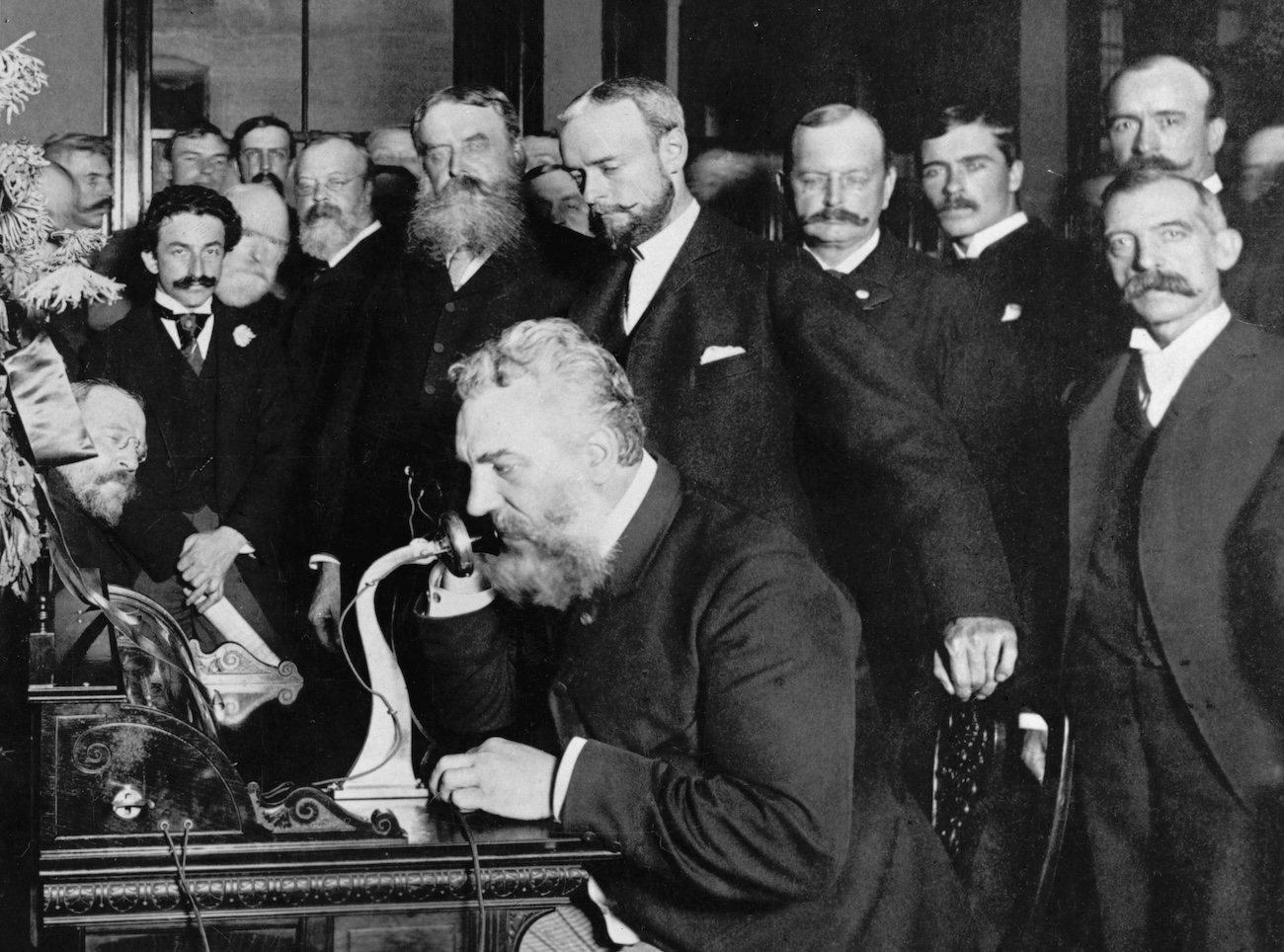
Library of Congress photo
There is a wonderful Thomas Edison Museum in Menlo Park, New Jersey. Click here to check it out.
There is also a great George Washington Carver museum in Tuskegee, Alabama. Click here to be taken to its website.
The photo on page 40 of Alexander Graham Bell’s first long-distance phone call reminds us that people don’t look the same as back then. Click on the image to make it larger. As your students how people look differently now than they did in 1892.
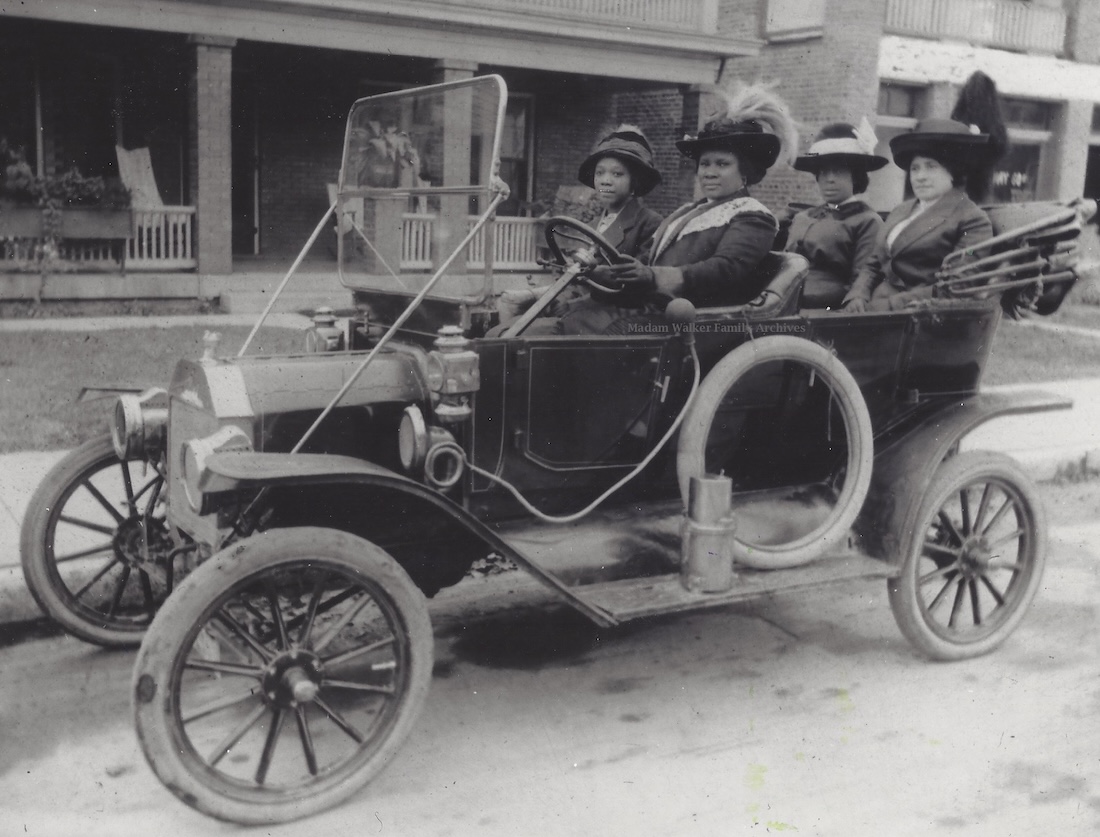
Madam Walker Family Archives
SIDEBAR: Millions from Hair
Click on the right to see the wonderful photo on page 43.
Chapter Eight: Unions and Sausages
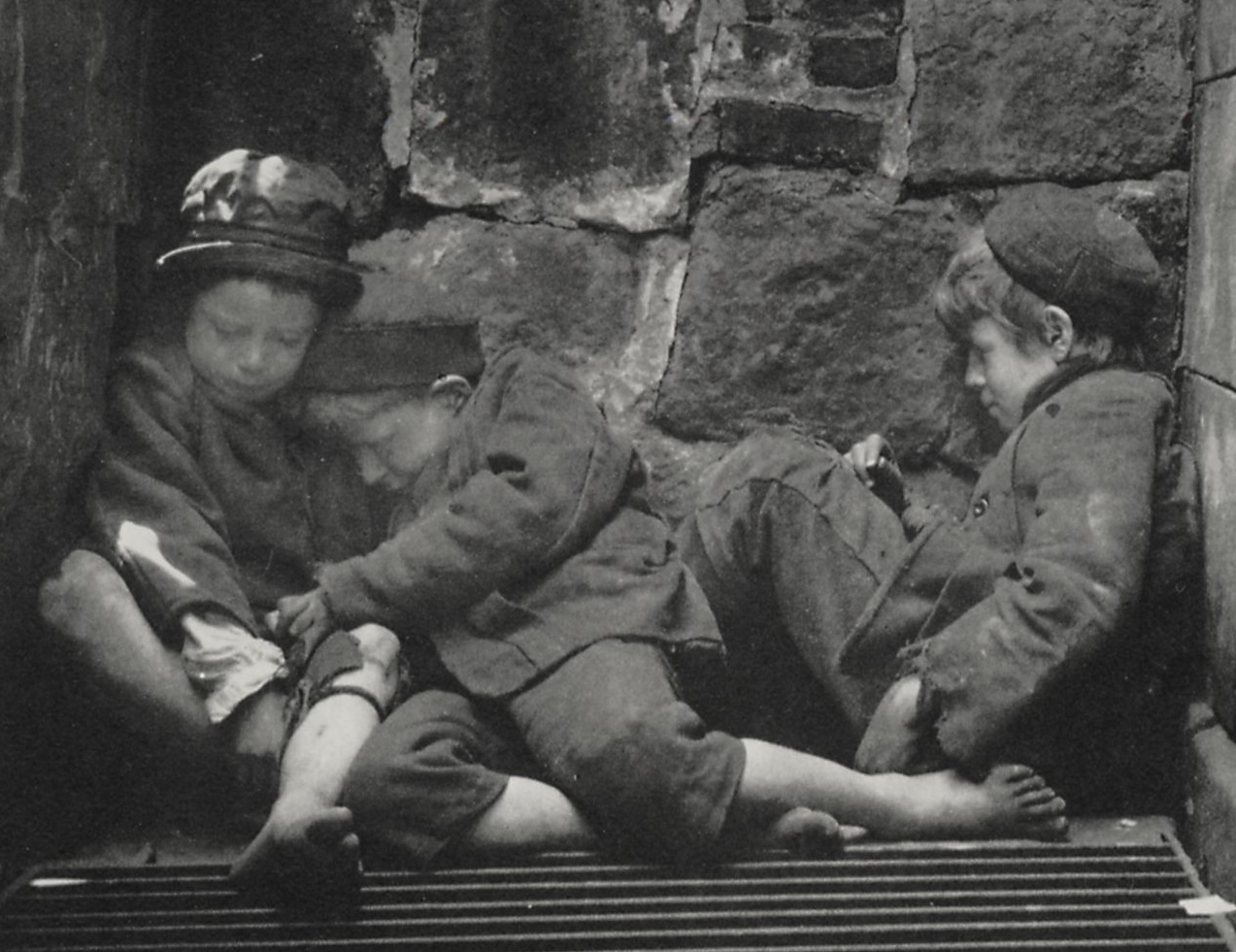
Jacob Riis photo
Standard 4.21: Describe characteristics of the Second Industrial Revolution (for example, industrial capitalists, monopolies, unsafe working conditions).
Standard 4.22: Explain the role of labor unions and the American Federation of Labor in changing the standards of working conditions
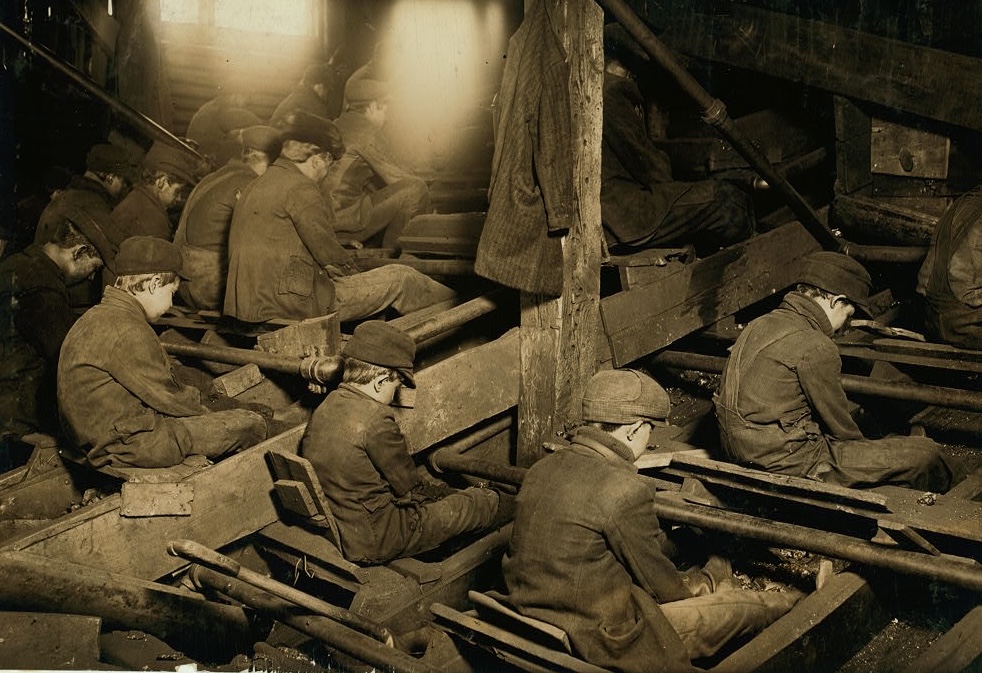
Lewis Wickes Hine photo
Standard 4.23: Examine the impact of important enterpreneurs on American society during the Gilded Age (for example Andrew Carnegie, John D. Rockefeller, Cornelius Vanderbilt and Madam C.J. Walker).
Click on the images on the right and left to see much larger versions of the photos on pages 46 and 47.
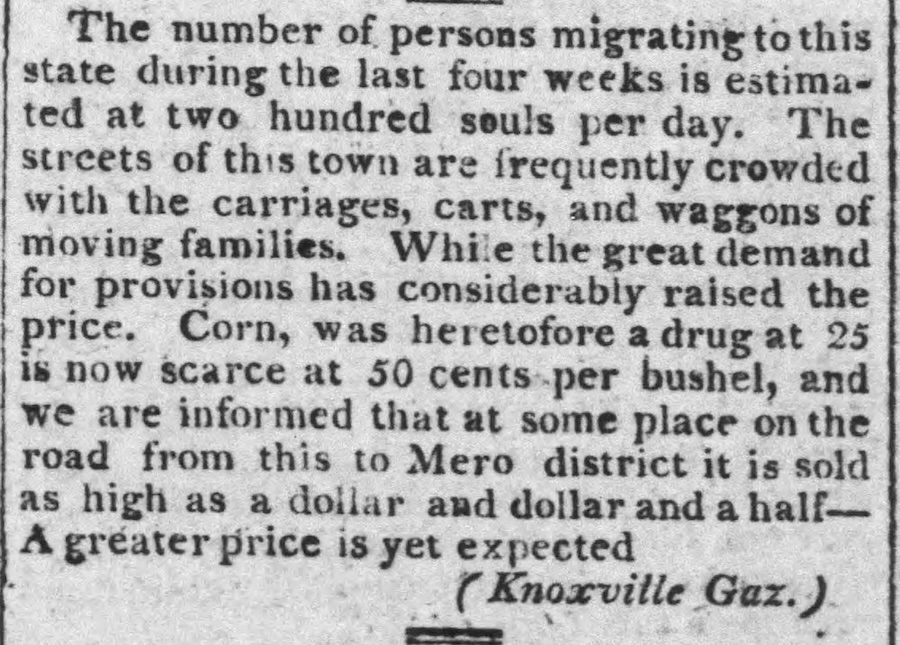
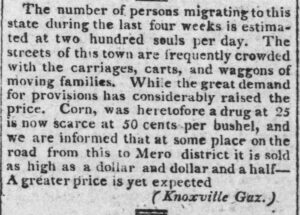 Chapter Nine: Nation of Immigrants
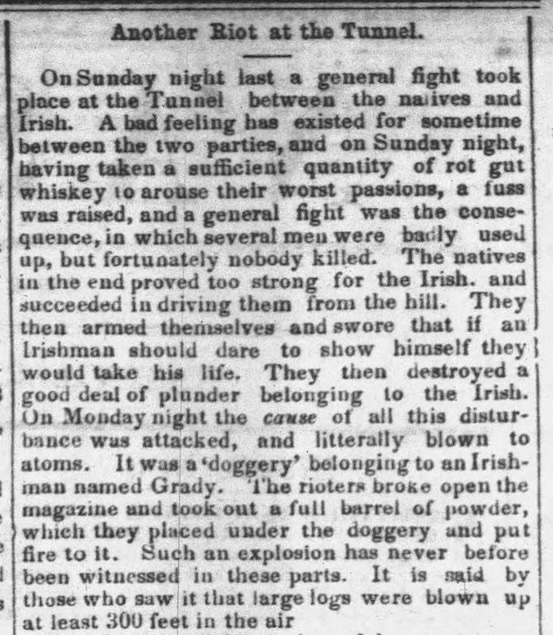
Nashville Daily Union; Oct. 31, 1850
Standard 4.25: Describe the challenges for successful entry into the United States through Ellis Island and Angel Island, and examine the role of immigrants in the development of the United States.
Click on the left and right to see Tennessee newspaper articles mentioned in this chapter.
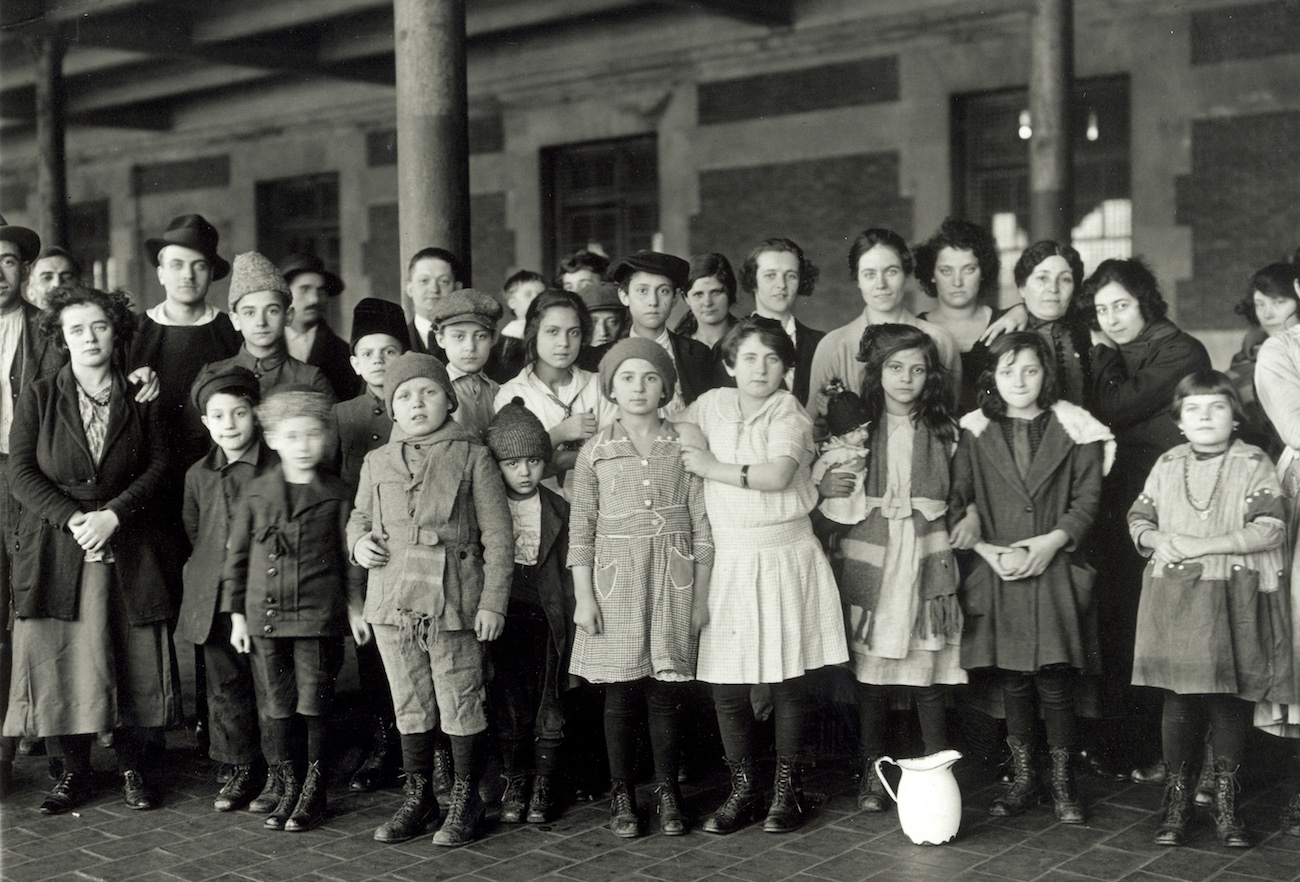
National Archives photo
Sidebar: Never Seen the Ocean
The photograph on page 30 is a remarkable one. Whenever I look at it closely I start to wonder who all these children were and what became of them. My eyes are also drawn to the girl clutching a doll in her right hand. Click on the image on the right to make it larger.
Chapter Ten: American Empire
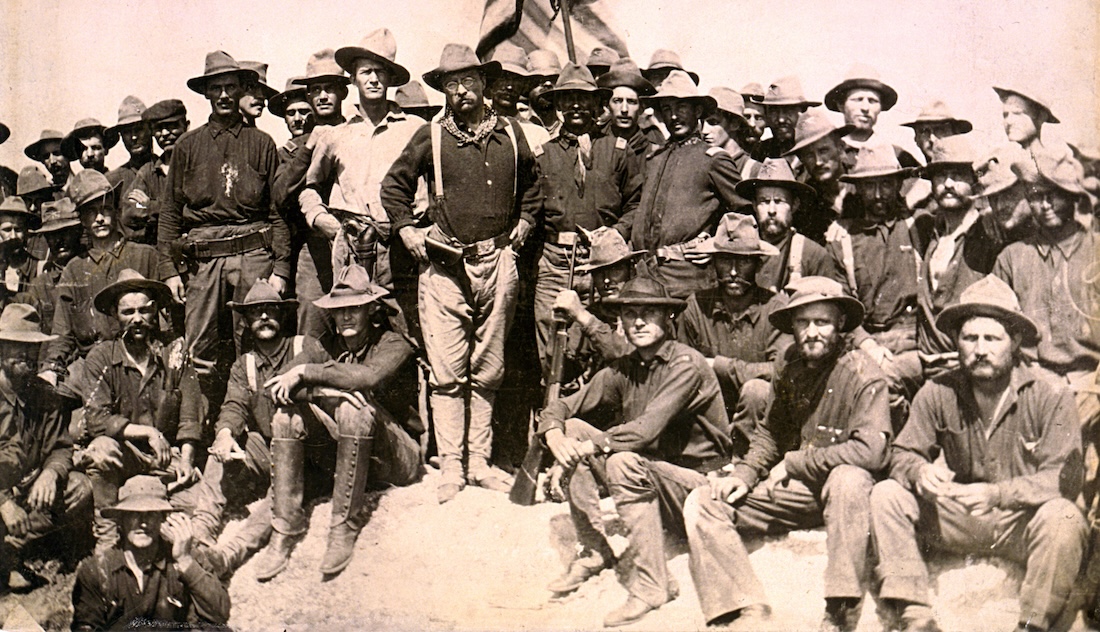
Library of Congress photo
Standard 4.26: Analyze the causes, course and consequences of the Spanish-American War, including Buffalo Soldiers, imperialism, rough riders, USS Maine, and yellow journalism.
Click on the image on the right to see it larger. It’s amazing to realize that there was a time when the president of the United States had actually done something notable in the military in his younger years.
Chapter 11: New Amendments
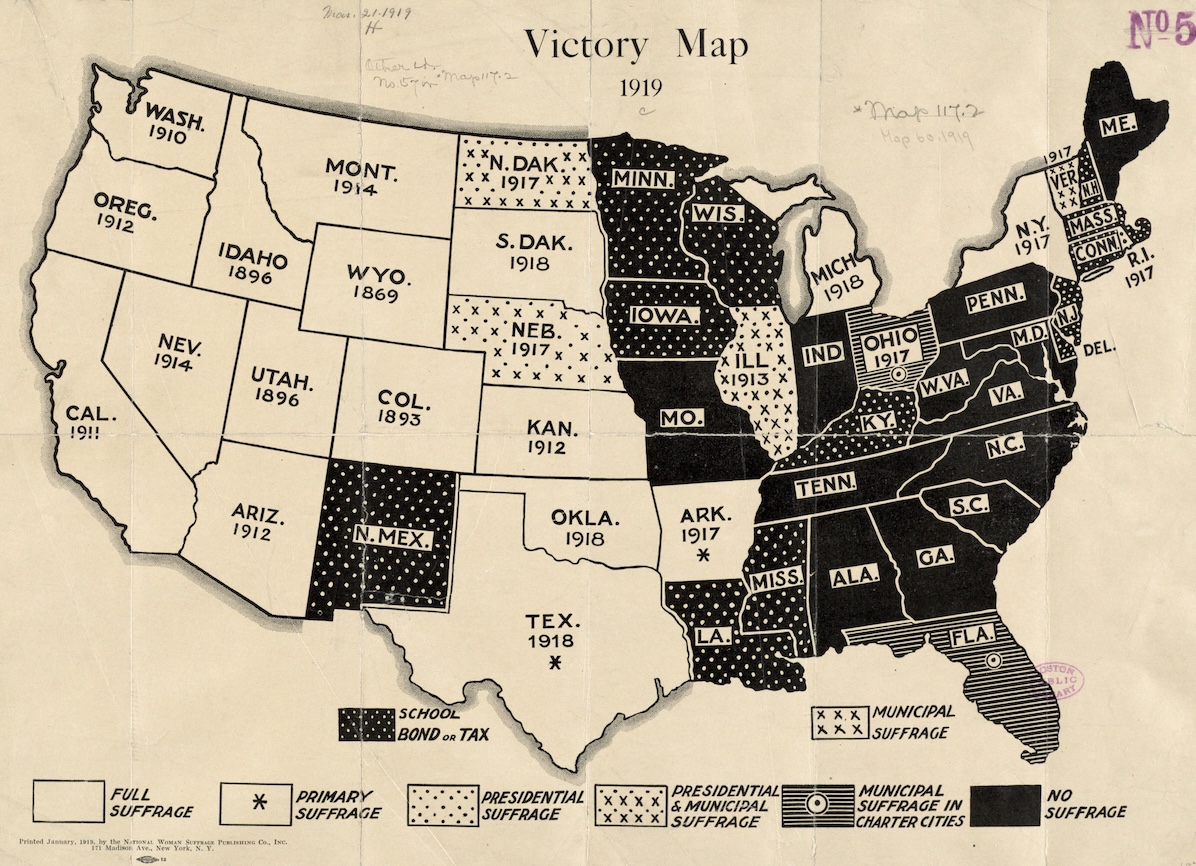
Boston Public Library Digital Collection
Standard 4.27: Analyze the major goals, struggles and achievement of the Progressive Era, including prohibition (18th Amendment), women’s suffrage (19th Amendment) and child labor.
On page 64, we talk about how different states allowed women to vote before the Nineteenth Amendment was passed. Click on the image on the right to see a map that makes this clearer.
Also, know that your students will learn a lot more about the passage on the Nineteenth Amendment (in Nashville) in fifth grade and when they take the U.S. history class usually taken in the eleventh grade.
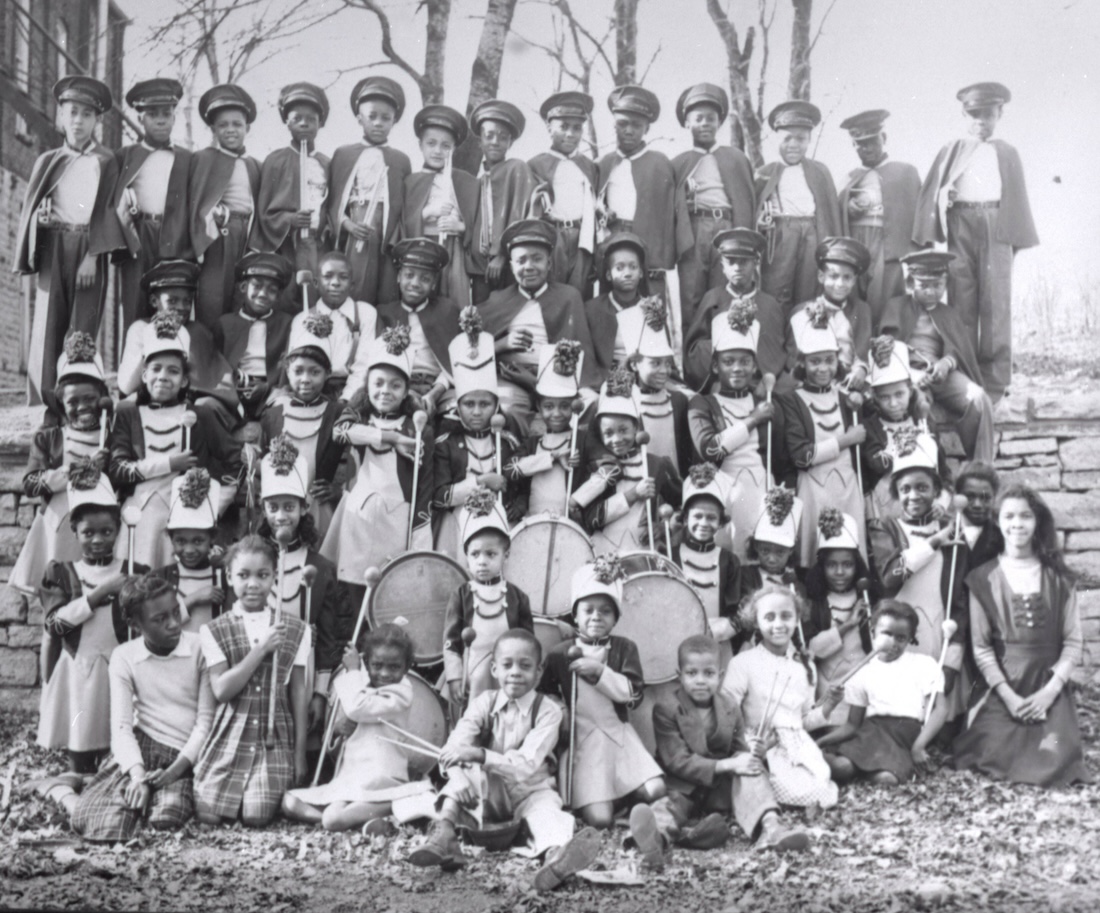
Pulaski City School’s Drum and Bugle Corps in 1946 (TN State Library and Archives photo)
Chapter 12: Limitations of the Movement
AND
SIDEBAR: The Power of Reading
Standard 4.18: Identify the impacts of the outcome of the Election of 1876, including the Compromise of 1877, disenfranchisement, end of military reconstruction, lack of African American elected officials, Jim Crow laws and the rise of vigilante actions.
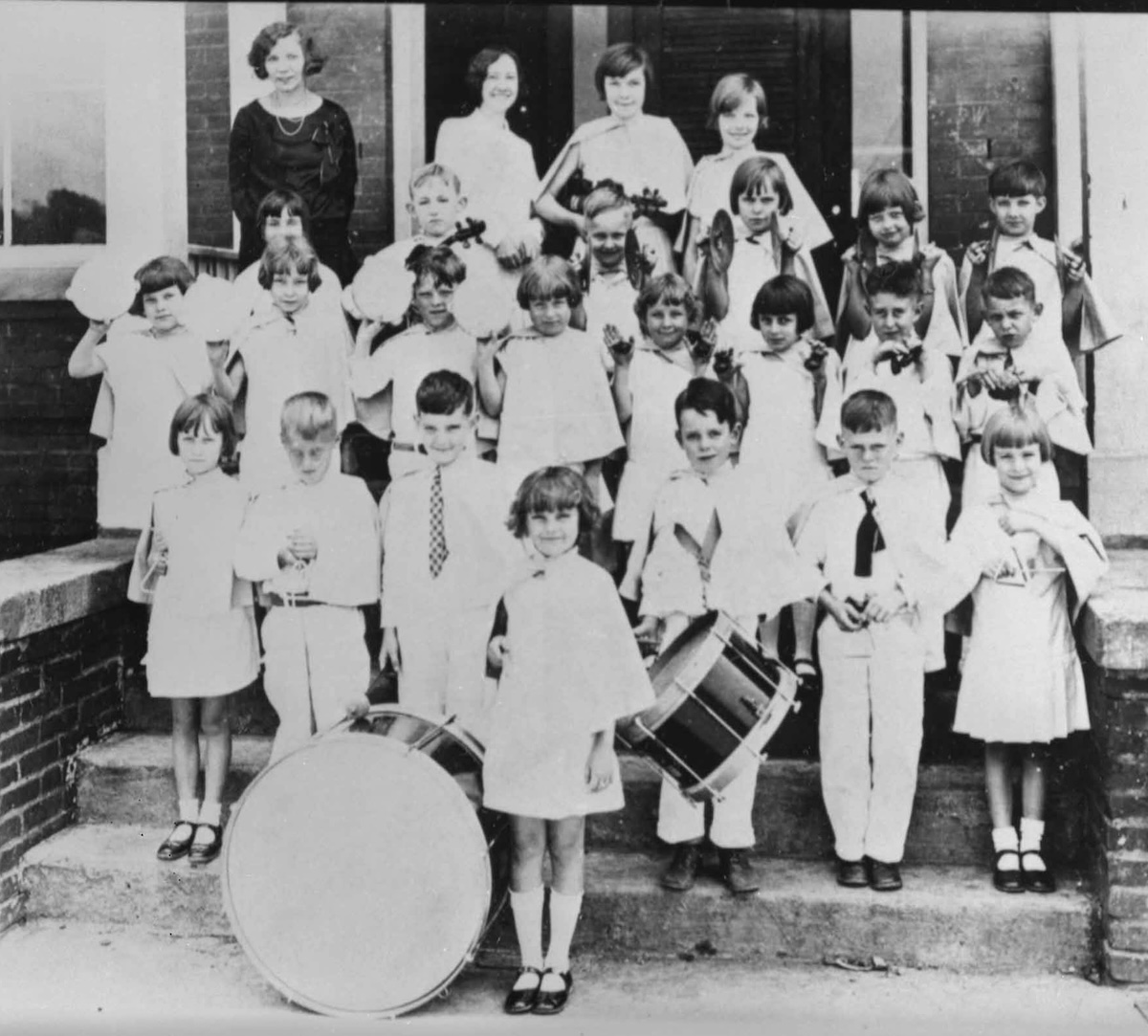
Students at Etowah Grammar School in 1928
Standard 4.27: Analyze the major goals, struggles and achievement of the Progressive Era, including prohibition (18th Amendment), women’s suffrage (19th Amendment) and child labor.
On the right and left you will see photos that were taken of schoolkids in the early 20th century. To repeat what is written on page 67: Every old photo of school kids in Tennessee shows either all black students or all white students.
Click here to read a column by “History Bill” how Tennessee’s voting laws were changed in the 1880s to make it harder, if not impossible, for former slaves to vote.
Click here to read a column about the lawsuit Ida Wells filed after she was thrown off the train in Memphis in 1883.
Also, the reason I included the sidebar called “The Power of Reading” is to inform students of two things: 1) Most people used to not be taught to read; 2) The act of reading isn’t tedious, but EMPOWERING! I hope Literacy/ELA teachers pick up on this!
Chapter 13: The Man Who Changed the World
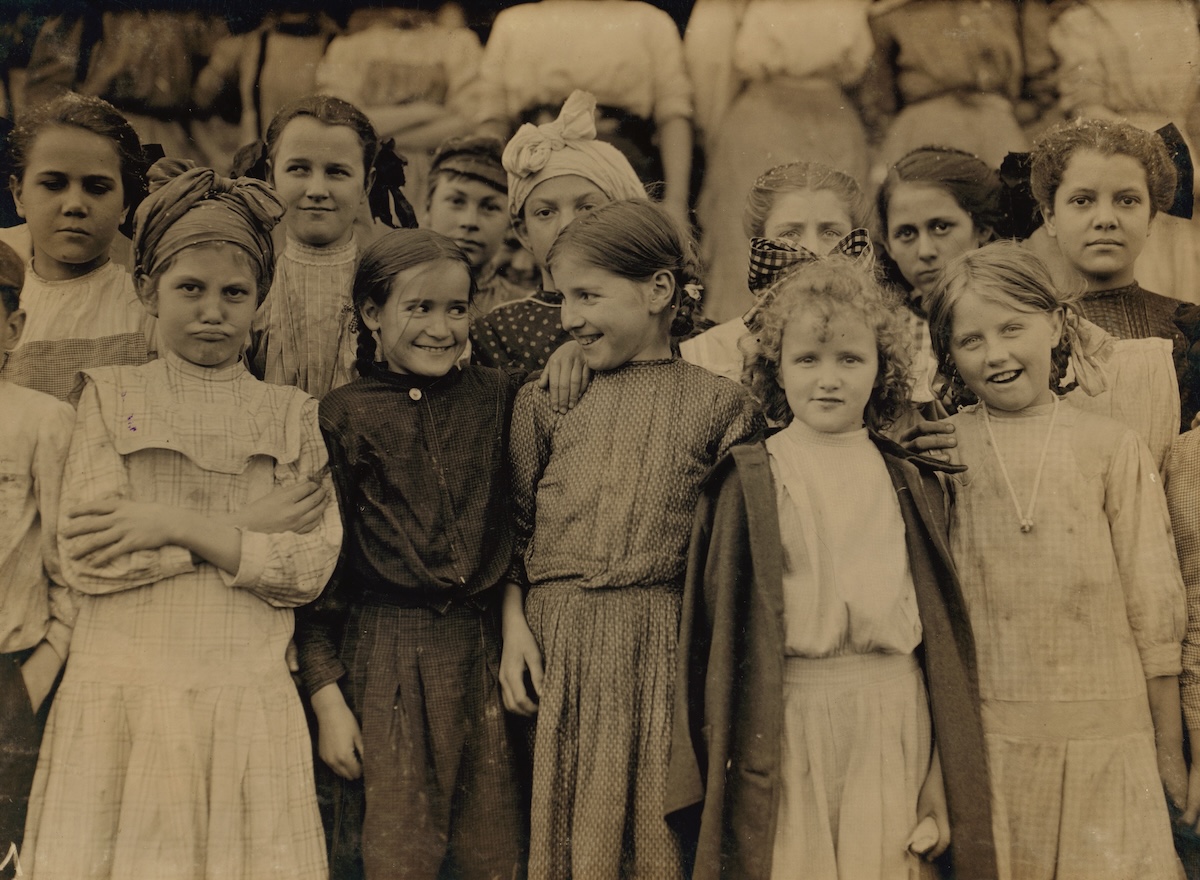
Standard 4.21: Describe characteristics of the Second Industrial Revolution (for example, industrial capitalists, monopolies, unsafe working conditions).

Standard 4.27: Analyze the major goals, struggles and achievement of the Progressive Era, including prohibition (18th Amendment), women’s suffrage (19th Amendment) and child labor.
Click on the right and left to see much larger images of the photos in this chapter.
Chapter 14: Ford and the 5-Day Workweek
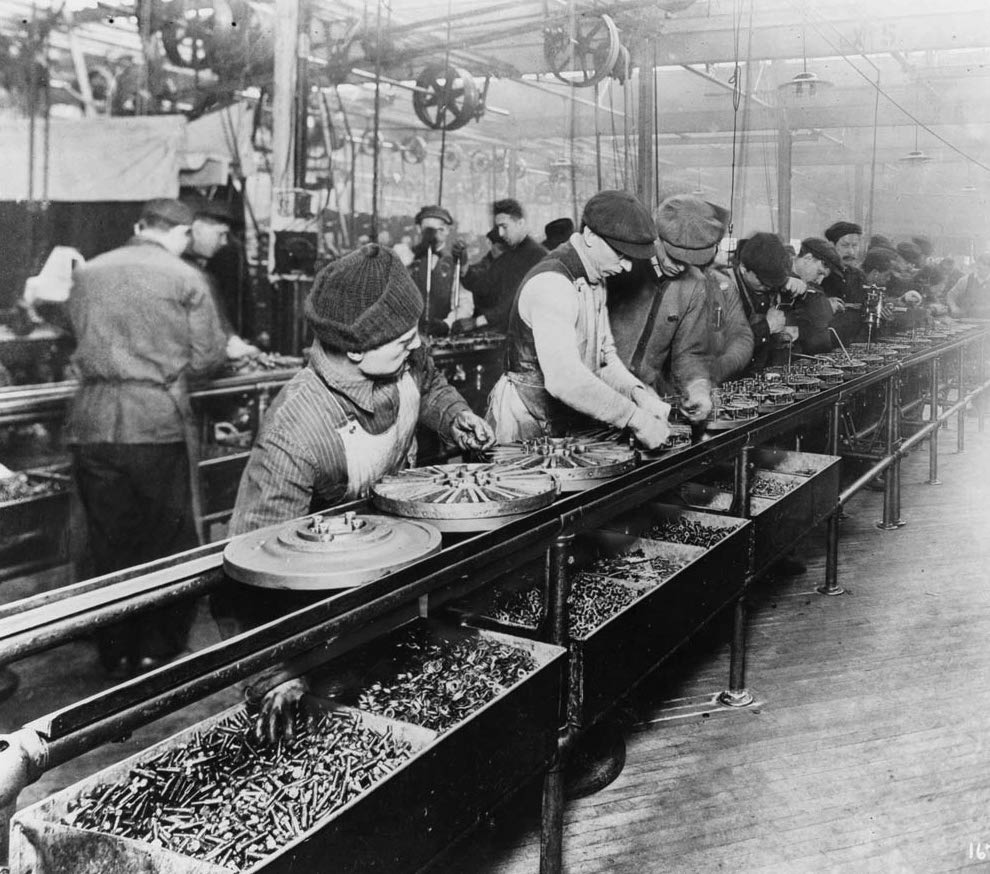
Ford Motor Company photo
Standard 4.22: Explain the role of labor unions and the American Federation of Labor in changing the standards of working conditions.
It is astonishing to me that Henry Ford’s name is not in the fourth grade social studies stands, since he change the U.S. more than a lot of people who are listed in the standards!
Click here for a detailed article about how the 5-day workweek came about.
Also, although it did not make money and didn’t last long, it is interesting to note that there was a car assembly plant in Nashville between 1904 and 1915 called the Marathon Motor Works. Click here to learn more about it.
A car built at the Marathon Motor Works is on prominent display at the Tennessee State Museum.
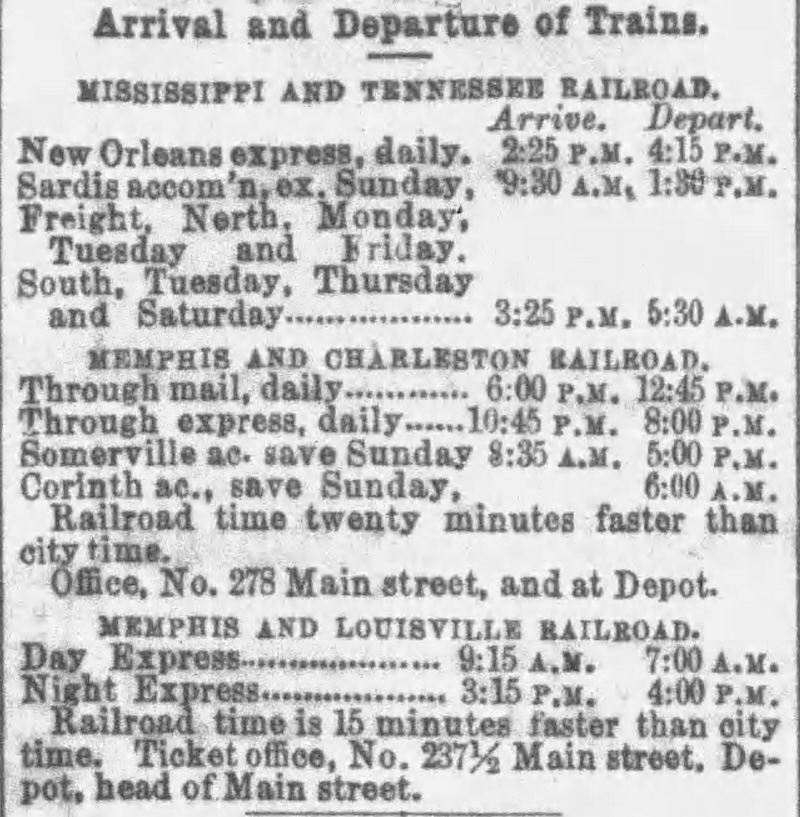
Memphis Public Ledger; April 21, 1868
SIDEBAR: True and Universal Time
Click on the right to see the newspaper item referred to on page 85, which tells readers that the Memphis and Charleston Railroad is 20 minutes faster than “city time,” while the Memphis and Louisville Railroad is 15 minutes faster than “city time.”

Click on the left to see an article from the November 18, 1883, Nashville Daily American — which was the day that that city adjusted to what is now called Central Time Zone.