Teacher’s Guide to Critters and Maps (2027 Edition)
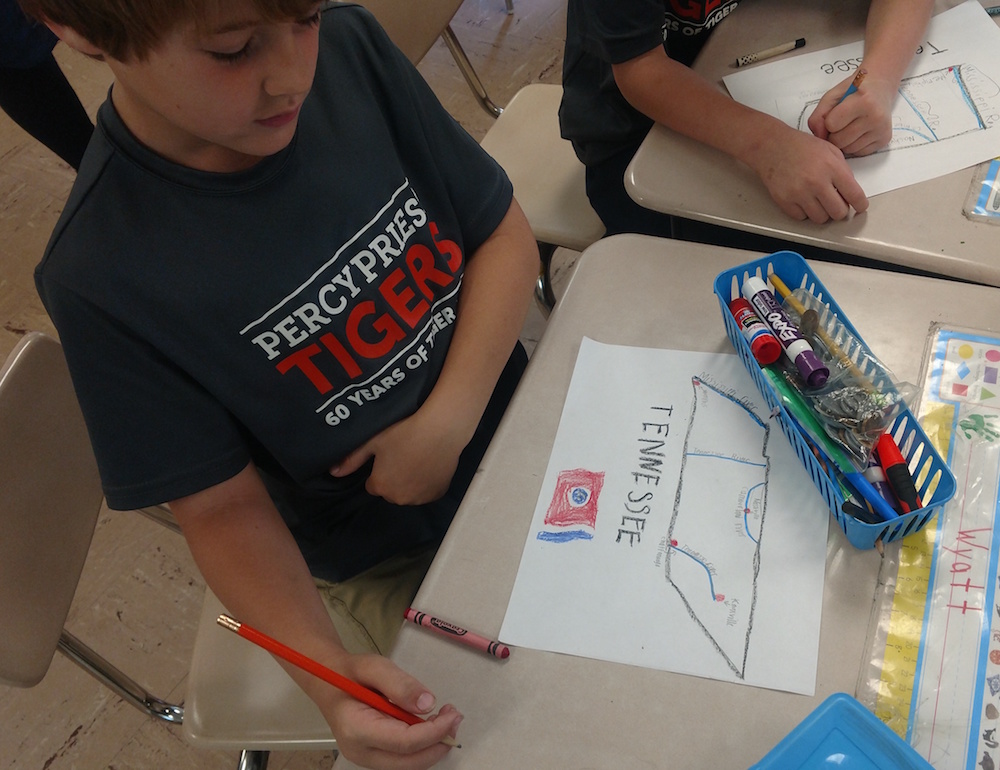
THFK photo
Welcome to the teacher’s guide to the Tennessee History for Kids booklet Critters and Maps (2027 edition).
One of the reasons we have this online teacher guide is to show teachers (and students) much larger versions of some of the photos that appear in the workbooks. Sometimes, small photos don’t do it justice! So… if you click on the photos shown here, you’ll be shown a much larger version!
Please do NOT copy the workbooks. That is a violation of our copyright and makes it difficult for us to continue to exist. The reason we sell them for only $3 and use paper that students can write on with a pencil is so teachers will not be tempted to copy the booklets.
If you have any comments about the workbook or would like the answers to the quiz questions in the booklet, please email Bill Carey at bill@tnhistoryforkids.org.
Chapter One: Maps
THFK photo
Standard 1.09: Recognize basic map symbols, including cities, lands, roads and rivers
Chapter Two: Symbols
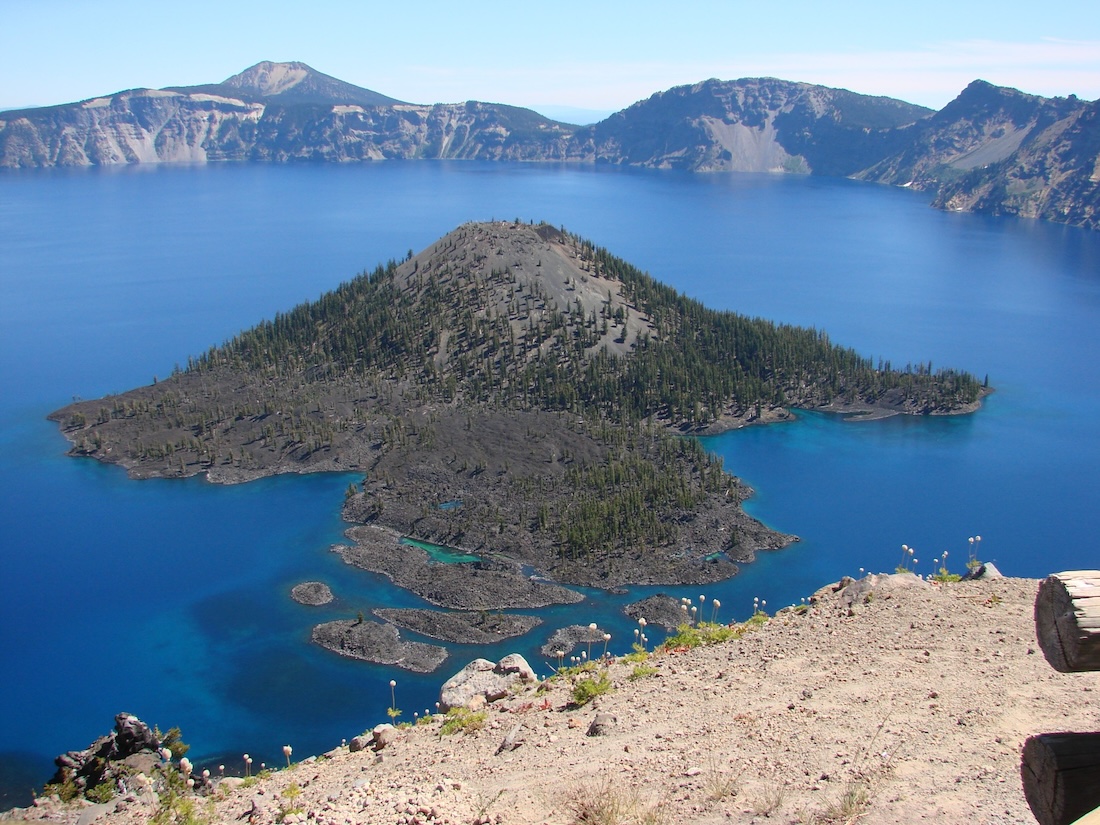
An island a lake in Oregon (ink knife_2000 photo/Wikipedia)
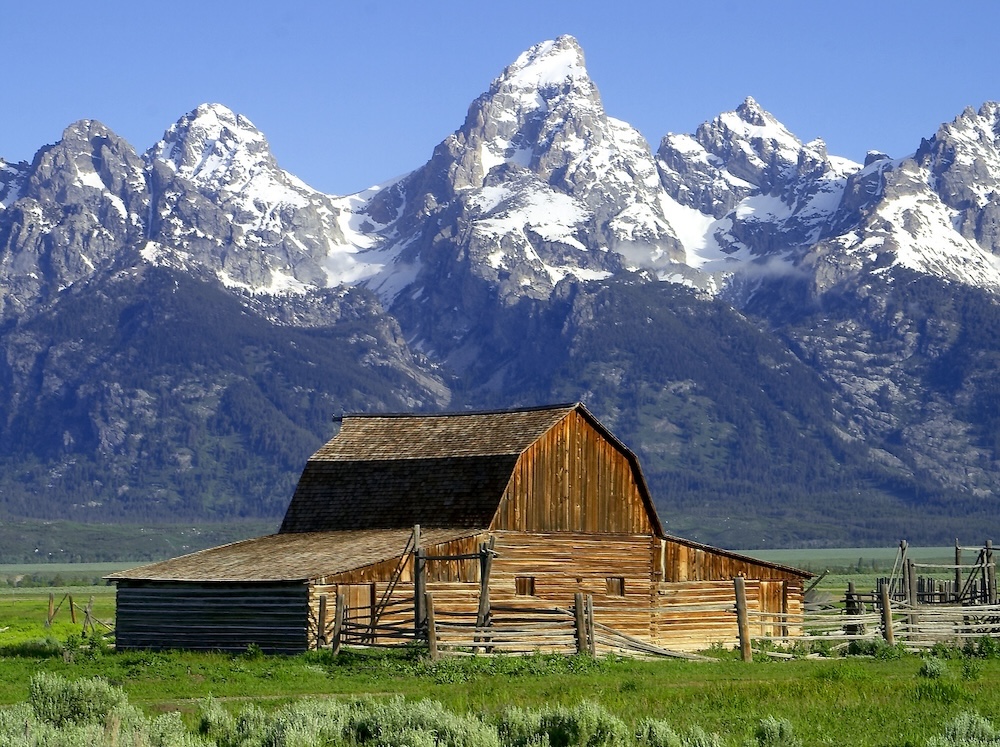
The Grand Teton mountains in Wyoming (Jon Sullivan photo)
Standard 1.09: Recognize basic map symbols, including cities, lands, roads and rivers
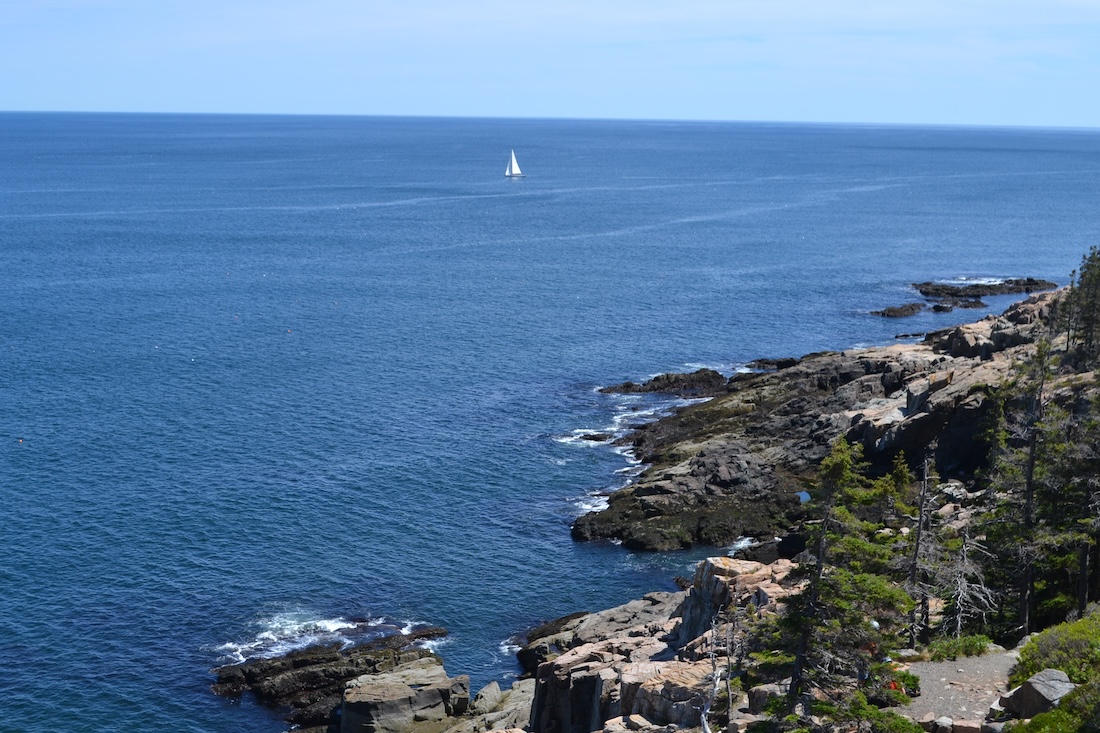
The Atlantic Ocean (THFK photo)
Standard 1.12 Distinguish the difference between a lake, mountain, ocean and river
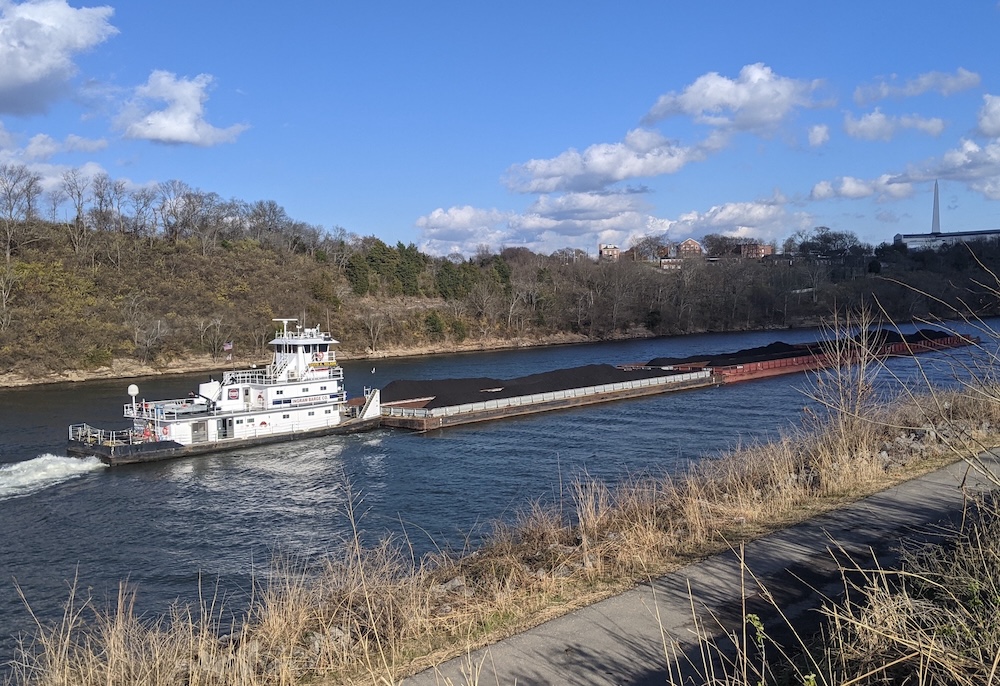
THFK photo
On the left and right are photos of a lake, mountain, ocean and a river.
Click on them to make them larger.
Sidebar: Which Way is Up?
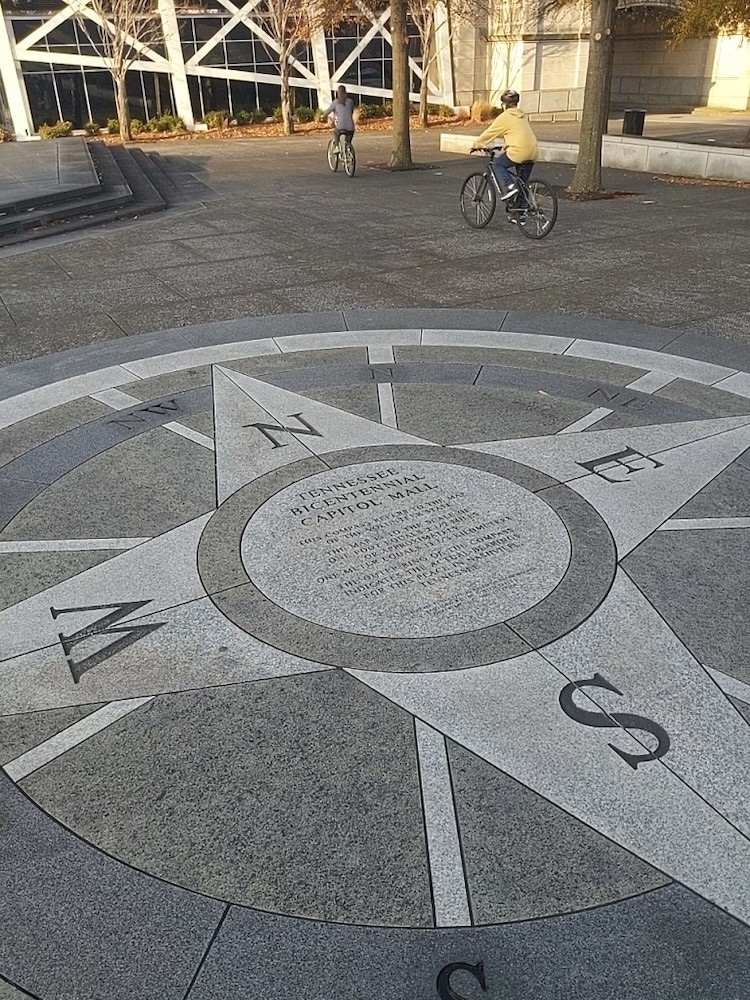
THFK photo
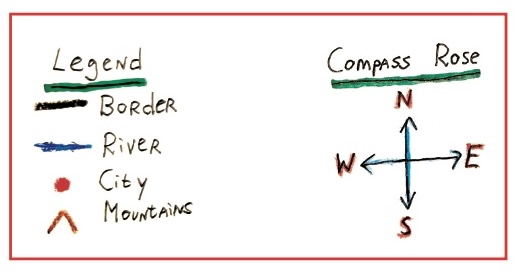
Standard 1.11 Use cardinal directions (North, South, East and West) on a map
To the right you can see the compass rose at the Bicentennial Mall State Park in Nashville.
Click here to take a virtual tour of it, and here to see a video where “History Bill” visits it.
Chapter Three: Lines, Dots and Paper
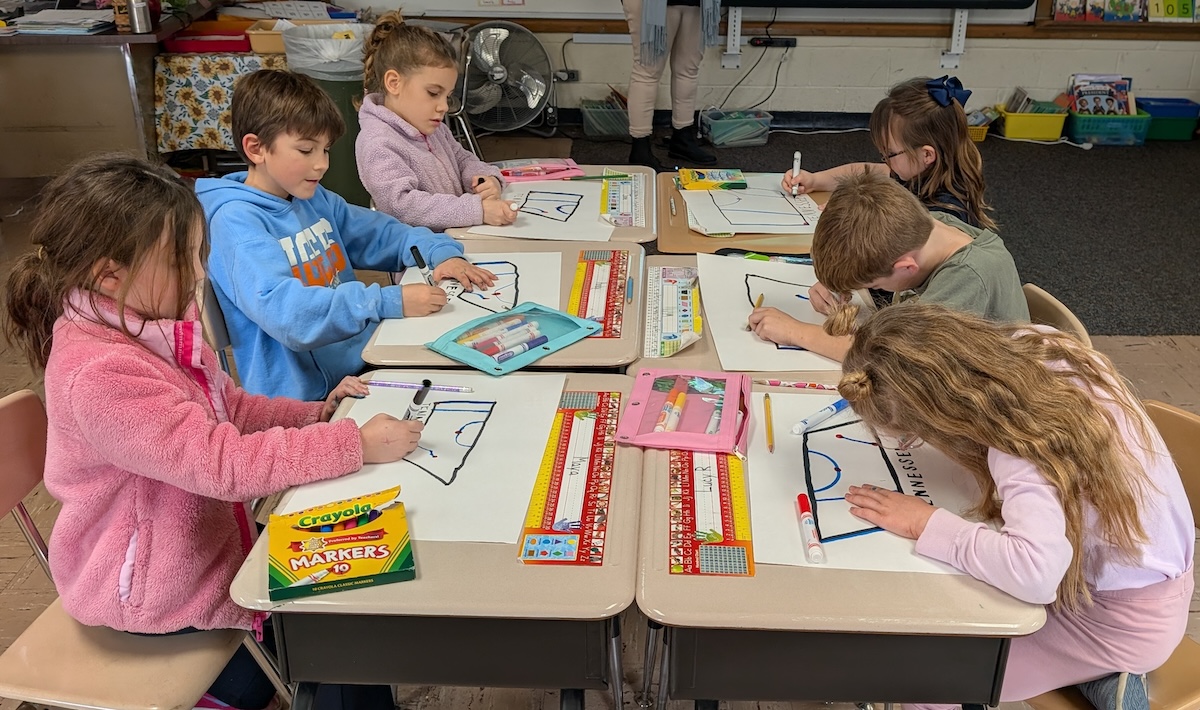
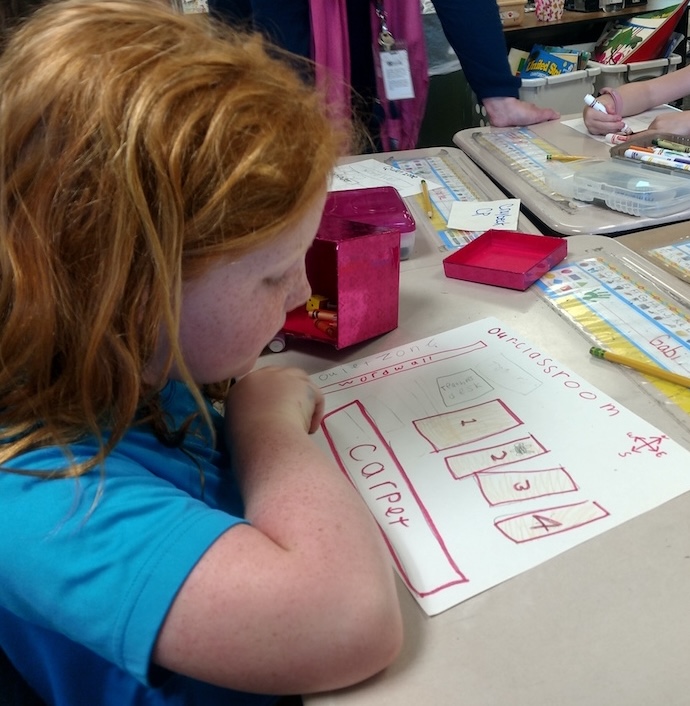
THFK photo of Christina Brumleve’s classroom at Percy Priest Elementary School in Nashville
Standard 1.10: Locate on a map Tennessee Memphis, Nashville, Knoxville, Chattanooga and Washington D.C.
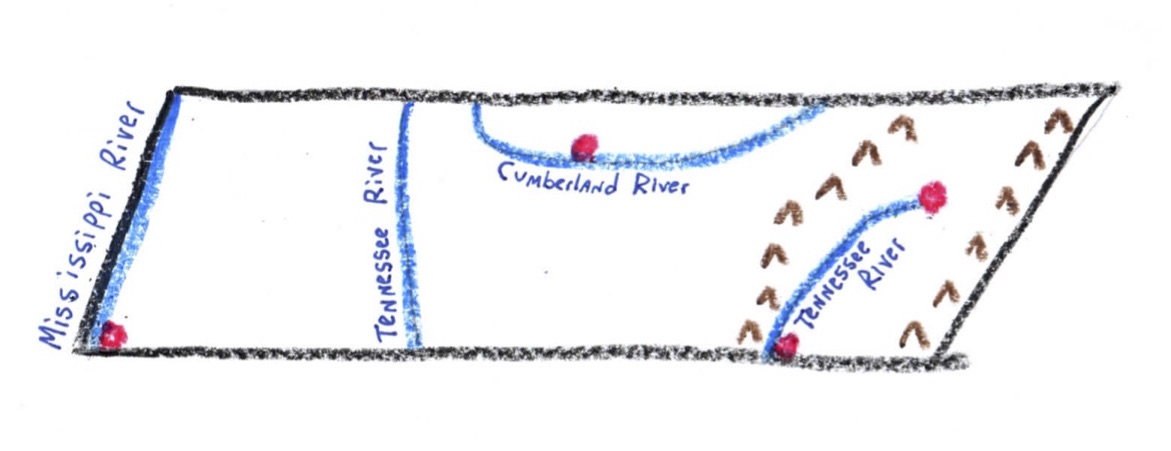
Standard 1.13: Identify and locate on a map the three Grand Divisions of Tennessee and their borders (i.e. Mississippi River, Tennessee River, Appalachian Mountains).
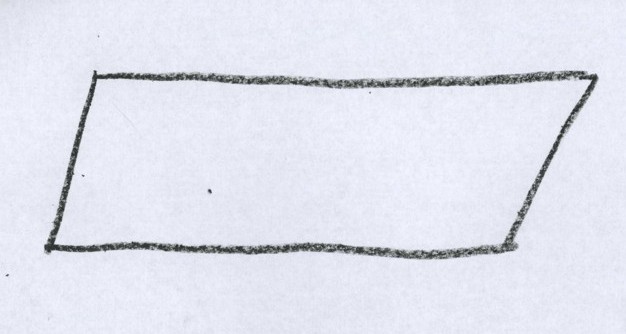
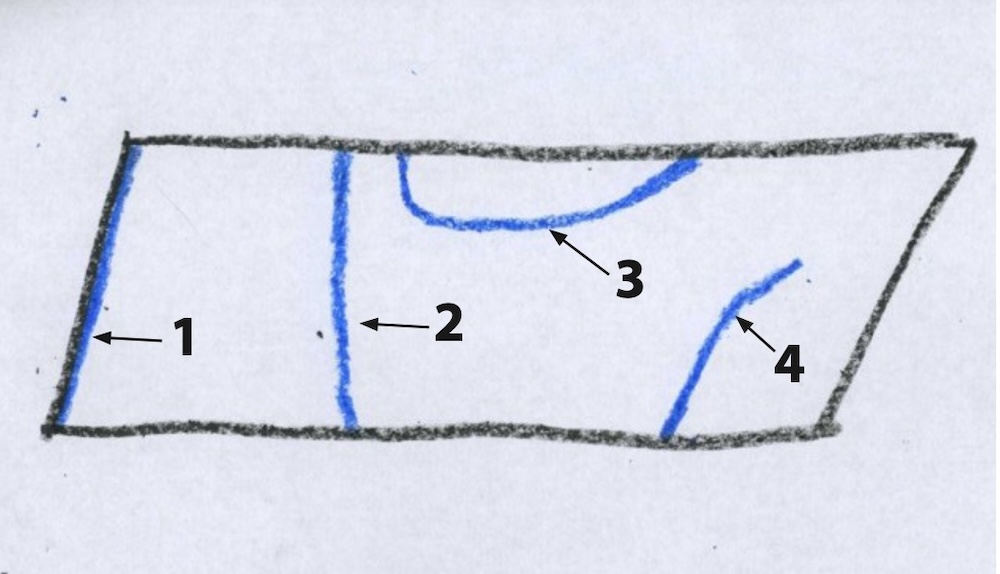
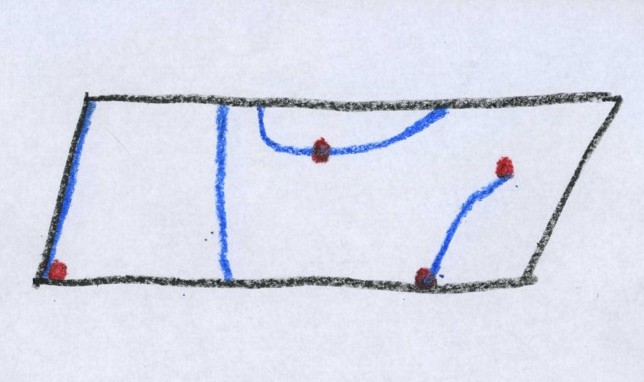
On the right column, you will see the Tennessee maps that appear in this chapter. Click on them to make them larger.
There’s an Elementary Geography section on the Tennessee History for Kids website, and a lot of it supplements what is in this booklet.
Click here to check it out.
Chapter Four: Grand Divisions
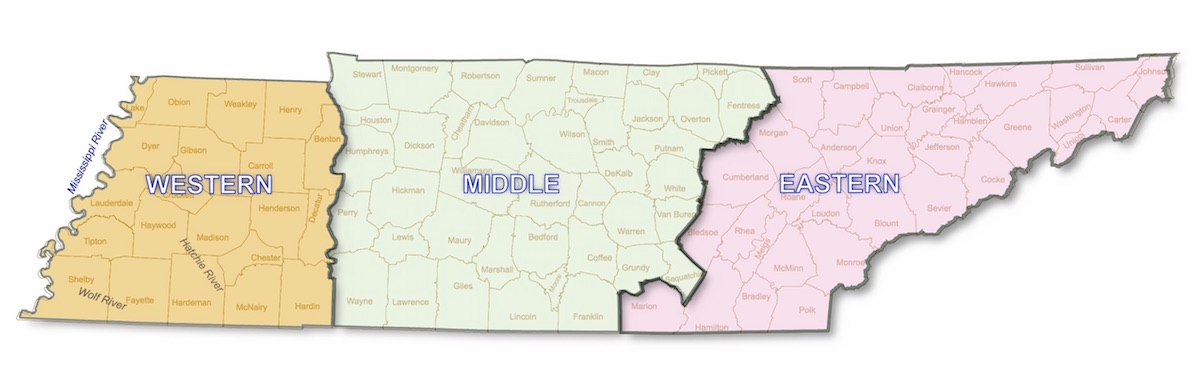
TN Department of Transportation map
Standard 1.13: Identify and locate on a map the three Grand Divisions of Tennessee and their borders (i.e. Mississippi River, Tennessee River, Appalachian Mountains).
Click on the right to see a large version of the Grand Division map on pages 18-19.
We are never able to put as many photos in these booklets as we like. Here are a few more landmarks in the Grand Divisions:
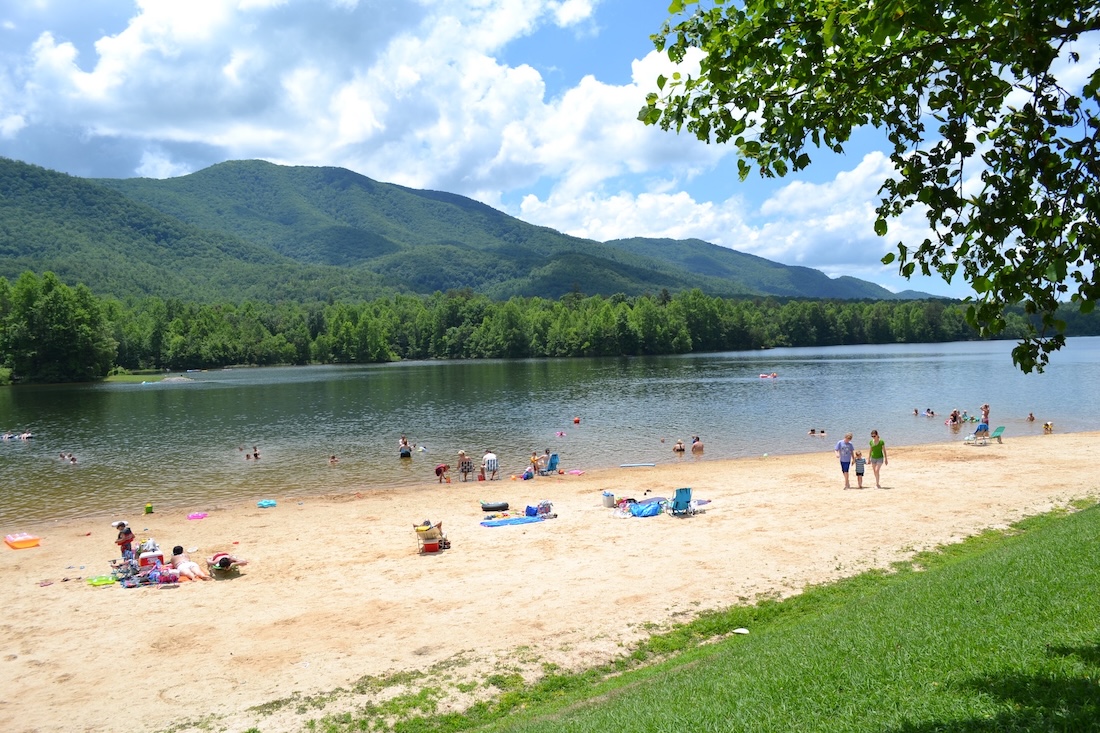
In East Tennessee:
In Monroe County, along the Cherohola Skyway, you will find a small lake with a sand beach (on the left).
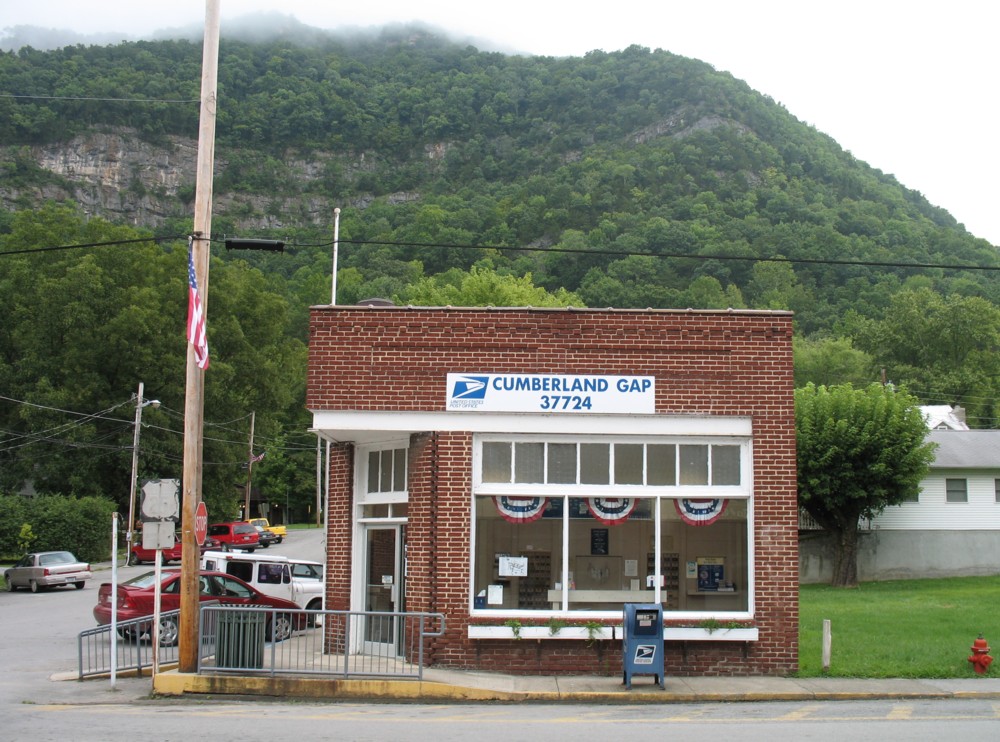
THFK photo
On the right is the town of Cumberland Gap, in Claiborne County. The town is named for the actual Cumberland Gap, which is a very important part of a trail that settlers used to travel through the mountains.

THFK photo
In Middle Tennessee:
Here, on the left, is Cummins Falls, in Putnam County. Even though this has only been a state park for a short while, it is already a very popular one, as you can see.
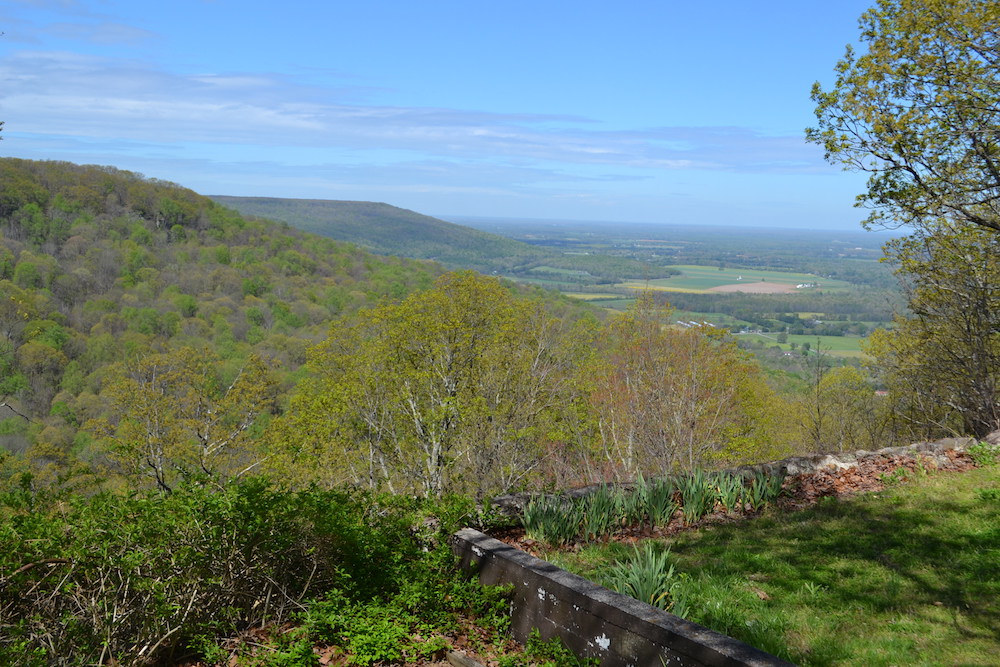
THFK photo
Here, on the right, is a view from atop the Cumberland Plateau. The photo was taken in Grundy County, but a lot of the land shown is in Coffee County.
In West Tennessee:

THFK photo
Here, on the left, is the Discovery Park of America, a wonderful museum in Obion County. Click here to learn more about it.
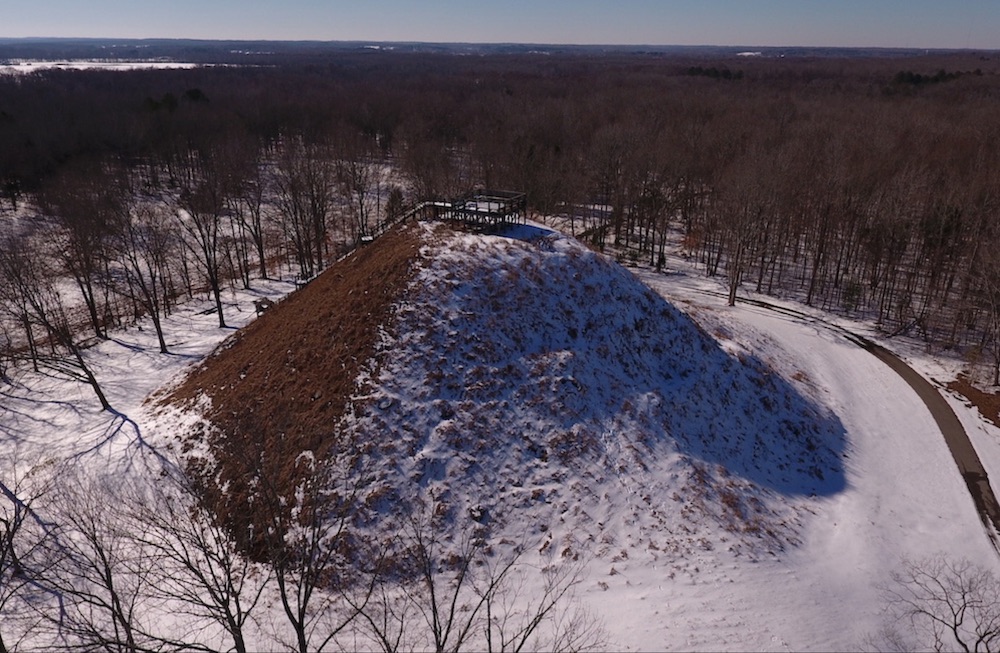
Bonita Mahan photo
On the right is the largest mound at Pinson Mounds State Archaeological Area, in Madison County. Click here to be taken to a virtual tour of it.
Chapter Five: Cities
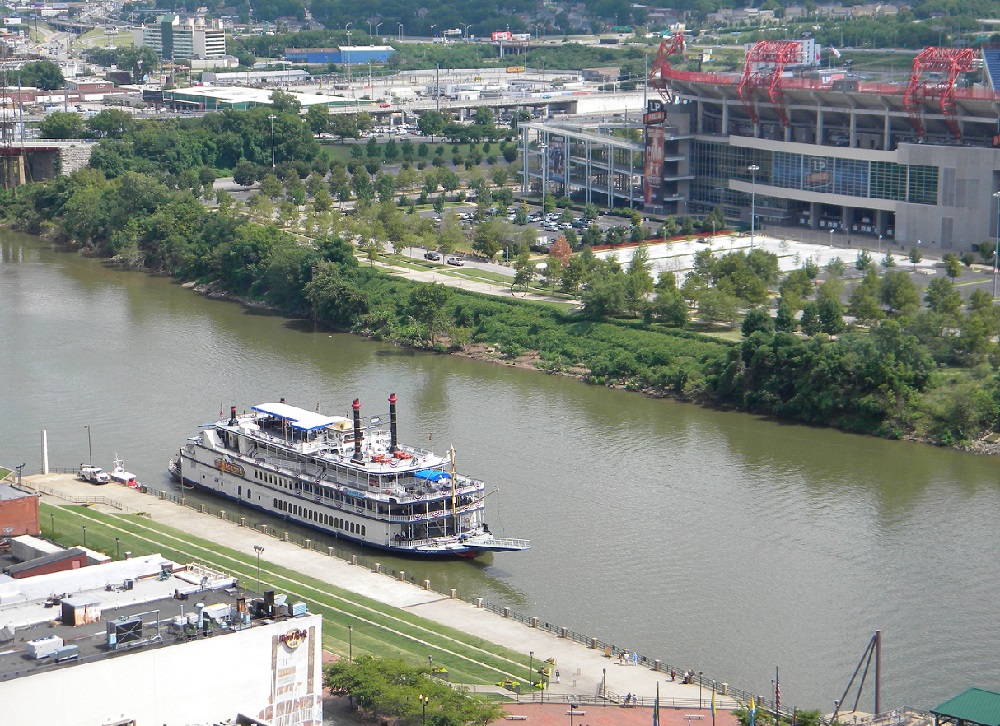
THFK photo
Standard 1.10: Locate on a map Tennessee Memphis, Nashville, Knoxville, Chattanooga and Washington D.C.
Click on the image to the right to see a different view of the stadium where the Tennessee Titans play.

THFK photo
Also, if you look closely you will see that the Memphis riverfront (page 26) is paved with stones. Why? Because the mud was so bad that people were sinking into the mud whenever they walked off riverboats. True story!
Click on the image of the left to see another view of the cobblestones.
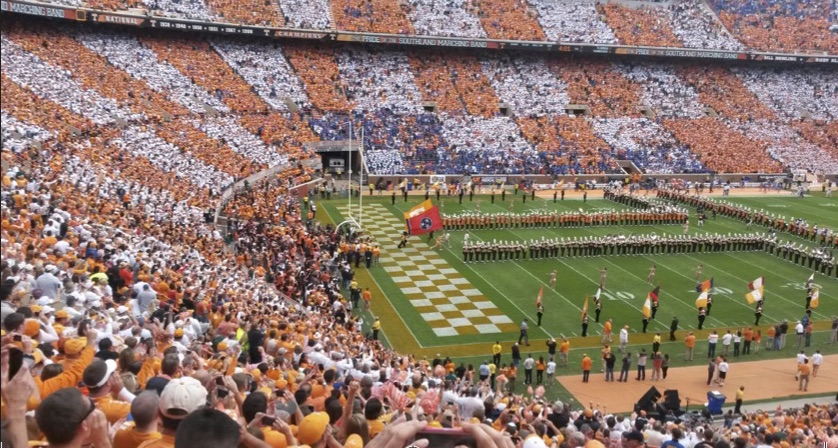
Mark Finchum photo
The University of Tennessee football fans among us would love a larger version of the photo at the bottom of page 27.

THFK photo
Speaking of page 27, take a close look at the photograph of the Sunsphere. Do you see the two men working on top of it? Click on the image on the left to see them. (We can assume that these two people are not afraid of heights!)
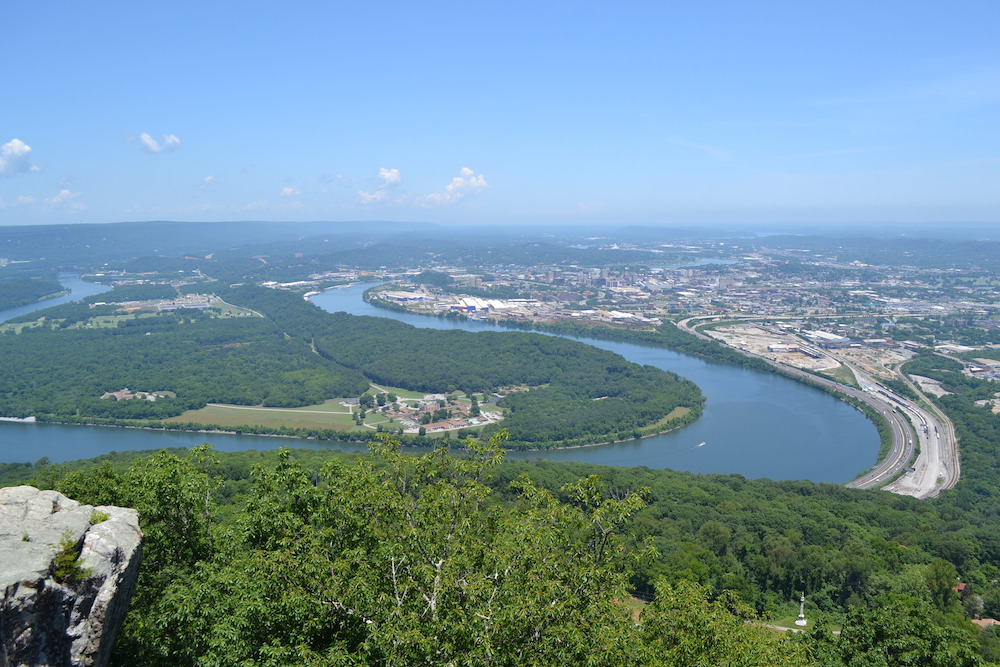
THFK photo
Here, on the right, is another view of Chattanooga from Lookout Mountain.
Chapter Six: Flags and Critters
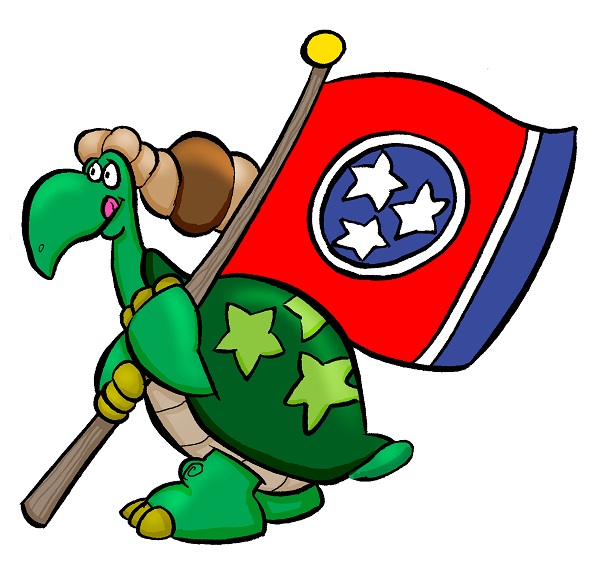
Rick Baldwin cartoon
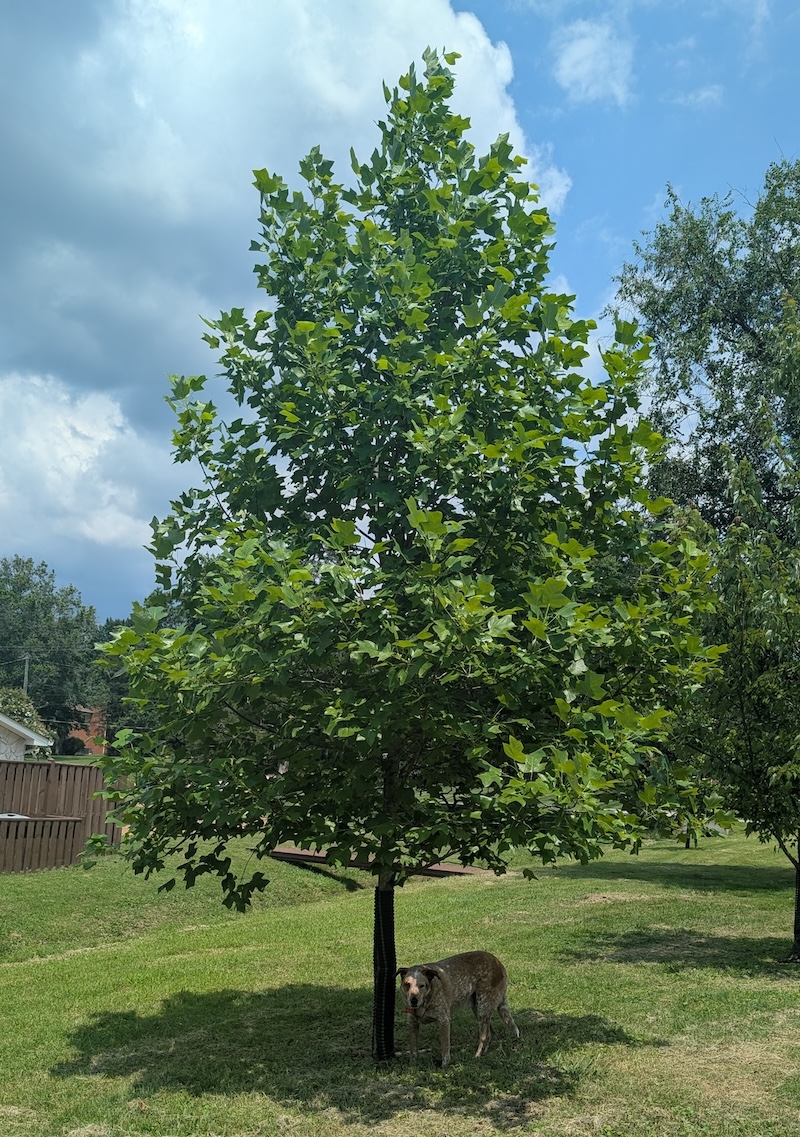
Standard 1.20: Identify Tennessee symbols, including the state flag, state tree (tulip poplar), state flower (iris), state bird (mockingbird), state animal (raccoon) and significance of the state nickname.
There are a LOT of official symbols of the state of Tennessee. The only ones listed in the standards are flag, tree, flower, bird, animal and state nickname.
However, Tennessee doesn’t have one state animal. It has more than a dozen!
THFK photo
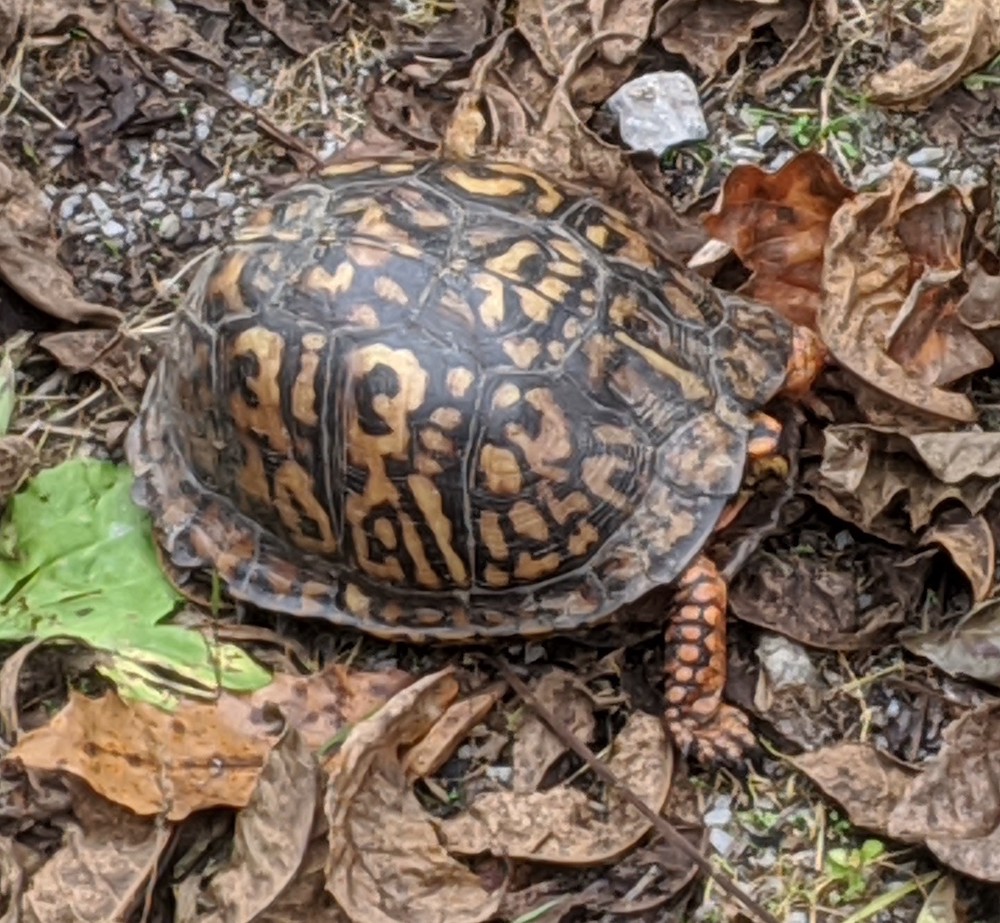
You see, Tennessee has an official sport fish (the smallmouth bass), an official commercial fish (the channel catfish), an official state bird (the mockingbird), an official state gamebird (bobwhite quail), an official wild animal (raccoon), an official horse (the Tennessee Walking Horse), an official amphibian (Tennessee cave salamander), an official reptile (eastern box turtle), 2 official state insects (the firefly and the ladybug), an official agricultural insect (the honeybee), and an official state butterfly (the zebra swallowtail).
THFK photo
In fact, I’ve always thought it would be interesting if we put one example of all of Tennessee’s official animals in a small room, then closed the door. (My money’s on the raccoon; those critters have a mean streak!)
There are also at least 14 official state songs (which include, among others, the Tennessee Waltz, Smoky Mountain Rain and Copperhead Road. So please don’t tell your students that Rocky Top is “the” official state song, because there are 13 others.
Chapter Seven: The United States
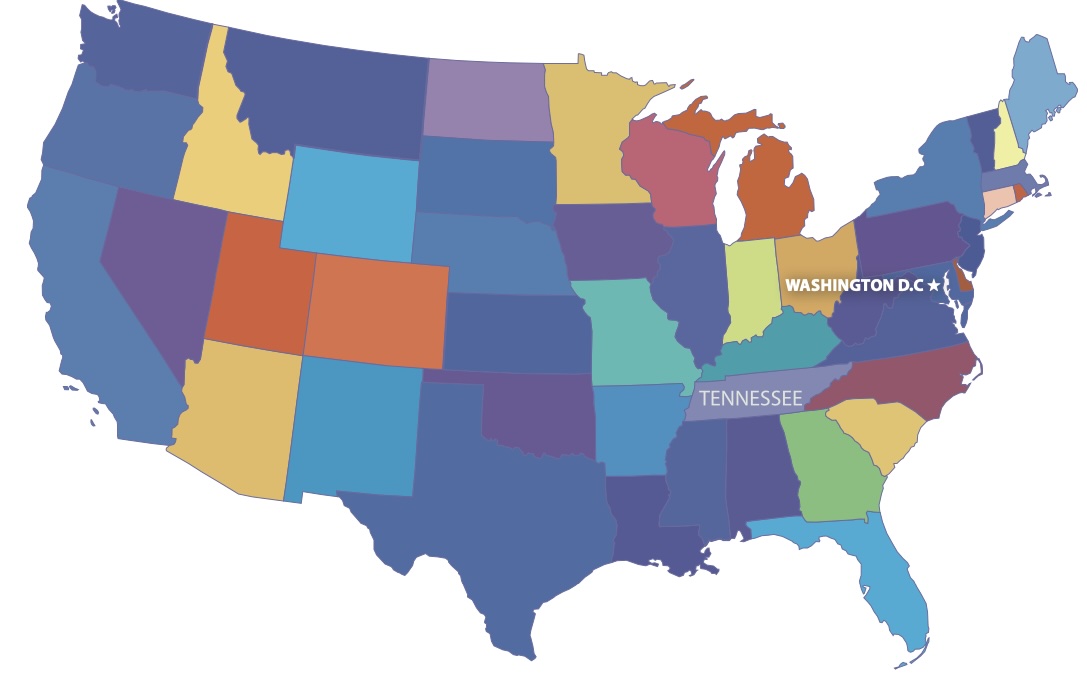
Standard 1.10: Locate on a map Tennessee Memphis, Nashville, Knoxville, Chattanooga and Washington D.C.
Standard 1.19: Explain the importance of patriotic traditions (e.g. Pledge of Allegiance and National Anthem) and respectful behavior during both.

THFK photo
On the right column, above, teachers can find the map of the continental U.S. which appears on page 36. Click on it to show to your students.
The Pledge of Allegiance is discussed in this chapter. Here are some things that you may not know about the pledge:
* It was written in 1892 by Francis Bellamy, the former pastor of the Bethany Baptist Church in Boston, Massachusetts. Bellamy wrote it for a magazine called Youth’s Companion, which was looking for ways to commemorate the 400th anniversary of Columbus’ landing in America.
* The words “one nation, under God” were added in 1955, at the request of President Dwight Eisenhower.
New York Tribune photo, Public Domain
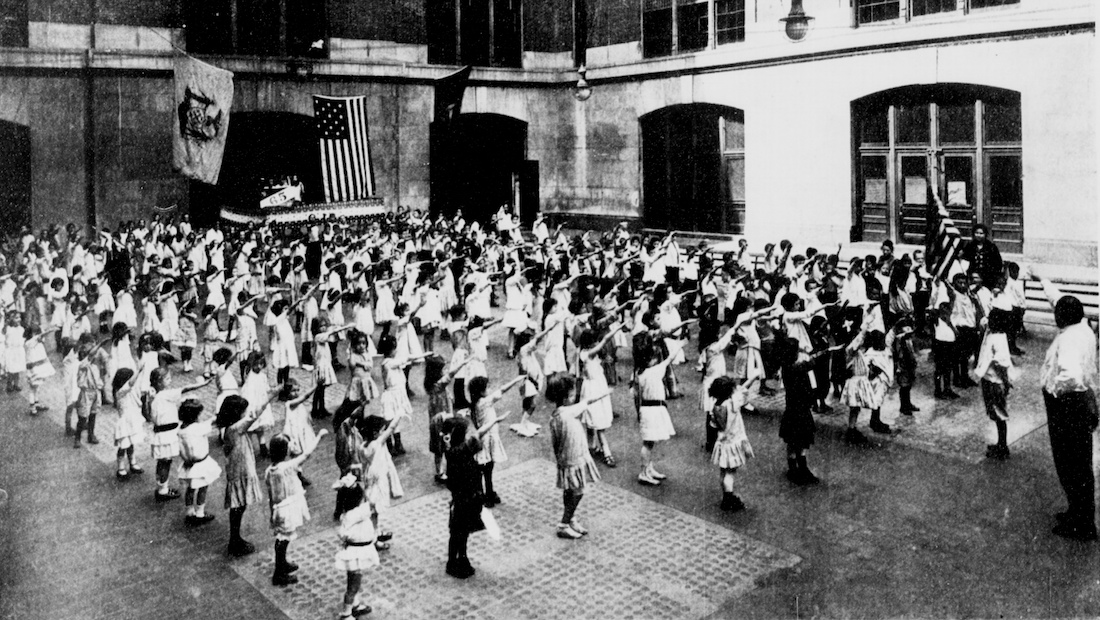
* Today, people put their hands over their hearts while saying the pledge. But, originally, the accepted salute to the United States flag (now known as the Bellamy Salute) consisted of a person holding out their right hands, as shown in the photo on the left. During World War II, Congress changed the Pledge of Allegiance salute because it was so similar to the Nazi salute.
Also, teachers, in case you are wondering about when your students will learn more about U.S. geography:
In Second Grade, students will learn the locations of the EIGHT states that border Tennessee.
In the Spring of Fifth Grades, students will learn to identify on a map the locations of the remaining 41 states!
Chapter Eight: Leaders and Citizens
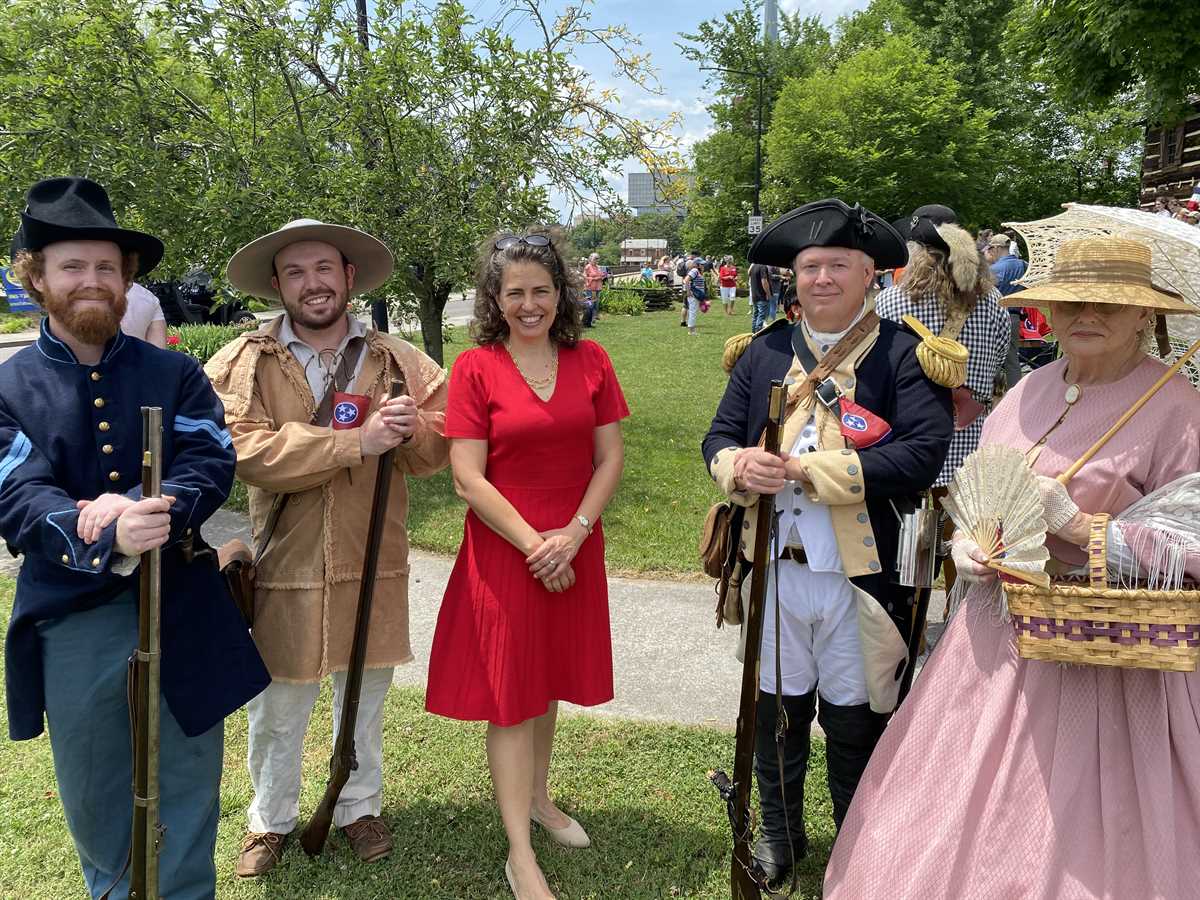
Office of Knoxville Mayor photo
Standard 1.14: Identify the name, image and role of Tennessee’s governor and the U.S. president.
Standard 1.15: Distinguish the differences between rules and laws and give examples of each.
If you click here you will find the 95 Tennessee county history pages. On those pages you will find (among other things) photos of every courthouse in Tennessee!
Chapter Nine: Holidays
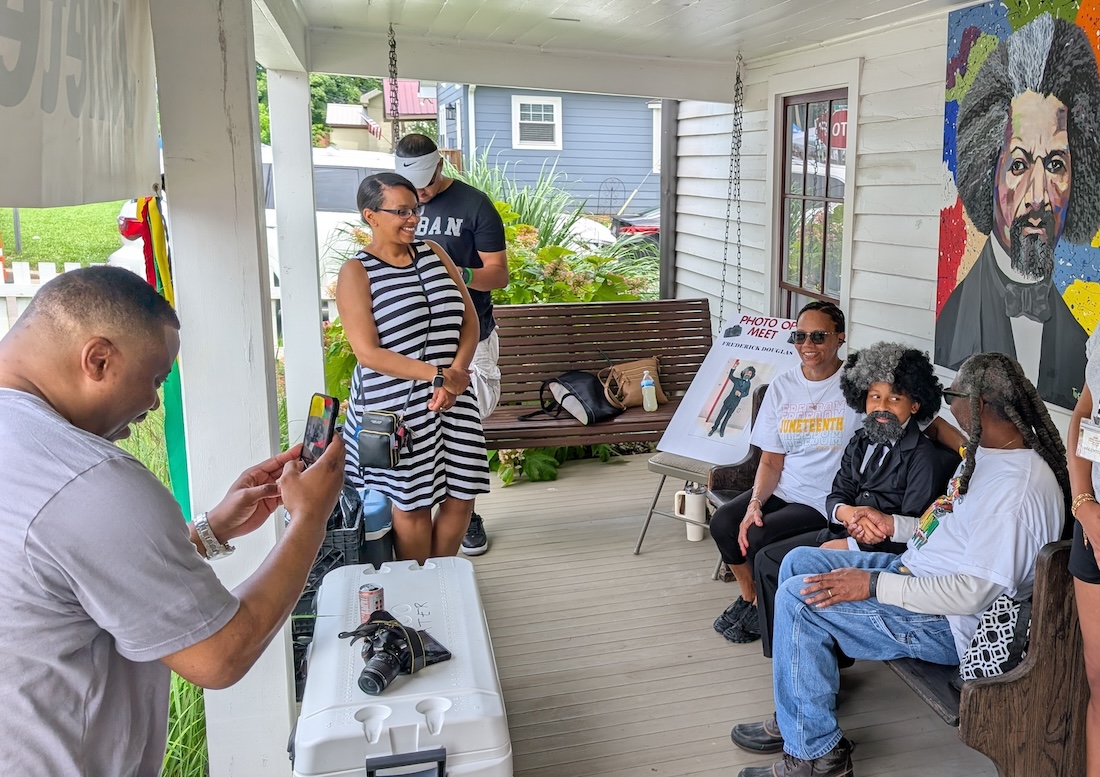
THFK photo
Standard 1.24: Identify and describe the events and/or people celebrated during the following national holidays, and examine why we celebrate them: Martin Luther King Day, Presidents’ Day, Memorial Day, Juneteenth, Independence Day/July 4, Labor Day, Columbus/Indigenous Peoples’ Day, Veterans’ Day, Thanksgiving Day

TN National Guard photo
Teacher, please emphasize the difference between Veteran’s Day, Memorial Day and Independence Day. In recent years, the holidays have become blended, and U.S. veterans sometimes feel left out of the patriotic celebrations that take place. Many college and professional sports teams, for instance, will have a “Military Service Day” around Veterans Day on which veterans are actually never honored.

Library of Congress photo
So, here is an idea for two good questions:
1) What is an appropriate action on Memorial Day? (Decorating the graves of military veterans)
2) What is an appropriate action on Veterans Day? (Asking a veteran what he or she did in the service.)
Chapter Ten: Rules and Laws
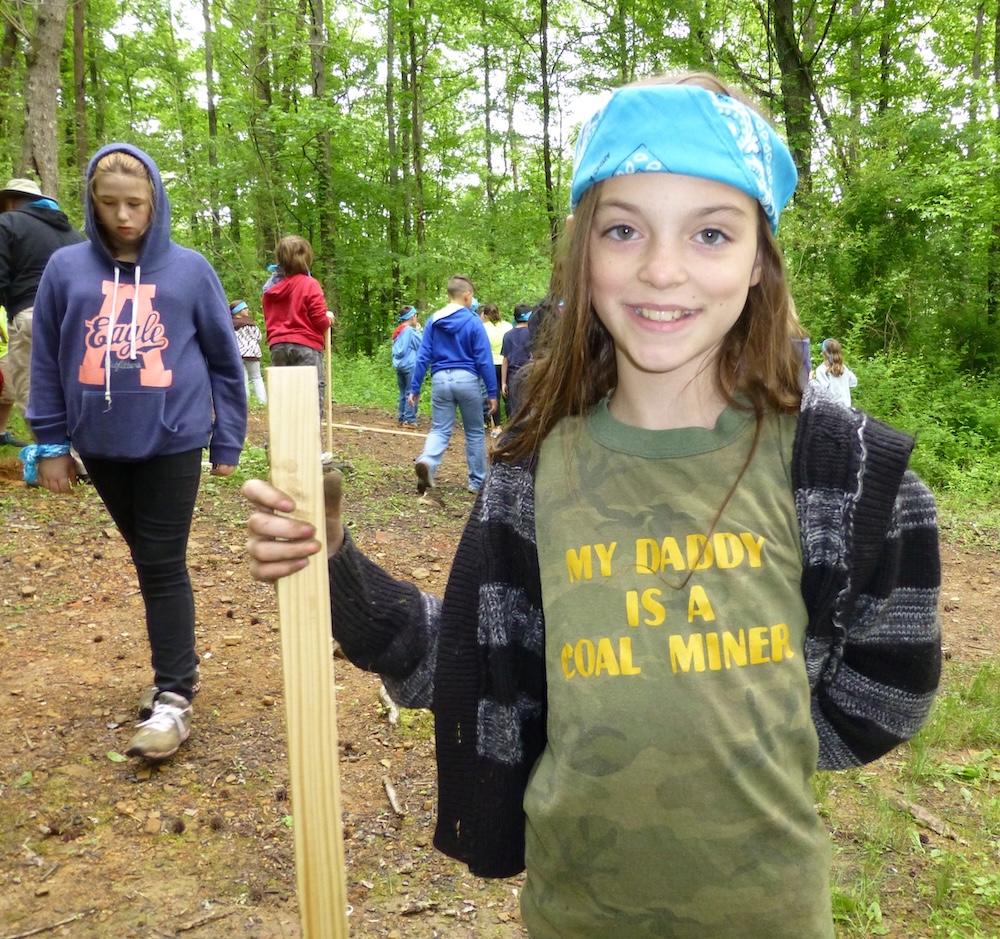
Coal Creek Watershed Foundation photo
Standard 1.16: Distinguish the differences between rules and laws and give examples of each.
Standard 1.18: Define citizenship and recognize traits of good cities (e.g. respecting the rights of others, voting, and following laws).
The community service projects illustrated in this chapter are wonderful, and there are many more. Please consider asking your students to take part in a community service project or, even better, organizing one.
Rick Baldwin cartoon
Chapter Eleven: Wants, Needs, Savings
Standard 1.08: Assess factors (i.e. needs and wants) that could influence a person to use or save money.
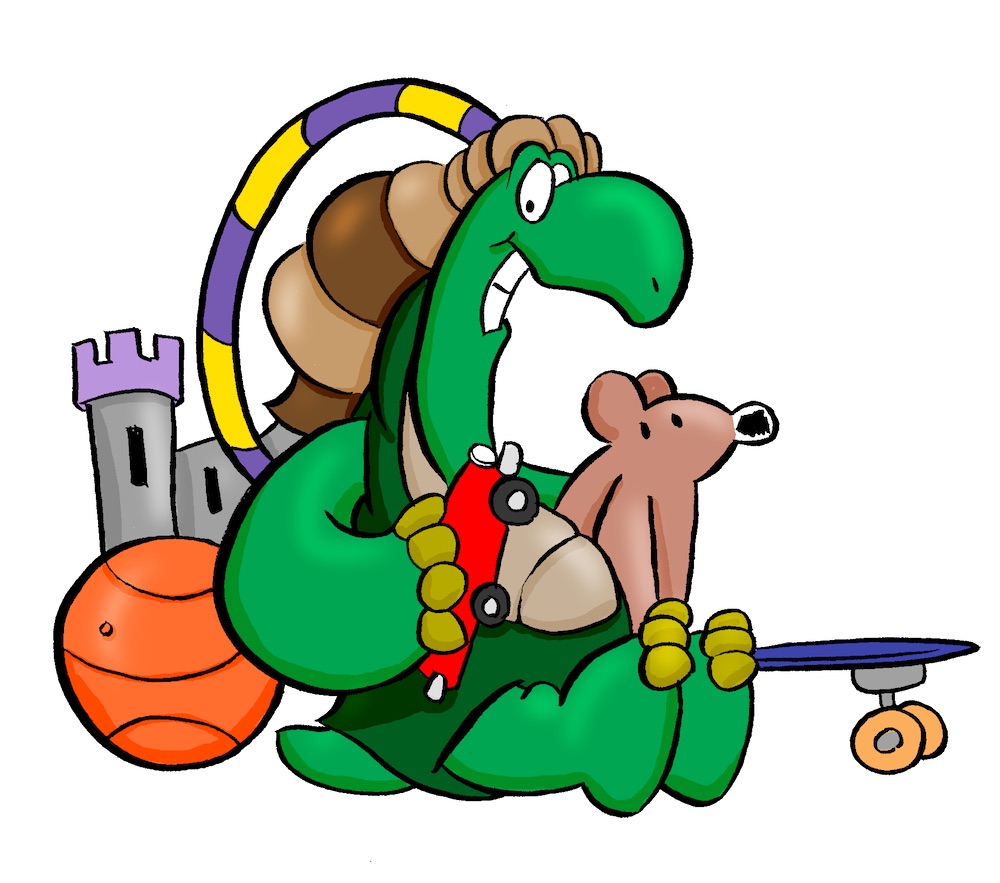
This is a good time to acknowledge that all the cartoons in this booklet were created by Rick Baldwin, who used to work with me at the Metro Pulse newspaper in Knoxville.
Yes, that’s Boxy the Turtle with a hula hoop, a basketball, a stuffed animal, a car, a skateboard and a castle.
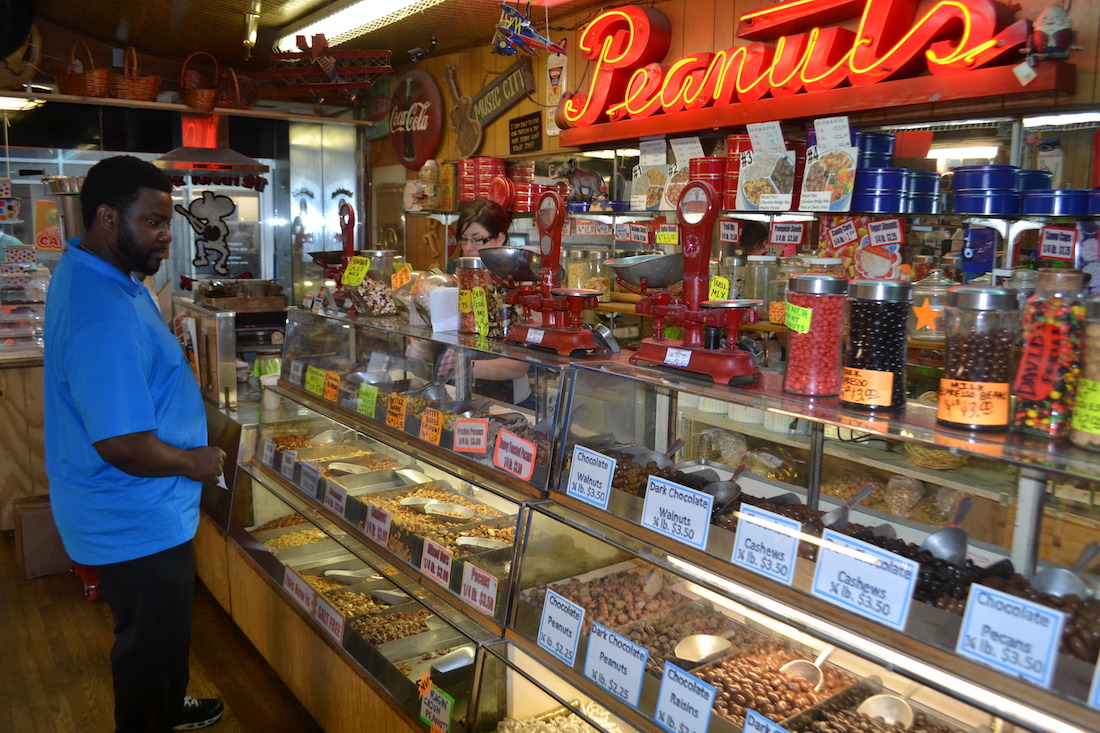
THFK photo
The candy store photographed on page 59 (shown on the left) is the Nashville Nut in the Downtown Arcade. To the dismay of everyone in downtown Nashville, it closed in 2023, when the Arcade was renovated and all the rents raised.
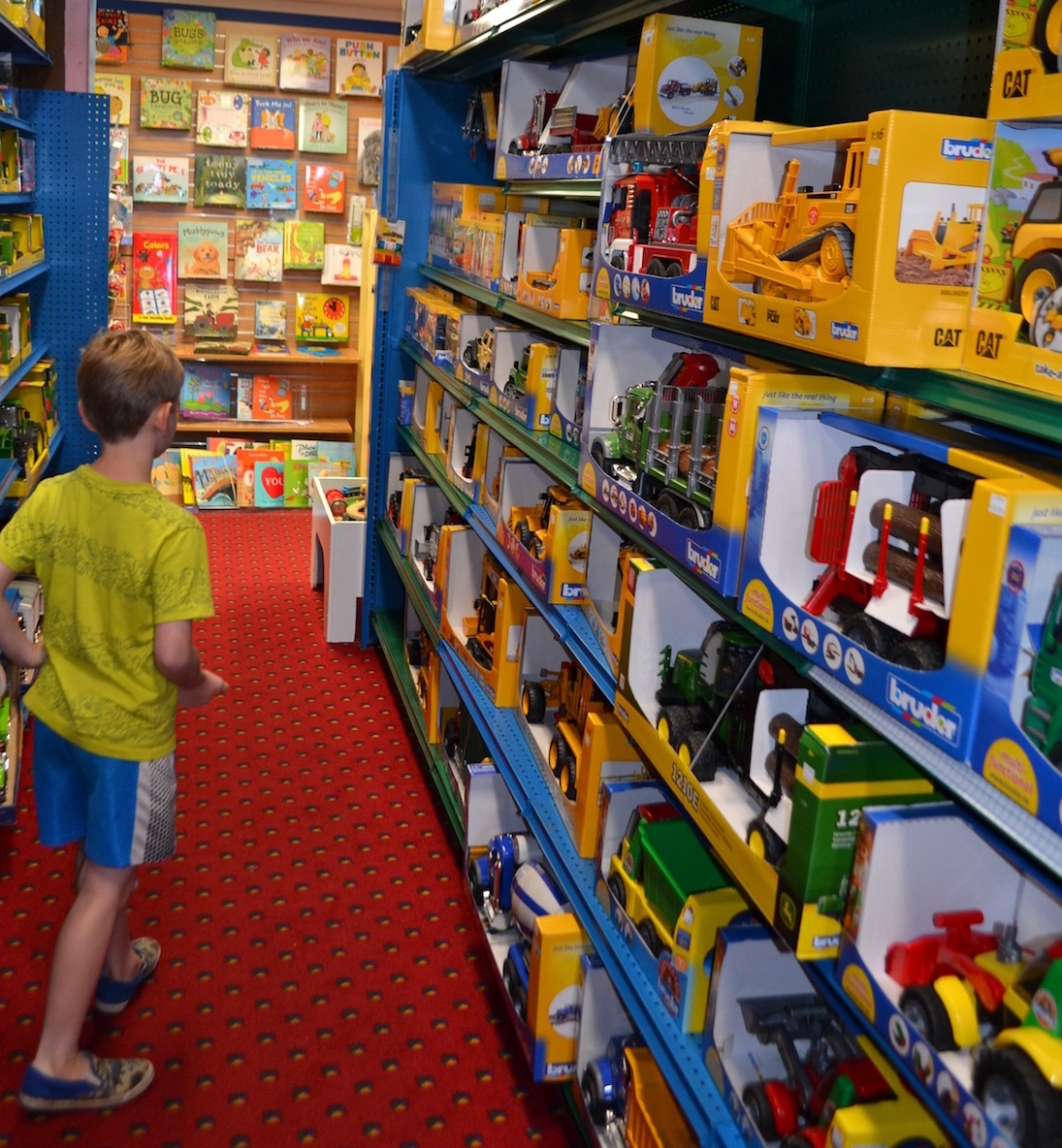
THFK photo
The toy store photographed on page 61 (shown on the right) is Phillips Toy Mart in Nashville. I’m happy to report that it is still in business.
Chapter 12: What People Do Around Here
Standard 1.04: Distinguish how people are consumers and producers of goods and services.
Standard 1.05: Give example of products (i.e. goods) that people buy and use
Standard 1.06: Give examples of services that people (i.e. producers) use

An early ad for the Musgrave Pencil Company
PHOTO: Musgrave Pencil Co.
Standard 1.07: Recognize major products and industries found in Tennessee (e.g. agriculture, manufacturing, mining, music and tourism.)
You may wonder about the photograph on page 68 of the ladies working at a pencil factory. It used to be that so many pencils were made in Shelbyville, Tennessee that it became known as “Pencil City U.S.A.”
Click here for the story behind this, and a quick tour of the Musgrave Pencil Factory.
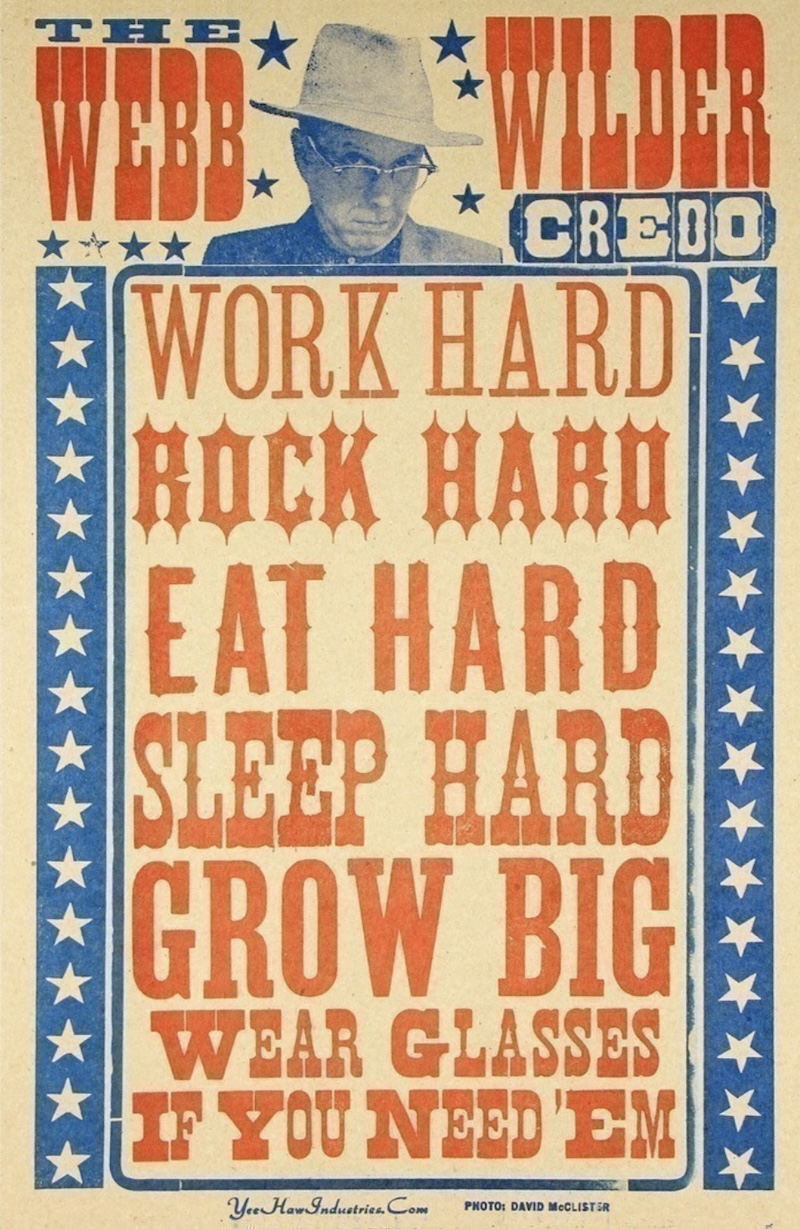
Also, on page 68 is a photo of rock’n’roll singer Webb Wilder and his band. One of Webb Wilder’s many songs is “I just had to laugh,” which is the song that appears in all the Tennessee History for Kids videos.
Click here to see these videos. And click on the left to see and read the Webb Wilder credo.
Chapter 13: Past, Present and Future

Standard 1.21: Arrange the events from a student’s life in chronological order.
Standard 1.22: Interpret information from simple timelines, including past, present and future events.
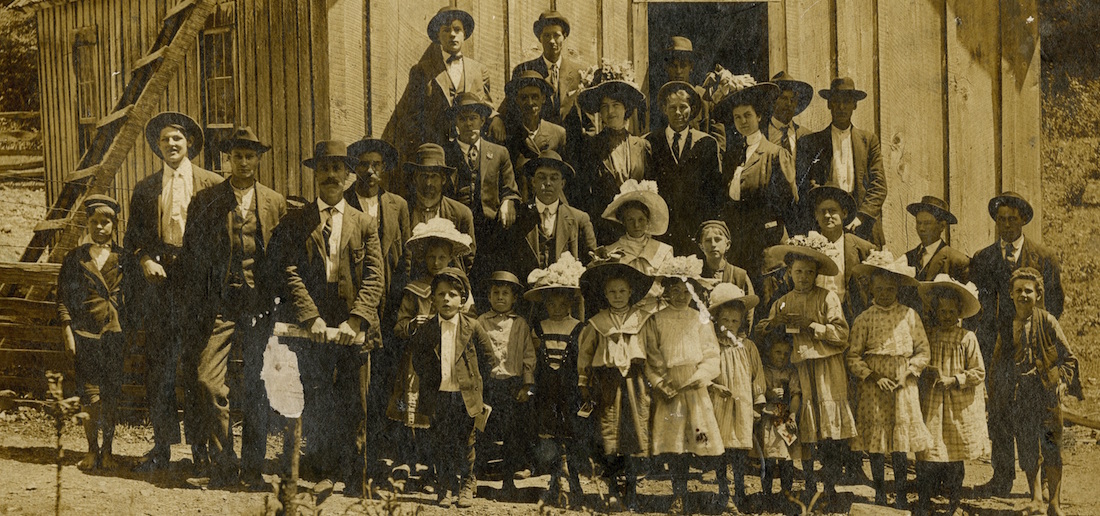
TN State Library and Archives photo
Chapter 14: Old Days
Standard 1.22: Interpret information from simple timelines, including past, present and future events.

TN State Library and Archives photo
Standard 1.23: Compare ways people lived in the past with how they live today, including forms of communication, modes of transportation, and forms of recreation

Lewis Hines photo (Library of Congress)
There are amazing photographs in this chapter. Click on the images on the left and right to make them larger.
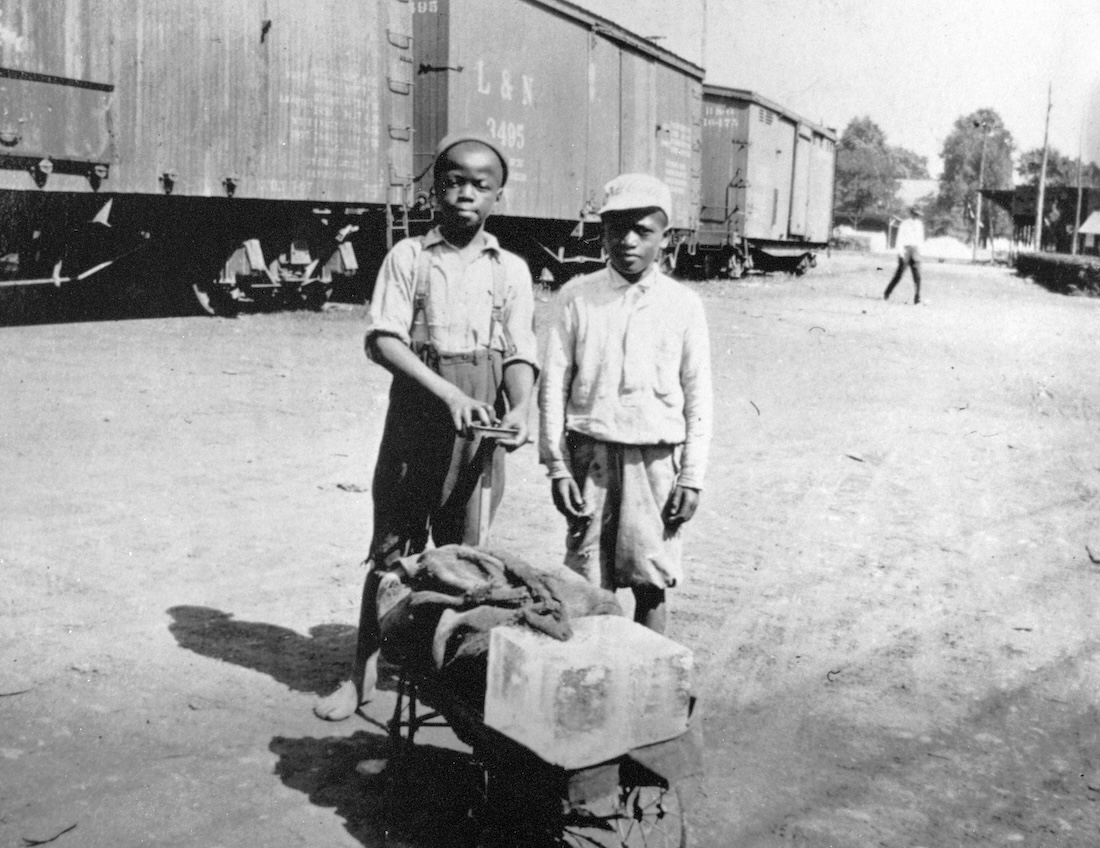
TN State Library and Archives photo
The photo of boys working in a factory in Fayetteville is one of many which was taken by photographer Lewis Wickes Hines, who took many famous photos of children working in factories and coal mines all over the United States.
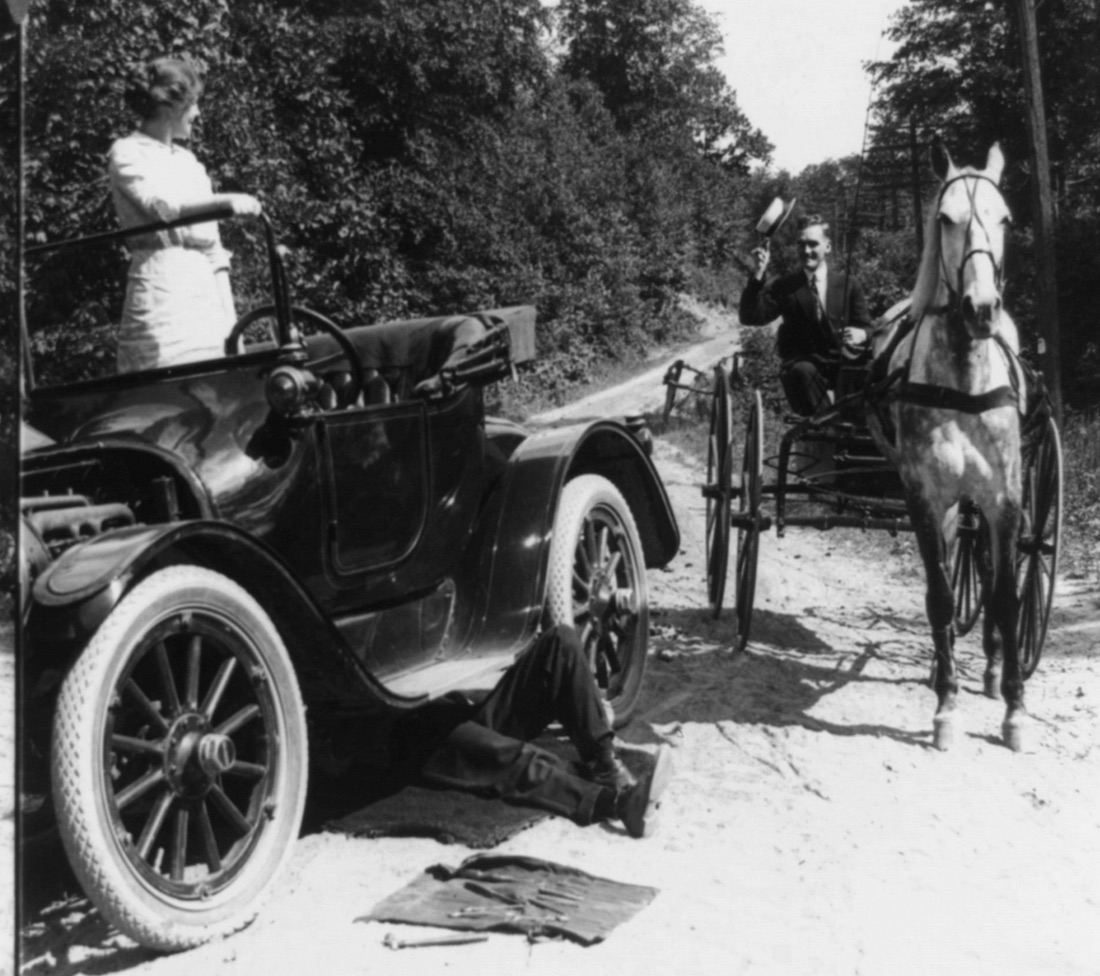
TN State Library and Archives photo
The photo on the right, which shows one man working on a car while another one drives by in a horse and buggy, is just funny.
I suspect your students can find many thing that have changed since this photo was taken.

THFK photo
Chapter 15: Tennessee Culture
Standard 1.01: Describe the components of culture (e.g., food, clothing, traditions, recreation) of a student’s community and state
Standard 1.03: Compare and contrast family traditions and customs among different cultures within a student’s community and state.
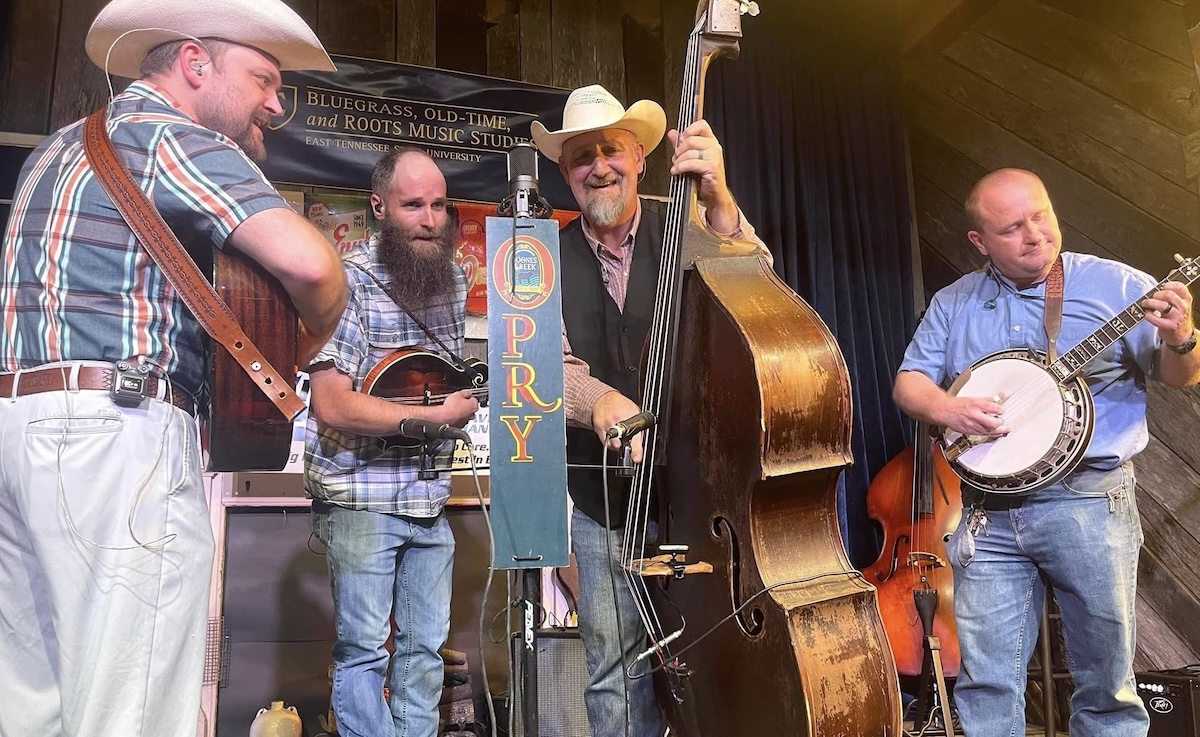
Boones Creek Opry photo
The main point that we are trying to make in chapter 15 is that the word “culture” should not just mean cultures other than the ones we already have in Tennessee. There is culture all over the place–we just don’t use that word often.

Tennessee State University photo
Some of the photographs in this chapter look great, so here are a couple of them. Click on them to make them much larger.

Museum of Appalachia photo
Chapter 16: Common Ground
Standard 1.02: Define multiculturalism as many different cultures living within a community and state.
Standard 1.03: Compare and contrast family traditions and customs among different cultures within a student’s community and state.
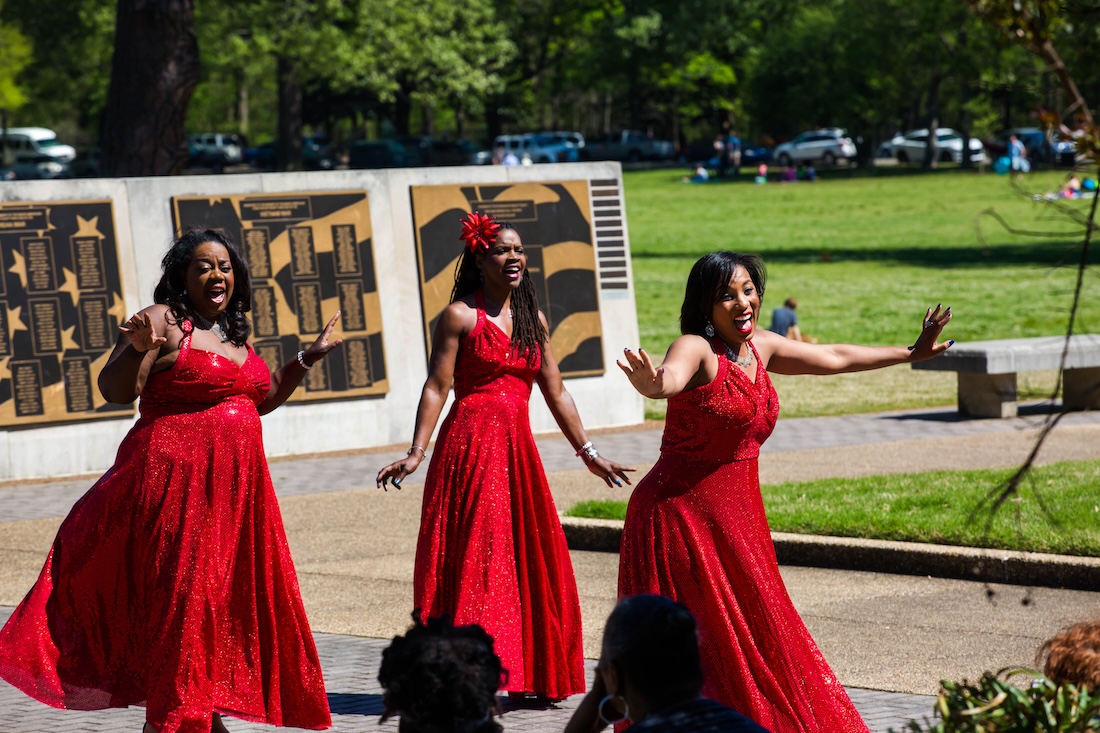
Melissa McMasters photo
Again, really cool photos.
If you haven’t been to the Museum of Appalachia in Anderson County, you really, really need to go.
 I’m partial to the Indian Creek Productions Powwow in Jefferson County (on the right) which is put on by Indian Creek Productions, which is run by Mark and Sherry Finchum.
Click here to be taken to the website of the Indian Creek Productions’s Powwow.
Shutterstock map