Teacher’s Guide to Journey Downriver: A History of Tennessee — Pages 43-84
Welcome to the teacher’s guide to the consumable textbook Journey Downriver: A History of Tennessee. This book was written for the high school elective class in Tennessee history.
Teachers, if you would like the answers to the quiz questions in the booklet, please email us at orders@tnhistoryforkids.org, using your school email address, and we will send them to you.
Page 43: The Other 25 Percent
TN.16: Describe the trafficking of enslaved persons between the three grand divisions of Tennessee, the lives on free black and enslaved persons, and the role of Tennessee in the early abolition movement (e.g. Elihu Embree).
TN.18: Describe the economy of Tennessee in the early 19th century.

John Baker photo
Click here to see the half-hour long “KidsInar” which covers some of this same material which I recommend you show you students.
Click here to read original issues of The Emancipator.
Click here to read the autobiography of J.W. Loguen, who was born into slavery in Sumner County, was sold to another slaverholder in Maury County, and then escaped to Canada when he was about 21 years old.
Click here to read about a permanent exhibit at the Robertson County Museum about the Wessyngton Plantation.
Click here to read more about a hardback book I wrote about slavery in Tennessee. Among other things, the book contains detailed data from more than 906 different runaway slave ads which were published in Tennessee newspapers between 1793 and 1864.
Page 46: Steamboat and Railroad
TN.18: Describe the economy of Tennessee in the early 19th century.
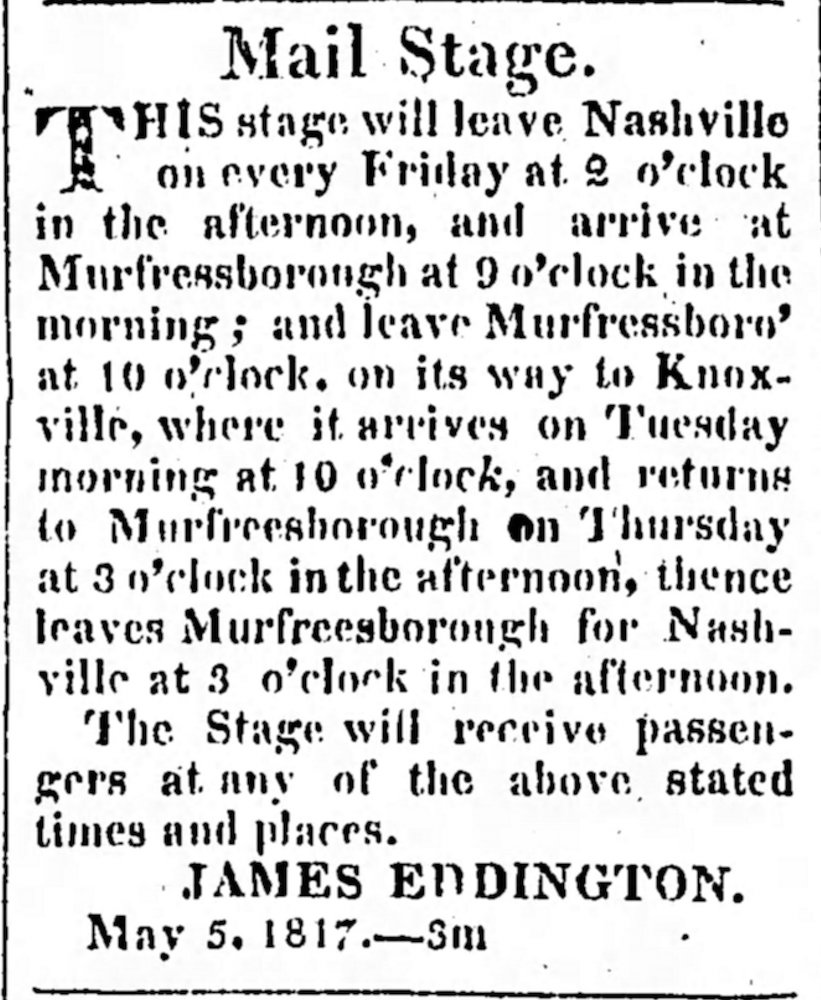
Nashville Whig; May 5, 1817
TN.22: Explain the importance of transportation, technology and geography in Tennessee’s growing involvement in the national economy after the War of 1812, including the significance of cash crops (e.g. cotton, tobacco); road improvements; steamboats; telegraph.

Knoxville Register; May 29, 1829
Regarding STAGECOACHES:
In the course of researching old Tennessee newspapers, I have frequently found advertisements about coach service. The two mentioned on page 46 are on the right and left. Click on each to read it.
Regarding STEAMBOATS:
The journey of the New Orleans is well documented. Click here for the journey’s wikipedia page, which has a lot of information.

[Nashville] National Banner; March 15, 1828
If you wish to read a much longer version of the story of the steamboat New Orleans, see the Tennessee History for Kids workbook called Comet, Earthquake and Fire Canoe.
Click on the image on the right to read an article in the Banner reporting the arrival of the steamboat Atlas in Knoxville.
And speaking of steamboats, click here to read a column about the steamboat that merchants of Fayetteville regretted buying.
Regarding RAILROADS:
Click here to read an ORIGINAL column I wrote on the subject of the Nashville and Chattanooga Railroad back in 2007.
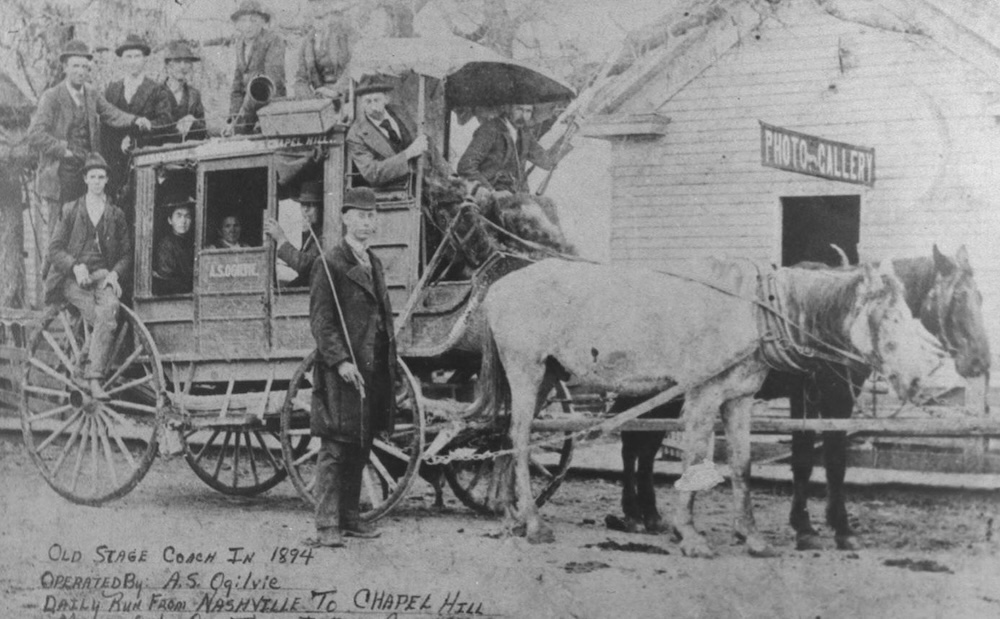
This stagecoach made daily trips from Nashville to Chapel Hill in Marshall County in 1894. (TN State Library and Archives photo)
Click here to read a column I wrote about how railroads and mining affected present-day Sewanne, Monteagle and Tracy City.
Also, click here for a virtual tour of the Baltimore and Ohio Railroad Museum in Maryland, and here for a virtual tour related to the Tennessee Central Railway.
There were times, in the 19th century — before people got cars — when to travel from one place to the other required different modes of transportation — such as a combination of horse-drawn hack, railroad and steamboat. Click here to see a column I wrote about this in January 2026.
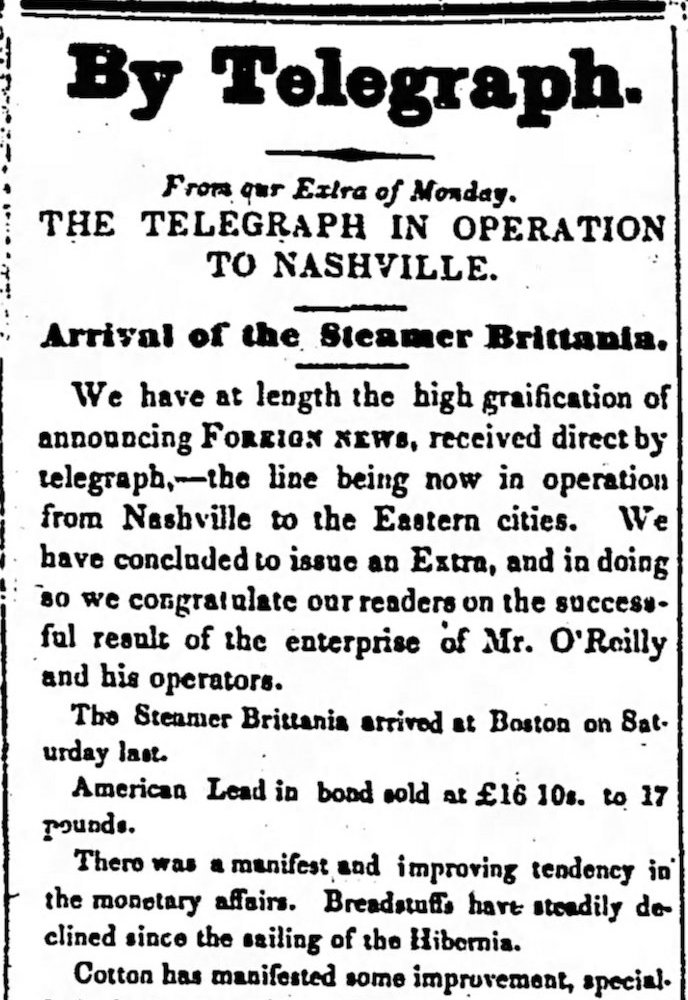
[Nashville] Republican Banner; March 8, 1848
Page 49: New News
TN.22: Explain the importance of transportation, technology and geography in Tennessee’s growing involvement in the national economy after the War of 1812, including the significance of cash crops (e.g. cotton, tobacco); road improvements; steamboats; telegraph.
Click on the right to see the first news published in Nashville that was sent by telegraph.
Page 51: How Tennessee Treated Abolitionists
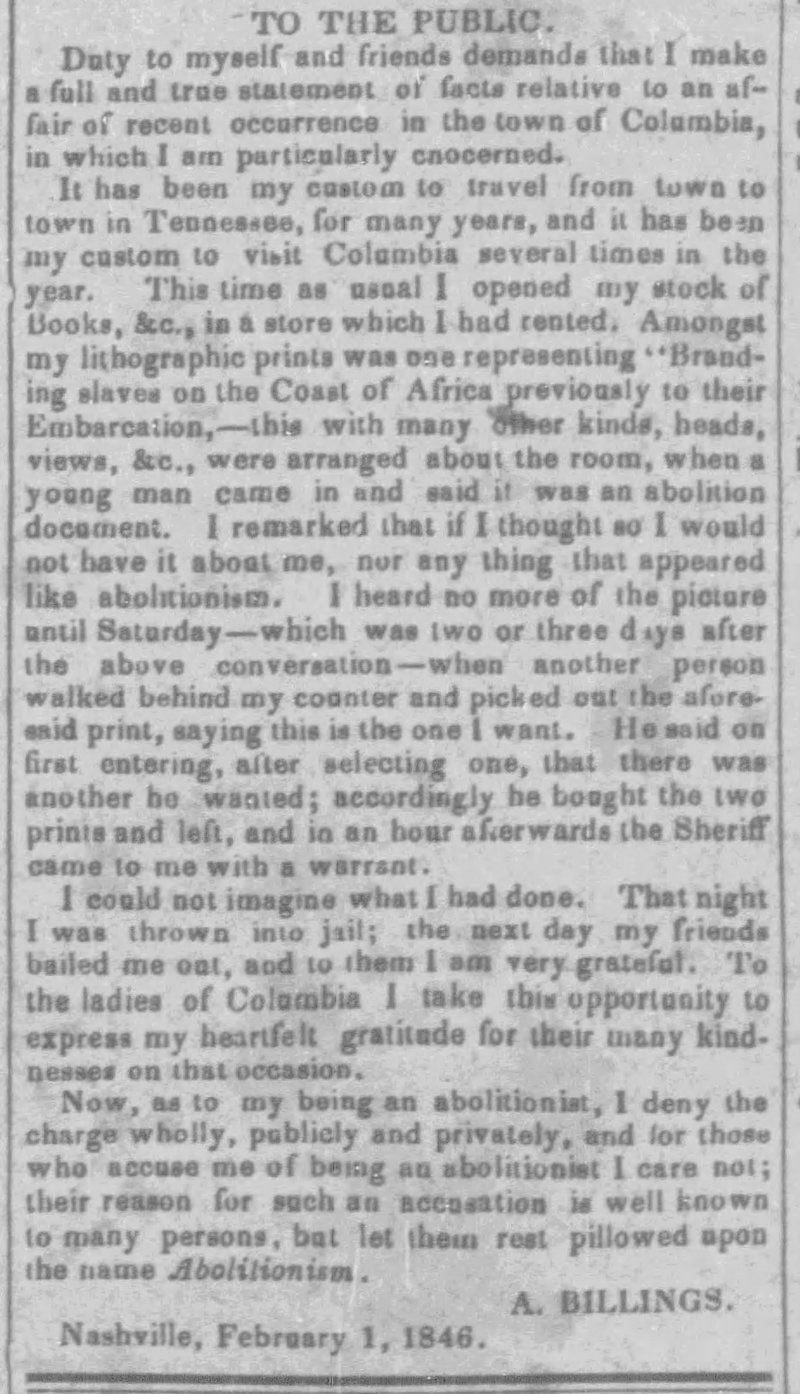
February 6, 1846, [Nashville] Republican Banner
TN.25: Discuss the contributions of important figures during Tennessee’s “golden age,” including: Elihu Embree.
TN.27: Describe the development of slavery in Tennessee from 1800 to 1860, including the distribution of enslaved persons and conflicting attitudes among the three grand division.
TN.28: Discuss the importance of the Nashoba community and Free Hill as settlements for formerly enslaved people.

Nashville Daily Union; Dec. 7, 1848
The reason I devoted most a chapter to the persecution of abolitionists in Tennessee is that over the years, the state of Tennessee has overemphasized Tennessee’s “Underground Railroad” in order to enhance the state’s historic reputation and promote tourism. As best I can tell, I’m the only historian alive today who has ever written about Peter Fisher, Alanson Billings and Richard Dillingham. Also I’ve been asking the TN Historical Commission to put up a marker about Dillingham for years, to no avail.
Click here to read a detailed Tennessee Magazine column about the Peter Fisher case.
Click here for more about Amos Dresser (from wikipedia).
Click here to read a Tennessee Magazine column about the Alanson Billings’ case, and click on the image on the top right for Billings’ explanation of what occurred when was arrested in Columbia in 1846.
Click on the left to read the article published about Richard Dillingham’s arrest in 1848.
Page 54: To Secede or Not to Secede
 TN.29: Explain the causes of the Civil War and how geographic and political divisions impacted Tennessee’s secession.
TN.31: Identify the influences of Tennesseans during the Civil War, including: Sam Davis, William Driver, David Farragut, Nathan Bedford Forrest, Isham Harris, Andrew Johnson, Sam Watkins
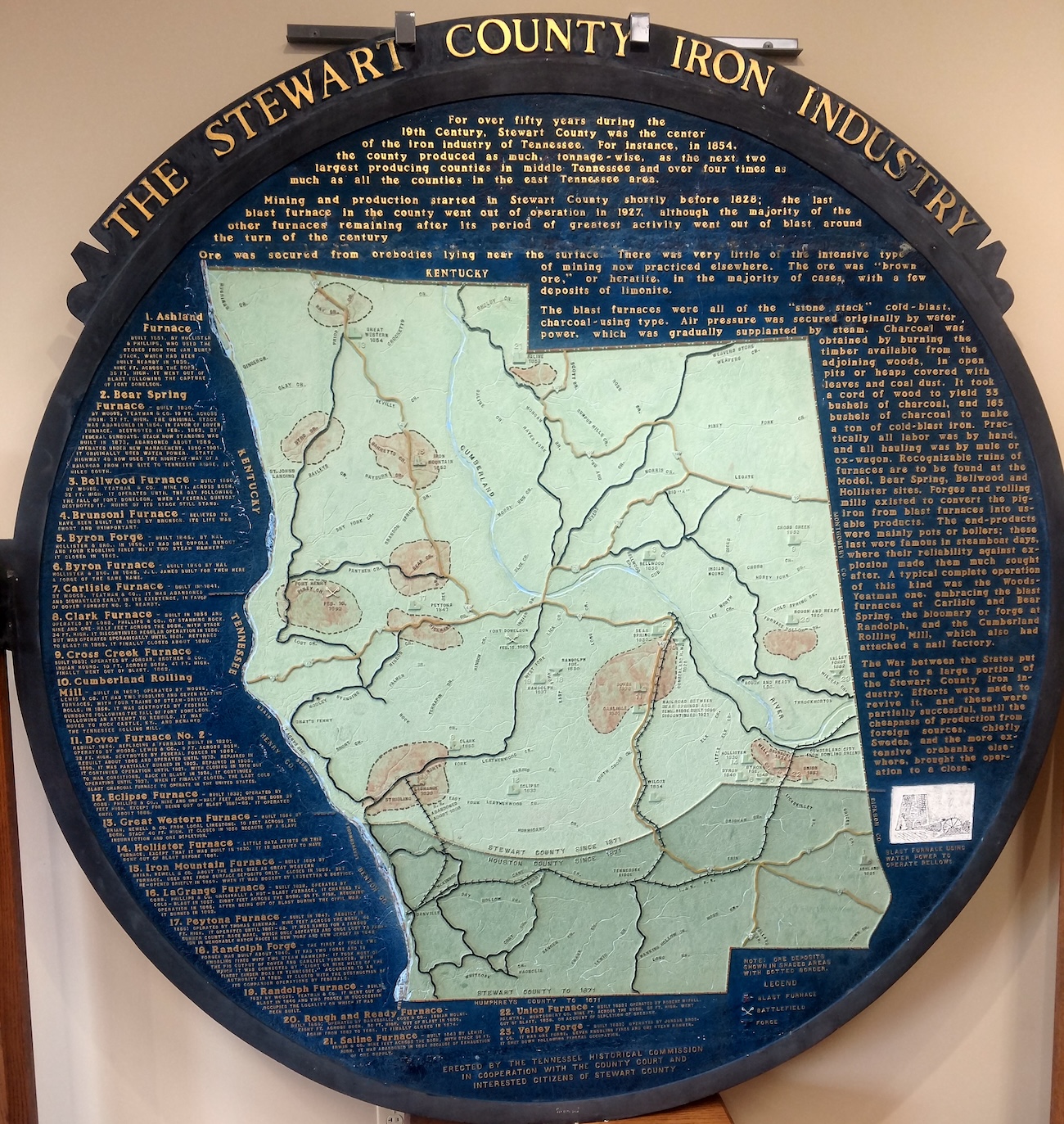
There are remnants of 19th century iron furnaces all over Middle Tennessee. There are photos of some of these on our Decatur, Hickman and Stewart County pages.
Click on the image on the top right to see a historic marker in Stewart County that talks about the 19th century iron industry in detail.
I didn’t say this in the workbook, but the author of the pro-Confederate Christian Advocate editorial was Holland McTyeire, who later co-founded Vanderbilt University. Suffice it to say that over the years, Vanderbilt has never published this editorial, because it doesn’t want to be known as the school that was founded by a Confederate rabble-rouser.
Click here to read a Tennessee Magazine column I wrote about McTyeire and the dormitory named for him.
Page 57: Fort Donelson and Shiloh

Hal Jesperson map
TN.30: Describe important Civil War battles in Tennessee by region, including: Siege of Fort Henry; Fort Donelson; Shiloh; Knoxville Campaign; Chattanooga Campaign; Stones River; Fort Pillow Massacre; Battle of Franklin; Johnsonville Campaign; Battle of Nashville.
TN.31: Identify the influences of Tennesseans during the Civil War, including: Sam Davis, William Driver, David Farragut, Nathan Bedford Forrest, Isham Harris, Andrew Johnson, Sam Watkins
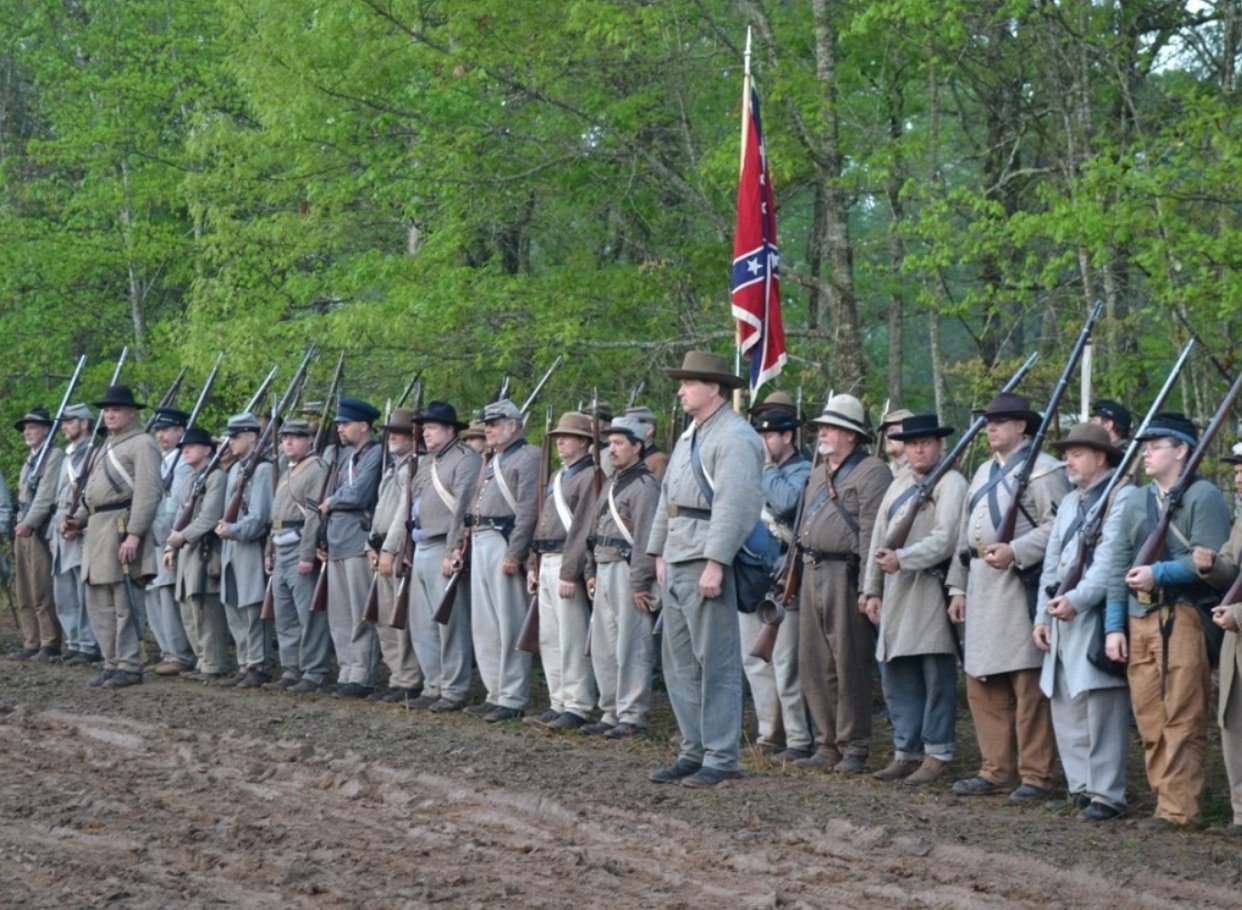
Confederate reenactors near Shiloh, on the 150th anniversary of the battle
Click on the right to see the Shiloh map that appears on page 58.
There are many TN History for Kids virtual tours of Civll War battlefields.
Click here for a virtual tour of Fort Donelson.
Click here for a virtual tour of Shiloh.
Page 60: Stones River to Nashville
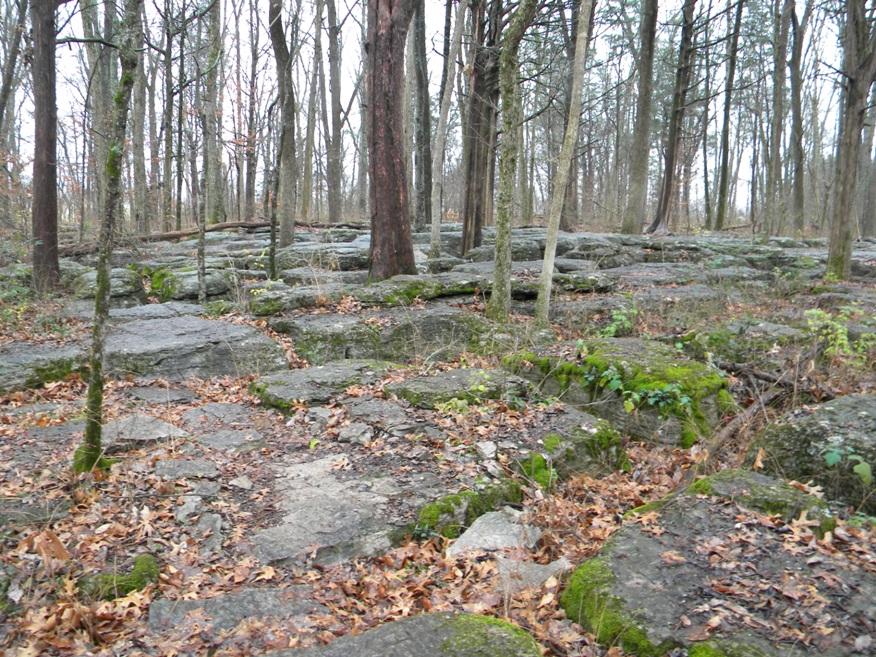
Hell’s Half Acre at Stones River, where the ground is so rocky that you can easily understand why well trained and entrenched troops would be hard to dislocate.
TN.30: Describe important Civil War battles in Tennessee by region, including: Siege of Fort Henry; Fort Donelson; Shiloh; Knoxville Campaign; Chattanooga Campaign; Stones River; Fort Pillow Massacre; Battle of Franklin; Johnsonville Campaign; Battle of Nashville.
TN.31: Identify the influences of Tennesseans during the Civil War, including: Sam Davis, William Driver, David Farragut, Nathan Bedford Forrest, Isham Harris, Andrew Johnson, Sam Watkins
Click here for a virtual tour of Stone’s River.

A crowd of teachers at a TN History for Kids inservice at Carnton/Carter in 2022.
Click here for a virtual tour of Carnton/Carter (the Battle of Franklin).
Click here for a virtual tour in search of the Battle of Nashville.
Page 63: Snapshots from Tennessee’s War
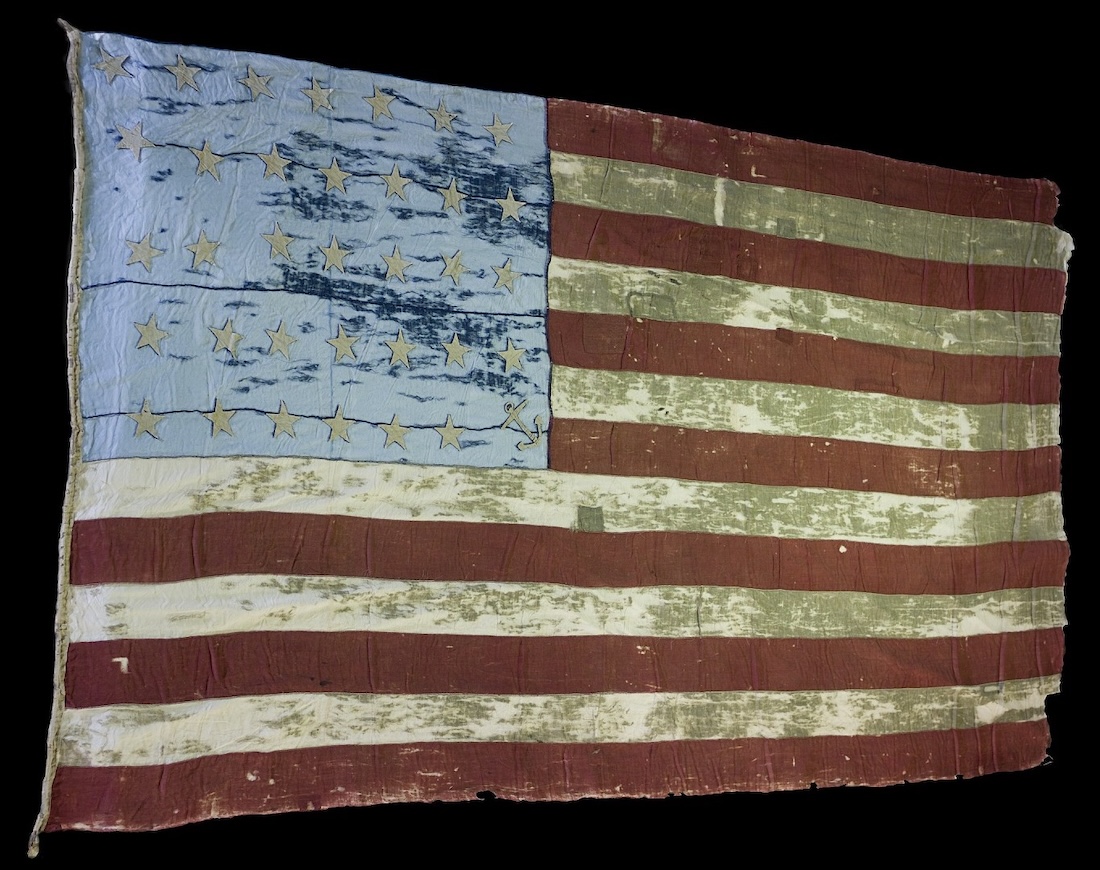
William Driver’s American flag, which he called “Old Glory” (Smithsonian Institute photo)
TN.30: Describe important Civil War battles in Tennessee by region, including: Siege of Fort Henry; Fort Donelson; Shiloh; Knoxville Campaign; Chattanooga Campaign; Stones River; Fort Pillow Massacre; Battle of Franklin; Johnsonville Campaign; Battle of Nashville.
TN.31: Identify the influences of Tennesseans during the Civil War, including: Sam Davis, William Driver, David Farragut, Nathan Bedford Forrest, Isham Harris, Andrew Johnson, Sam Watkins.
TN.32: Describe the importance of the Medal of Honor, its origins in Tennessee, and its continued legacy to the present day.
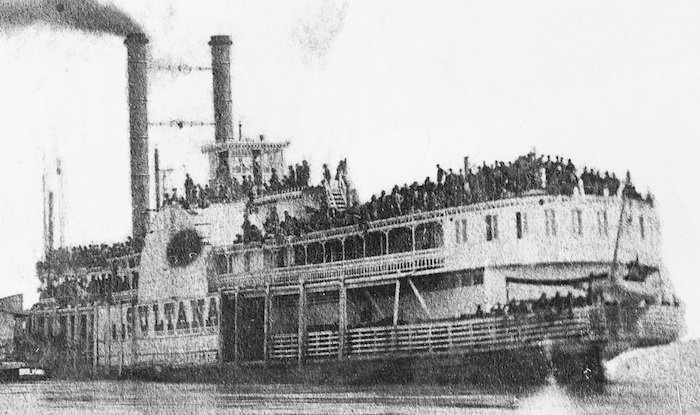
TN.33: Explain the significance of the Sultana disaster.
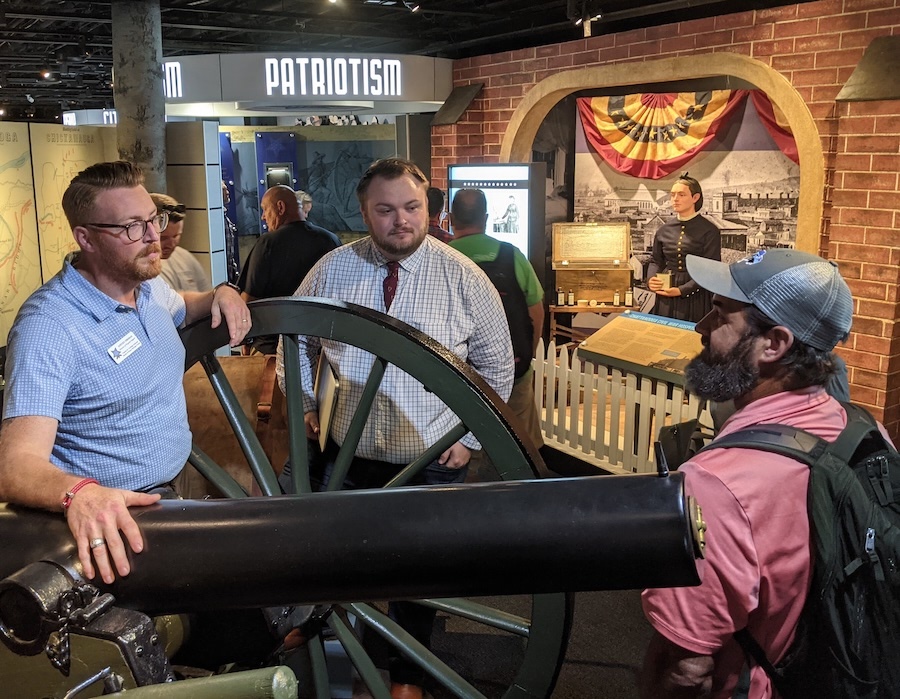
Teachers visit the Medal of Honor Heritage Center during a TN History for Kids inservice in July 2021
Click here to read a Tennessee Magazine column about William Driver and his “Old Glory” American flag.
Click here to be taken to a detailed description of the naval Battle of Memphis on the website of Virginia’s Mariners Museum.
Click here to be taken to the website of the Medal of Honor Heritage Center in Chattanooga.
Click here for a virtual tour of Fort Pillow.
 Click here for a virtual tour of Johnsonville.
Click here for a virtual tour in search of the Sultana disaster, and here to be taken to the website of the wonderful Sultana Disaster Museum in Marion, Arkansas.
Page 67: Tailor, Parson, Klan
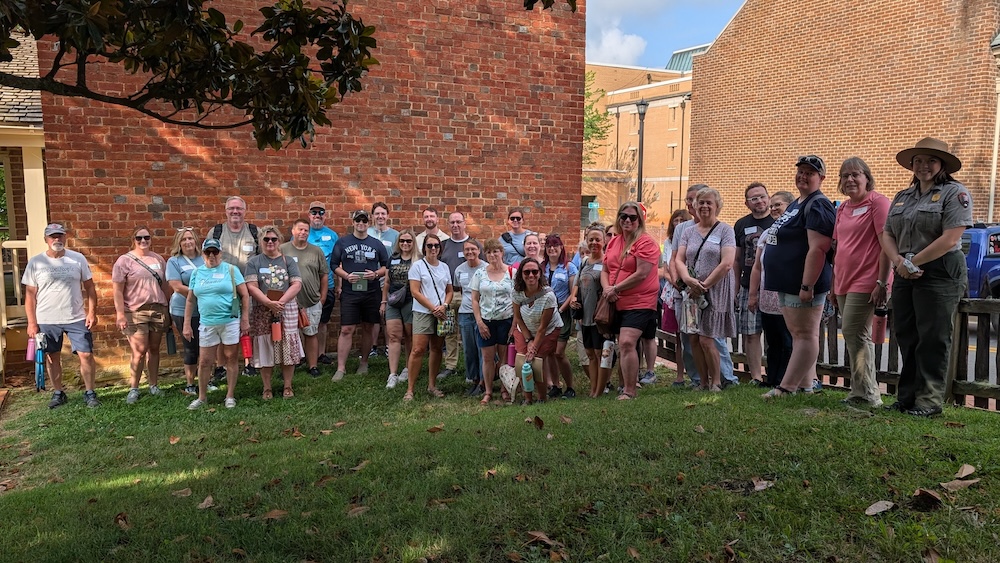
This is the crowd of teachers who attended the all-day inservice at the Andrew Johnson National Historic Park in July 2025.
TN.31: Identify the influences of Tennesseans during the Civil War, including: Sam Davis, William Driver, David Farragut, Nathan Bedford Forrest, Isham Harris, Andrew Johnson, Sam Watkins.
TN.34: Describe how the Civil War impacted various populations in Tennessee (e.g. African Americans, American Indians and women)
TN.35: Explain William Brownlow’s role in the development of Reconstruction.
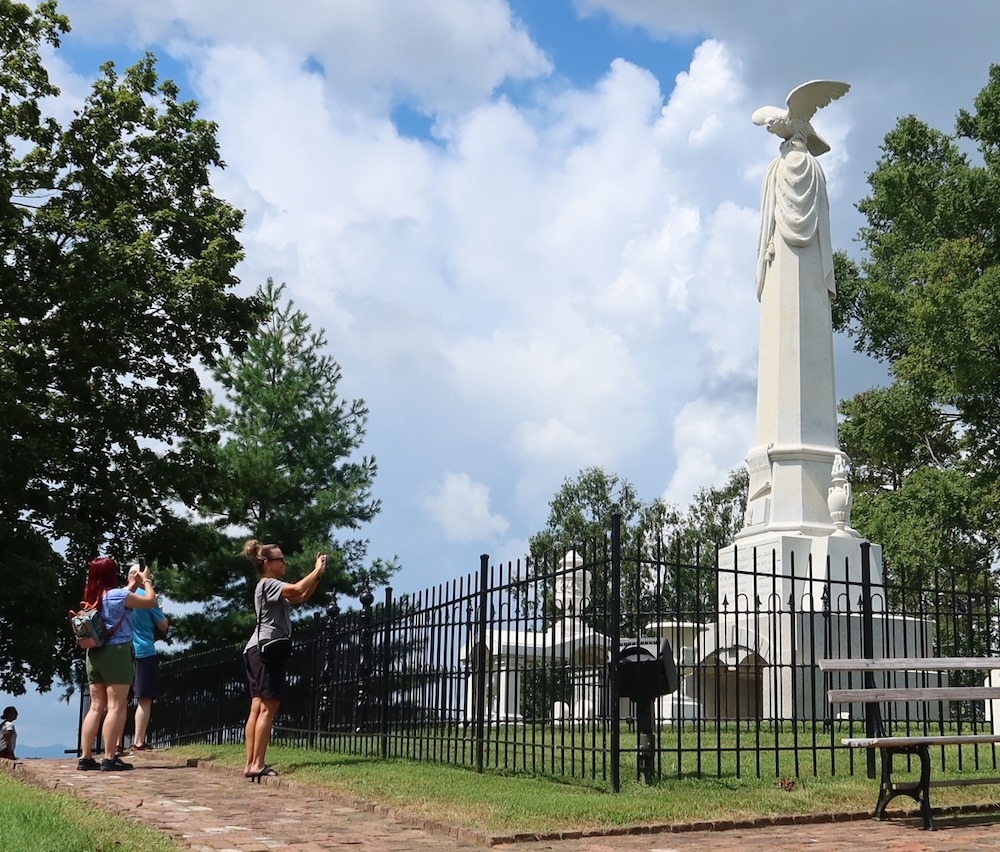
Teachers at the grave of President Andrew Johnson
TN.36: Explain the impacts of impeachment of President Andrew Johnson.
TN.37: Describe the rise, influence and opposition of the Ku Klux Klan in Tennessee
Click here to take a TN History for Kids virtual tour of the Andrew Johnson National Historic Park in Greeneville.
If you want to read more of Parson Brownlow’s insults, click here to read plenty of them.
Page 69: New Constitution
TN.40: Explain the development, legacy and changes of the 1870 Tennessee Constitution.
Click here for a Tennessee Magazine column about this subject.
Click here to see the original copy of the Tennessee Constitution of 1870 on the TN State Library and Archives’ website.
Page 71: Schools After the War
TN.38: Explain the development and efforts of the Freedman’s Bureau schools, including Fisk University
TN.47: Analyze the effects of Jim Crow laws on Tennessee, including the efforts of advocates for African Americans: W.E.B. Du Bois, James Napier, Mary Church Terrell, Ida B. Wells-Barnett
Page 72: Bluff City
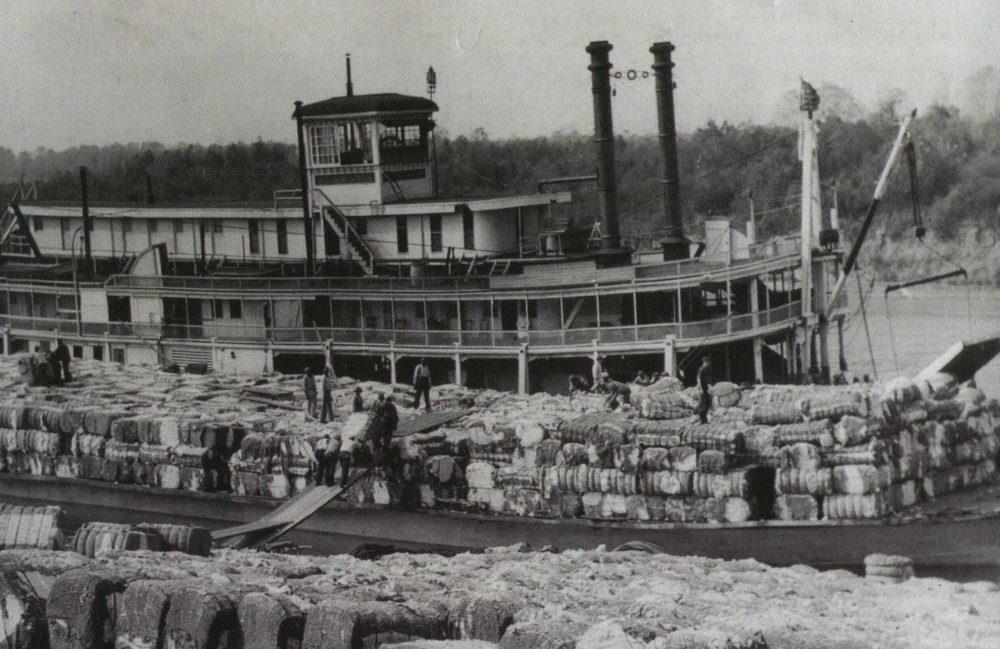
A steamboat about to be loaded with cotton in Memphis (TN State Library and Archives photo)
TN.44: Discuss the impact of the yellow fever epidemic on Memphis.
TN.47: Analyze the effects of Jim Crow laws on Tennessee, including the efforts of advocates for African Americans: Mary Church Terrell
A lot of supplemental material:
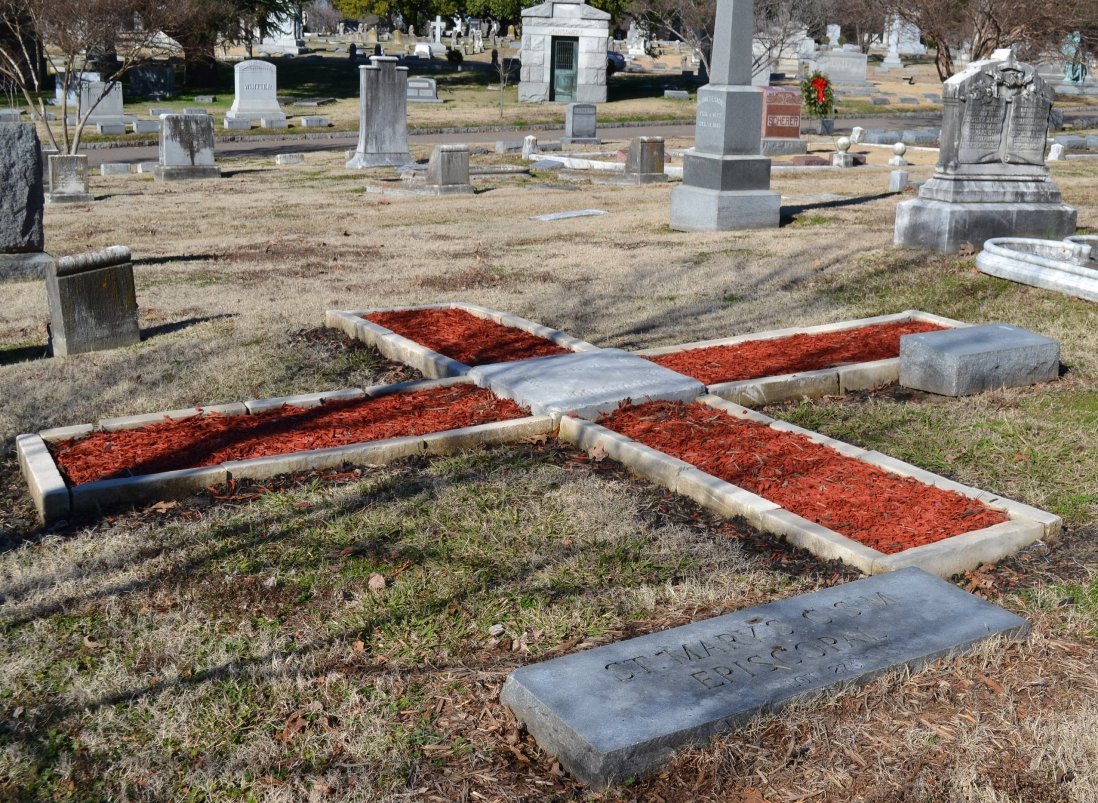
The grave of four nuns who died trying to treat the sick during the yellow fever epidemic
* Click here for the Shelby County history page.
* Click here for a virtual tour of the Memphis Cotton Exchange and here for a cool video in which “History Bill” walks all the way to Memphis with some cotton to sell.
* Click here to read a sobering column about the Memphis yellow fever epidemic.
 Page 74: Dortch Law and Poll Tax
TN.43: Describe the social, economic and political changes to Tennessee in the post-Reconstruction era, and identify the laws put in place to exclude black lawmakers by 1890
The Tennessee State Library and Archives has created a wonderful site about the African Americans who were elected to the Tennessee General Assembly in the Reconstruction years. Click here to see it.
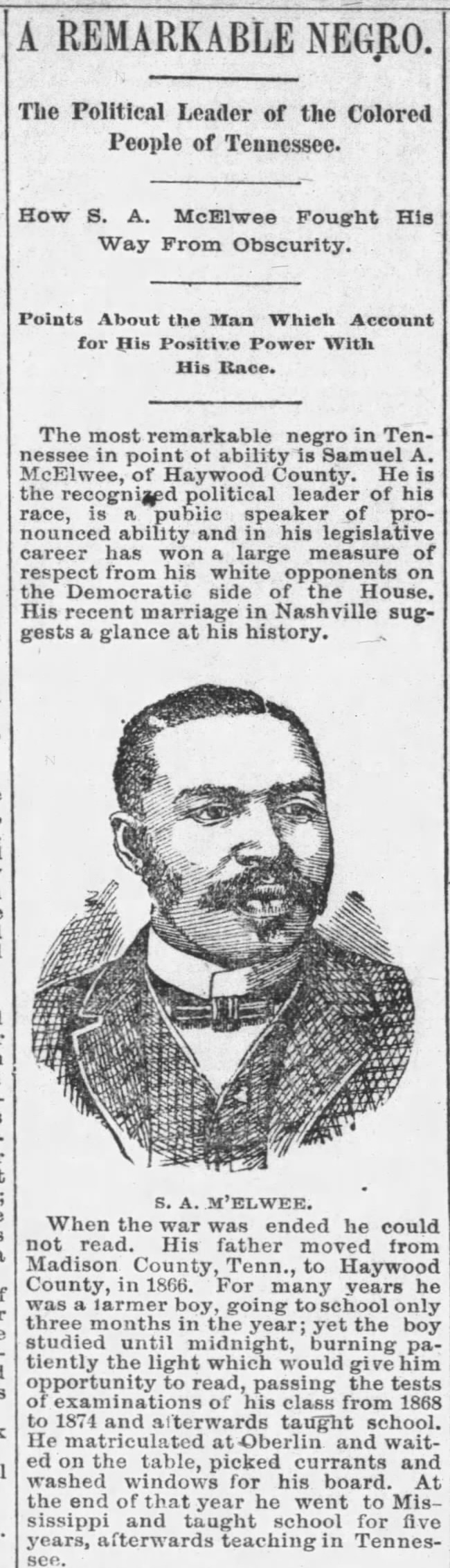
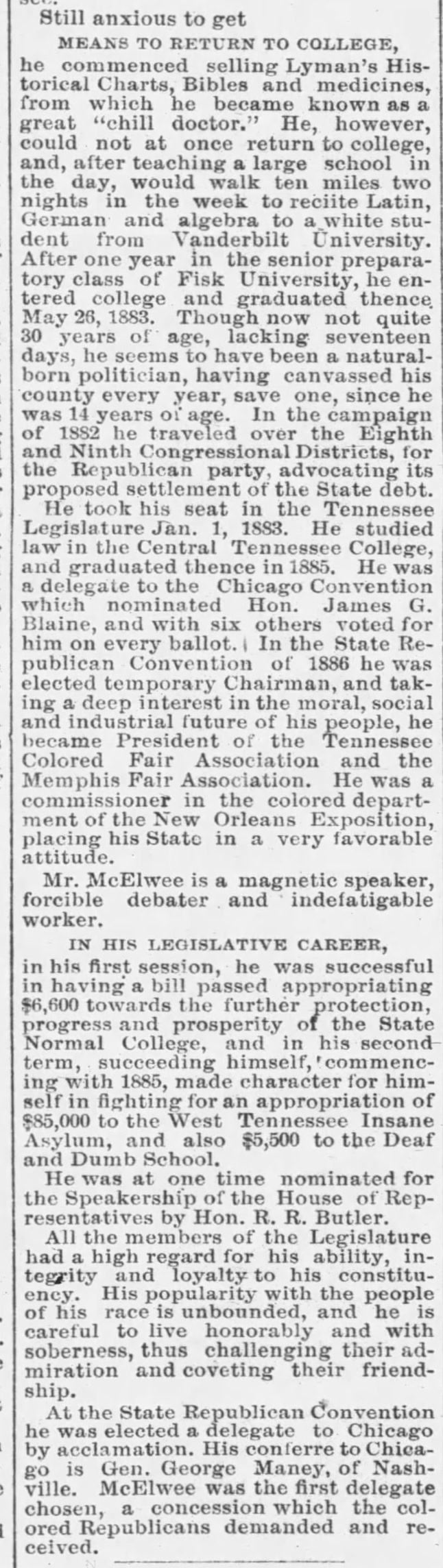
The Nashville American newspaper published a long story about Samuel McElwee on June 9, 1888. The first half of the article is shown on the right; the second half on the left. I suggest every student taking this course read this story.
 Page 76: Exodus
TN.34: Describe how the Civil War impacted various populations in Tennessee (e.g. African Americans, American Indians and women)
TN.41: Describe the experiences of exodusters, including Benjamin “Pap” Singleton.

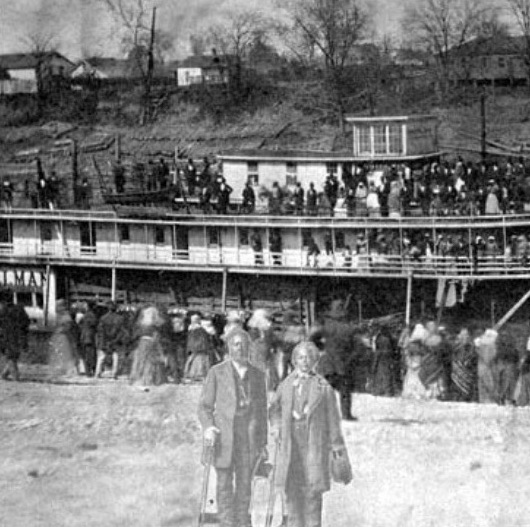
Kansas Historical Society image
Nicodemus National Historic Site in Kansas is devoted to the story of the Exodusters. We drove up there and did this virtual tour of the place.
The circular on page 77 is shown on the left. Click on the image to see a larger version of it.
A part of Topeka, Kansas, is called Tennessee Town because it was originally settled by Exodusters from Tennessee. Click here to learn more about this.
 Page 78: Coal Creek War/Raise the Children the Best You Can
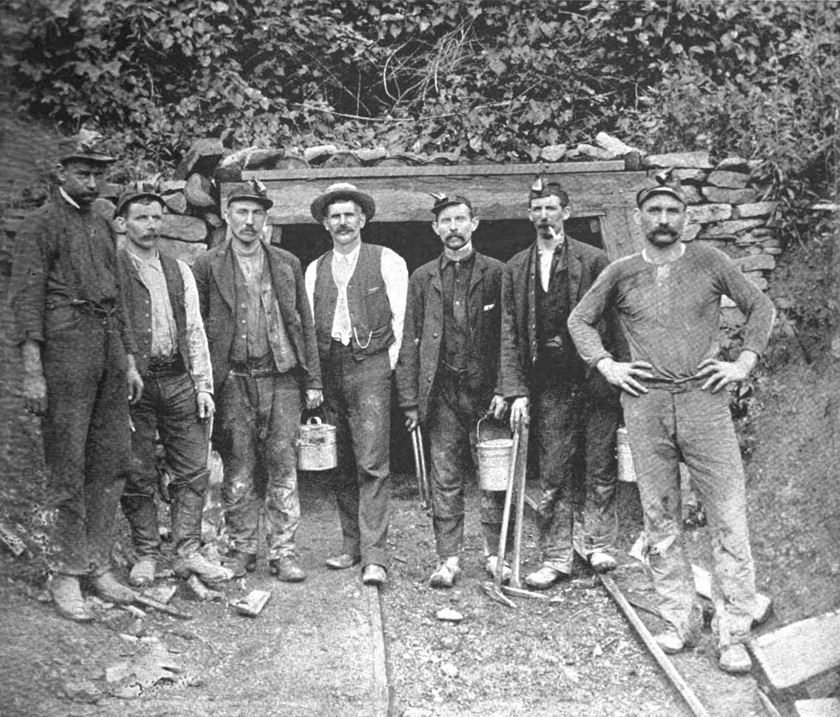
TN.45: Describe the events that led to the Coal Creek Wars in Anderson and the surrounding counties over the state of Tennessee’s decision to replace coal miners with prisoners.
The fact that students are now learning the amazing Coal Creek saga is because of two people: Barry Thacker and Carol Moore.
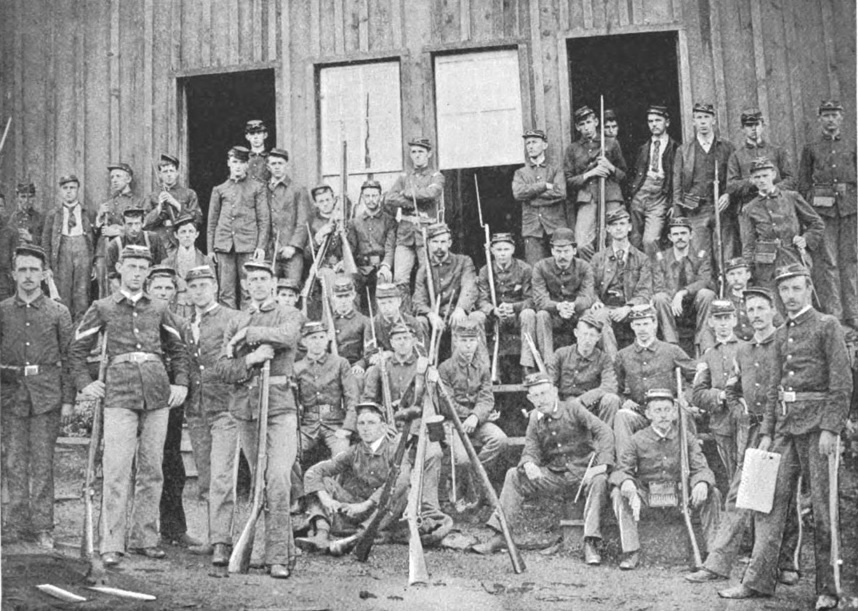 Barry often speaks at our virtual inservices. Click here to sign up for our twice monthly email newsletters to you will be notified the next time we have him on.
Click here to be taken to the website of the organization Barry and Carol run, the Coal Creek Watershed Foundation.
Page 81: Leaving the Farm
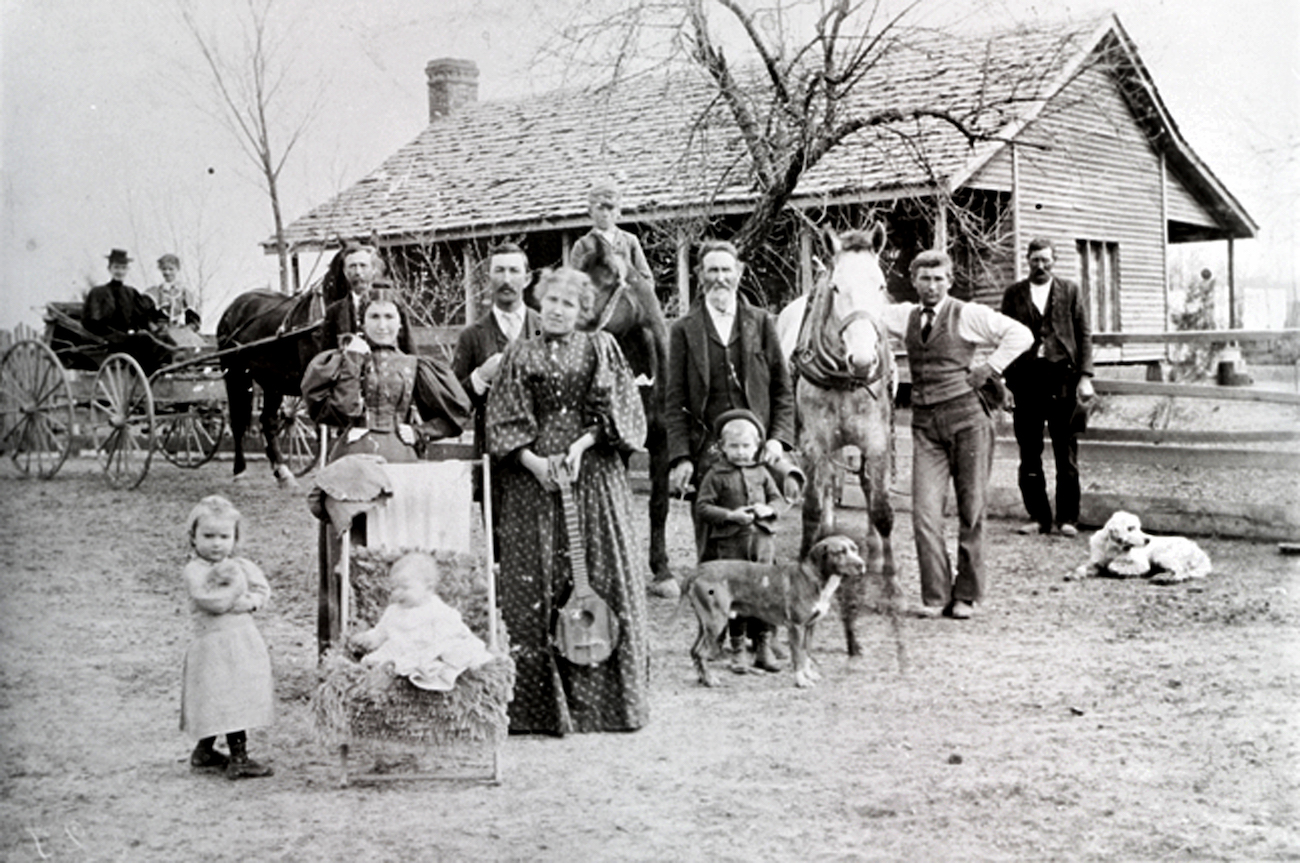
TN.42: Explain developments in Tennessee’s farming during the late 19th century as a result of industrialization
Some of you may recognize the photo on page 81 from previous TN History for Kids workbooks. After ALL THIS TIME, the Tennessee State Library and Archives has now identified the photo with this description:
“1895 photograph of the L. Lee Marshall family posed in front of their house in the Gift community near Covington. The family is pictured with their pets, horses, and a carriage.”
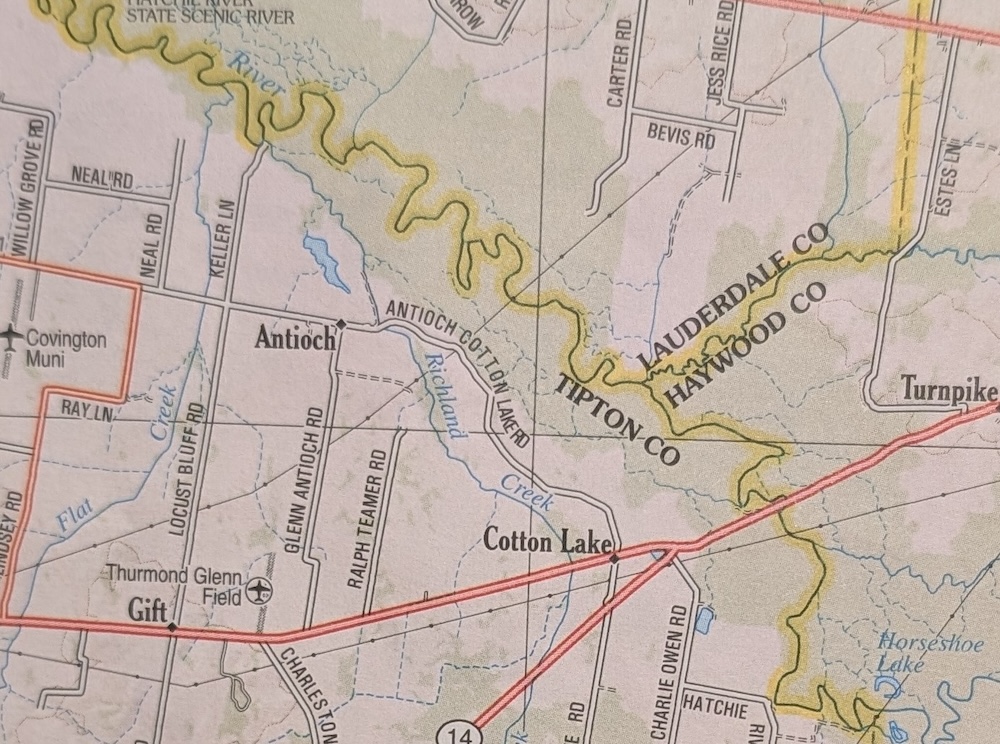 As you can see on the map on the left, the Gift community is just west of the intersection of Tipton, Lauderdale and Haywood Counties.
And according to an article I found in the Covington Leader newspaper: In 1919, Lee Marshall sold his land (all 7 acres of it) to a Black man named Lee Farrar for $1,000.
For more content related to the themes of this chapter, click here for a virtual tour of the Ducktown Basin, here for a tour of the Dunlap Coke Ovens, and here for a tour of the Tennessee Central Railway.
Page 83: Centennial Exposition
TN.46: Describe Tennessee’s Centennial Exposition, and explain its significance.
TeVa — the virtual library created by the TN State Library and Archives — has a wonderful webpage about the Centennial Exposition of 1897. Click here to see it.
Page 84: Murder and Prohibition
TN.48: Summarize the influence of and reactions to the temperance movement in Tennessee, including the murder of Senator Edward Carmack.
Nashville historian David Ewing — who often appears at our inservices — wrote this article about the Carmack murder.
Click here to be taken to online teacher’s guide for chapters 33-48.
This workbook was written for students taking the high school elective on Tennessee history, and this web page contains further information about the events and names contained in chapters 17-32 of the workbook.
The ‘I” referred to in this teacher’s guide is the author, Bill Carey, who is also the founder of Tennessee History for Kids.
For the online teacher’s guide to pages 2-42 click here; for the online teacher’s guide to pages 85-125, click here.
Here are some historic maps of Tennessee from the time period covered in these chapters. Click on them to make them much larger.
First we have this map of Tennessee produced by cartographer David Burr in 1839:
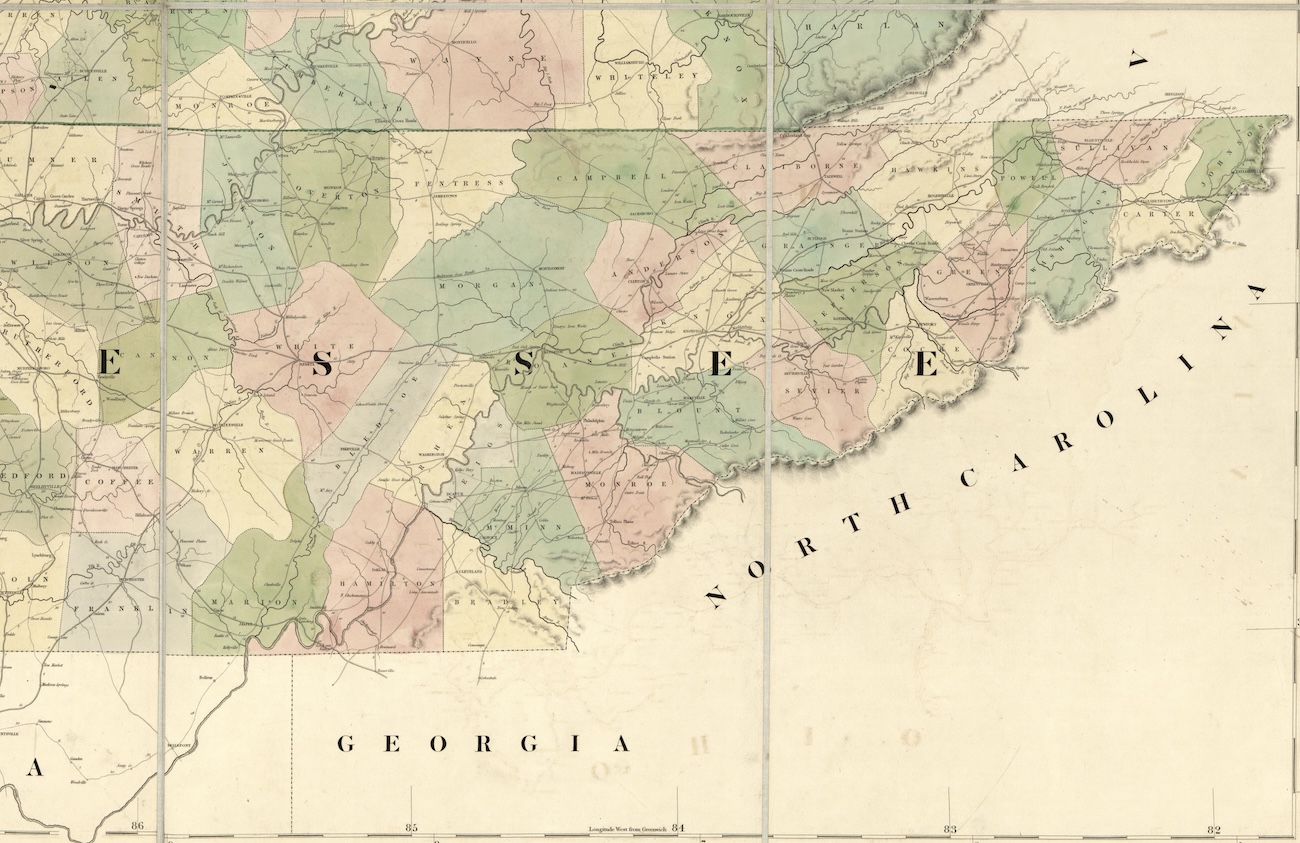
1839 David Burr map of East Tennessee (TN State Library and Archives)
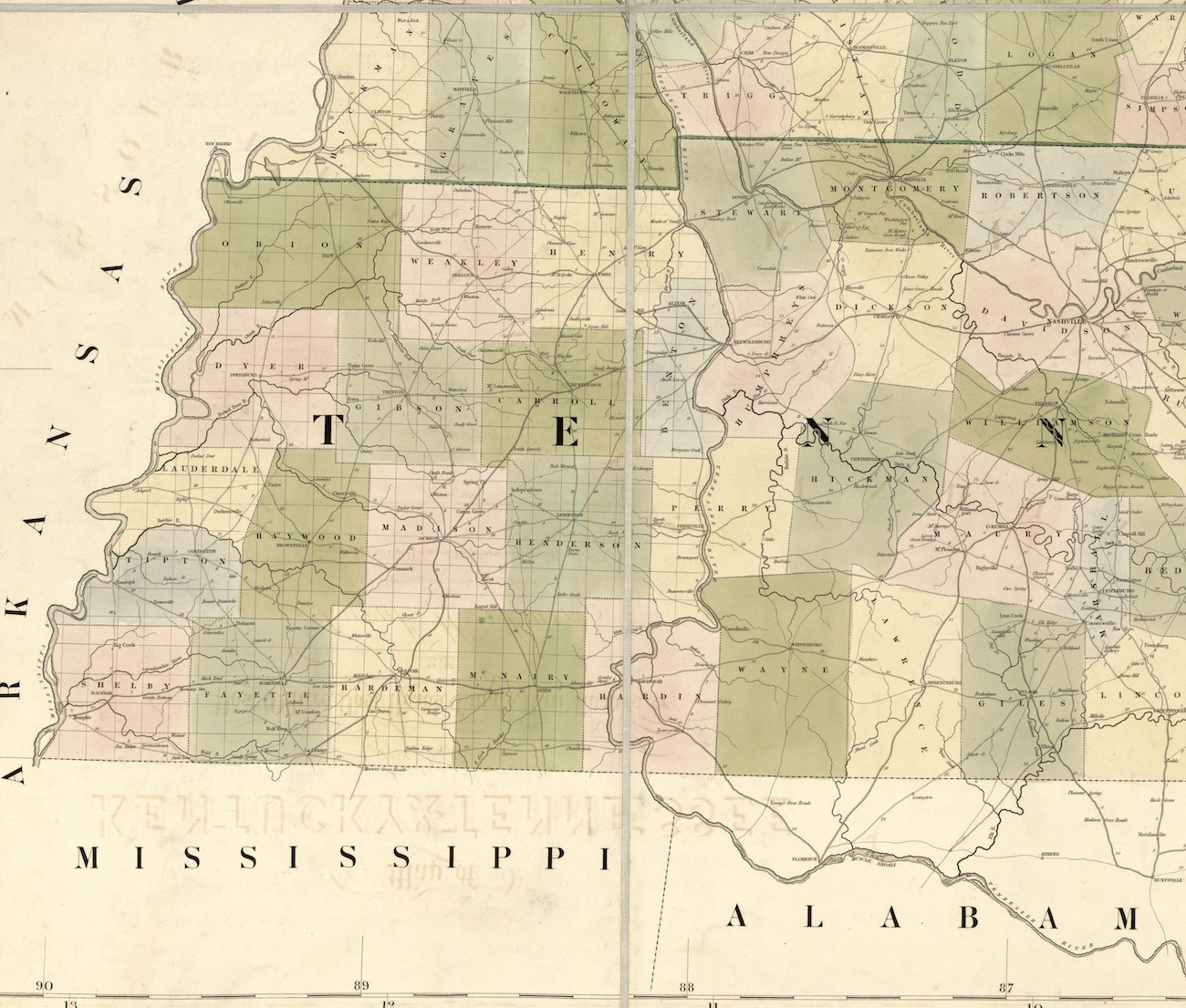
1839 David Burr map of West Tennessee (TN State Library and Archives)
Here’s the 1851 “Tourist’s Pocket Map of Tennessee” produced by Philadelphia cartographer J.H. Young:

1851 Tourist’s Pocket Map of Tennessee Legend (TN State Library and Archives)
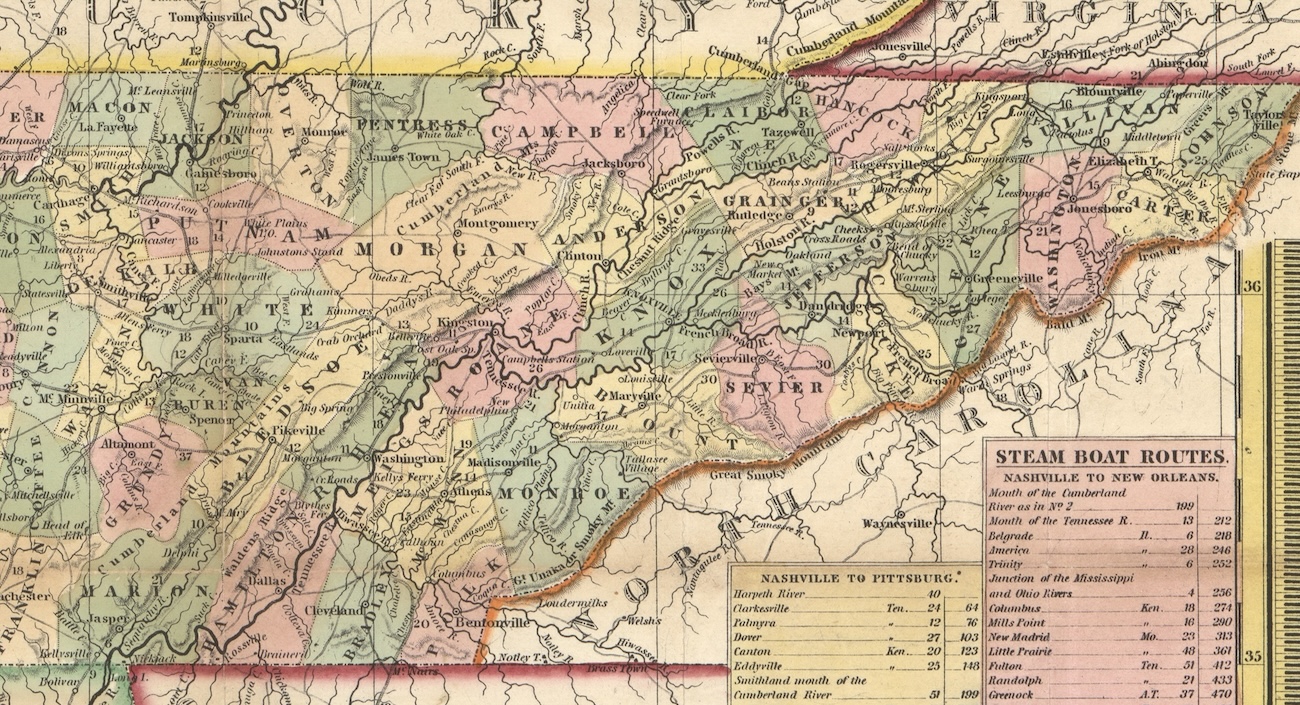
1851 Tourist Map East Tennessee
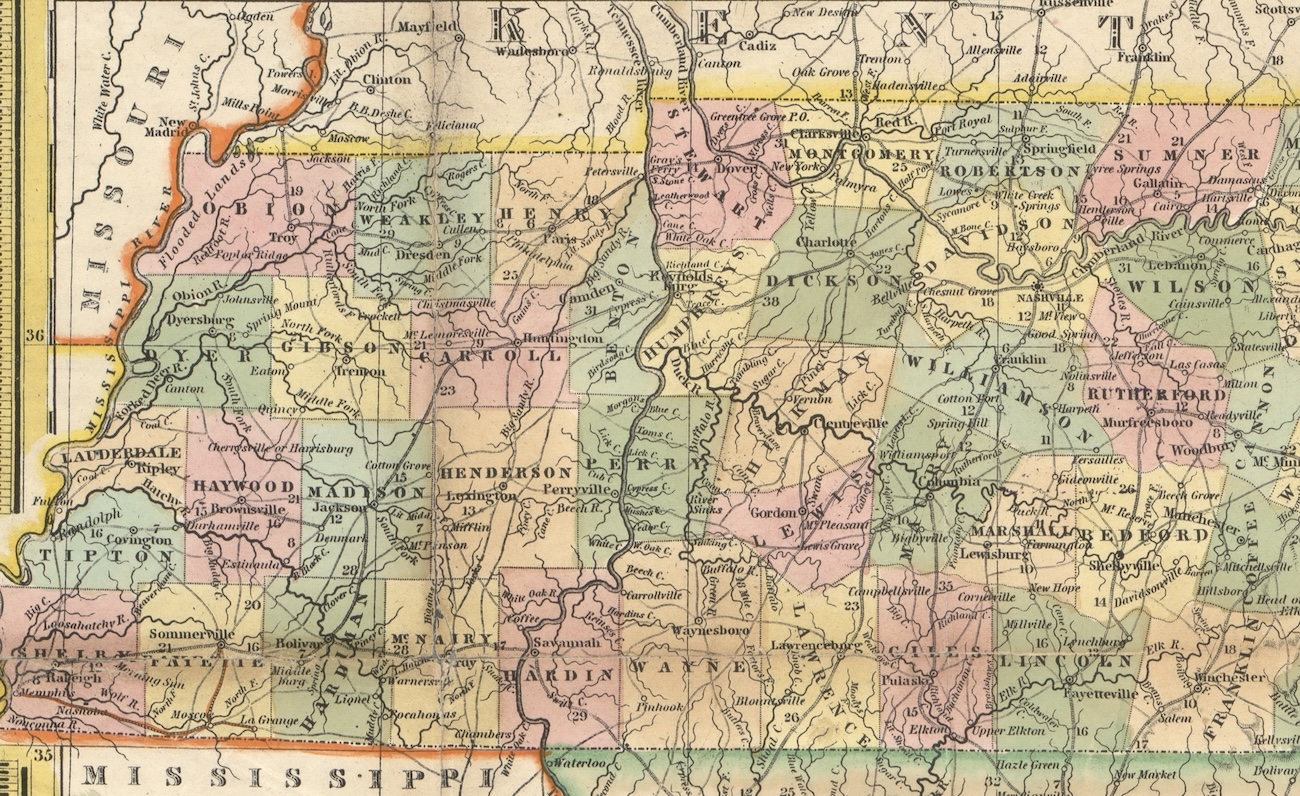
1851 Tourist Map West Tennessee
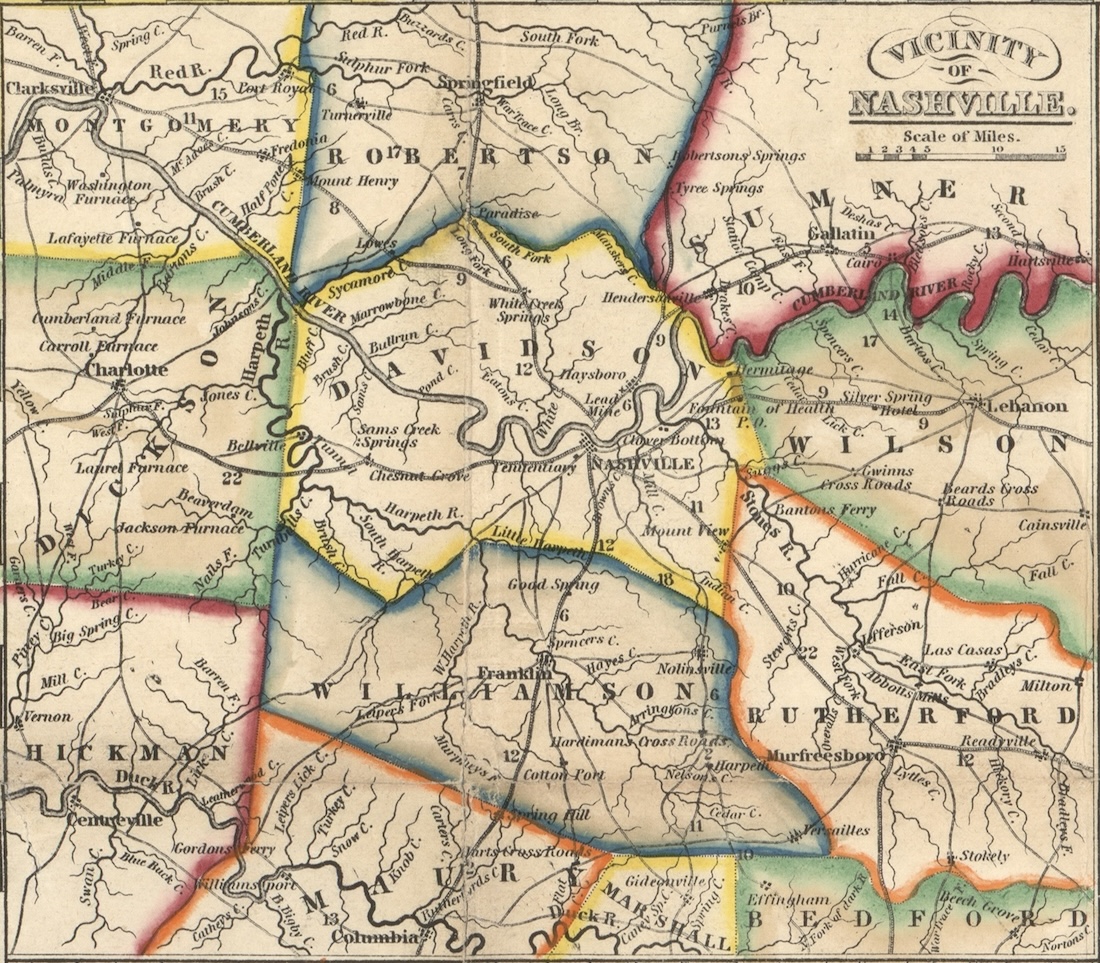
1851 Tourist Map “Vicinity of Nashville”
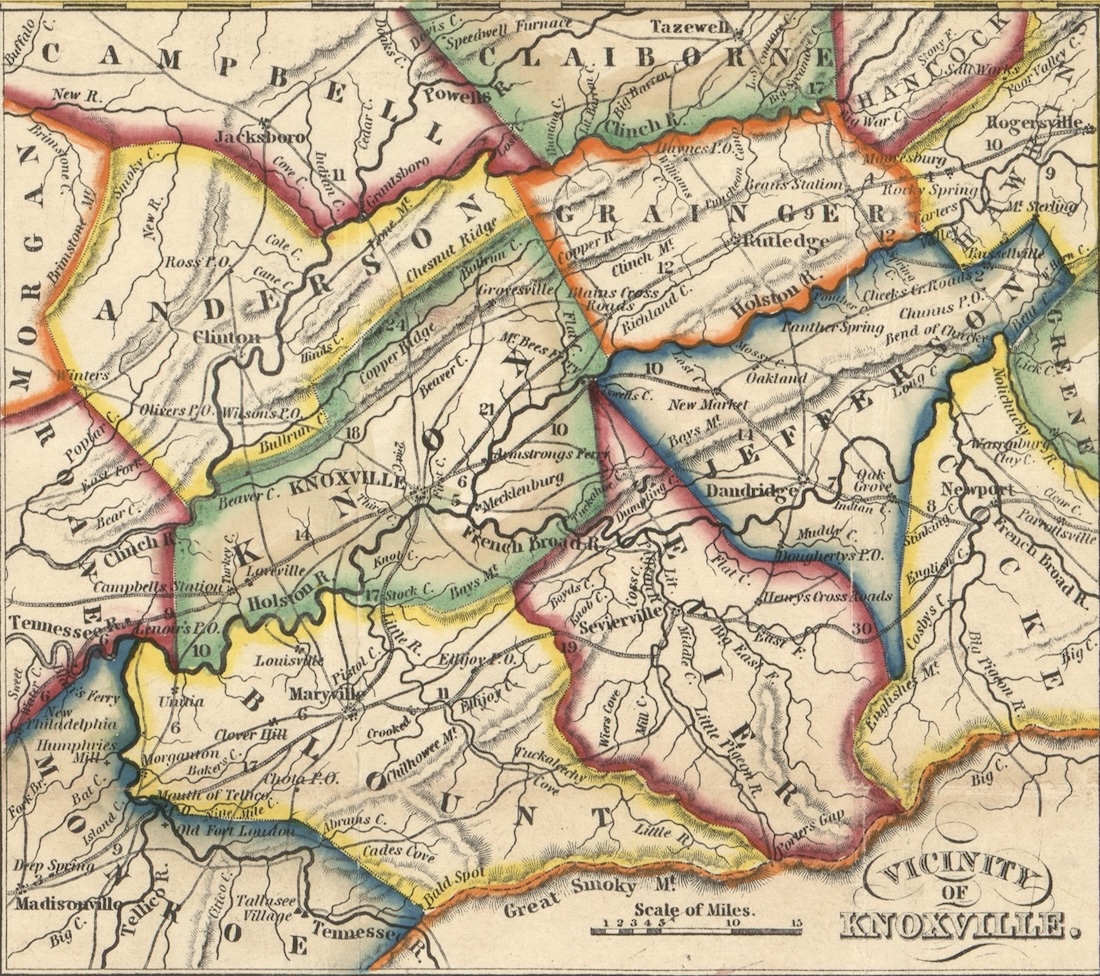
1851 Tourist Map “Vicinity of Knoxville”

1851 Tourist Map “Stagecoach Routes”
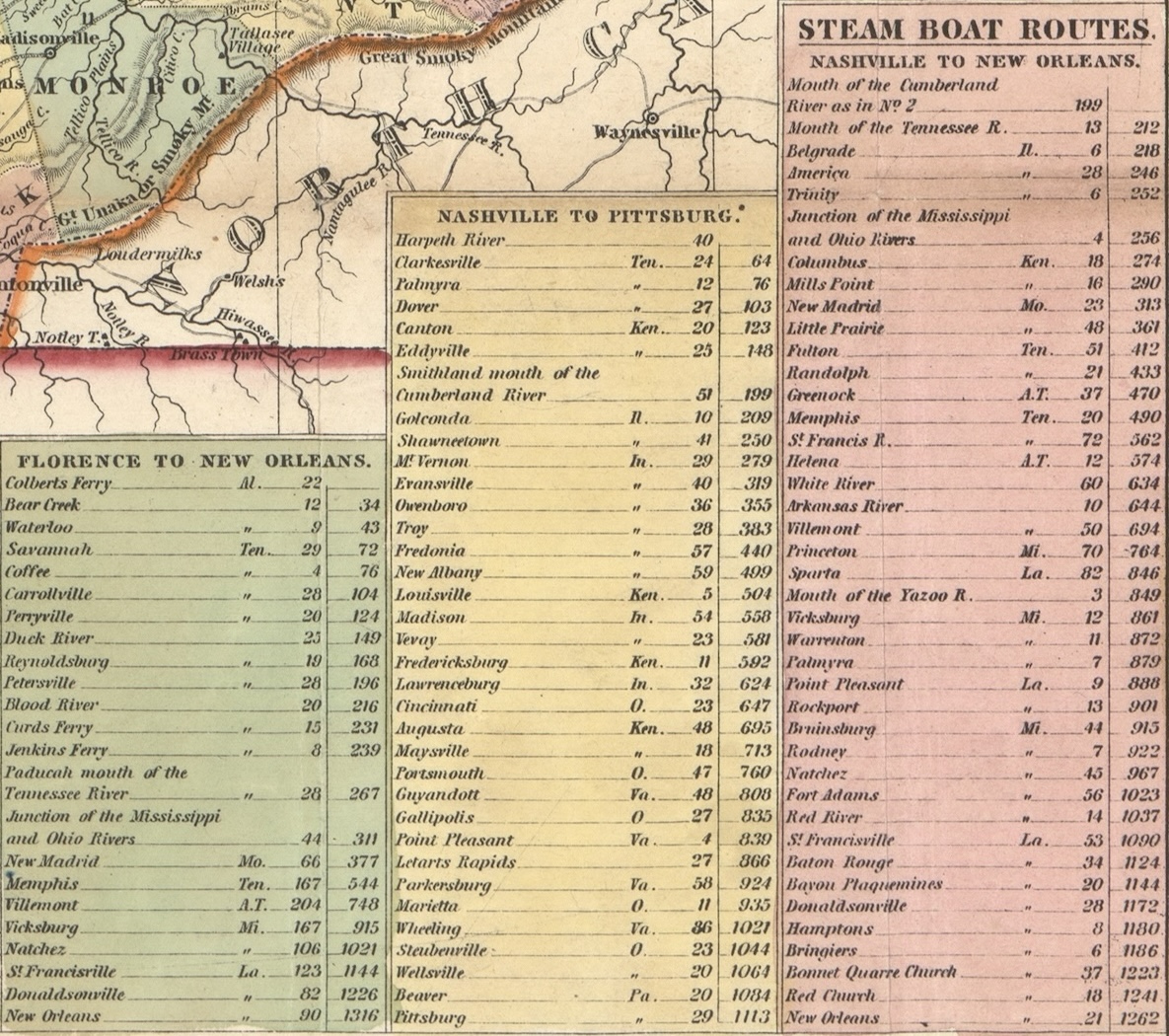
1851 Tourist Map “Steamboat Routes”
Here’s a map, produced by the U.S. Department of the Interior in 1861, that shows slave population by Tennessee county according to the 1860 census:
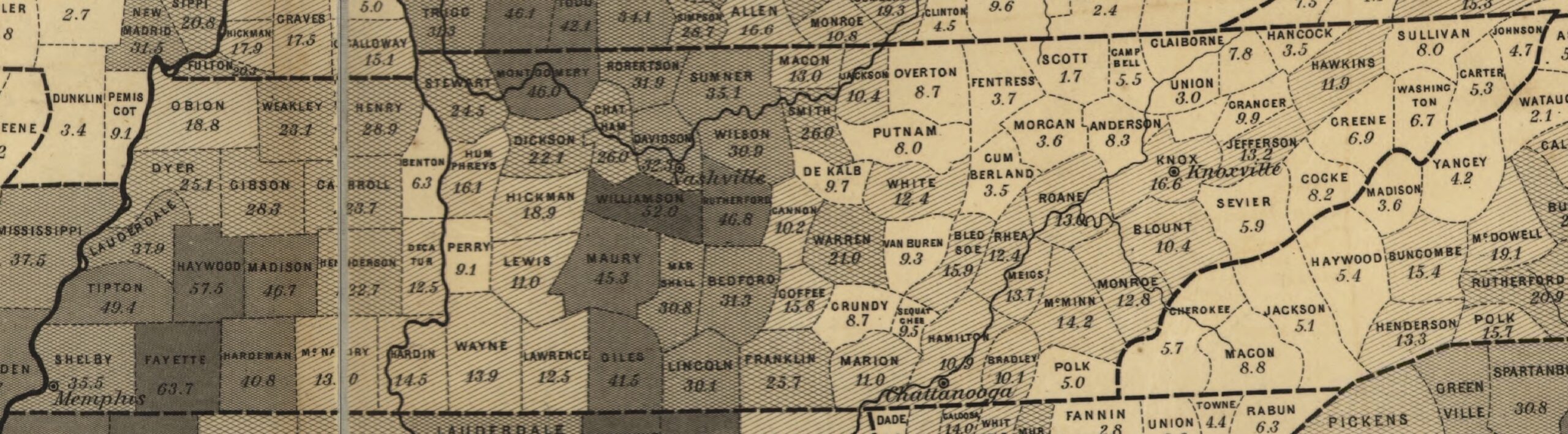
Library of Congress
Here’s the Tennessee portion of the 1861 map of Kentucky and Tennessee created by Middleton, Strobridge and Co. of Cincinnati (Library of Congress image):
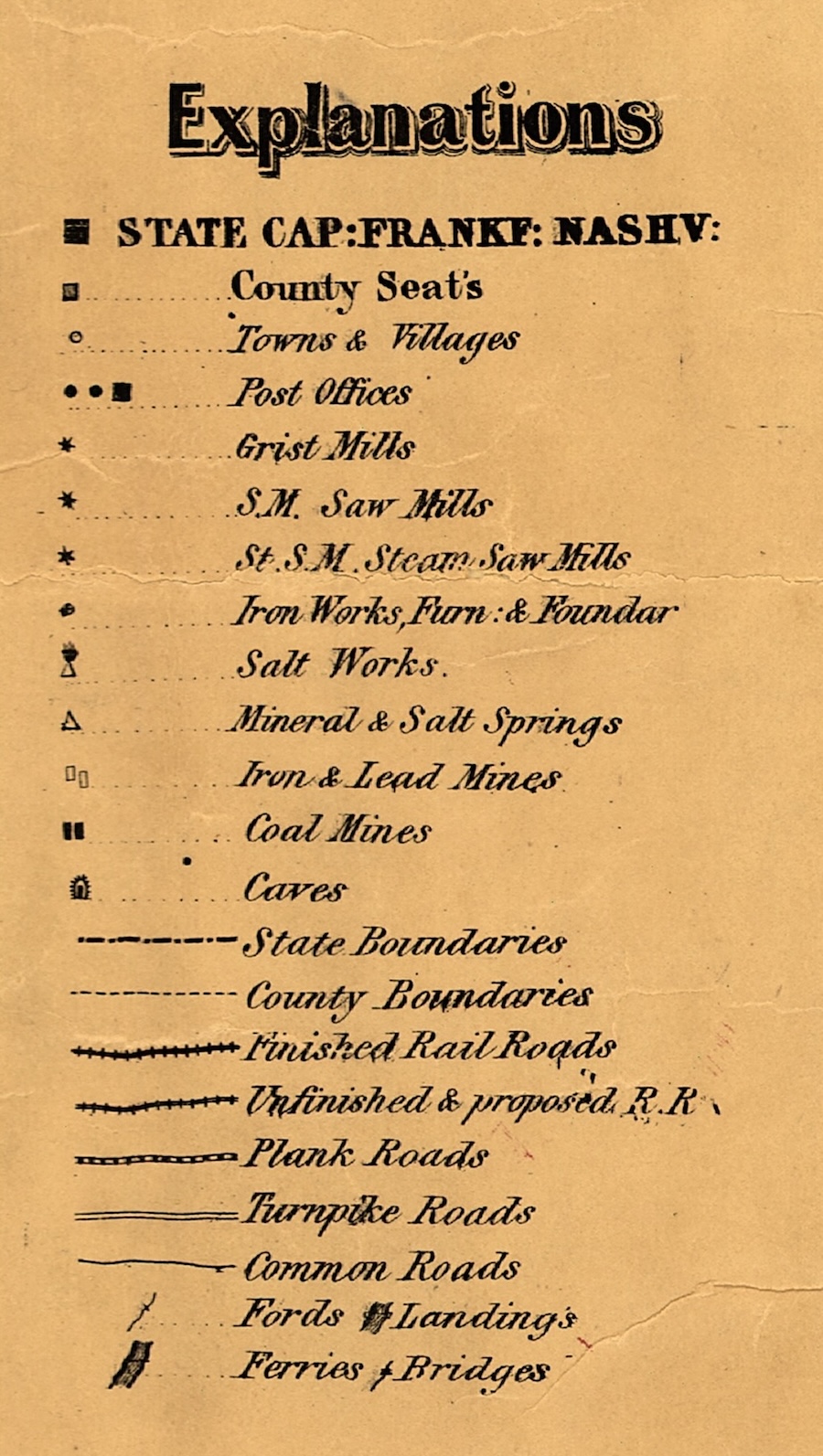
Legend of 1861 map

East Tennessee, 1861
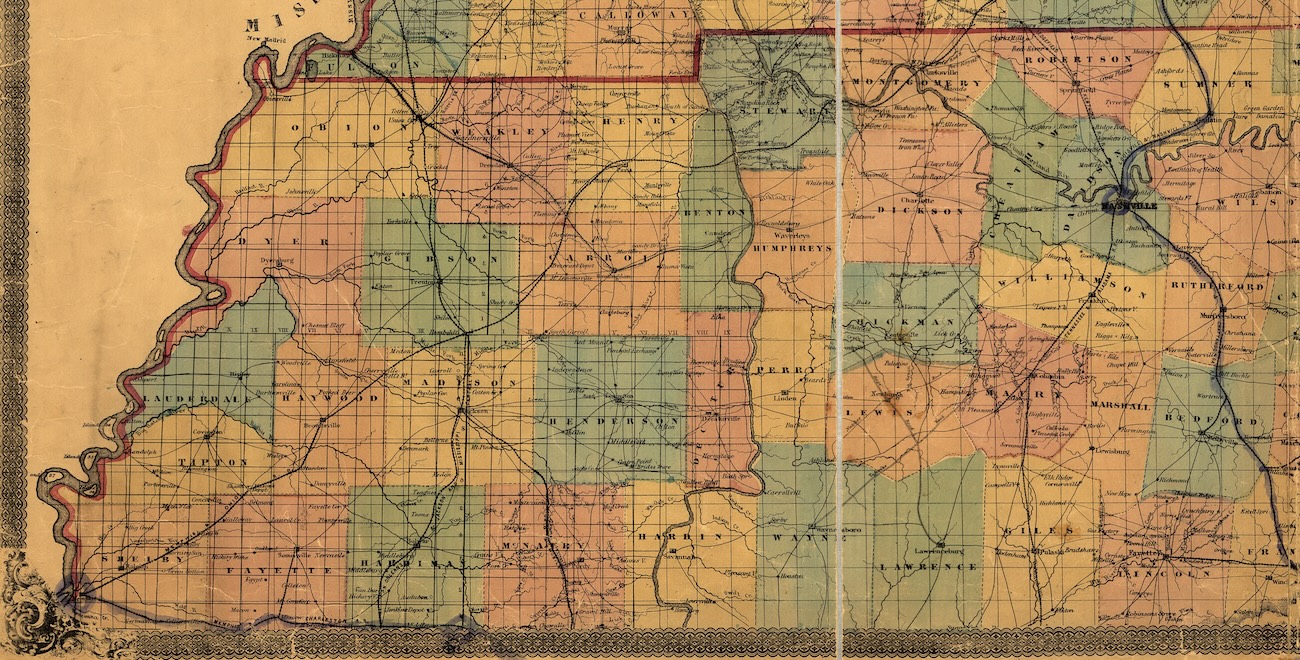
West Tennessee, 1861

City of Memphis, 1861