Teacher’s Guide to Work for Freedom (2027 edition)
Welcome to the teacher’s guide to the 5th grade Tennessee History for Kids workbook Work for Freedom [2027 edition]. This web page contains further information to help teachers use this workbook.
TN History for Kids sells these workbooks as inexpensively as it does and prints them on non-glossy paper because we want students to write in them and keep them.
Each chapter has a quiz in the workbook and most chapters also have worksheets linked to this online teacher’s guide. The worksheets have simple questions and are set up to help the students learn the names, facts and events in Tennessee history. The quiz questions in the workbook are more challenging and include questions labeled “Beyond the text” and “Essential Question.”
For the answers to the quiz questions in Work for Freedom, click here.
TEACHERS, we have also created a final exam for this workbook and the previous one (Long March to Tennessee). Click here to download it. If you’d like the final exam answer key, email orders@tnhistoryforkids.org from your school email address.
Chapter 1: He That Hath No Sword
Standard 5:16: Examine the issue of enslavement in the three grand divisions, and the impact their differences had on Tennessee’s secession from the Union.
Standard 5.17: Describe the significance of the following Civil War events and battles on Tennessee: Siege of Fort Donelson, Battle of Stone’s River, Franklin, Nashville and Chattanooga.
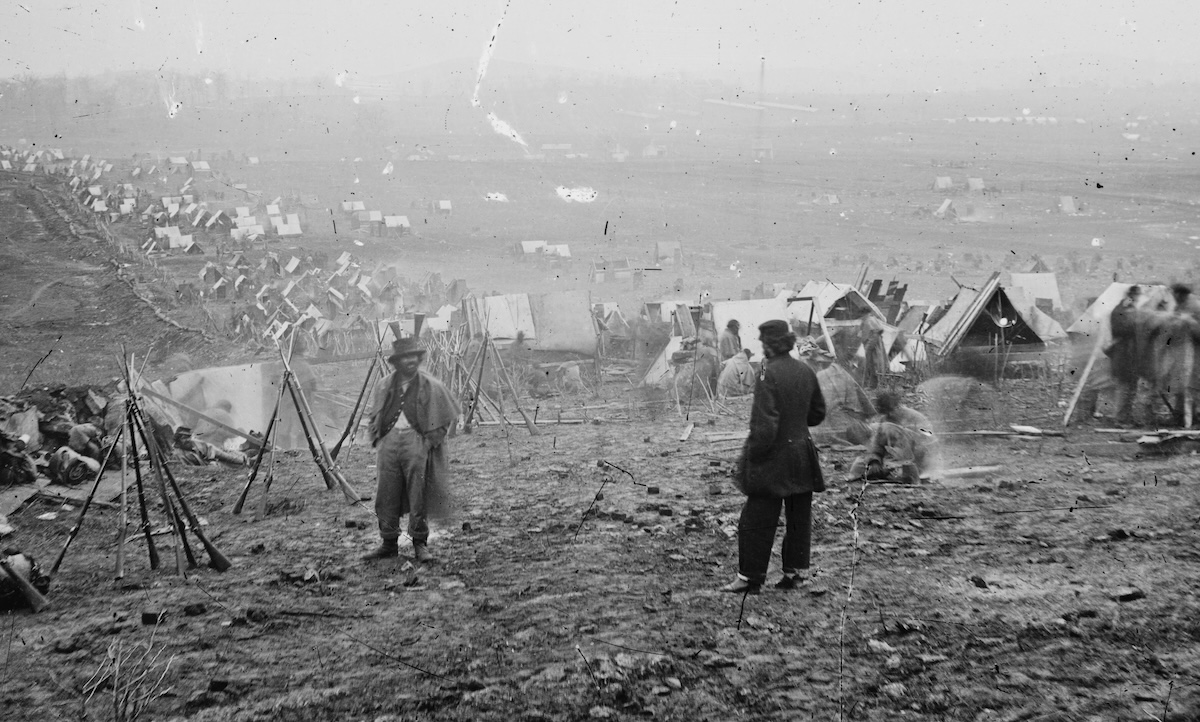
Library of Congress photo
Click here for the Chapter 1 worksheet.
Part of the “Social Studies Practice” section of the Tennessee Social Studies Standards suggests teachers expose their students to a primary or secondary source and “summarize significant information,” “distinguish between fact and opinion,” and “recognize the authors purpose, point of view and reliability.” (SSP.002)
The photo on page 2, and to the right, is a primary source. It you click on it and let your students stare at it for a while you will learn quite a bit about what conditions were REALLY like for U.S. Army soldiers by the end of the Civil War. I suggest you ask your students these questions:
ONE: What sort of uniforms are the soldiers wearing?
TWO: What types of shelters do these men appear to be sleeping in?
THREE: How many shelters can you count in this photo?
Also, we aren’t sure where this photo was taken. My best guess is that this is the present day area of I-65, just south of the downtown “loop,” just west of Fort Negley.
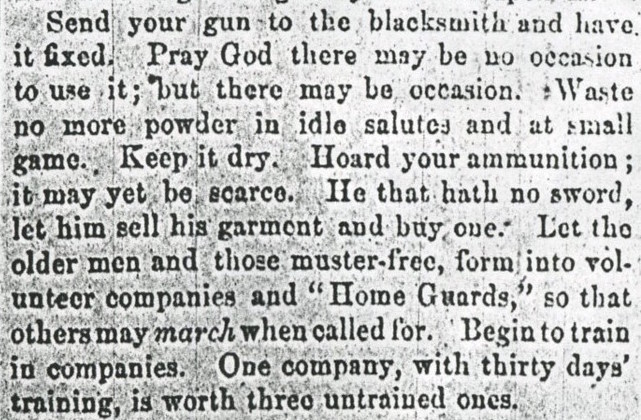 Speaking of primary sources, the editorial on the left is the one referred to on pages 3 and 4. It was published in Nashville, in April 1861, by the Southern Methodist Publishing House.
Have your students read this, and then ask them the following questions:
ONE:What is the author suggesting that his readers do?
TWO : Is the author telling his readers to prepare for peace, or to prepare for war?
Although there were Unionists in Tennessee, we can safely say that many government and business leaders in Nashville shared the opinion of the author of the editorial (Holland McTyeire, later the founder of Vanderbilt University.)
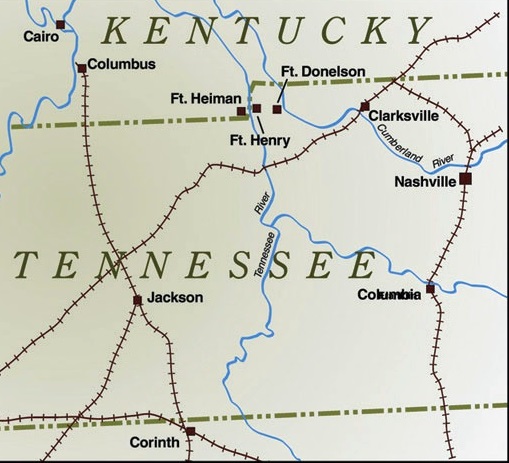
Finally, on the right column, and below, you can see the map that appears on page 3.
Chapter 2: 1862
Standard 5:16: Examine the issue of enslavement in the three grand divisions, and the impact their differences had on Tennessee’s secession from the Union.
Standard 5.17: Describe the significance of the following Civil War events and battles on Tennessee: Siege of Fort Donelson, Battle of Stone’s River, Franklin, Nashville and Chattanooga.
Click here for the Chapter 2 worksheet.
It needs to be mentioned that Shiloh is not mentioned in the Fifth Grade social studies standards. I assume this was a mistake.
Click here for a virtual tour of Fort Donelson and here for a tour of Shiloh.
Sidebar: Old Glory
Click here to read more about William Driver’s flag. Driver and his flag have been (understandably) the subject of many articles in newspapers, magazines and documentaries. Click here to see a Smithsonian Institute website devoted to Driver and his flag.
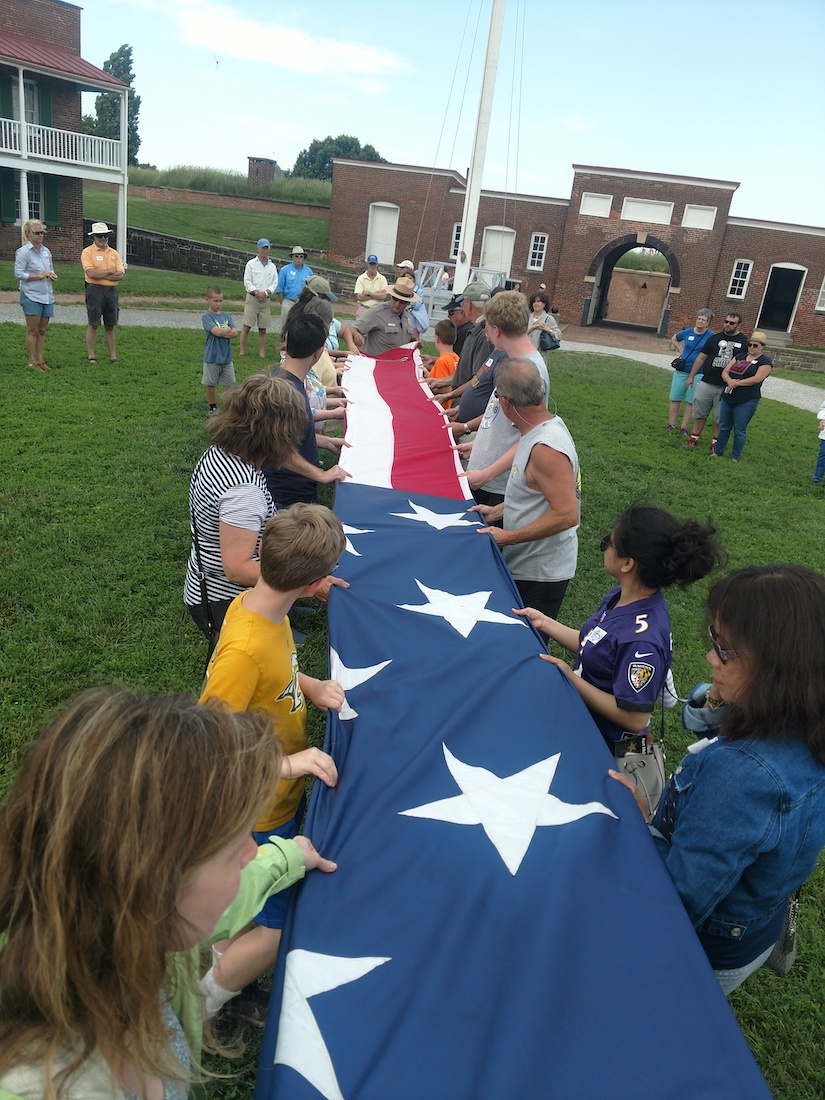
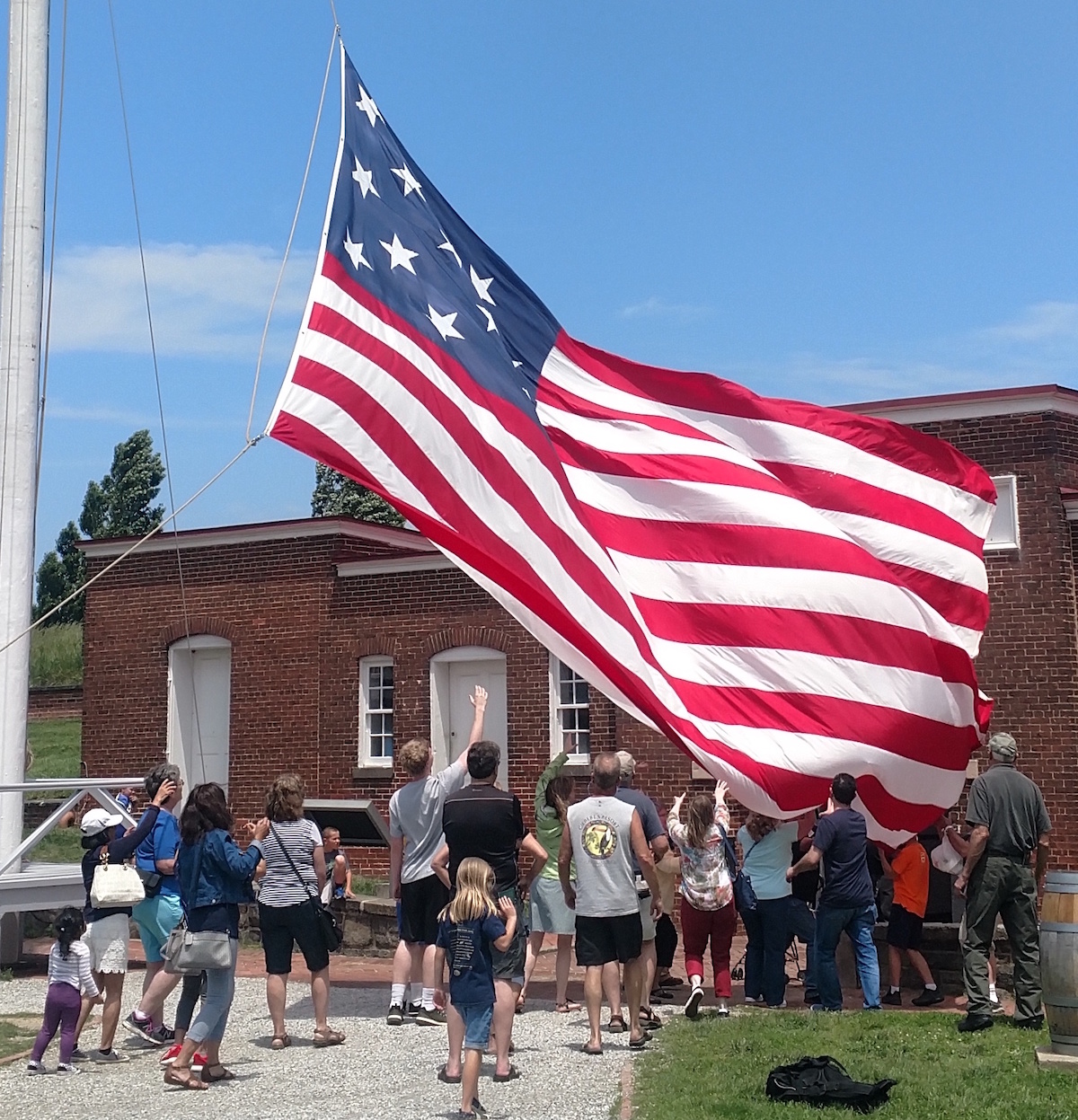
I recommend all Americans visit Fort McHenry, in Baltimore Harbor. Since I realize all Tennessee students can’t do that, I will at least refer you to the photos on the left and right. One of the things the park rangers invite people to do is take part in the lowering and folding of a very large American flag.
These are all Americans who have never seen each other before — people from different states, different races, men and women, young and old. It’s a pretty neat thing to do, and it got me wondering about why public schools don’t require just about every student to raise, lower and fold the flag at least once during the course of the year.

Library of Congress photo
Chapter 3: Occupation
Standard 5.17: Describe the significance of the following Civil War events and battles on Tennessee: Siege of Fort Donelson, Battle of Stone’s River, Franklin, Nashville and Chattanooga.
Click here for the Chapter 3 worksheet.
Click here to take a virtual tour of Fort Pillow and here to take one of Stone’s River Battlefield.
Click here for the Henderson County history page, where you can read about the Battle of Parkers Crossroads.
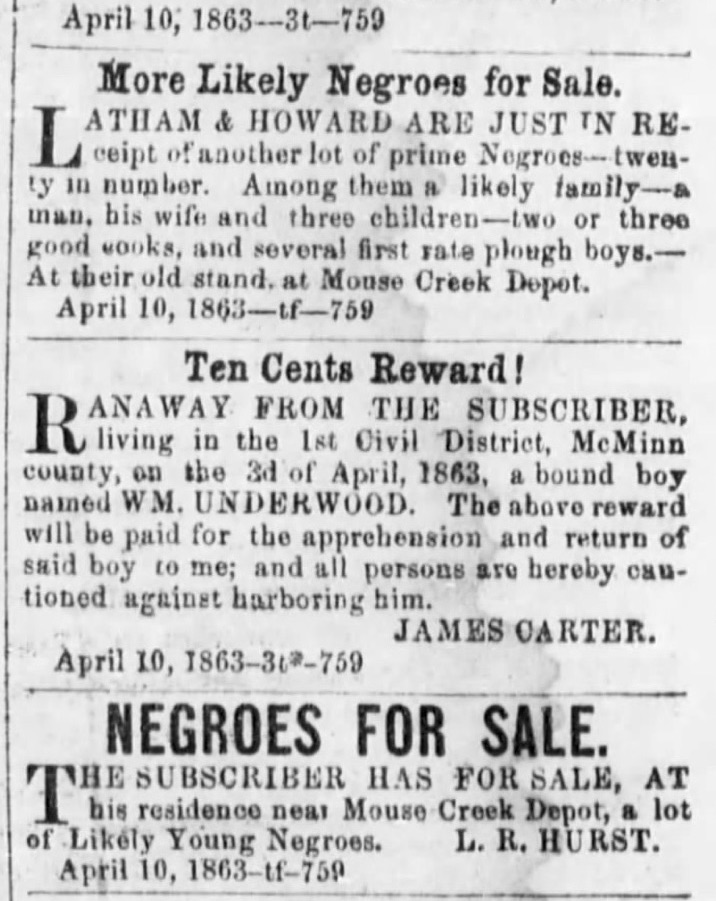 Regarding the Emancipation Proclamation and how it did NOT apply in Tennessee: In 1863 and through much of 1864, slavery was still being enforced in parts of Tennessee. The process under which slavery ended was a very complicated one; it didn’t just happen in a day or a week.
If you want proof of how slavery remained in Tennessee after the Emancipation Proclamation, check out the newspaper clipping on the left. These three small ads were published by the Athens Post newspaper, on April 17, 1863 — four months after the Emancipation Proclamation (supposedly) went into effect.
The place referred to as the “Mouse Creek Depot,” in the bottom ad, still stands. Today it is known as the Niota Train Station, and there is still no historic marker saying that slaves were sold there in April 1863.
Chapter 4: Tod Carter Comes Home
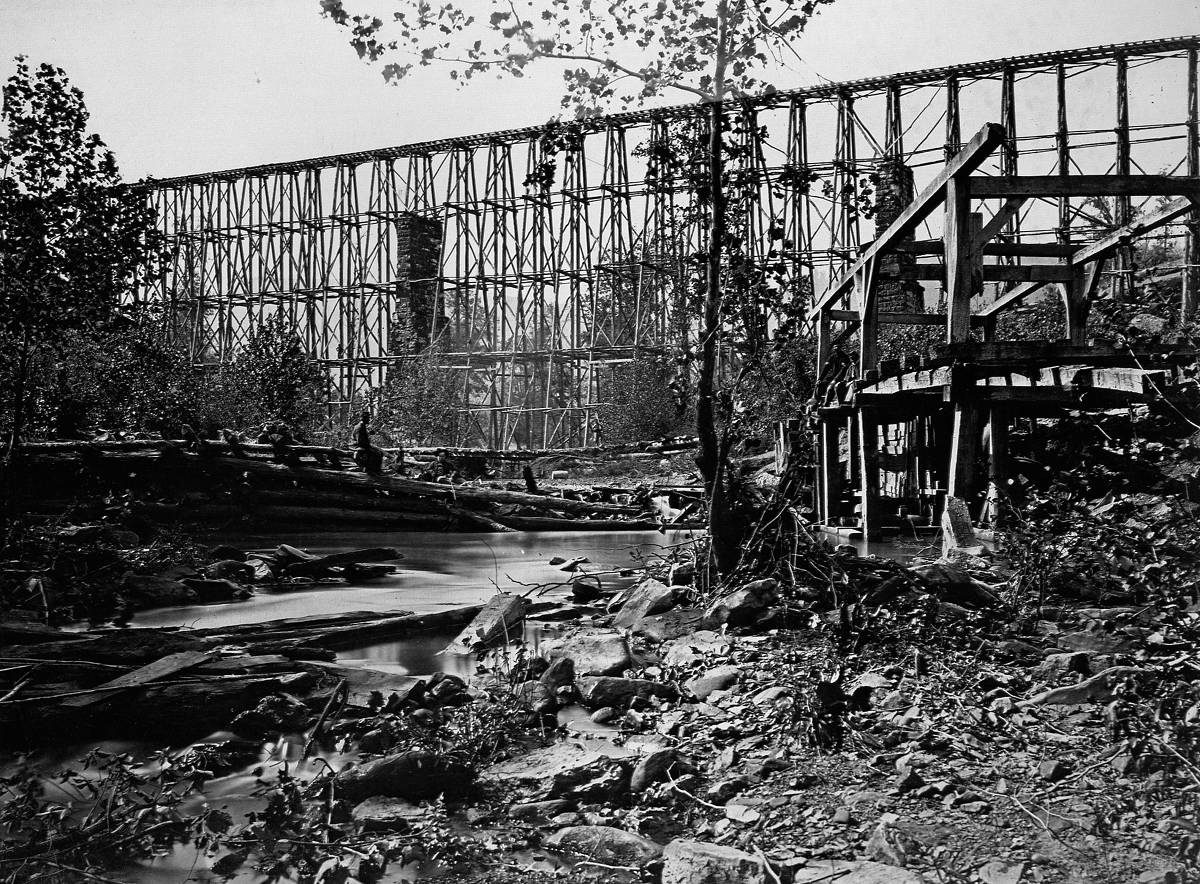
Library of Congress photo
Standard 5.17: Describe the significance of the following Civil War events and battles on Tennessee: Siege of Fort Donelson, Battle of Stone’s River, Franklin, Nashville and Chattanooga.
Click here for the Chapter 4 worksheet.
Look at the photo on the top of page 16. Now take a look at the photo to the right (click on it to make it larger.) These photographs, both taken during the Civil War, show the SAME BRIDGE–the one across Running Water Creek in Marion County. We can all marvel at how good the Union Army’s engineers were to rebuild the bridge with the speed that they did!
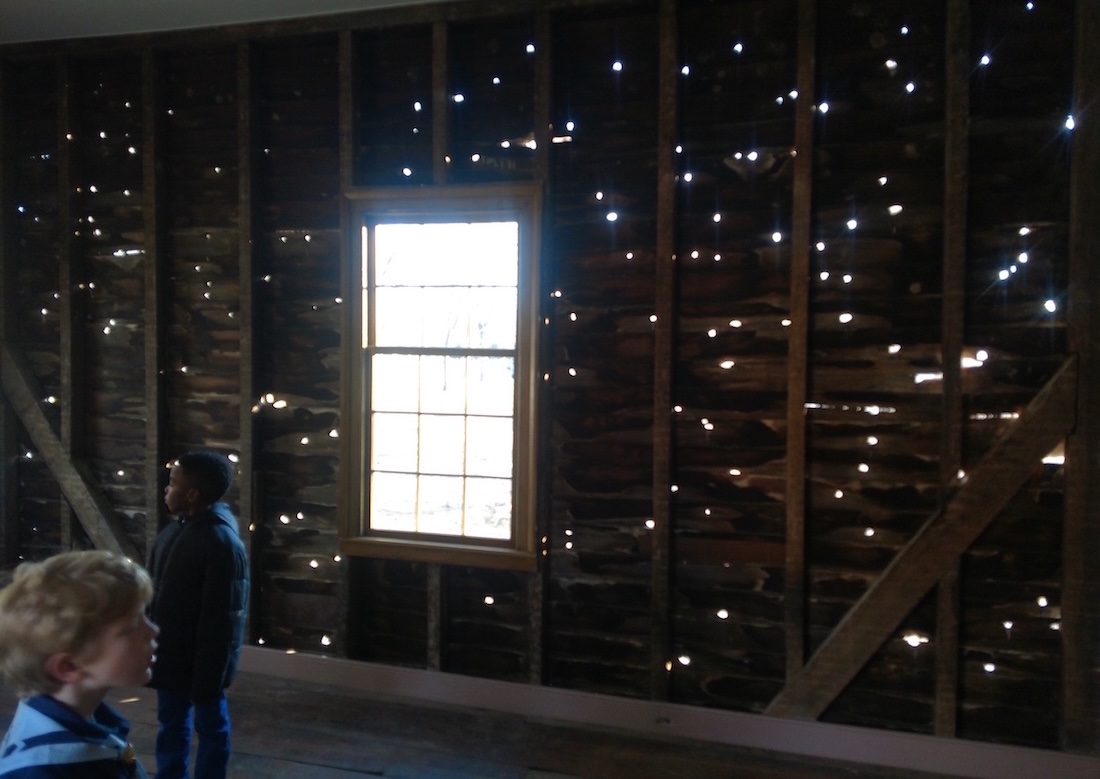
From inside the outbuilding at Carter House
Click here to learn more about this bridge and its reconstruction during the war.
Also… Running Water Creek was mentioned on page 49 of Long March to Tennessee. Only 70 years before this photo was taken, a Chickamaugan village near Running Water Creek — called Running Water — was burned in the Nickajack Expedition. (Today, the former site of the village is underwater because of Nickajack Dam.)
Click here to be taken on a virtual tour of Carnton/Carter House and here to go on a tour “In Search of the Battle of Nashville.”
SIDEBAR: Medal of Honor
Standard 5.18: Describe the importance of the Medal of Honor and its origins in Tennessee.
Click here to for the website of the National Medal of Honor Heritage Center in Chattanooga.
Chapter 5: Tailor, Parson
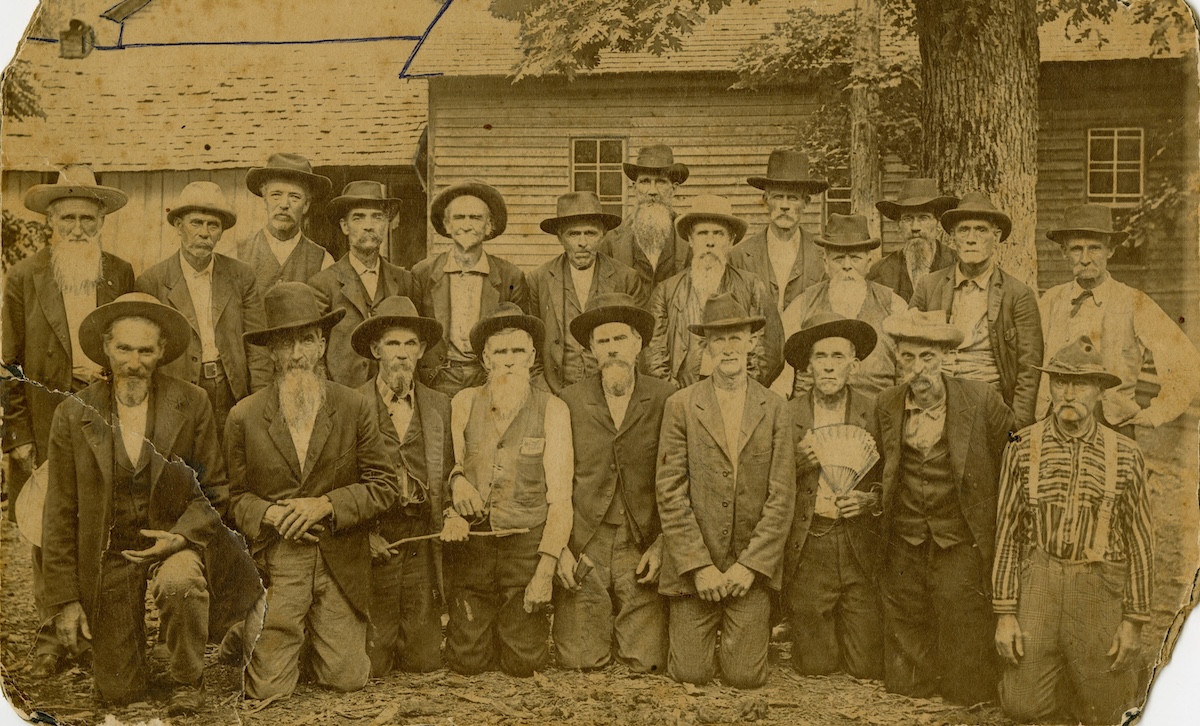
A reunion of Confederate veterans in DeKalb County in 1905 (TN State Library and Archives photos)
Standard 5:16: Examine the issue of enslavement in the three grand divisions, and the impact their differences had on Tennessee’s secession from the Union.
 Standard 5.22: Identify how the rise of vigilante action (e.g. the Ku Klux Klan), black codes, and Jim Crow laws impacted Tennesseans at the local and state level.
Click here for a virtual tour of the Andrew Johnson Historic Site.
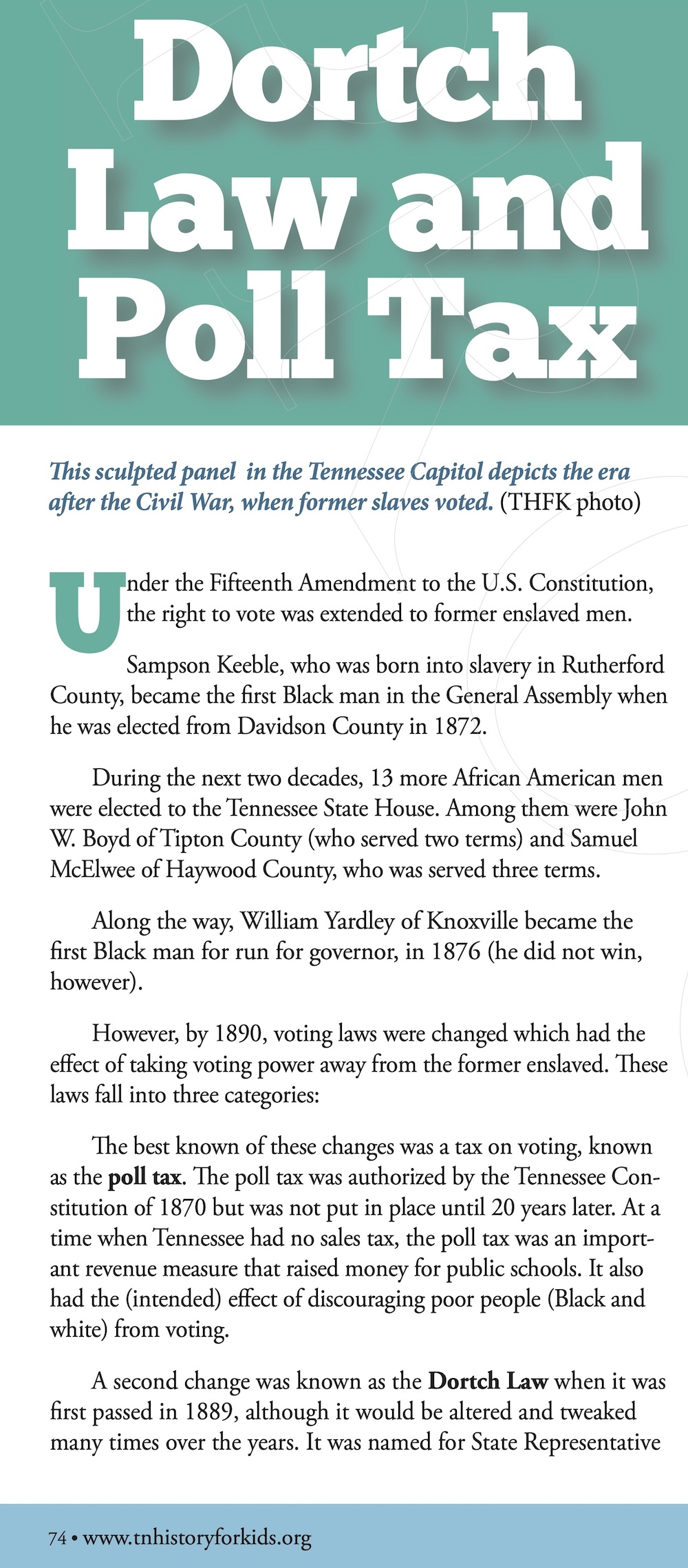
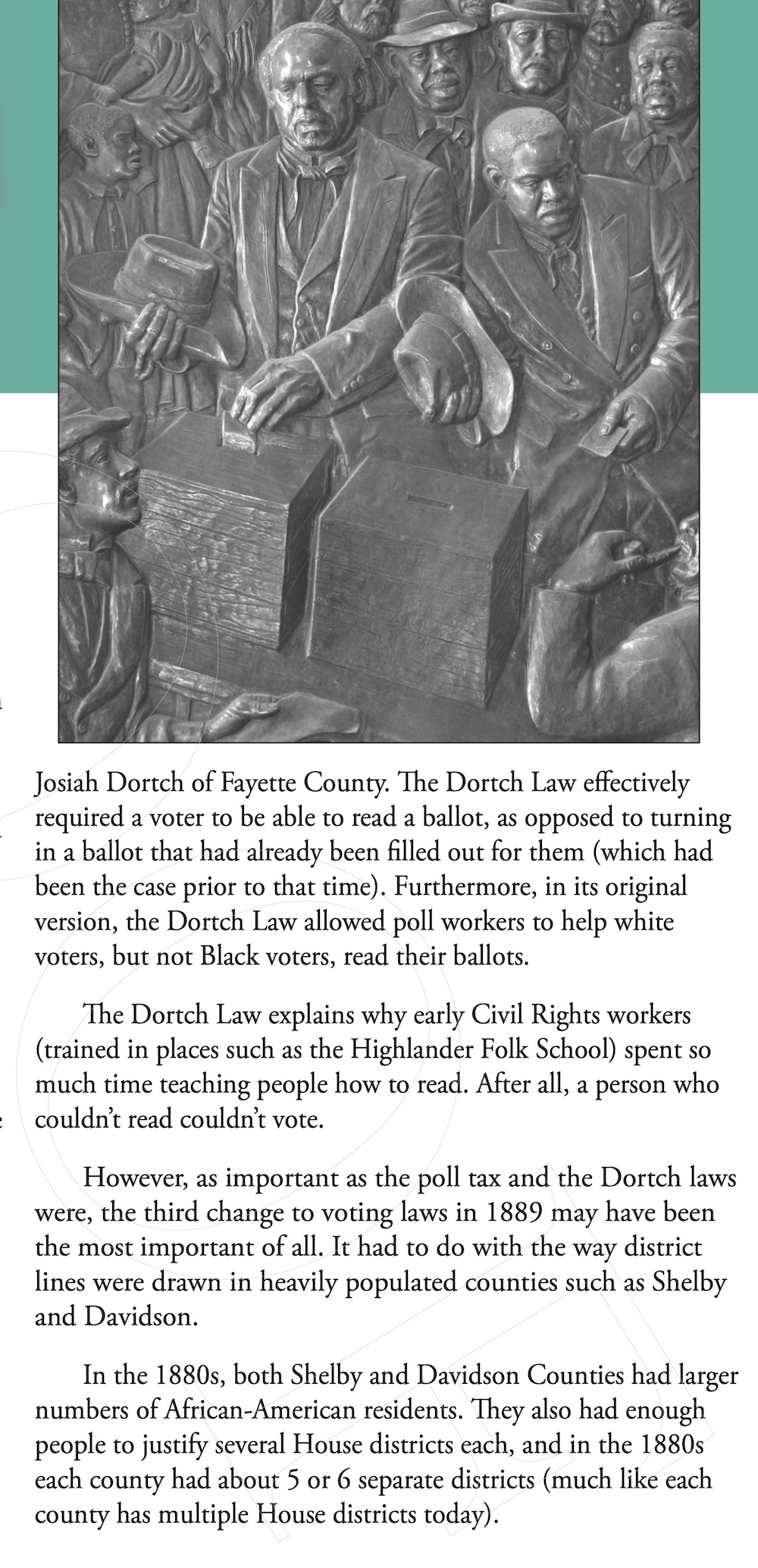 On page 24, there is a reference to several “new laws” in the late 1880s that made it nearly impossible for Black people to be elected in Tennessee. I think some of this is more complicated that fifth graders are prepared to understand, but on the left, right and left are sections of a high school workbook called Journey Downriver: A History of Tennessee where I explain some of these laws.
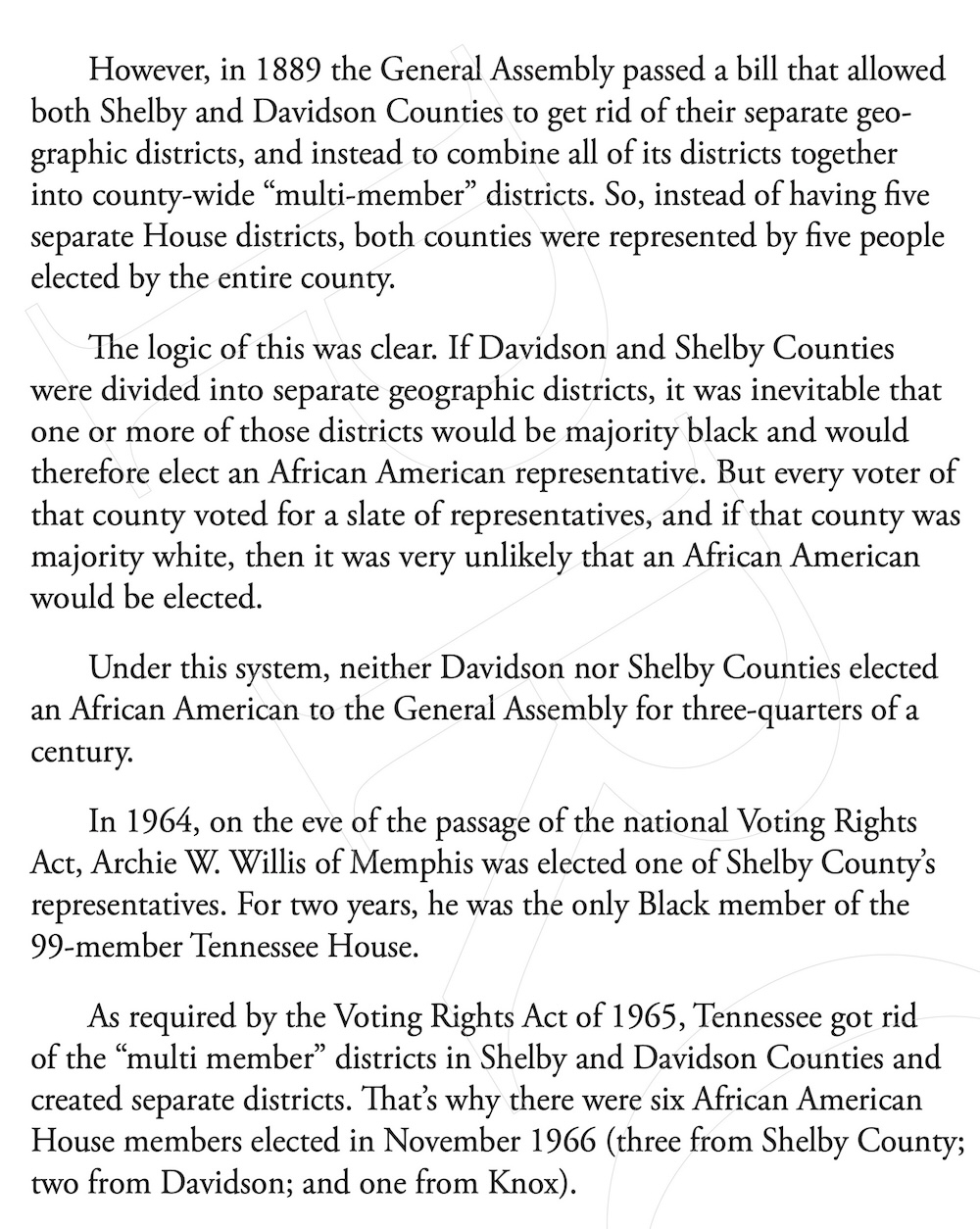 Teachers, please read this. For generations, textbooks have wrongfully claimed the poll tax was the main thing that disenfranchised African Americans. The truth is more complicated!
Part of the “Social Studies Practice” section of the Tennessee Social Studies Standards suggests teachers expose their students to a primary or secondary source and “summarize significant information,” “distinguish between fact and opinion,” and “recognize the authors purpose, point of view and reliability.” (SSP.002)
William “Parson” Brownlow’s insults are definitely primary sources. Click here to read a column about them.
If you like, have your students read Brownlow’s insults and answer the following questions:
ONE: What can you tell about Brownlow through reading some of the insults he published?
TWO: What are some of the things Brownlow believe in?
THREE: What are some of the words and phrases that Brownlow used in his insults that are not commonly used to insult people today?
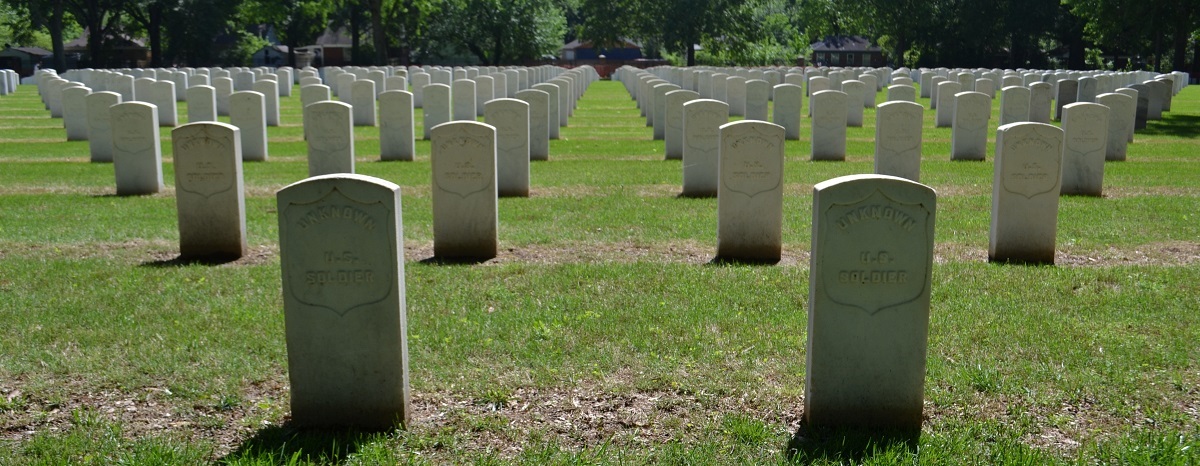
The Memphis National Cemetery (THFK photo)
It is not mentioned in the social studies standards and not covered in the booklet, but in April 1865, a steamboat called the Sultana exploded on the Mississippi River, just upstream from Memphis. About 1,800 men were killed in the deadliest maritime accident in American history. Many of the dead bodies floated ashore in Memphis, and many of those bodies are buried in graves marked “Unknown U.S. Soldier” at the Memphis National Cemetery.
Click here to take a tour “In Search of the Sultana” and here to visit the website of the NEW Sultana Disaster Museum in Marion, Arkansas.
Chapter 6: New Constitution
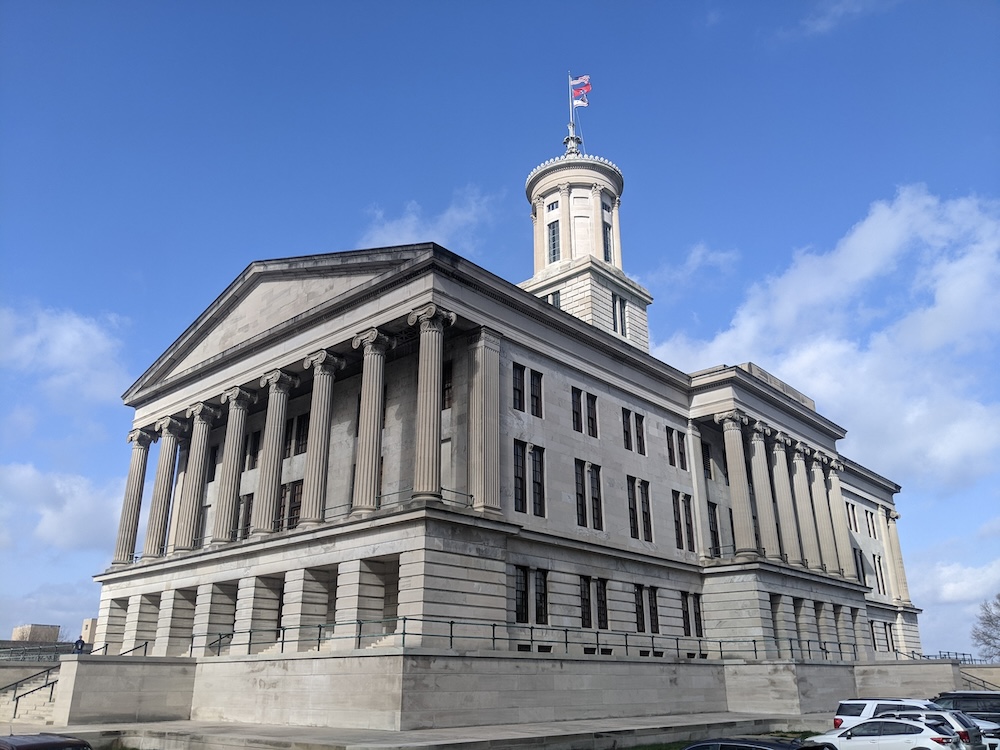
Standard 5.19: Explain the impact of the 1870 Tennessee Constitution (e.g. poll taxes, segregation, funds for public education).
Standard 5.31: Describe the structure of Tennessee’s government, including the role of each of the three departments.
Click here for the Chapter 6 worksheet.

Bill Snodgrass in 1953 — 54 years before he edited the TN History for Kids civics section
Standard 5.31 is a civics standard that is covered in more detail in the Elementary and Middle School Civics section of the Tennessee History for Kids website. Click here to be taken to it. The original version of our civics section was proofread by former state Comptroller William Snodgrass, who served under Governors Clement, Ellington, Dunn, Alexander, McWherter, and Sundquist.
ALSO, don’t miss the chance to show your students the TN History for Kids video called “Banging Down the Gavel.” It features, among others, former (and late) Representative Lois DeBerry and former (and late) Senator Douglas Henry — for whom the piece of legislation regarding Tennessee history was later named!
FINALLY: Question number 4 on page 29 of Work for Freedom directs students to “Work with your teacher or state representative to find a bill that was proposed, but did not pass, the last General Assembly.”
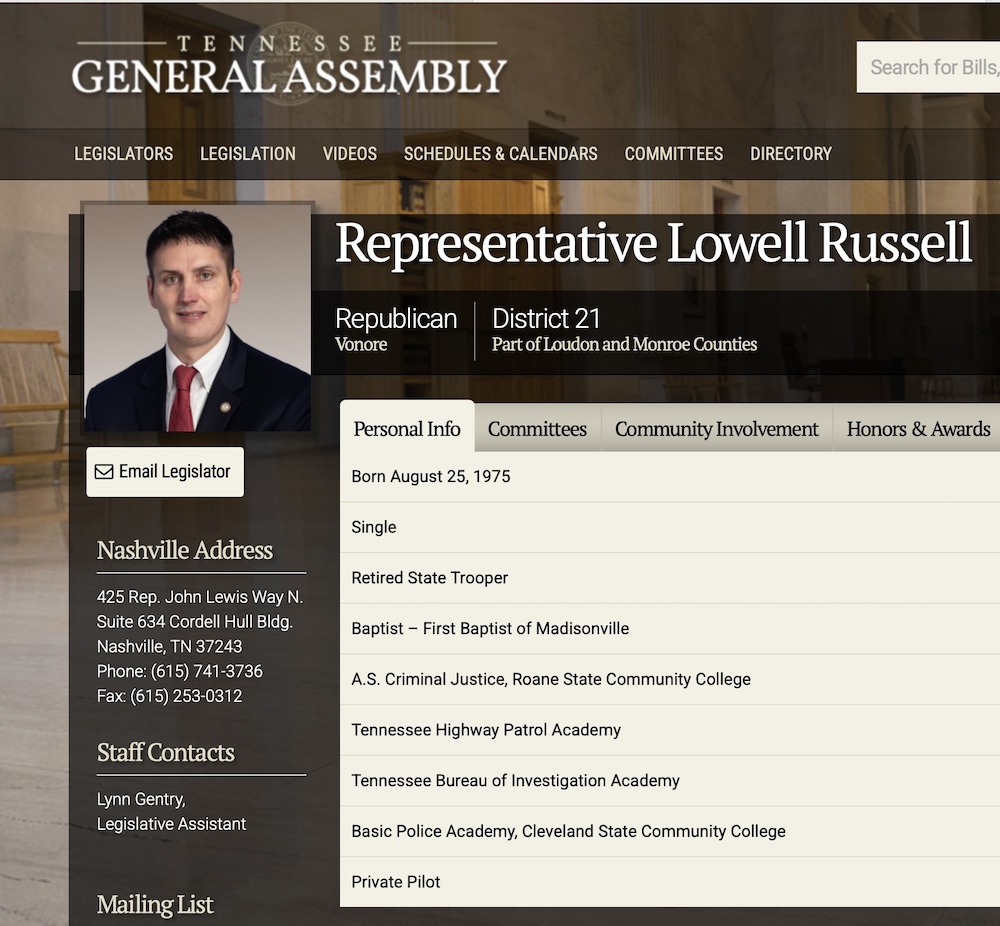
As you can see from Representative Lowell Russell’s website, his legislative assistant is Lynn Gentry (bottom left)
Here are our instructions as to how to pull this off:
ONE: Figure out who your state senator or state representative are. If you don’t know, click here.
TWO: Pick one.
THREE: If you know either your senator or representative personally, email them and ask them to help you. Click here for the Senate emails and phone numbers; click here for the House emails and phone numbers.
FOUR: If you do not know either your senator or representative, email a member of their staff and ask them to help you. To see their staffers, click on the name of the Senate or House member in the directory. House members typically have one staff member, called a “Legislative Assistant” or “Executive Secretary”; committee chairman have more than one.
Staff members have FAR MORE TIME to help constituents in the fall than in the spring!
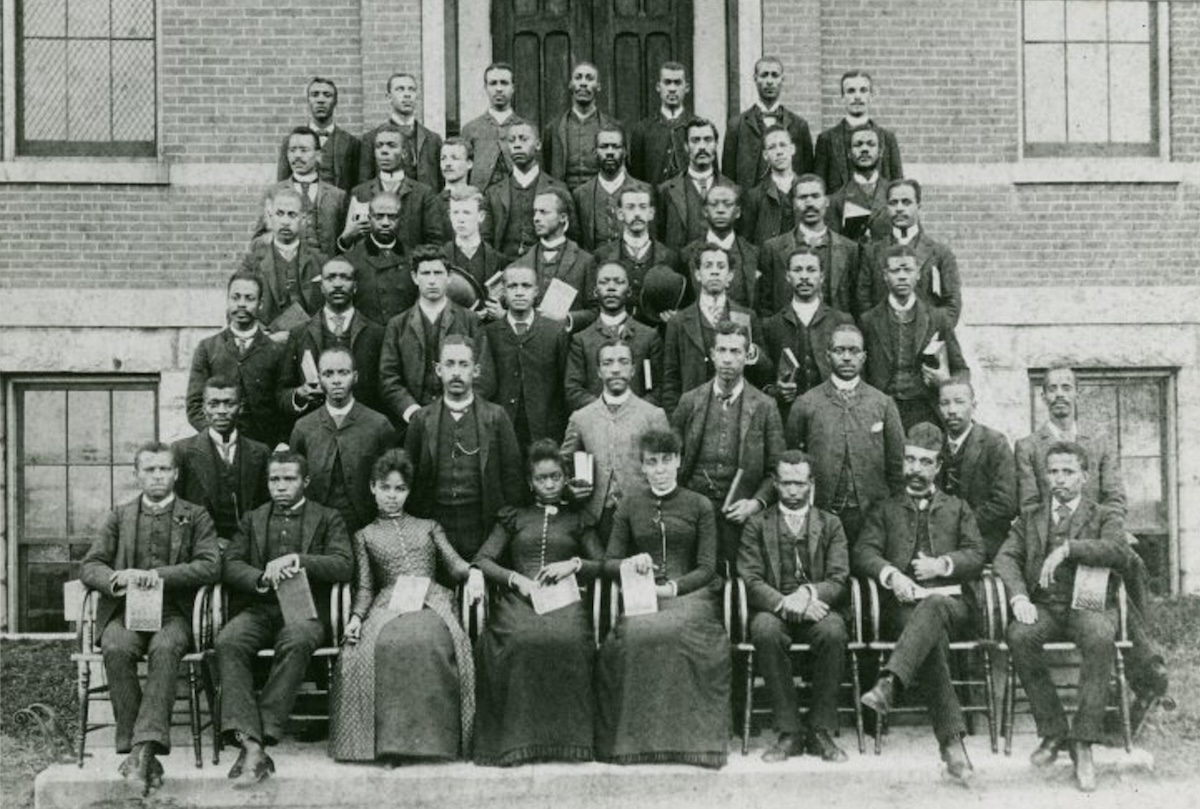
New York Public Library Collection photo
SIDEBAR: Schools and Colleges
Standard 5.21: Explain efforts to help former enslaved person have access to educational opportunities (e.g. Fisk University, Freedmen’s Bureau)
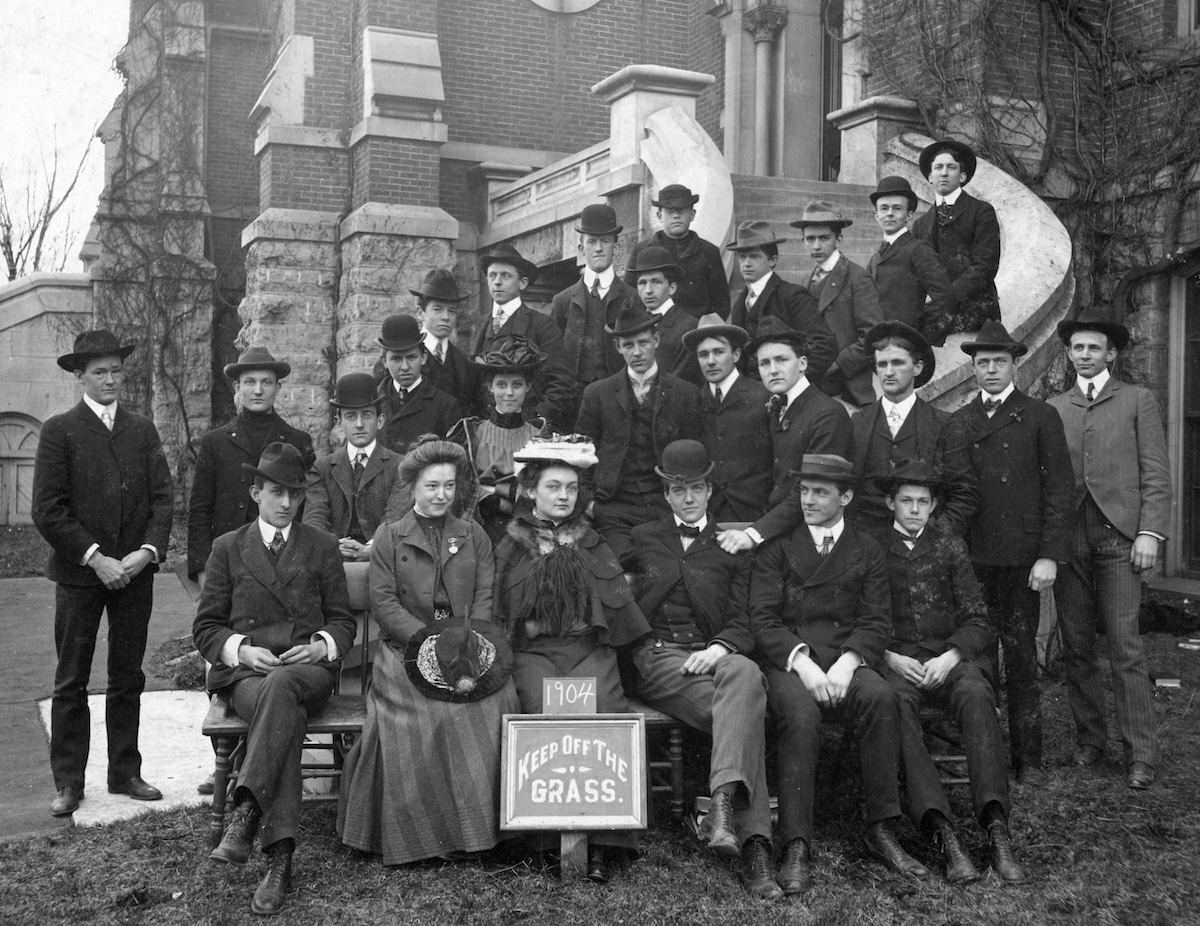
Vanderbilt Special Collections photo
I love the two photos in this sidebar. Click on the right to see the one of the Fisk University Class of 1888, and click on the left to see some of the Vanderbilt graduates of 1904.
Note two things:
ONE: People used to dress better than they do now!
TWO: In the Vanderbilt photo, the young man second from the right on the front row appears to be looking at someone else (one of the young ladies, perhaps?)
Chapter 7: Bluff City
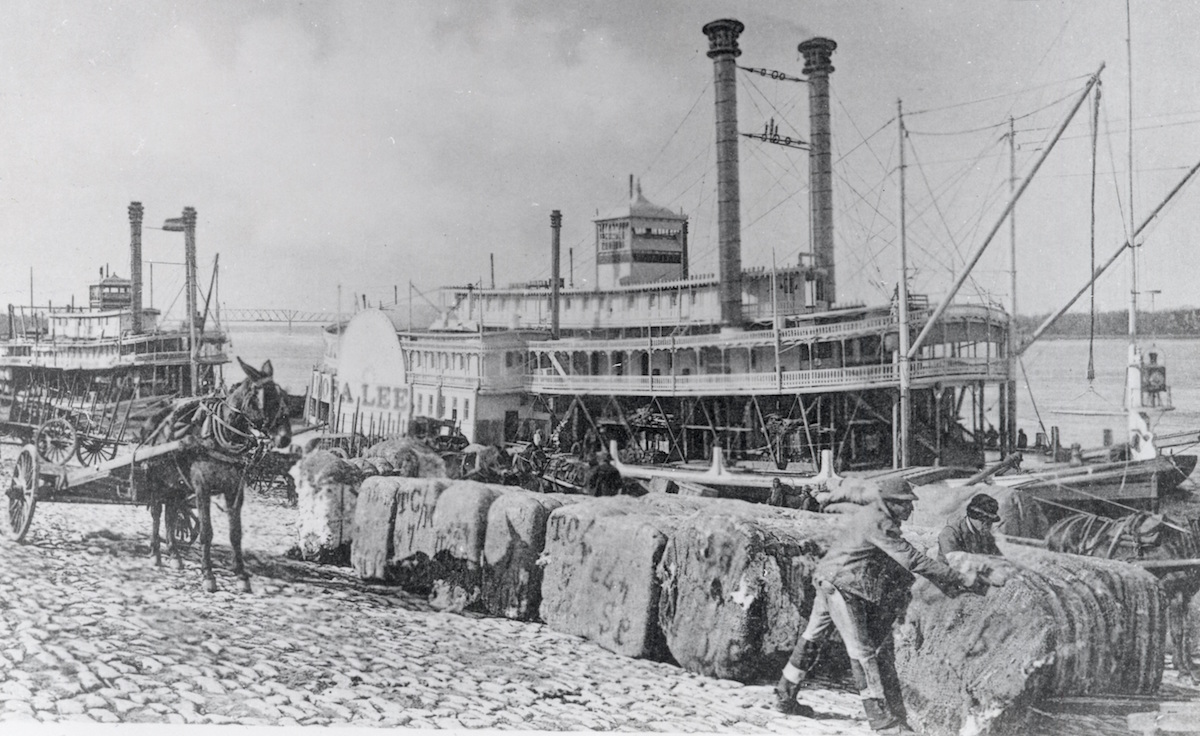
TN State Library and Archives photo
Standard 5.23: Explain how the end of Reconstruction impacted Tennessee’s African-American population.
A lot of supplemental material:
* Click here for the Shelby County history page.
* Click here for a virtual tour of the Memphis Cotton Exchange and here for a cool video in which “History Bill” walks all the way to Memphis with some cotton to sell.
* Click here to read a sobering column about the Memphis yellow fever epidemic.
Chapter 8: Leaving the Farm
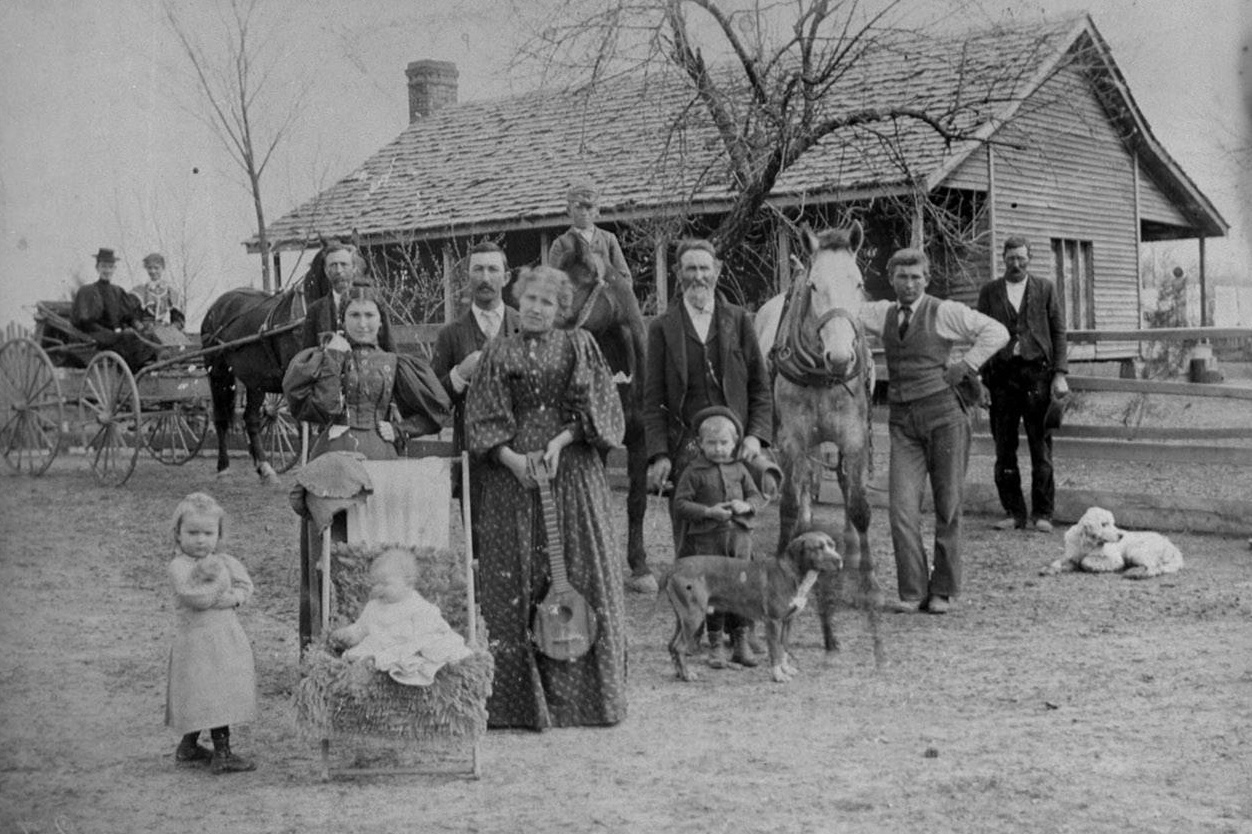
TN State Library and Archives photo
Standard 5.23: Explain how the end of Reconstruction impacted Tennessee’s African-American population.
Some of you may recognize the photo on page 35 from previous TN History for Kids workbooks. After ALL THIS TIME, the Tennessee State Library and Archives has now identified the photo with this description:
“1895 photograph of the L. Lee Marshall family posed in front of their house in the Gift community near Covington. The family is pictured with their pets, horses, and a carriage.”
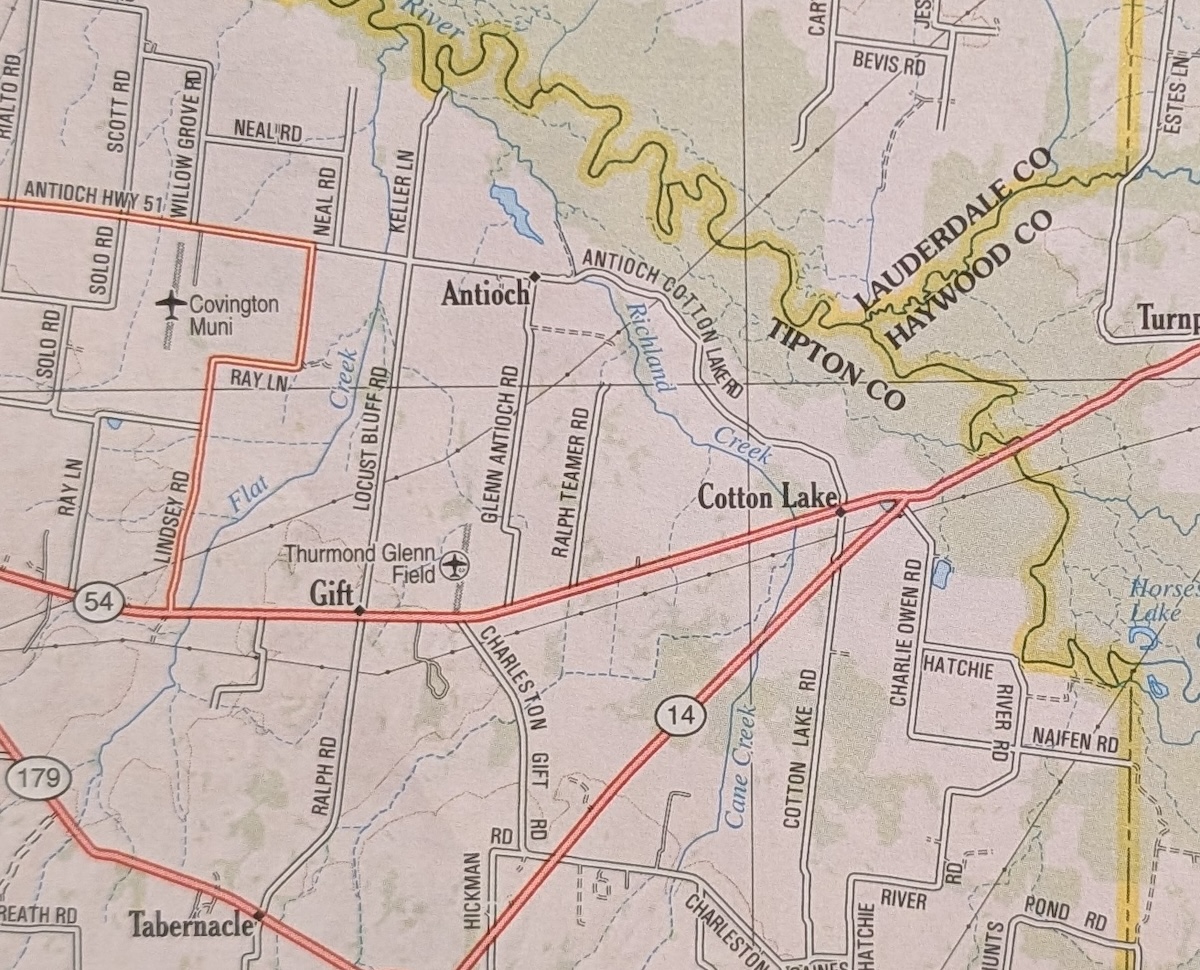 As you can see on the map on the left, the Gift community is just west of the intersection of Tipton, Lauderdale and Haywood Counties.
And according to an article I found in the Covington Leader newspaper: In 1919, Lee Marshall sold his land (all 7 acres of it) to a Black man named Lee Farrar for $1,000.
For more content related to the themes of this chapter, click here for a virtual tour of the Ducktown Basin, here for a tour of the Dunlap Coke Ovens, and here for a ride of the Tennessee Central Railway.
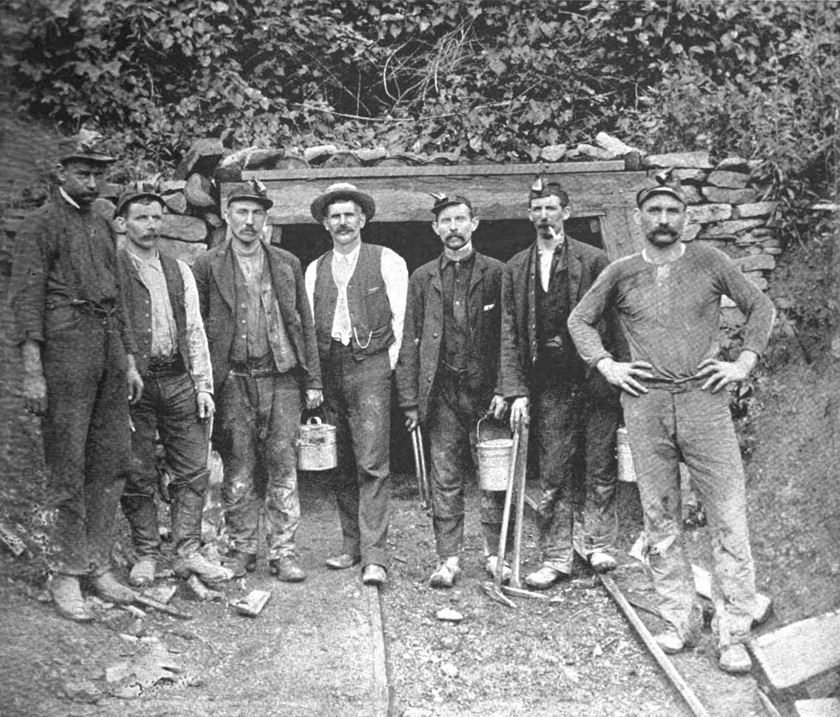
Chapter 9: Coal Creek War AND
SIDEBAR: Raise the Children
Standard 5.20: Explain how the Coal Creek War led to Tennessee’s reconsideration of the convict leasing system.
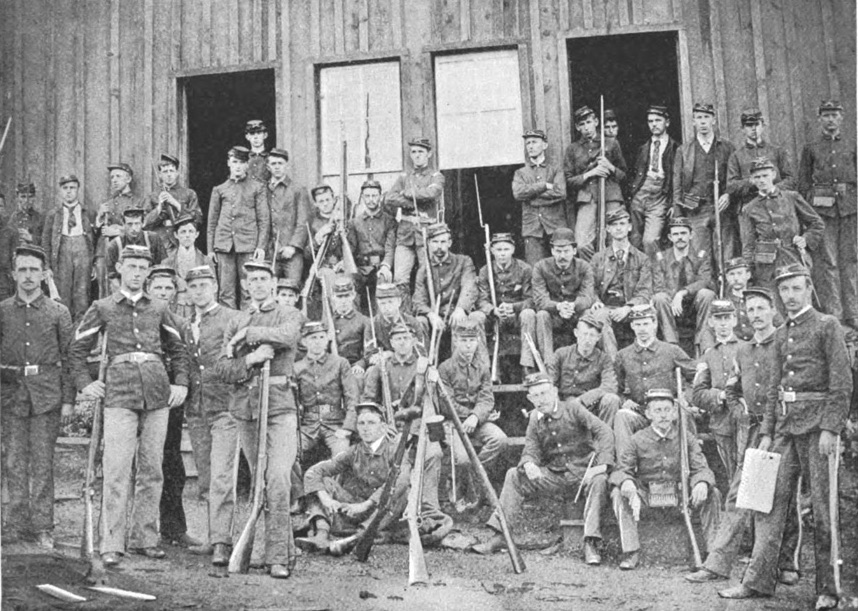
Illustrated American magazine photos
The fact that students are now learning the amazing Coal Creek saga is because of two people: Barry Thacker and Carol Moore.
Barry often speaks at our virtual inservices. Click here to sign up for our twice monthly email newsletters to you will be notified the next time we have him on.
Click here to be taken to the website of the organization Barry and Carol run, the Coal Creek Watershed Foundation.
Chapter 10: Old Hickory Division
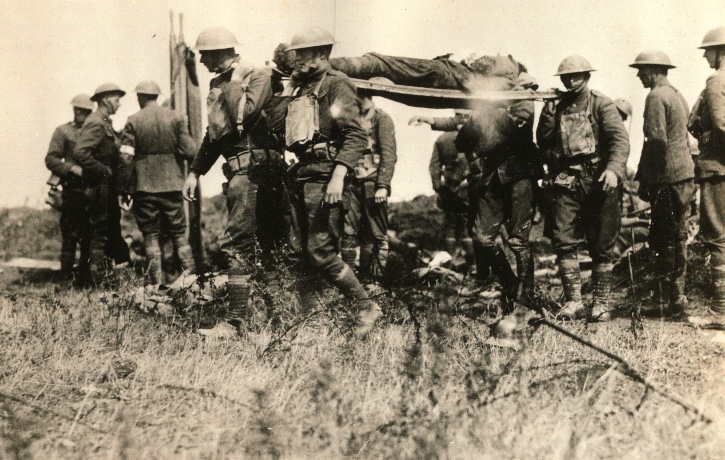
TN State Library and Archives photo
Standard 5.26: Describe Tennessee’s contributions to World War I and World War II, including the conversion of factories to wartime production, the importance of Oak Ridge and the Manhattan Project, and the influence of Tennesseans (e.g. Cornelia Fort, Cordell Hull, Alvin C. York).
Click here to take a TN History for Kids virtual tour of the Alvin C. York State Historic Park.
And click 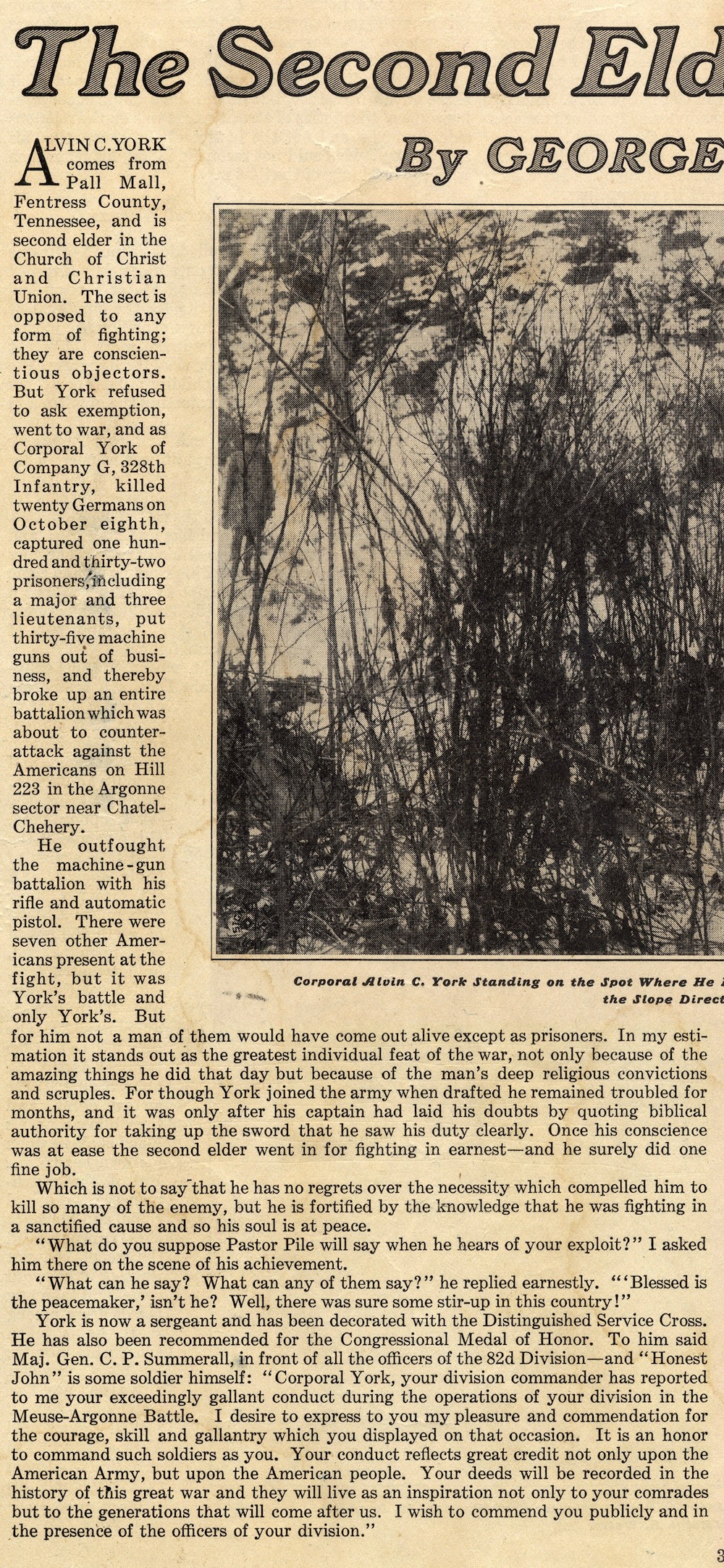 on the left and the right…
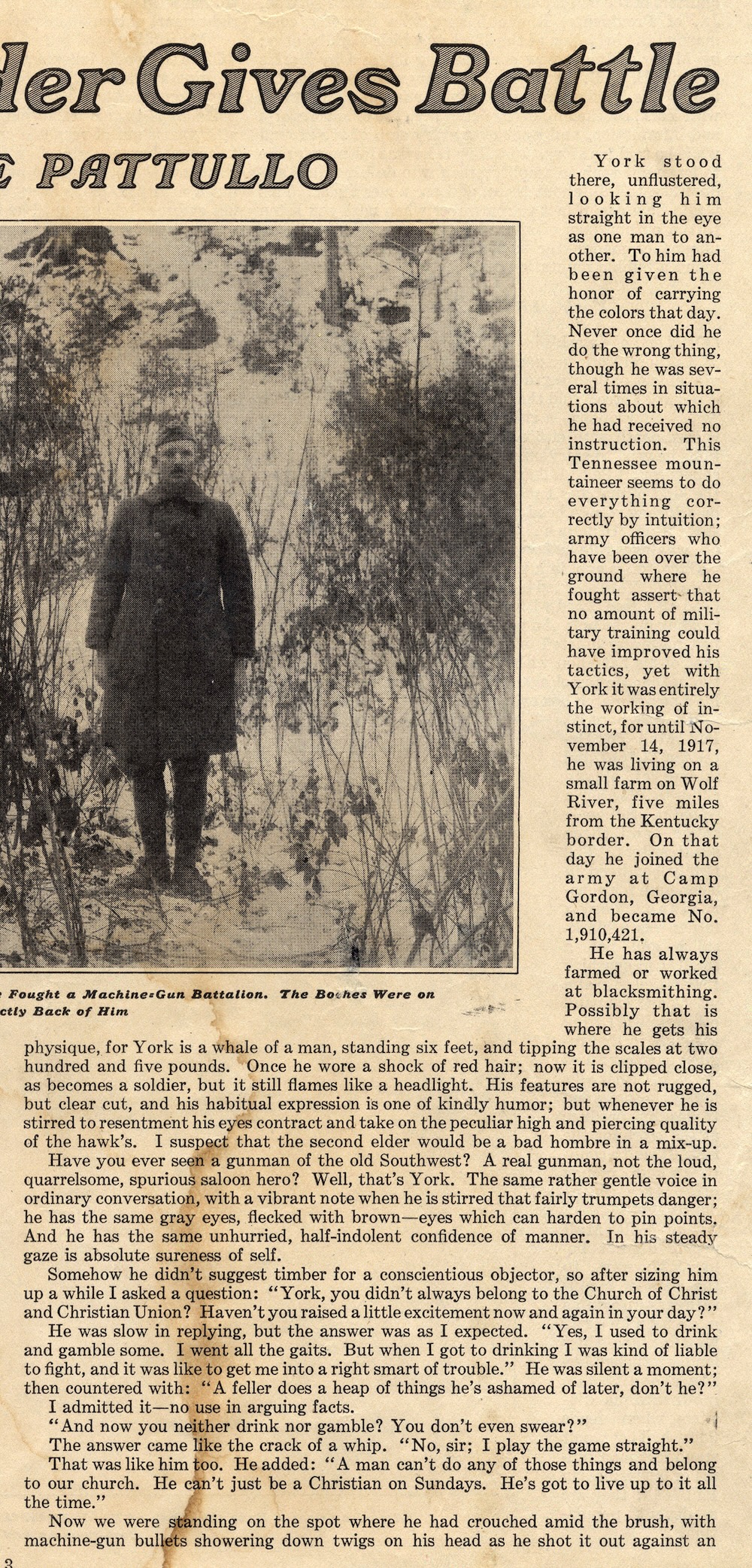
to read the ACTUAL ARTICLE in the April 26, 1919, Saturday Evening Post that made Alvin York famous.
Finally, click here and here to read two columns that I wrote about the 100th anniversary of World War I.
Chapter 11: Suffrage and Segregation
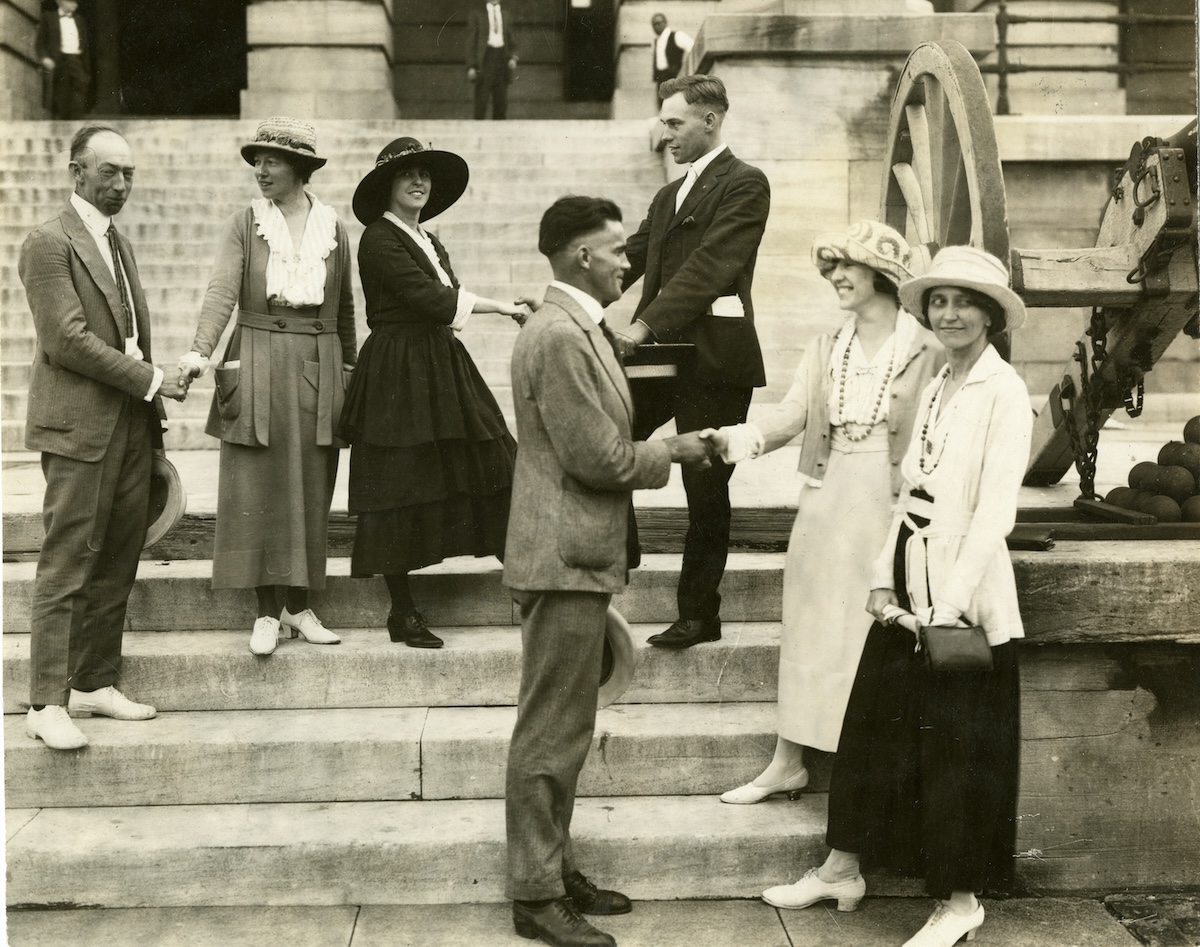
National Woman’s Party photo
Standard 5.22: Identify how the rise of vigilante action (e.g. the Ku Klux Klan), black codes, and Jim Crow laws impacted Tennesseans at the local and state level.
Standard 5.23: Explain how the end of Reconstruction impacted Tennessee’s African-American population.
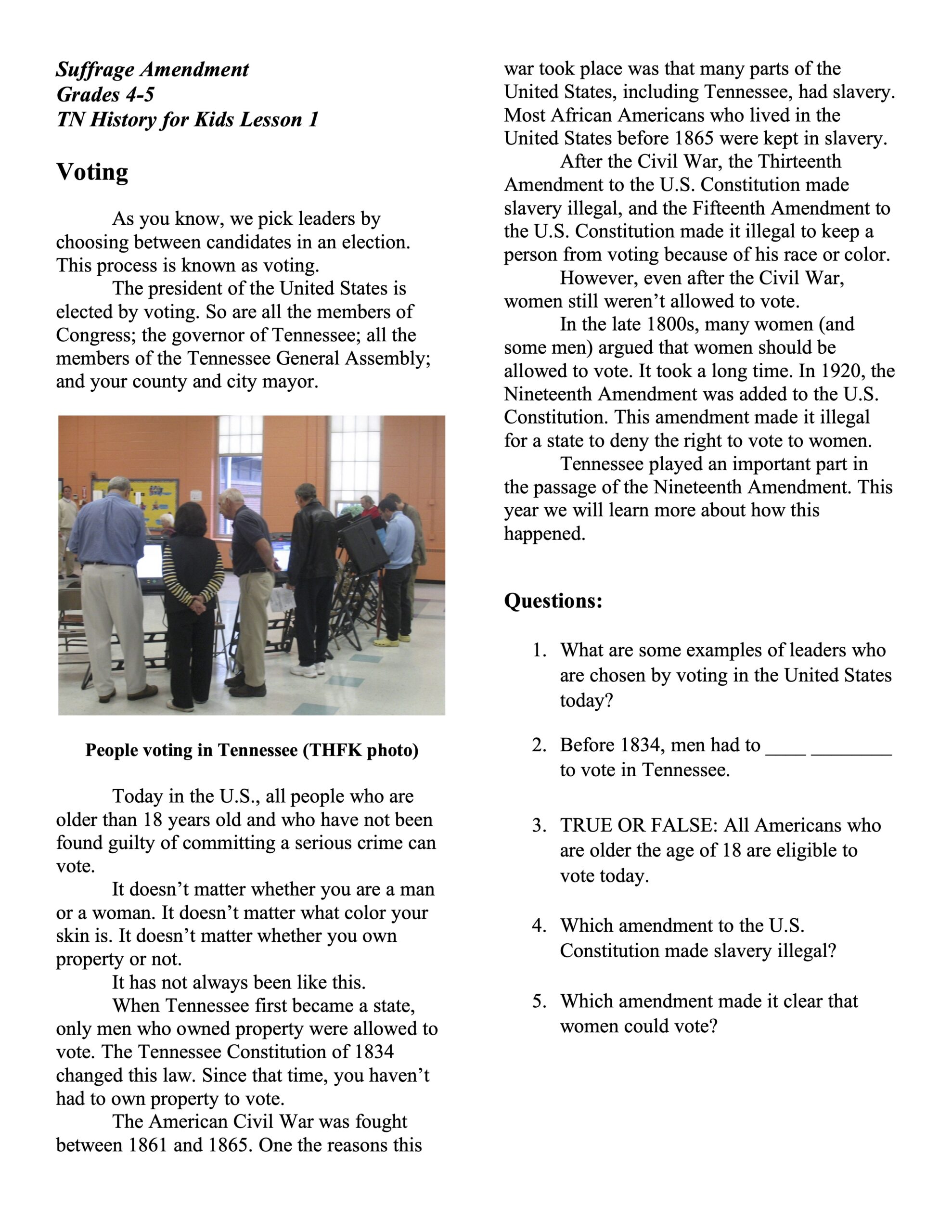
The 9-part series of worksheets about the passage of the suffrage amendment
Standard 5.24: Identify Tennessee’s role in the passage of the 19th Amendment, including the impact of Anne Dallas Dudley and Harry Burn.
Click here for the Chapter 11 worksheet.
SPECIAL PROJECT:
In 2020, on the 100th anniversary of the passage of the suffrage amendment, TN History for Kids created a series of worksheets for elementary school students about the suffrage movement. Each of the 9 worksheets has a quiz.
Click here to download them.
Standard 5.22 (which is partially covered in this chapter) refers to both “Black Codes” and “Jim Crow laws,” which are not the same.
Black Codes were passed in several other former Confederate states such as Virginia, Mississippi, Louisiana, Georgia, Florida and Alabama between 1865 and 1867. But they were NOT passed in Tennessee at that time. In fact, in Tennessee:
In July 1866, while other states were passing “Black Codes,” Tennessee passed the 14th Amendment to the U.S. Constitution, granting citizenship to people who were enslaved before the Civil War.
A week later, Tennessee was readmitted to the union.
In February 1867, the right of suffrage was extended to former enslaved men in Tennessee.
The bottom line is that Tennessee did not go through the same Reconstruction experience as the other Confederate states.
The main reason we didn’t explain the distinction between “Black Codes” and “Jim Crow laws” to fifth-grade students in Work for Freedom is that the Reconstruction Era is VERY COMPLICATED. Most educated adults, even those who know a lot about Tennessee history, get confused about what happened in Tennessee after the Civil War. Because these workbooks are for fifth graders, we wanted to keep it simple — and since this is “course on Tennessee” history, and since Tennessee didn’t have “Black Codes,” we decided not to explain the difference between “Black Codes” and “Jim Crow laws.”
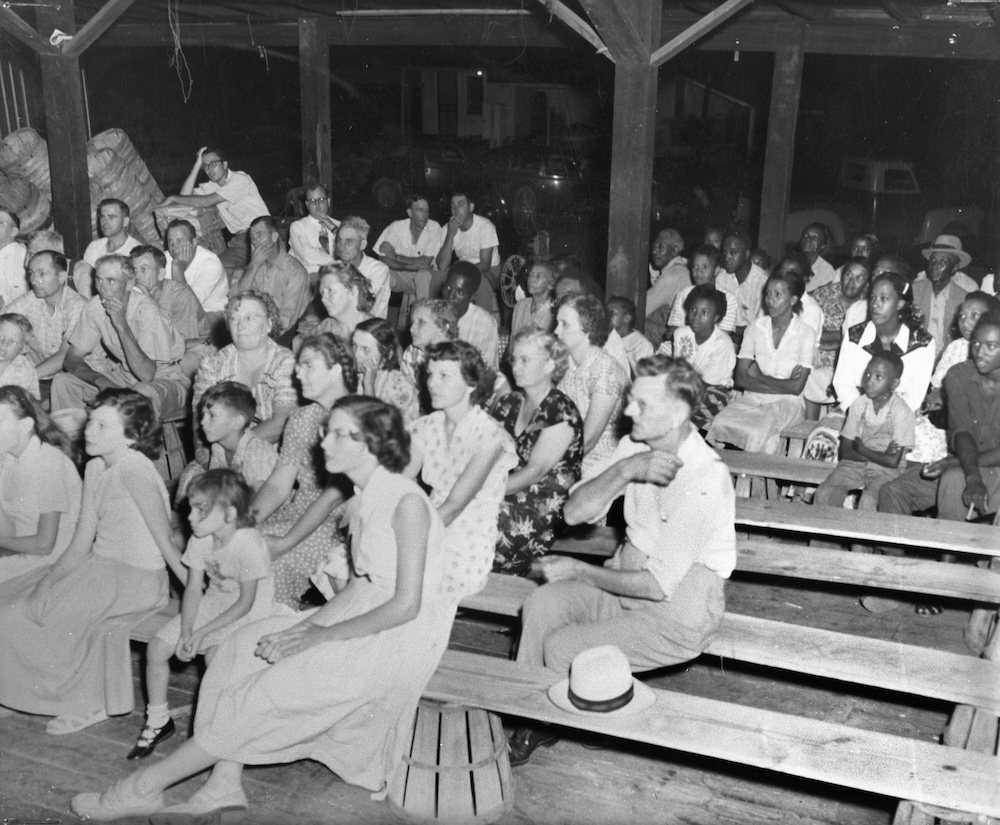
TN State Library and Archives photo
Click on the image on the right to see the remarkable photo on page 51 of Work for Freedom.
And to read more about Ida B. Wells, click here for a virtual tour “In Search of Ida B. Wells.”
SIDEBAR: Rosenwald Schools
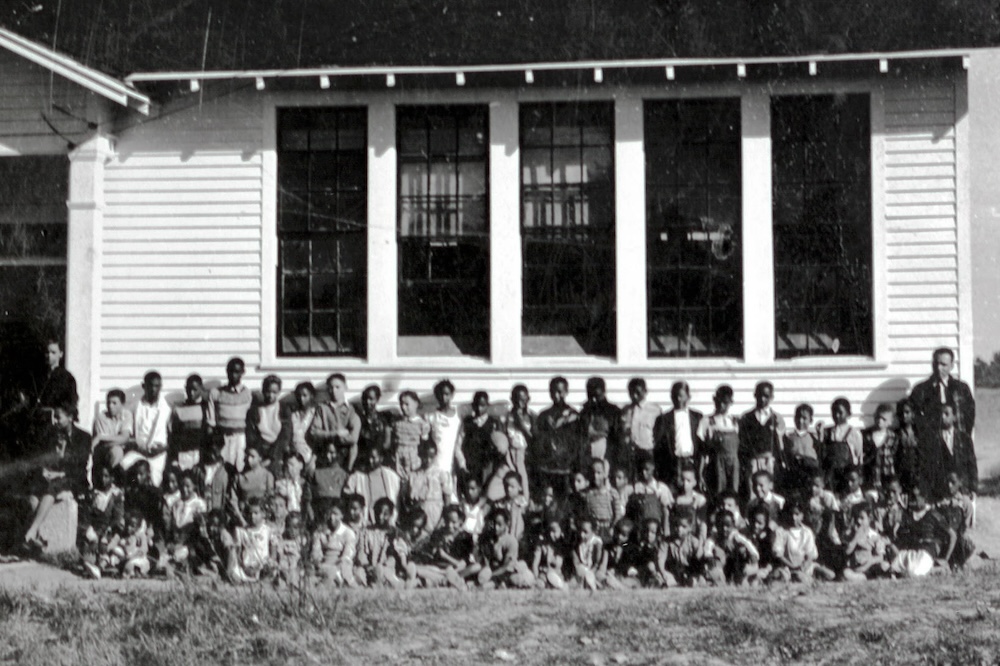
TN State Library and Archives photo
If you’d like to see more photos of Rosenwald Schools, Fisk University has an entire archive them.
Click here to be taken to its website.
Teachers, we quote Calvin Sneed on page 52. Calvin is a native of the Tri-Cities and a retired television anchor in Chattanooga. His two areas of expertise are 1) historic bridges and 2) segregated schools. You may know that Calvin often makes appearances at TN History for Kids inservices.
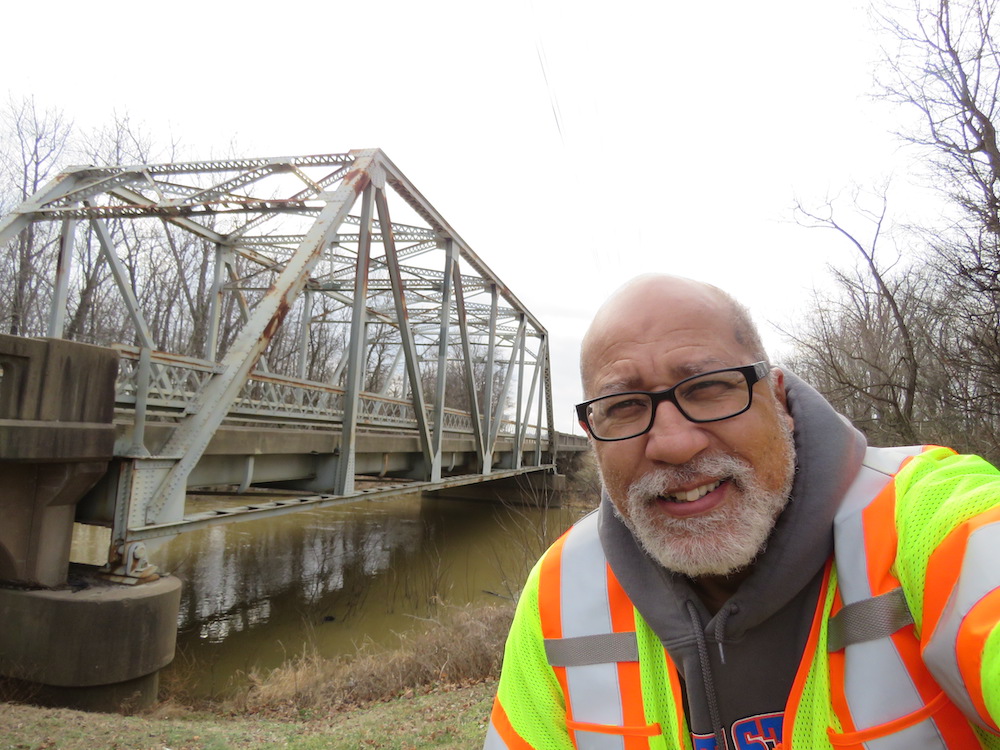
If you think “History Bill” is crazy, Calvin is crazier. Every fall and winter, Calvin has been known to tromp through the woods take photos of old abandoned bridges.
Click here for a cover story about Calvin Sneed in Tennessee Magazine.
Chapter 12: Tennessee’s New Deal
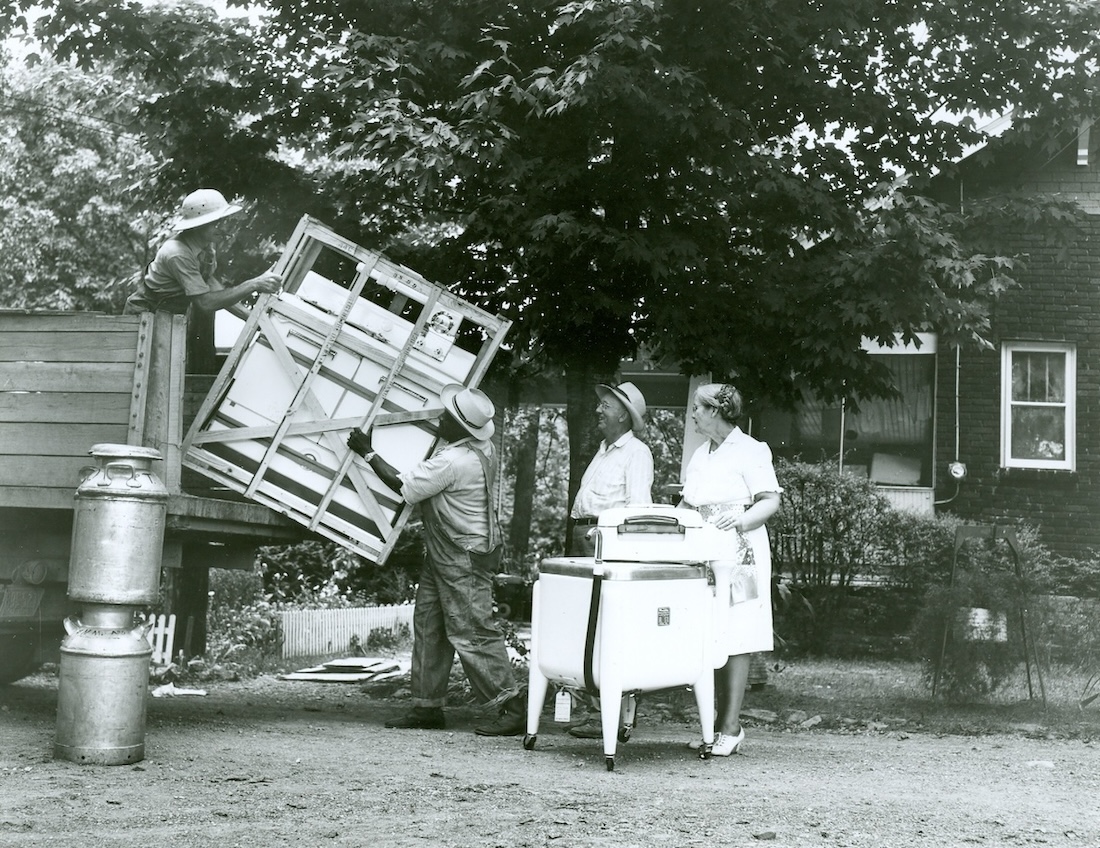
Tennessee Valley Authority photo
Standard 5.25: Describe the impact of the Tennessee Valley Authority and Civilian Conservation Corps on the economy of Tennessee during and after the Great Depression.
Click here for the Chapter 12 worksheet.
Regarding question 8 on the Chapter 12 worksheet: Click on the images on the right column for maps produced by TVA in 1939. Some of dams on the map that were in the planning stages then are later known by different names. For instance, Coulter Shoals Dam is now called Fort Loudoun Dam; Hales Bar Dam no long exists and Nickajack Dam is just downstream from its former site; and Gilbertsville Dam is now called Kentucky Dam.
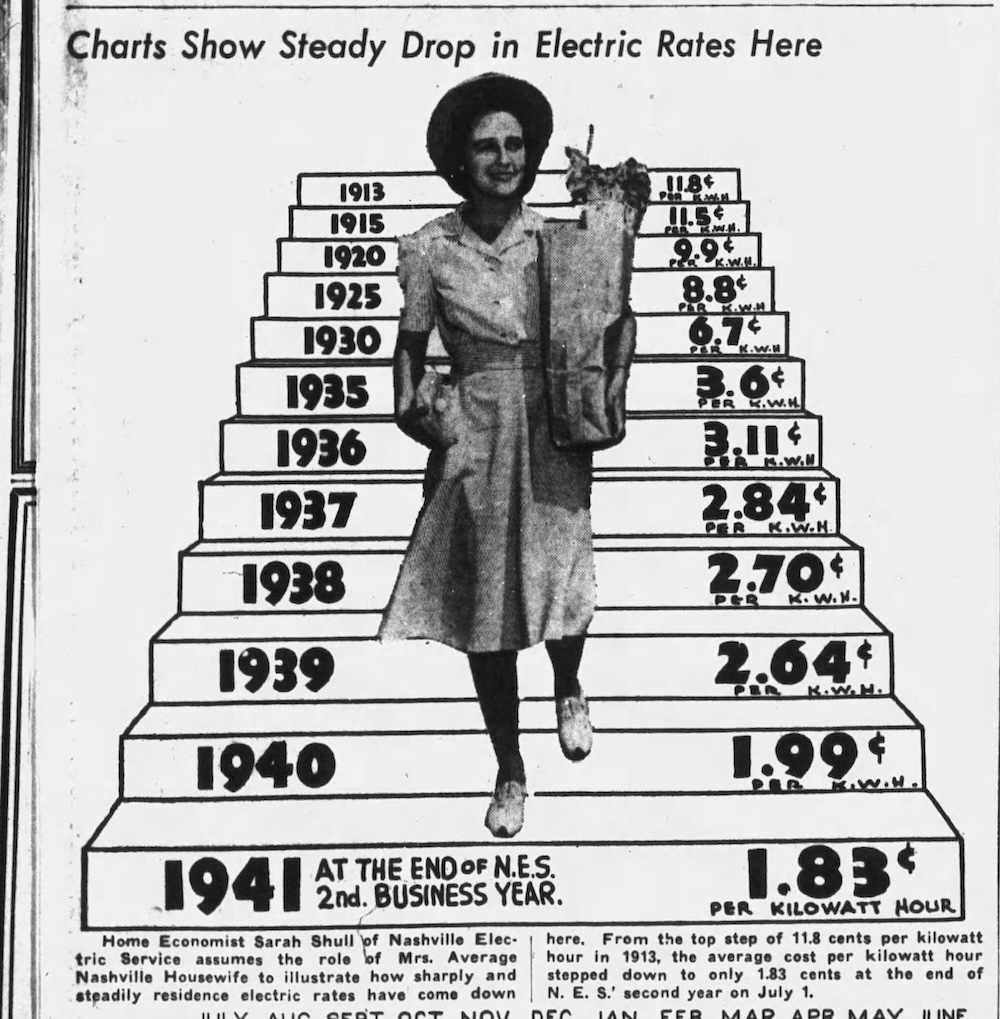
Regarding question 9 on the Chapter 12 worksheet: Click on the left to see an illustration from the July 27, 1941, Nashville Tennessean about how much the price of electricity decreased in Nashville from 1913 until 1941. The amounts are given in cost in pennies per kilowatt hour.
To learn more about the New Deal’s impact in Tennessee, click here for a virtual tour of the Cumberland Homesteads; here for a tour of Norris Dam State Park; and here for a tour of the Butler Museum.
Chapter 13: To War Again
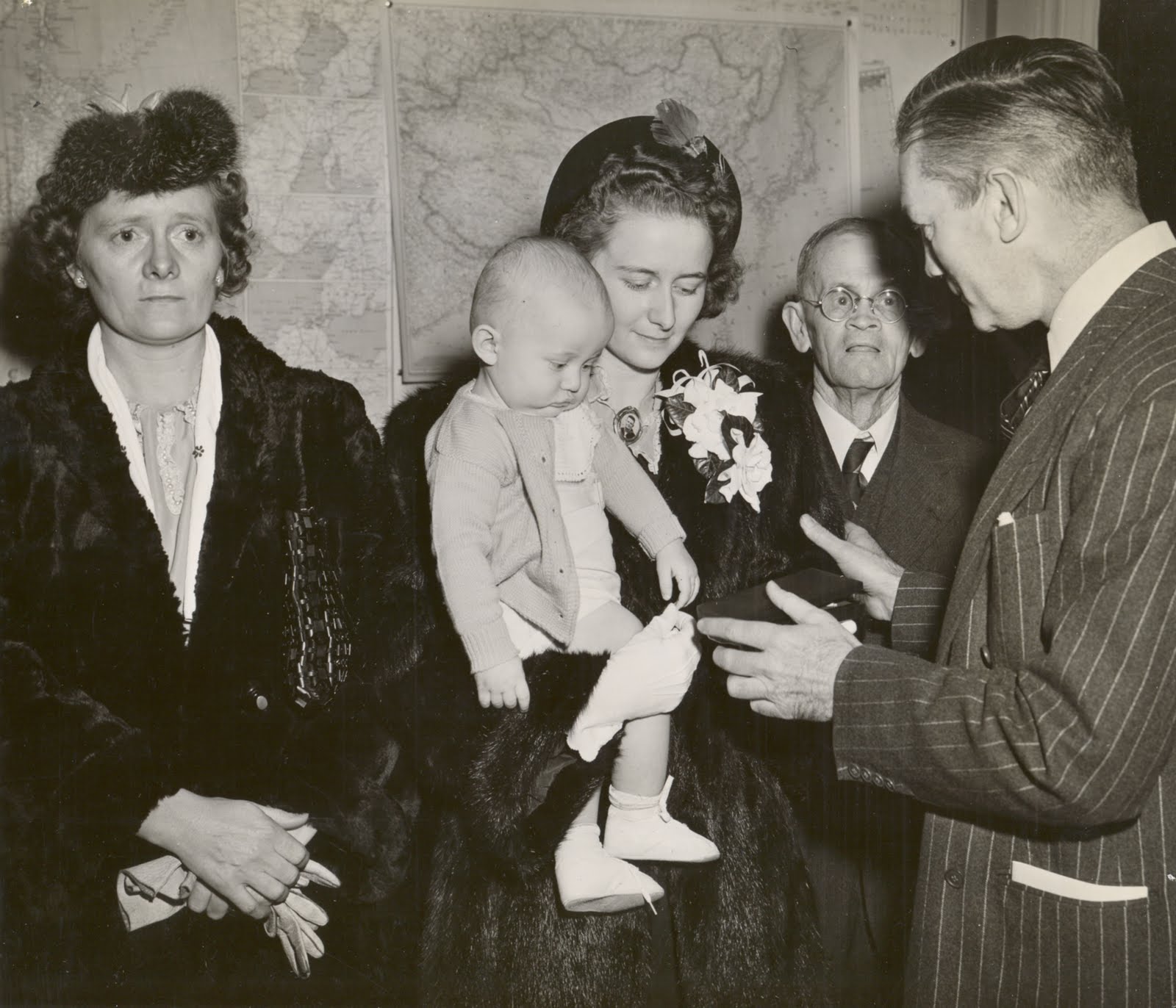
PHOTO: Family of John Harlan Willis
Standard 5.26: Describe Tennessee’s contributions to World War I and World War II, including the conversion of factories to wartime production, the importance of Oak Ridge and the Manhattan Project, and the influence of Tennesseans (e.g. Cornelia Fort, Cordell Hull, Alvin C. York).
It bothers me a lot that we don’t talk much about war heroes from Tennessee very much in public schools, which is why I started Chapter 13 with content about John Harlan Willis. I have also written a column about this subject, which you can read here.
My friend Rob Simbeck has written a book about Cornelia Fort. It’s called Daughter of the Air: The Brief Soaring Life of Cornelia Fort, and I recommend it highly.
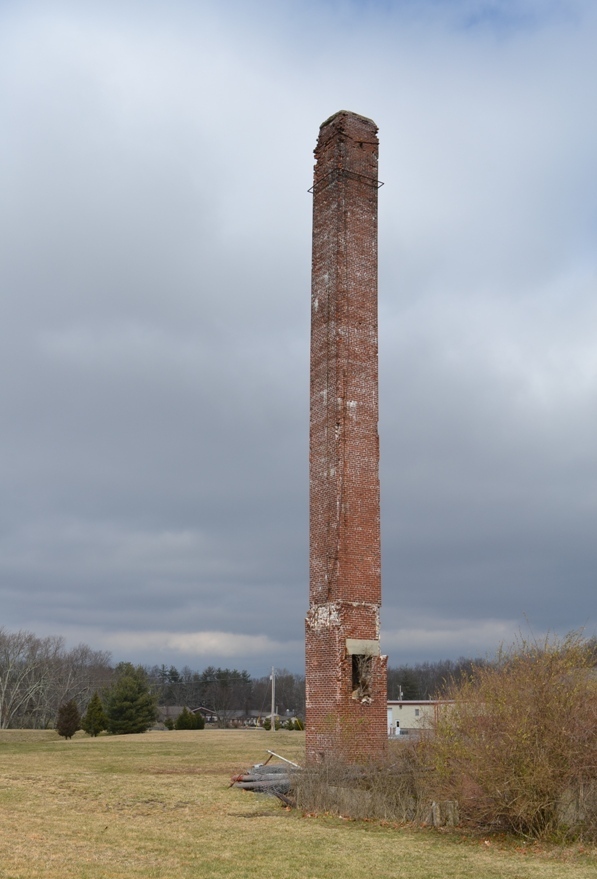
Chapter 14: Home Front
Standard 5.26: Describe Tennessee’s contributions to World War I and World War II, including the conversion of factories to wartime production, the importance of Oak Ridge and the Manhattan Project, and the influence of Tennesseans (e.g. Cornelia Fort, Cordell Hull, Alvin C. York).
Click here for the Chapter 14 worksheet.
You can find supplemental information for this chapter on the Cumberland County history site, as well as the many museums in Oak Ridge, here.
In 2015, I wrote a column about Gerhard Hennes, a German prisoner of war at Camp Crossville who later became an American citizen, and who wrote a book about his experiences in the camp many years later. Click here to read a column that I wrote about his experiences.
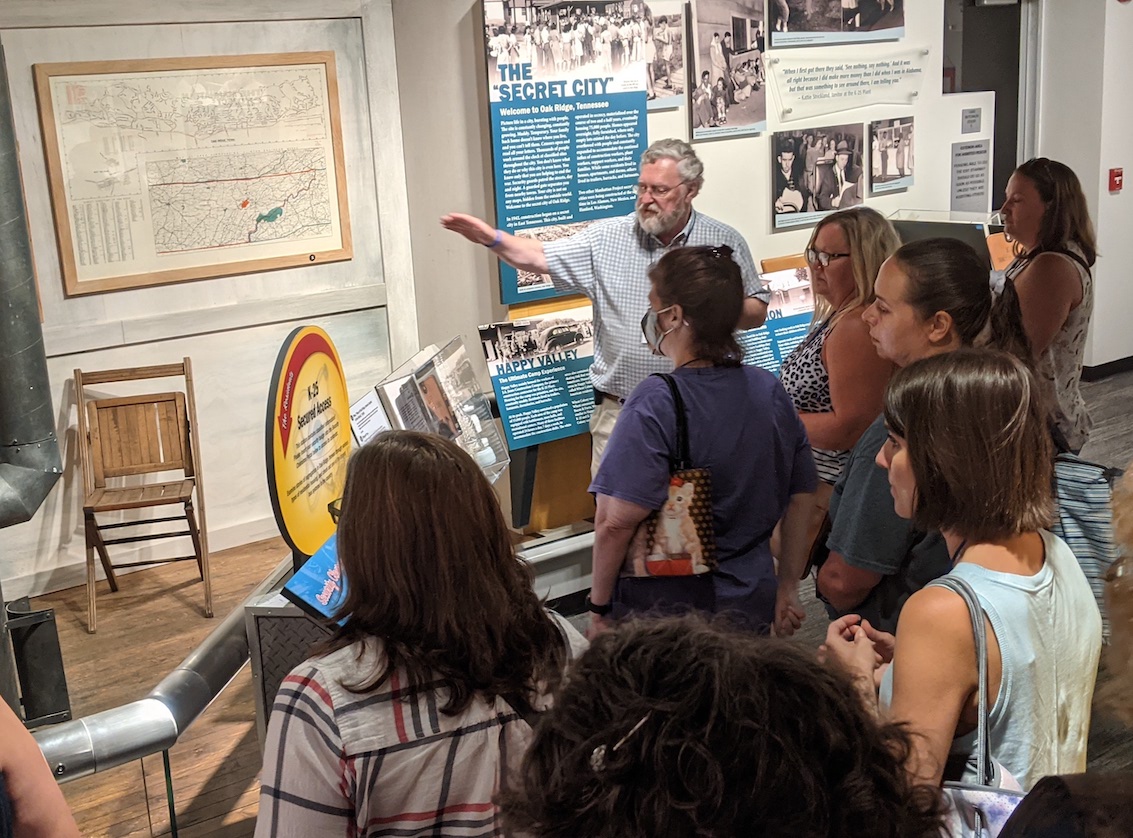
We have done many inservices about Oak Ridge and the Manhattan Project and will continue to do them in the future. The reason these events are successful is because of Oak Ridge historian Ray Smith, who volunteers his time to help teachers and students understand this story.
Here (on the right) is a photo of Ray Smith speaking to teachers at a Tennessee History for Kids event in Oak Ridge in 2021.
Chapter 15: Music State
Standard 5.28: Discuss the development of the music industry in Tennessee, including: County music (e.g. Grand Ole Opry, WSM and the Carter family); Blues music (e.g. W.C. Handy and Bessie Smith); and Rock ‘n’ roll (e.g. Elvis Presley, Stax Records and Sun Studio).
Click here for the Chapter 15 worksheet — which is a FUN ONE!
You can find information that goes along with this chapter on the Shelby, Davidson, Union and Hickman County history sites.
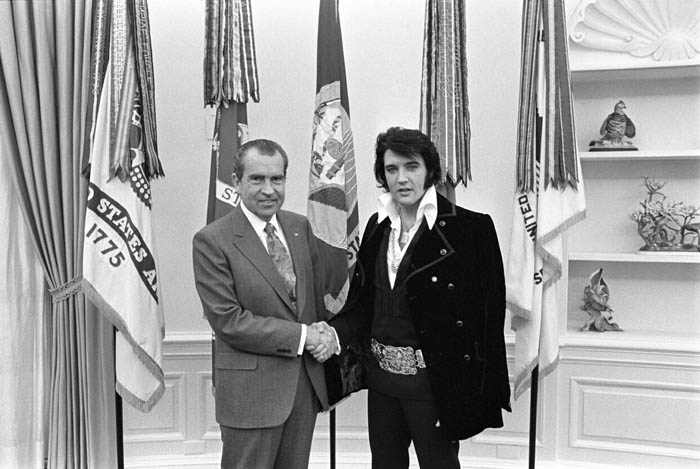
Library of Congress photo of the king with some president
SPECIAL PROJECT:
Social Studies Practice SSP.05 directs students to “develop historical awareness” by “recognizing how past events and issues might have been experienced by the people of that time with historical context.”
Given that directive, the best way to teach about the music of Tennessee is to PLAY the music of Tennessee, and a lot of this music can be found on the Internet.
Here are some examples:
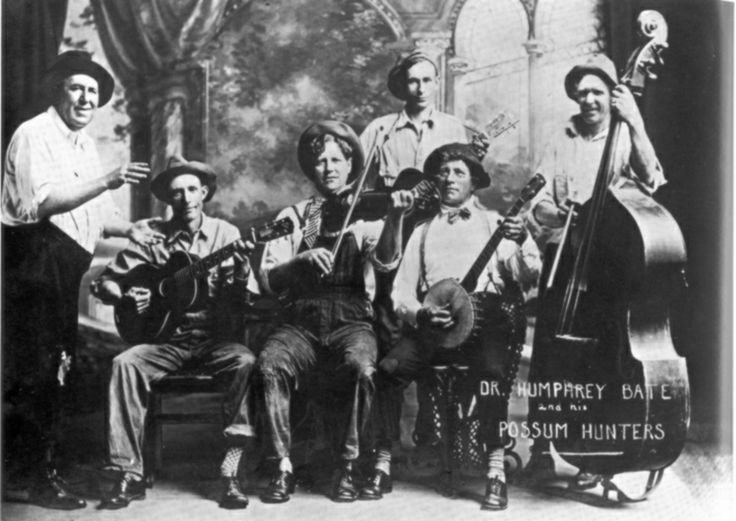
Humphrey Bate and the Possum Hunters
W.C. Handy playing “St. Louis Blues”
Dr. Humphrey Bate and the Possum Hunters performing “How Many Biscuits Can You Eat?”
DeFord Bailey playing “Pan American Blues”
The Carter Family singing “Wildwood Flower”

Isaac Hayes
Isaac Hayes performing “Shaft”
Elvis Presley performing “Hound Dog”
Dolly Parton singing “I Will Always Love You”

Waylon Jennings and Big Bird
Finally, click here to see Waylon Jennings singing with Big Bird in a pickup truck. (
Personal disclosure: I interviewed Waylon Jennings in 1999 and asked him about this. He told me that he “couldn’t stop cracking up” filming this scene.
“Have YOU ever filmed a scene singing with Big Bird?” Waylon asked me.
Show these videos to your students and ask them the following questions about each of the clips::
ONE: Why do you think people bought this music?
TWO: In the time that this music was performed, how did the performer reflect their time?
THREE: Which performer is your favorite?
FOUR: Which song makes you the happiest?
 Chapter 16: With All Deliberate Speed
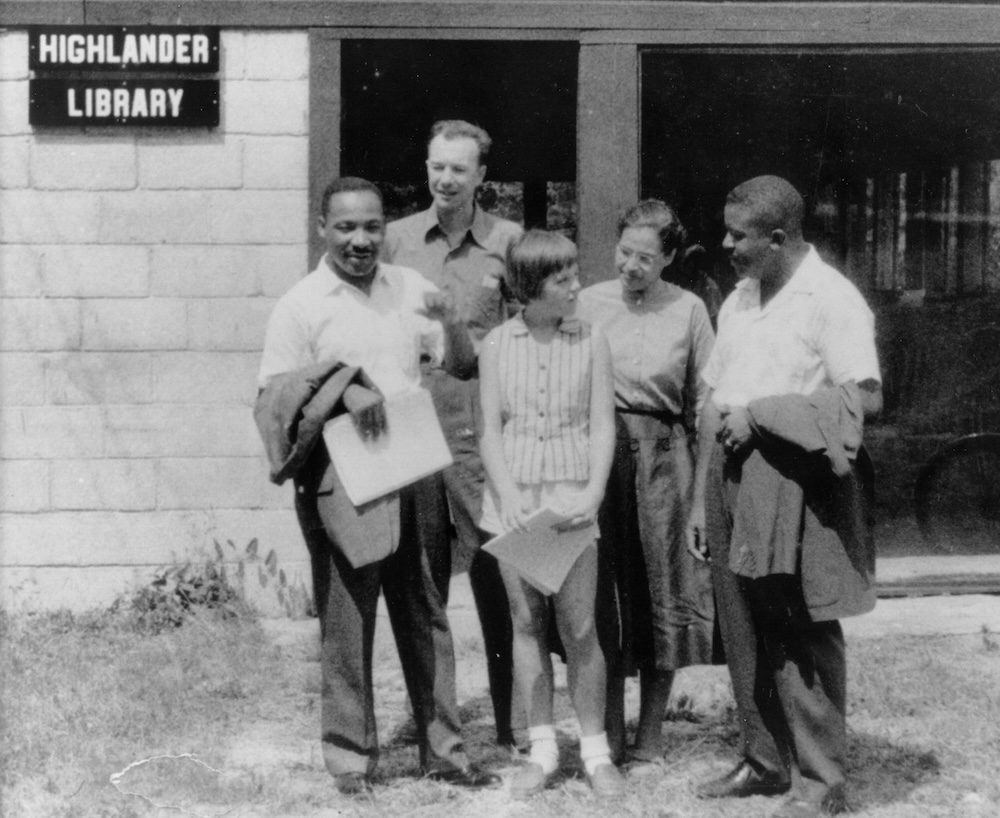
Standard 5.27: Identify Tennessee’s contributions to the Civil Rights Movement (e.g. Highlander Folk School, Nashville Sit-Ins, the Clinton 12, Rosenwald Schools, Scarboro 85 and the Tent City Movement of Fayette County).
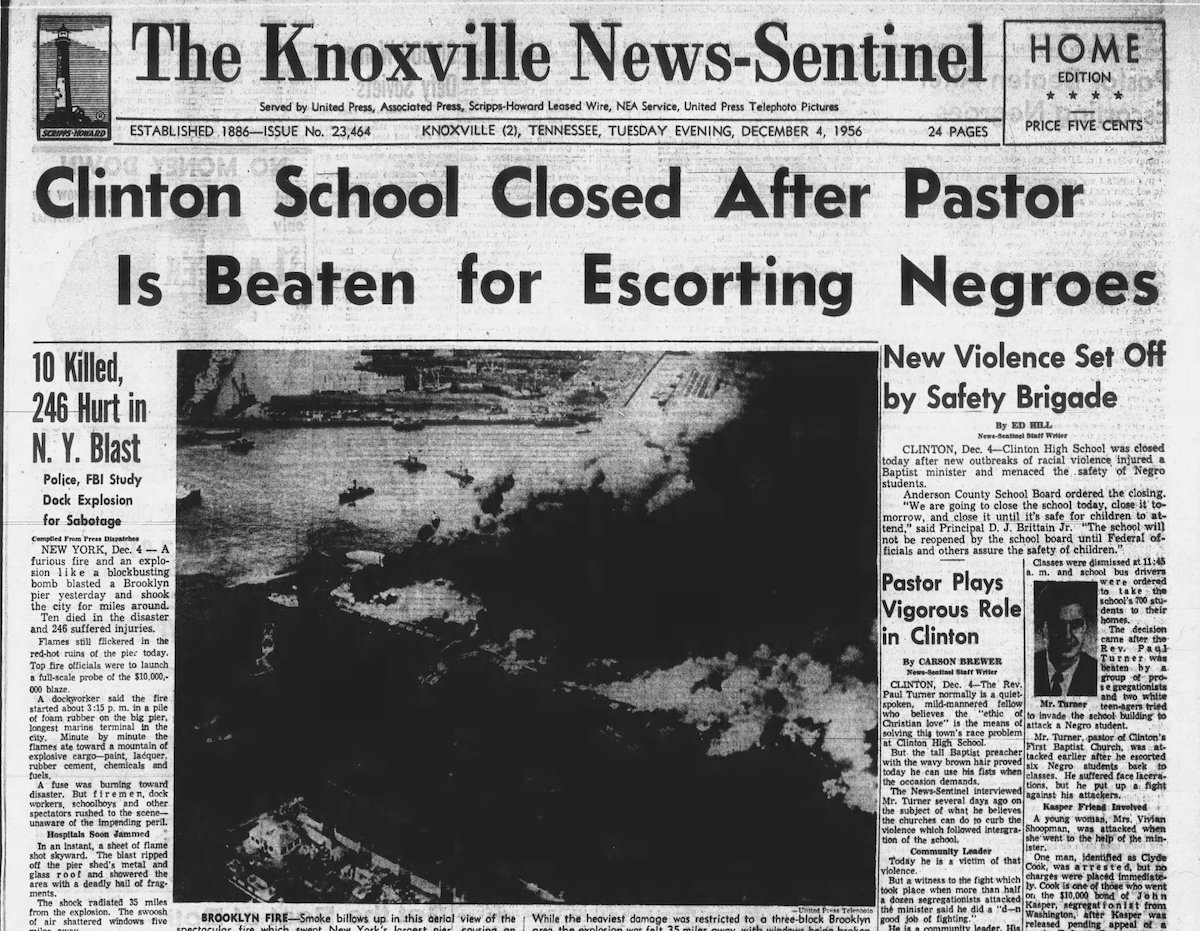
Knoxville News Sentinel, Dec. 4, 1956
Click here for the Chapter 16 worksheet.
Click here for a virtual tour of “In Search of Highlander Folk School.” This has been the subject of many Tennessee History for Kids inservices; please keep track of those and another one will come around!
In the fall and winter of 1956, the front page of the Knoxville News Sentinel was frequently dominated by news of the Clinton High School desegregation. Click on the image on the left to see what I mean.
In July 2017 I interviewed Bobby Cain on stage at the Tennessee History for Kids tent revival. Here is a column about what he said and here is a story about the event that was produced by Nashville’s public radio station.
Bobby Cain died in September 2025. Click here to read his obituary on the webpage of his college fraternity, Omega Psi Psi.
Chapter 17: Promised Land
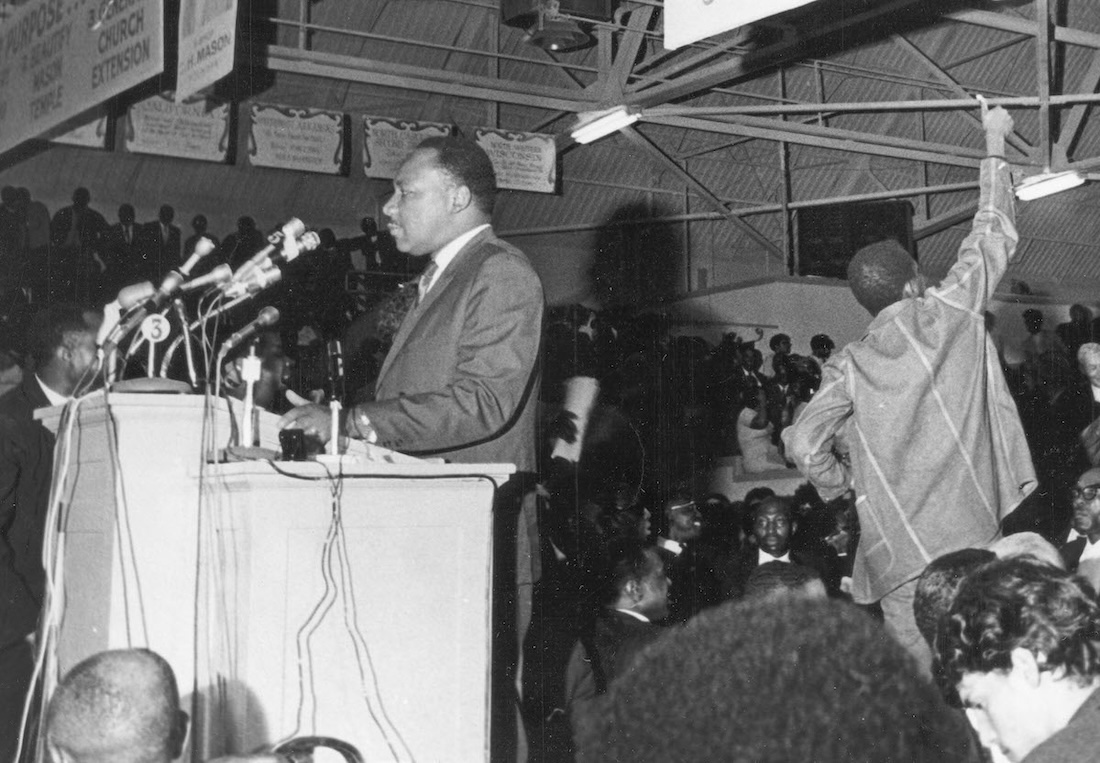
University of Memphis Library Special Collection photo
Standard 5.27: Identify Tennessee’s contributions to the Civil Rights Movement (e.g. Highlander Folk School, Nashville Sit-Ins, the Clinton 12, Rosenwald Schools, Scarboro 85 and the Tent City Movement of Fayette County).
The best resource in terms of covering the Nashville Sit Ins is a 1960 documentary produced by Robert Young. Parts of this documentary may not be considered to be appropriate for fifth graders, but parts of it are. I suggest teachers watch the whole thing because it tells the story very well.
Click here to see it.
I need to point out that the young attorney named George Barrett, who is interviewed starting at the 3:09 point, represented ME about 40 years later in a lawsuit over secret meetings at the legislature! It was quite a thrill having George Barrett represent me in a lawsuit!
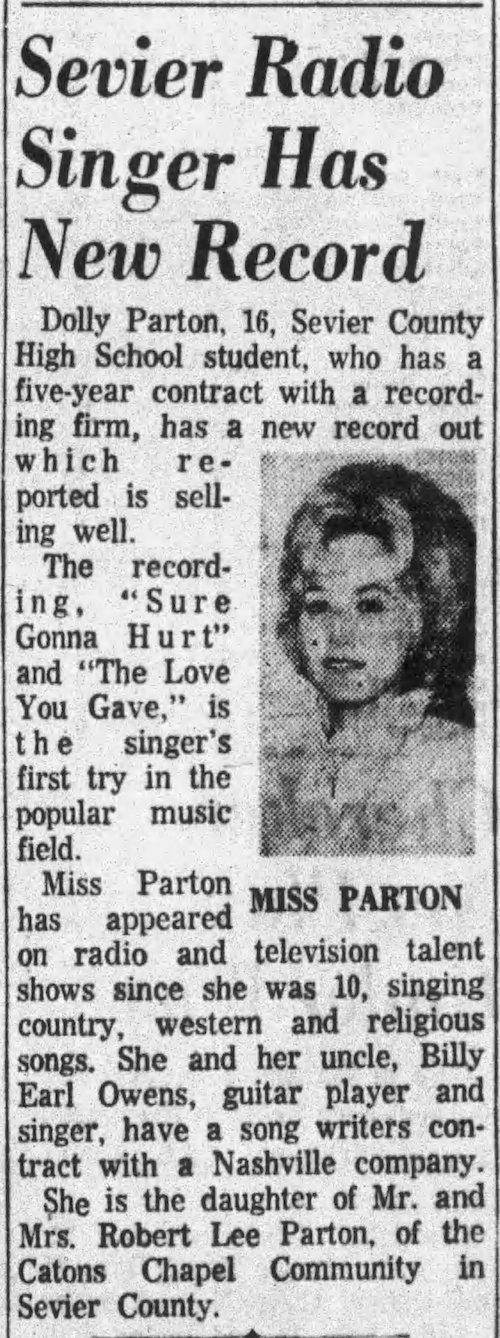
Knoxville Journal; Aug. 25, 1962
Chapter 18: Making History
Standard 5.29: Explore influential Tennesseans from the late 20th century (e.g. Al Gore Jr., Alex Haley, Dolly Parton, Wilma Rudolph and Oprah Winfrey.)
Click here to see the PEOPLE page of the TN History for Kids website, which features short biographical sketches of some the people mentioned in this chapter.
Click on the right to read the FIRST EVER newspaper article about Dolly Parton in the Knoxville paper, from 1962.
 SIDEBAR: Other Sources of Power
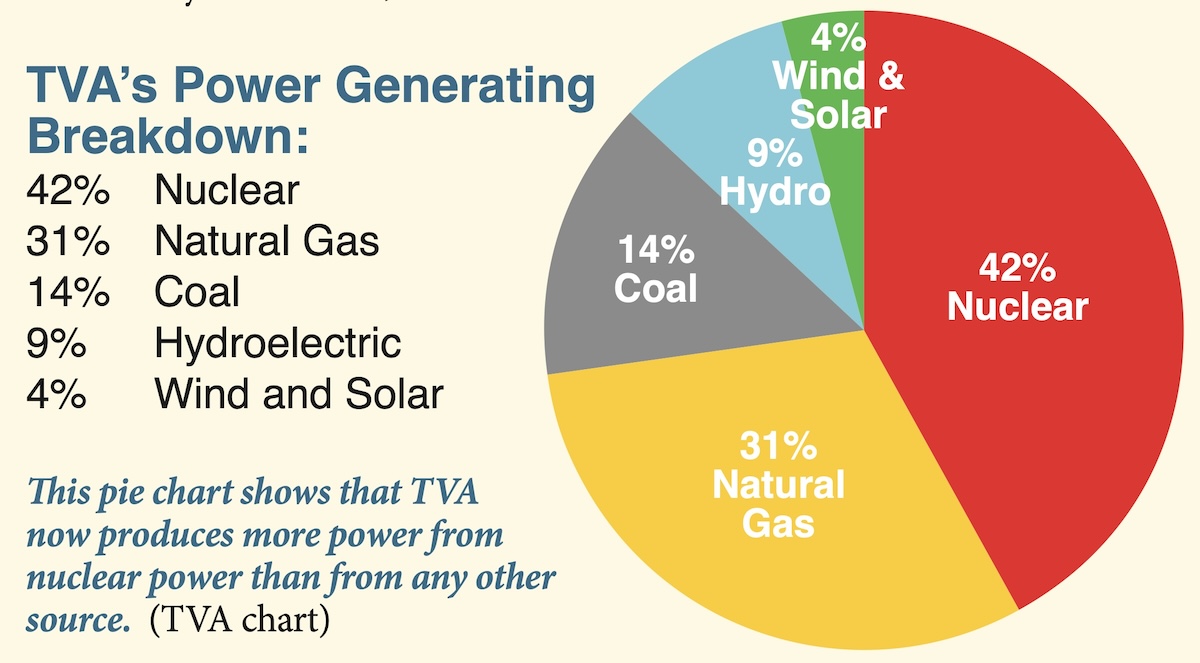
Click on the image on the left to show your students the pie chart that appears on page 88.
Chapter 19: Autos and Shifts
Standard 5:30: Compare and contrast the three Grand Divisions of Tennessee’s major industries tourism and agriculture during the 20th and 21st centuries.
Click here for the Chapter 19 worksheet.
I did the best I could to cover what I thought the social studies standards meant to imply in Standard 5.30.
What I tried to do in Chapter 19 was succinctly explain what’s happened in Tennessee’s economy and politics in the last 40 years.
Understand that there’s a LOT of content about Tennessee geography in the fifth grade workbook called Across the U.S.A. This workbook, Work for Freedom, is the second of four; that workbook is the third of four.
For a social studies standards index of all four Tennessee History for Kids fifth grade workbooks, click here.
Field Trips
The fall of fifth grade is a great time to take students on a Tennessee history field trip.
Among the field trip destinations your students will love, and that will increase their interest and knowledge of the subjects presented in this workbook are these (in order of time period):
Fort Donelson National Battlefield, Stewart County
Shiloh National Military Park, Hardin County
Stones River National Battlefield, Rutherford County
Chickamauga and Chattanooga National Military Park, Hamilton County
Fort Pillow State Historic Park, Lauderdale County
Carton/Carter House, Williamson County
Fort Negley, Davidson County
National Medal of Honor Heritage Center, Hamilton County
Andrew Johnson National Historic Site, Greene County
Museum of East Tennessee, Knox County
Tennessee State Museum, Davidson County
Discovery Park of America, Obion County
Sultana Disaster Museum, Arkansas
Tennessee State Capitol, Davidson County
Pink Palace Museum, Shelby County
Cotton Museum at the Memphis Cotton Exchange, Shelby County
Coal Creek Miners Museum, Anderson County
Museum of Appalachia, Anderson County
Little River Railroad Museum, Blount County
Butler Museum, Johnson County
Cumberland Homestead Museum, Cumberland County
American Museum of Science and Energy, Anderson County
Birthplace of Country Music Museum, Virginia
Country Music Hall of Fame and Museum, Davidson County
Sun Studio, Shelby County
National Civil Rights Museum, Shelby County
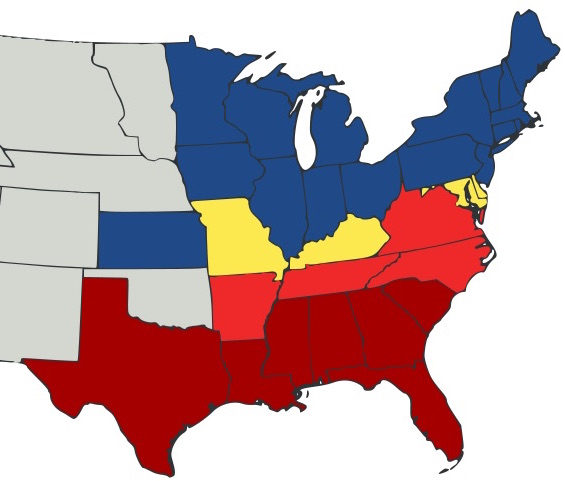
This map, above, shows the Union states in blue, the states that joined the Confederacy before Fort Sumter in maroon; the states that joined the Confederacy after Fort Sumter in bright red, and the border states in yellow.
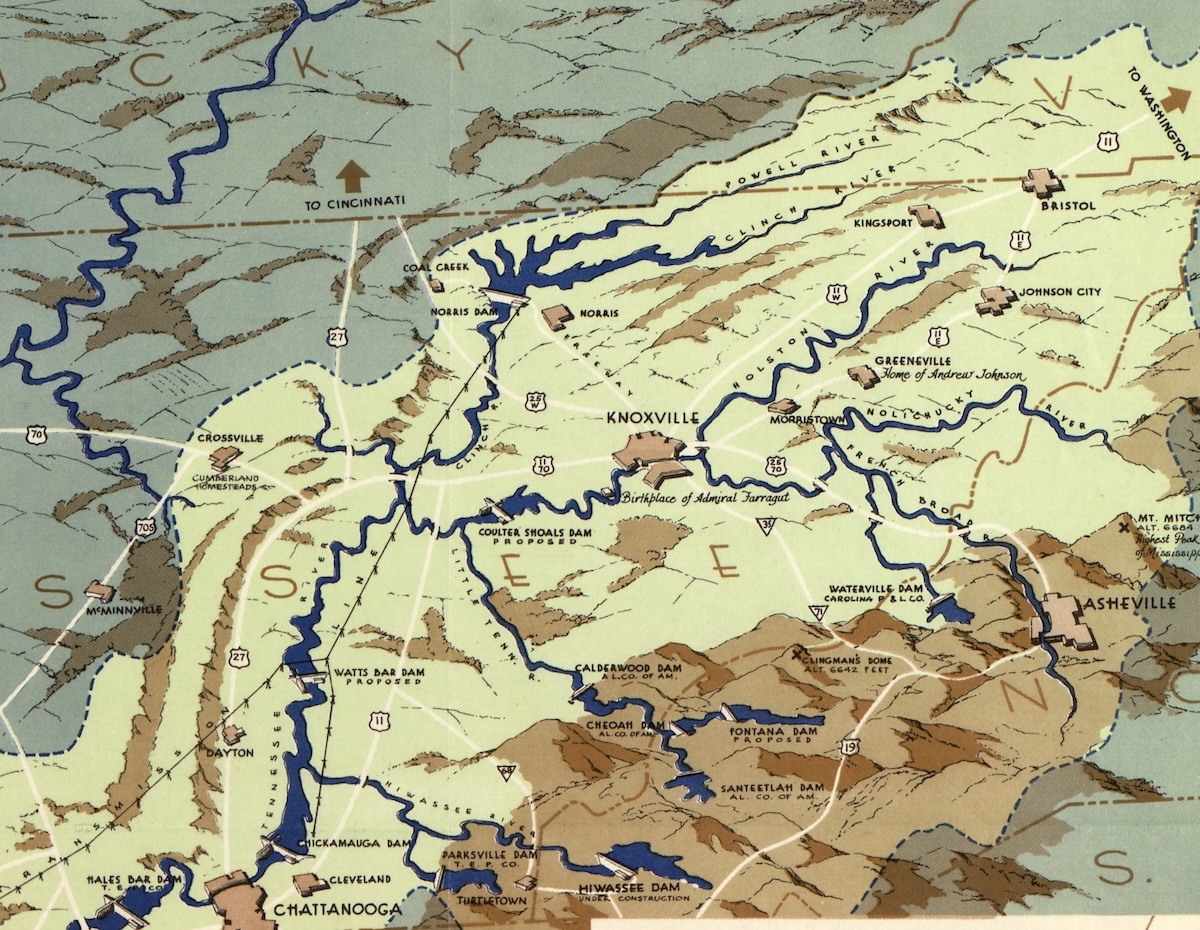
TVA map from 1939 (East Tennessee shown)
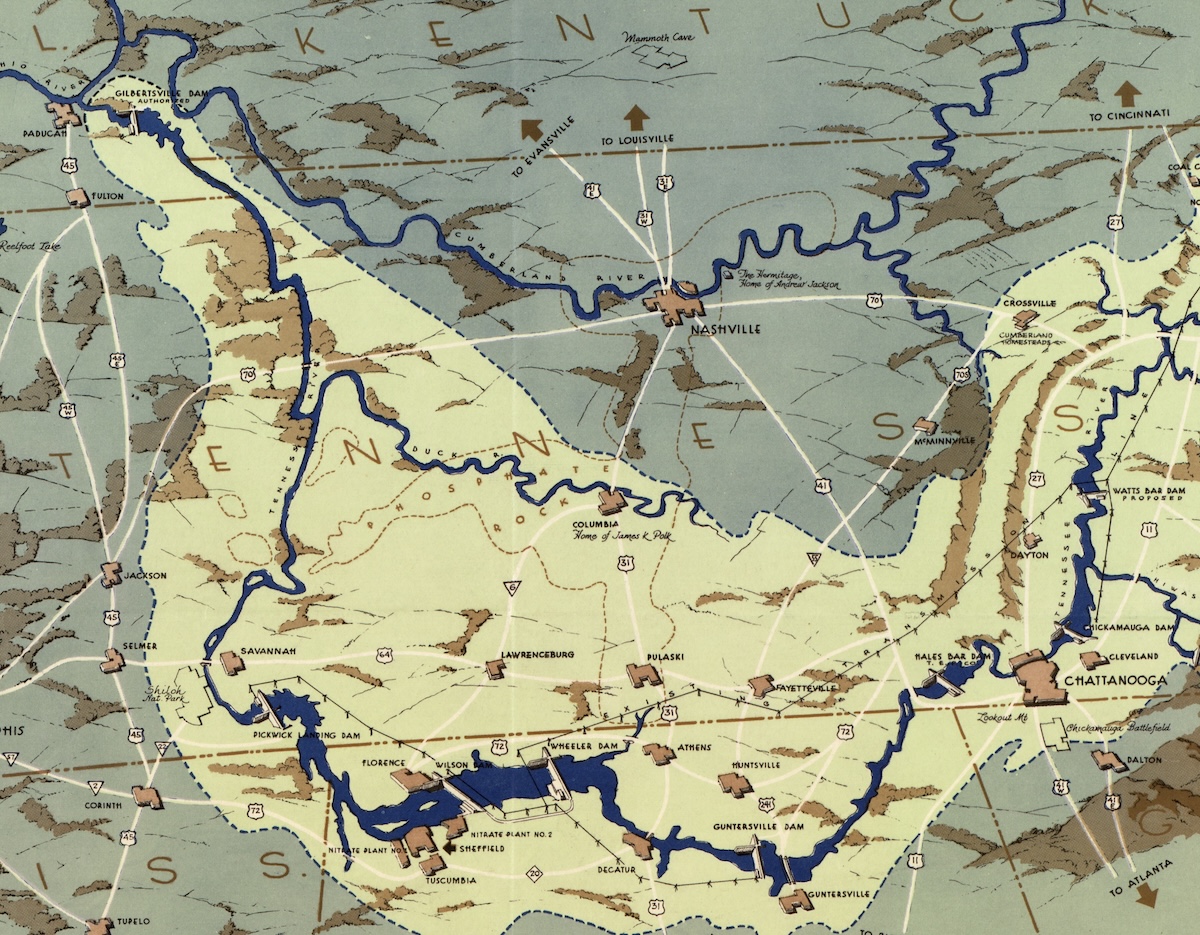
TVA map from 1939 (West and Middle Tennessee shown)
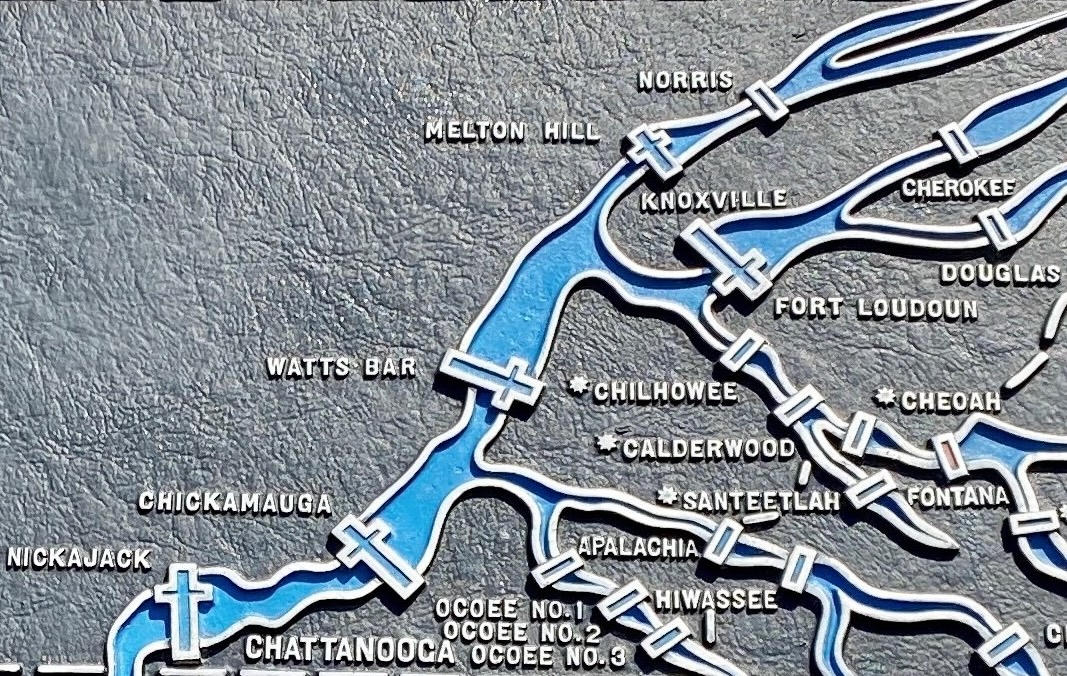
Current TVA map, which is on a sign displayed at many TVA dams